 Global Fashion Trends
How to Style Bob Hair: Classic, Lob & Textured Bobs
This guide shows how to style bob hair, focusing on bob cuts only. For other short styles, see our short hair guide, which covers bobs as one section among other short styles.
A bob is one of those cuts that looks deceptively simple until you’re actually trying to style one yourself. Get the technique right and it swings, moves, and frames your face beautifully. Get it wrong and it turns into a stiff, triangular shape that looks more like a helmet than a haircut. The difference usually comes down to a few specific habits around blow-drying, product choice, and how you work with the ends, not some elusive skill that only professional stylists have access to.
This guide breaks down exactly how to style bob hair well, whether you’re working with a classic blunt cut, a longer lob, an angled or asymmetrical version, or a textured, slightly undone bob, along with how to keep it looking fresh between wash days and salon visits.
How to Style Bob Hair: The Core Approach
Styling a bob well comes down to blow-drying with real tension and direction, choosing lightweight products that add movement without weighing hair down, and paying close attention to how the ends are shaped, since that’s the single biggest factor in whether a bob looks sleek and intentional or boxy and stiff. Because a bob has a defined length and shape, small styling choices show up much more visibly than they would on longer, more forgiving hair.
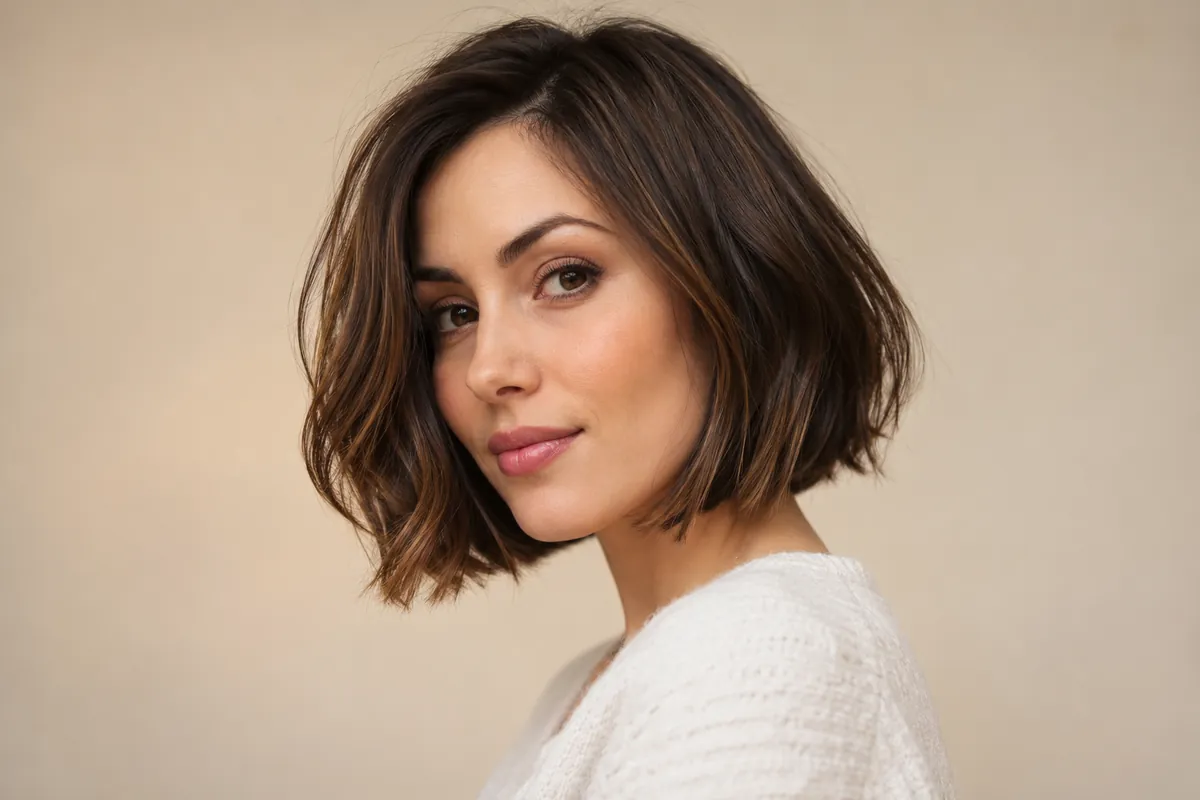
The ends deserve particular attention here. A bob’s silhouette lives almost entirely in how those ends are directed, whether that’s curved gently under, flipped slightly out, or left with soft, undone texture, and getting that detail right does more to define the overall look than almost any other single styling choice.
Tools and Products That Work Best for Bobs
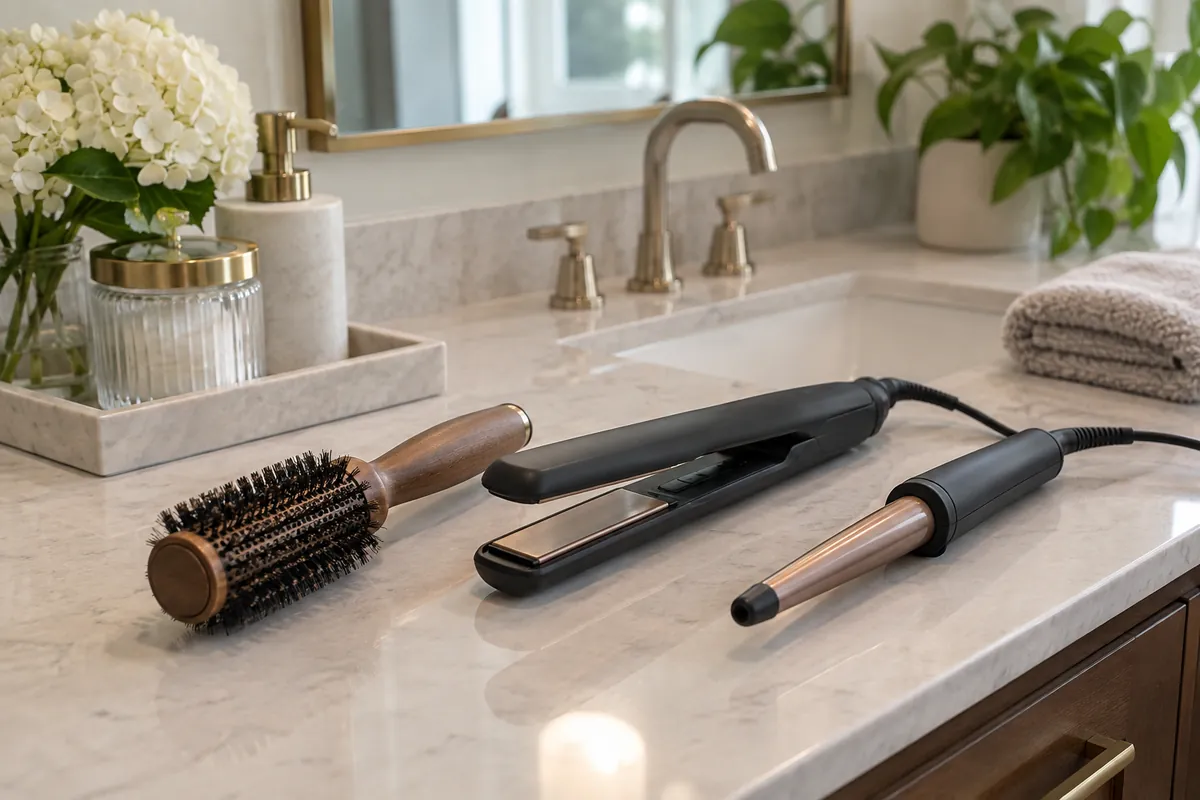
A medium-barrel round brush is probably the single most useful tool for styling a bob, since it’s sized appropriately to shape and direct the ends without overwhelming the shorter length the way a larger brush made for long hair would. A flat iron and a smaller-barrel curling iron or wand round out the core tool kit, covering both sleek, straight styling and adding soft waves or curl when desired.
Lightweight products tend to work better on bobs than heavier ones, since bob length doesn’t have as much natural weight to counteract product buildup the way longer hair does. A light heat protectant, a small amount of smoothing serum or cream for sleek looks, and a texturizing spray or light-hold mousse for more tousled, undone styles cover most bob styling needs without weighing the cut down.
Blow-Drying and Straight Styling Techniques for a Bob
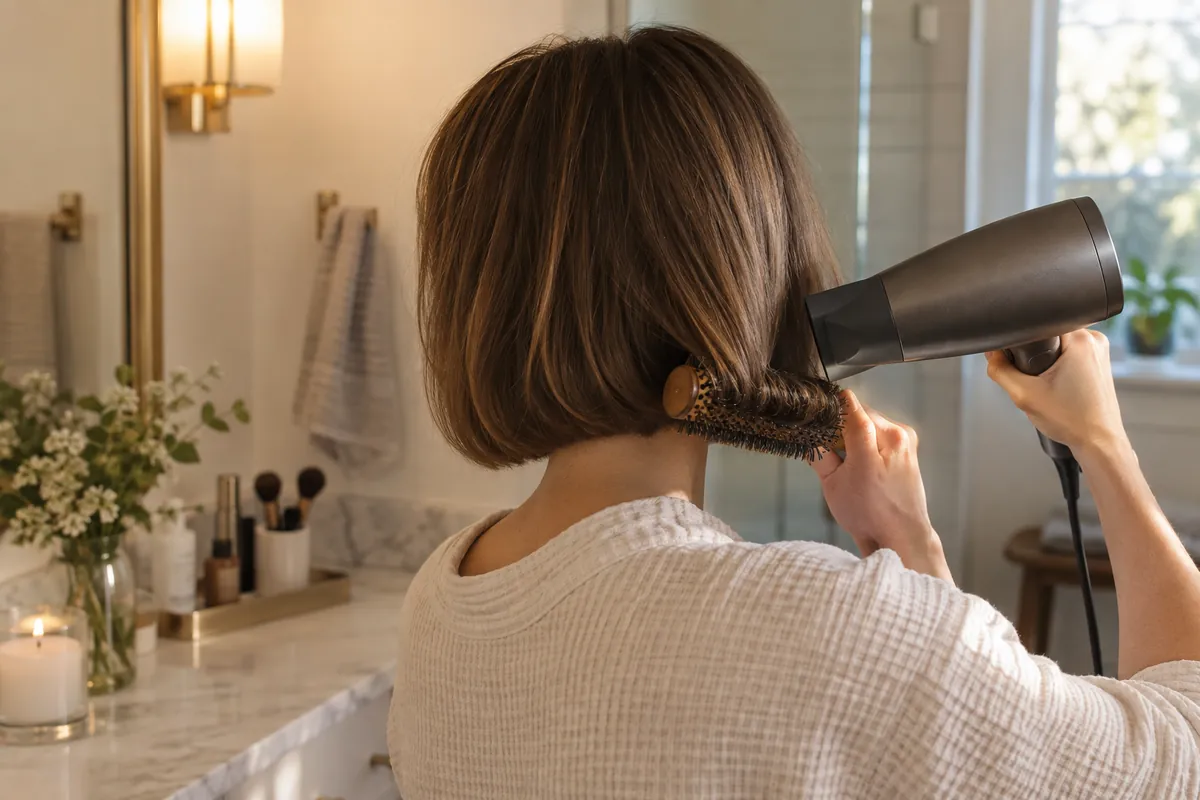
Blow-drying a bob with real tension, pulling sections taut with a round brush while directing airflow down the hair shaft, creates the smooth, shiny finish most people associate with a well-styled bob. Working in small, manageable sections, rather than trying to dry large chunks at once, gives you much better control over how the ends ultimately sit.
Directing the ends specifically matters more on a bob than almost any other cut. Rolling the round brush slightly under at the ends while blow-drying creates that classic, curved-under bob silhouette, while rolling slightly outward creates a flipped, more retro-inspired look. Either direction works, and the choice largely comes down to personal preference and what suits your particular face shape and bob length.
A flat iron can refine and smooth a bob further after blow-drying, particularly useful for adding extra sleekness or correcting any sections that didn’t quite get the shape you wanted during the initial dry. Running the flat iron with a slight curve inward or outward at the very ends, rather than pulling it through completely straight, helps maintain shape rather than flattening the ends into a stick-straight line that can look somewhat severe on shorter lengths.
How Do You Keep a Bob From Looking Triangular or Blocky?
Preventing a triangular, boxy look on a bob comes down to directing the ends with a round brush or flat iron rather than letting them fall straight down, adding some layering or texture through the cut itself if the shape tends to flare outward, and using a lightweight product rather than something heavy that can make the ends sit stiffly. Curving the ends slightly inward during styling, rather than leaving them completely straight, also softens the overall silhouette and reduces that boxy, triangular effect.
Adding Curls, Waves, and Texture to a Bob
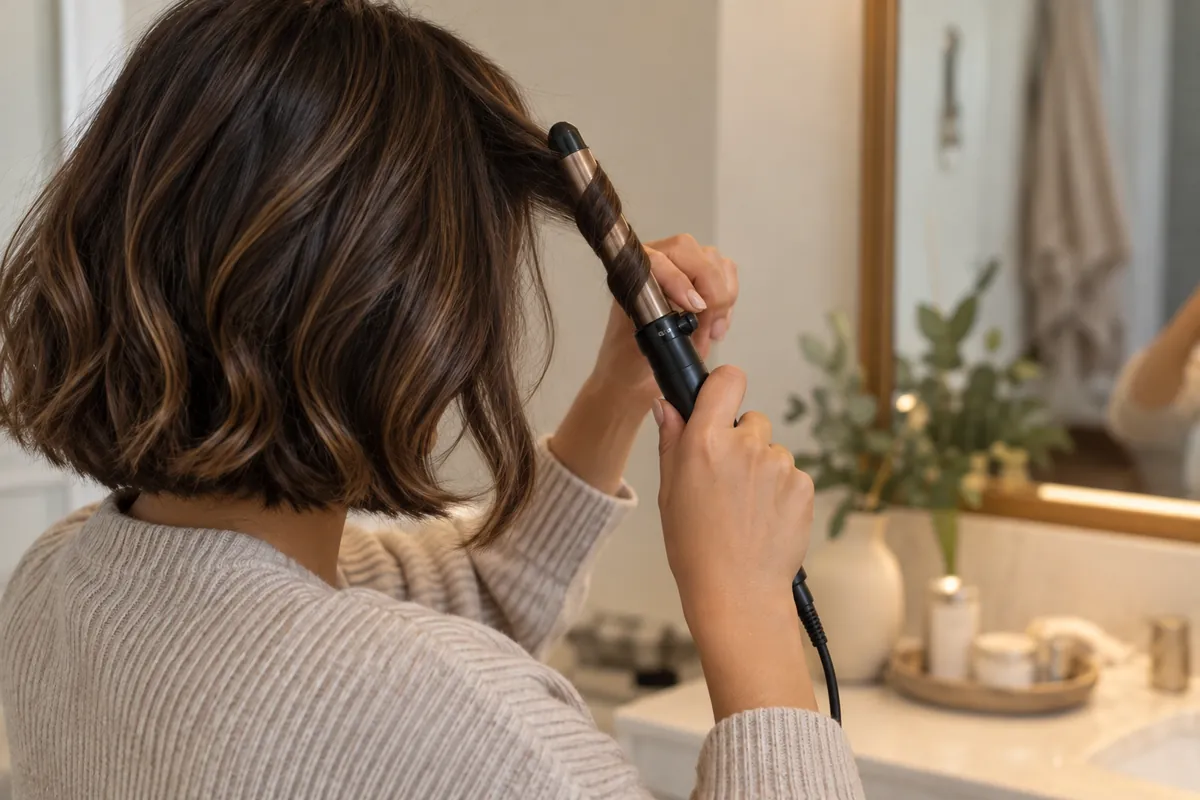
Bobs take beautifully to soft waves and loose curls, and the shorter length actually makes for quicker styling than it would take on longer hair. Using a curling iron or wand with a moderate barrel size, wrapping alternating sections in different directions, creates natural-looking movement rather than a uniform, overly curled effect.
Working in small sections matters even more here than with longer hair, since a bob has less overall hair to distribute curl through, and larger sections often result in uneven or insufficient wave definition. Once curls are set, running fingers gently through them, rather than brushing, helps soften the curl into a looser, more natural wave without losing the shape entirely.
A texturizing spray applied to either damp hair before drying or dry hair after curling adds grip and a slightly undone, lived-in quality that works particularly well on textured or shorter bob variations, helping the style feel more relaxed and less precisely done.
Can You Add Curls or Waves to a Short Bob?
Yes, even a fairly short bob can hold soft curls or waves, typically using a smaller-barrel curling iron and working in small sections to accommodate the shorter length available. Loose, alternating-direction curls tend to look more natural and less “done” on a short bob than tight, uniform curls, which can sometimes look overly styled on shorter hair specifically.
Styling Different Bob Variations
Not every bob is styled the same way, and understanding the specific shape you’re working with helps you choose the right technique.
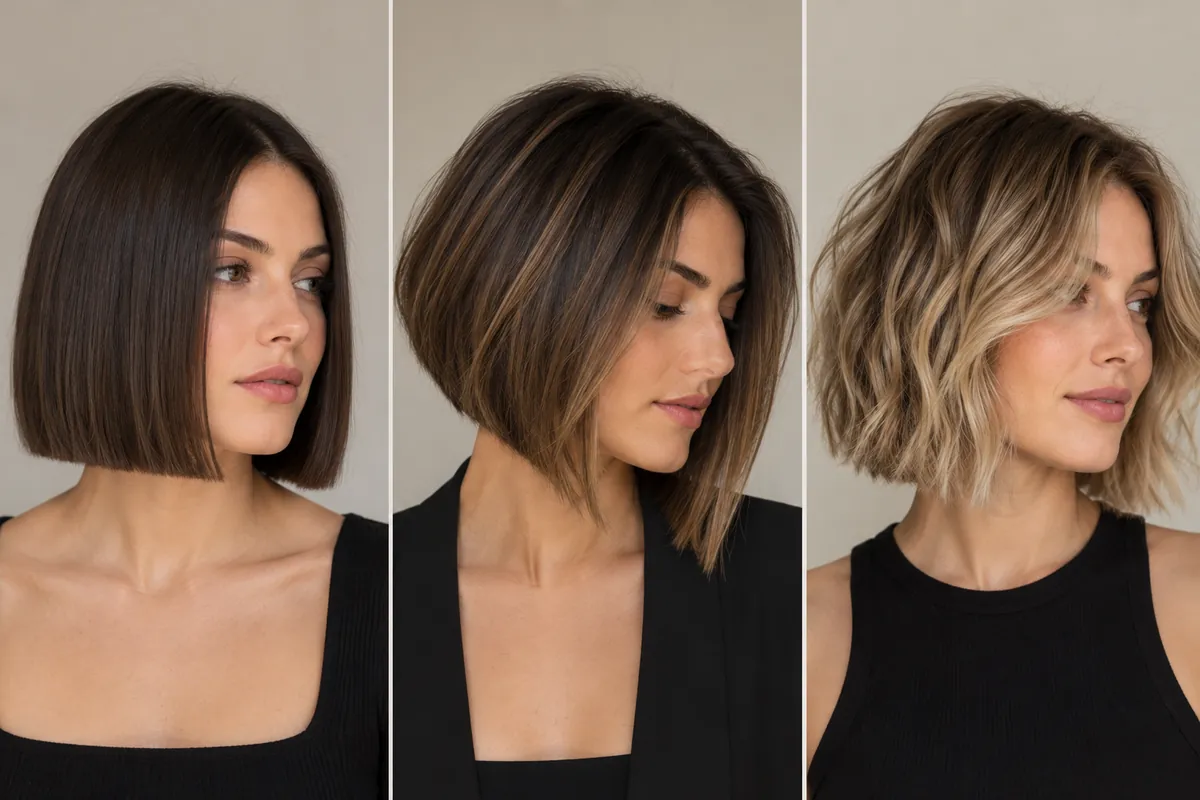
A classic blunt bob, cut at one uniform length with sharp, clean edges, generally looks best styled sleek and smooth, since the precision of the cut itself is the main visual statement. Heavy texturizing or excessive curl can sometimes work against a blunt bob’s clean lines rather than enhancing them.
A lob, or long bob, sitting closer to collarbone length, offers a bit more flexibility for both sleek and wavy styling, since the added length gives waves and curls more room to move and settle naturally compared to a shorter, more compact bob.
An angled or asymmetrical bob, longer in the front and shorter in the back, benefits from styling that emphasizes rather than fights that intentional asymmetry, often with the front sections curled or waved slightly more than the back to draw attention to the cut’s defining feature.
A textured or shaggy bob, already built with layers and movement in the cut itself, tends to look best with product that enhances that undone quality, like a texturizing spray or a light matte paste worked through with fingers rather than smoothed with a brush.
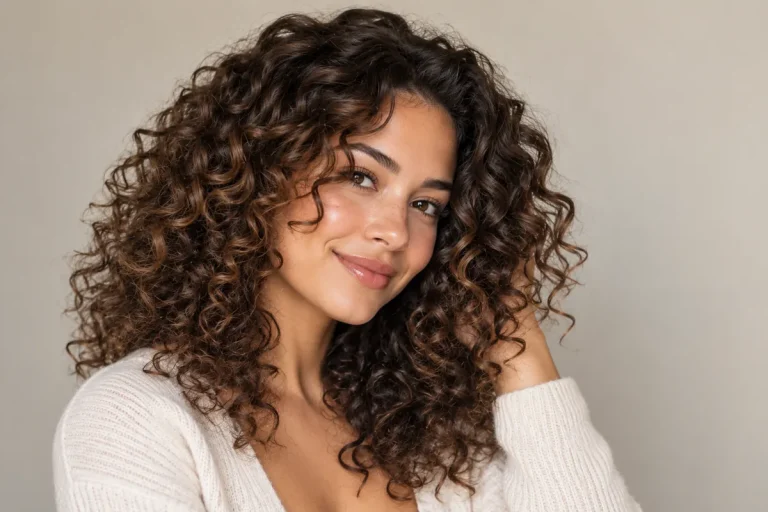
A curly bob follows curly hair styling principles, wet application, gentle drying, and minimal touching once set, though the shorter length calls for the same lighter-handed product approach that shorter curly cuts generally need to avoid getting weighed down or overly voluminous.
Does a Center Part or Side Part Work Better for a Bob Haircut?
Whether a center or side part works better largely depends on face shape and the specific bob style, with a center part often suiting symmetrical face shapes and blunt, precise bobs particularly well, while a side part can soften angular features and pairs naturally with angled or asymmetrical bob cuts. Trying both is a reasonable way to see which suits your features and the specific cut you have, since the right choice really does vary from person to person.
Keeping a Bob Fresh Between Washes and Salon Visits
A bob’s clean shape tends to soften noticeably as it grows out, which makes both daily refresh habits and regular trims more important than they might be for longer, more forgiving styles.
Dry shampoo works particularly well on bob-length hair for extending time between washes, since it’s easy to distribute evenly through shorter length and helps maintain volume at the roots, which can flatten more visibly on a bob than on longer hair with more length to disguise it.
Regular trims, depending on how precise the cut is, help maintain a bob’s defining shape and prevent the ends from starting to look uneven or the overall silhouette from softening into a less intentional shape.
How Do You Style a Bob for Second-Day Hair Without Washing?
Refreshing a bob on the second day generally works well with dry shampoo applied at the roots to absorb oil and add texture, combined with a quick touch-up using a curling iron or flat iron on any sections that have lost their shape overnight. A light texturizing spray can also help revive definition and grip without requiring a full wash and restyle.
Frequently Asked Questions
1. Does a bob work well on naturally curly hair, or does it need to be straightened?
A bob can absolutely work on naturally curly hair, following curly-specific cutting and styling techniques, and many curly bobs are cut specifically to account for shrinkage and curl pattern rather than requiring the hair to be straightened to achieve the style.
2. How long does it typically take to style a bob compared to longer hair?
Bobs generally take less time to style than longer hair simply because there’s less length and surface area to work with, though the precision required for a clean, well-shaped result can sometimes offset some of that time savings, particularly for blunt or angled cuts.
3. Can you wear a bob without heat styling at all?
Yes, many bobs, especially those with natural texture or a wash-and-go style built into the cut, can look great without any heat styling, relying instead on air drying and lightweight products to enhance natural texture and shape.
4. Does a bob need different products in humid weather?
Yes, humidity often calls for slightly stronger-hold products and anti-frizz serums to help a bob maintain its shape and smoothness, since shorter hair can be particularly prone to frizzing and losing definition quickly in humid conditions.
5. Is it harder to grow out a bob than other haircuts?
The grow-out phase for a bob can feel more noticeable than it does for longer styles, since the cut’s defined shape softens and shifts fairly visibly as length increases, though regular trims that gradually add layering can help ease that transition rather than letting it grow out into one shapeless block.
6. Can a bob be styled sleek for a formal event?
Yes, a bob styles beautifully sleek for formal occasions, typically using a flat iron for extra smoothness, a shine serum for added polish, and careful attention to a clean part and evenly directed ends for a more polished, put-together finish.
7. Why does a bob sometimes look uneven right after a fresh haircut?
Freshly cut bobs can look slightly uneven initially due to leftover cutting product, hair still settling into its cut shape, or simply not yet being styled the way you’ll typically wear it day to day, and this usually resolves once you’ve washed and styled it in your normal routine.
8. Does hair thickness change how a bob should be styled?
Yes, thicker hair often benefits from slightly more product and stronger hold to keep a bob’s shape controlled throughout the day, while finer hair generally does better with lighter products to avoid weighing the style down and losing volume at the roots.
9. Can you add layers to a bob after it’s already been cut, or does it need to be redone?
Layers can typically be added to an existing bob during a regular haircut appointment without needing to start over completely, since a stylist can work with the existing length and shape to introduce movement and texture where the cut currently lacks it.
10. Is it necessary to use heat protectant on a bob if you’re only styling it occasionally?
Yes, heat protectant is worth using any time heat tools are involved, regardless of how frequently you style, since even occasional heat exposure without protection can gradually affect hair health and shine over time.