 Global Fashion Trends
Semi-Permanent vs. Demi-Permanent Hair Color: Differences & How Long Each Lasts
Semi-permanent vs demi-permanent hair color sounds interchangeable. They both deposit color, both gradually fade, and both are commonly chosen by people who do not want the commitment of permanent dye. Once you sit in a salon chair or start reading hair-color descriptions, however, the difference becomes much more useful than the names suggest.
Semi-permanent color mainly sits on and around the outer layers of the hair. Demi-permanent color uses a low-strength developer that allows the color to settle more deeply into the hair structure without creating the same degree of permanent change associated with traditional permanent color.
That difference affects practically everything: how long the shade lasts, how well it blends gray hair, how noticeable the fade becomes, whether it can alter your natural level, and which option works better for refreshing brunette, red, blonde, or fashion shades.
Neither category is automatically better. The right choice depends on what you want the color to do.
Semi-Permanent vs. Demi-Permanent Hair Color: What Is the Difference?
Semi-permanent hair color is a temporary, deposit-focused color that generally works without an oxidative developer. Demi-permanent hair color also deposits color, but it is normally combined with a low-strength developer, allowing the color molecules to penetrate the hair more effectively. As a result, demi-permanent color generally lasts longer and offers stronger tonal change and gray blending.
The easiest way to understand the difference is to think about how deeply the color interacts with the hair.
| Semi-permanent | Demi-permanent | |
|---|---|---|
| How it works | Sits on and around the outer layers of the hair | Uses a low-strength developer and settles more deeply |
| Developer | Usually none | Normally a low-strength developer |
| How long it lasts | Several washes to several weeks | Generally lasts longer than semi-permanent color |
| Lightening | Cannot lighten natural hair | Cannot lift dark hair several shades lighter |
| Gray coverage | Tints or softens some gray; not complete coverage | Usually stronger; softens and blends gray |
| Fading | Fades gradually with washing | Designed to fade gradually |
| Best for | A subtle, lower-commitment change | Longer-lasting tone, gray blending or a salon-style gloss |
Semi-permanent formulas largely add pigment to the cuticle and outer regions of the hair shaft. They are useful when you want to deepen, refresh, tone, or temporarily change the visible color without making a major alteration to the natural pigment underneath.
Demi-permanent color sits between semi-permanent and permanent color. It uses oxidation, but its purpose is still primarily deposit rather than significant lightening. The formula can penetrate farther into the hair than typical semi-permanent color, which gives the result more staying power.
Permanent color works differently. It can both alter natural pigment and deposit new color, which is why it is commonly used for noticeable lightening, strong gray coverage, or lasting root changes.
A demi-permanent shade usually cannot take naturally dark brown hair and turn it several shades lighter. Neither can a typical semi-permanent formula. Hair color does not become lighter simply because a lighter-colored pigment is placed over it.
This matters when choosing between the two.
If your natural hair is medium brown and you apply a caramel semi-permanent shade, you may get additional warmth and shine, but you should not expect blonde highlights to appear. If your hair was previously lightened, those same caramel pigments can show much more visibly because the underlying hair is already lighter.
Hair history changes the result.
Porous, bleached, highlighted, chemically processed, or sun-lightened sections tend to accept temporary pigments more readily than untouched virgin hair. That is why a semi-permanent pink may barely tint naturally dark roots while becoming bright rose on previously blonde ends.
Does Demi-Permanent Hair Color Use Developer?
Yes. Demi-permanent hair color normally uses a low-strength developer to activate the oxidative color process and help pigment enter the hair more effectively. The developer is one of the main differences between demi-permanent and typical semi-permanent color, which usually deposits pigment without relying on the same oxidative process.
Using developer does not automatically make demi-permanent color equivalent to permanent dye.
The chemistry and intended result are different. Demi color is generally designed to deposit, darken, neutralize unwanted tones, enrich an existing shade, or blend gray rather than dramatically lift natural hair pigment.
This makes it especially useful in salons for toners, gloss services, root blending, brunette refreshes, and color corrections that do not require substantial lightening.
Does Demi-Permanent Hair Color Damage Hair?
Demi-permanent color is generally gentler than repeated permanent coloring or bleaching because it is primarily designed to deposit pigment rather than significantly lighten the natural hair. It can still affect the cuticle and hair condition, particularly on already fragile or highly processed hair, so it should not be treated as completely damage-free.
Condition matters more than the label alone.
Hair that has been repeatedly bleached can behave very differently from healthy virgin hair. Even a relatively gentle color service may make extremely porous ends feel drier if they are already structurally compromised.
The opposite can also happen visually. A demi gloss can make dull, porous hair appear smoother, darker, and shinier because pigment temporarily fills uneven areas and improves the appearance of the surface.
That cosmetic improvement should not be confused with permanently repairing damaged hair.
How Long Does Semi-Permanent Hair Color Last?
Semi-permanent hair color usually remains noticeable for several washes to several weeks, depending on the formula, shade, hair porosity, washing frequency, water temperature, and previous chemical processing. Because the pigment is deposited relatively close to the hair surface, it generally fades faster than demi-permanent or permanent color.
There is no single fade schedule that applies to every head of hair.
Someone washing fine, healthy hair every day may see a temporary brunette gloss soften quickly. Another person with porous, pre-lightened hair who washes twice a week may notice traces of a vivid pigment for considerably longer.
Shade matters too.
Pastels usually lose their visible intensity relatively quickly because there is less pigment to begin with. Deep red, blue, violet, black, and highly saturated fashion colors can be much more persistent, especially on porous blonde hair.
Some semi-permanent shades do not disappear perfectly back to the starting color. They fade gradually, and certain pigments can leave a residual stain.
Blue is a classic example. On pale yellow blonde hair, fading blue pigment may temporarily create a greenish cast because blue visually interacts with the warm yellow underneath.
Red and pink pigments can also linger on porous lightened sections.
For this reason, “semi-permanent” should be understood as fading color, not necessarily color that vanishes completely after a predictable number of shampoos.
How Long Does Semi-Permanent Color Last on Bleached Hair?
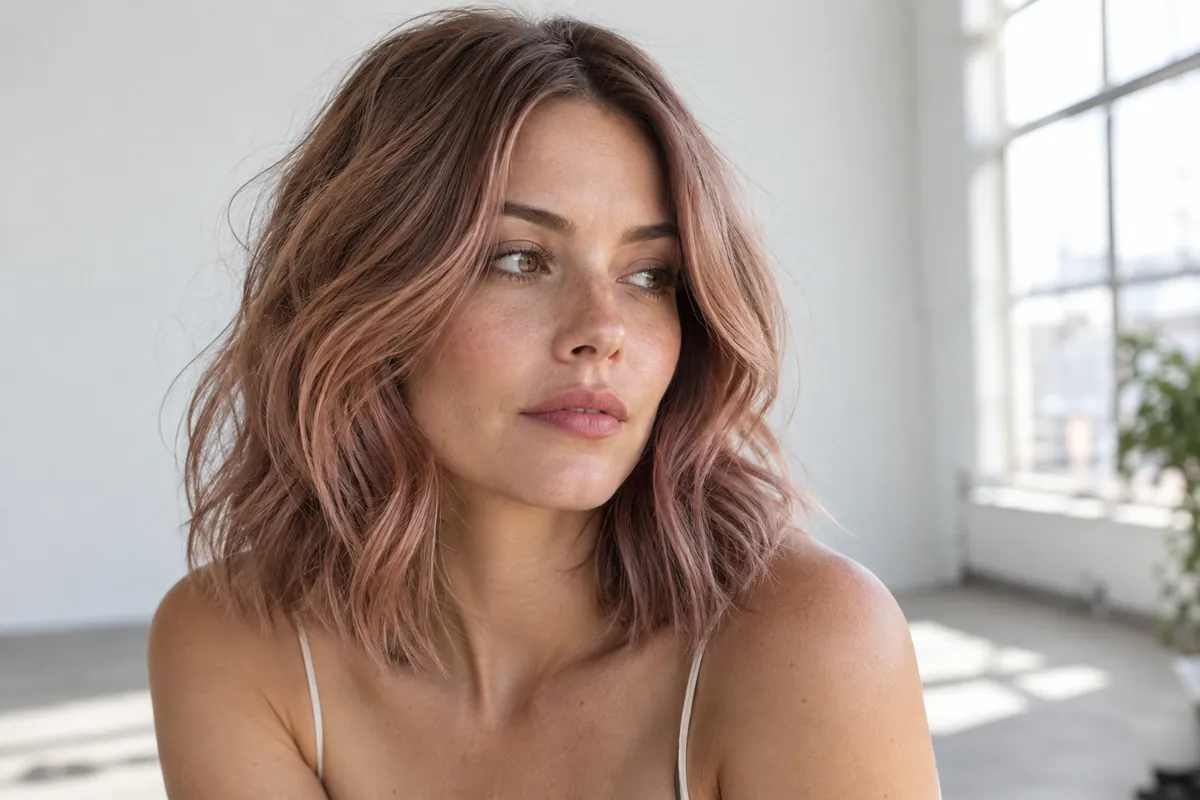
Semi-permanent color can remain visible longer on bleached hair because lightening increases porosity and gives pigment more opportunity to attach to the hair. Highly porous areas may also absorb color unevenly, becoming darker or more saturated than healthier sections and sometimes retaining a stain after the main shade has faded.
Imagine hair that has dark natural roots, a highlighted middle section, and heavily lightened ends.
The same semi-permanent copper applied from roots to ends may produce three different-looking results. The virgin roots may show only a subtle warm reflection. The highlighted middle may appear clearly copper. The porous ends may absorb much more pigment and look considerably deeper.
A strand test is particularly valuable on bleached hair.
It can reveal both the initial shade and how aggressively the pigment grabs before the entire head is colored.
Semi-permanent color is often useful for experimenting with fashion tones, refreshing fading red or copper, deepening brunette hair temporarily, or correcting mild tonal problems.
It is also practical for someone who simply wants a low-commitment change for a season. A richer chestnut in autumn or a subtle warm gloss through winter can add dimension without creating an obvious permanent root line.
How Long Does Demi-Permanent Hair Color Last?
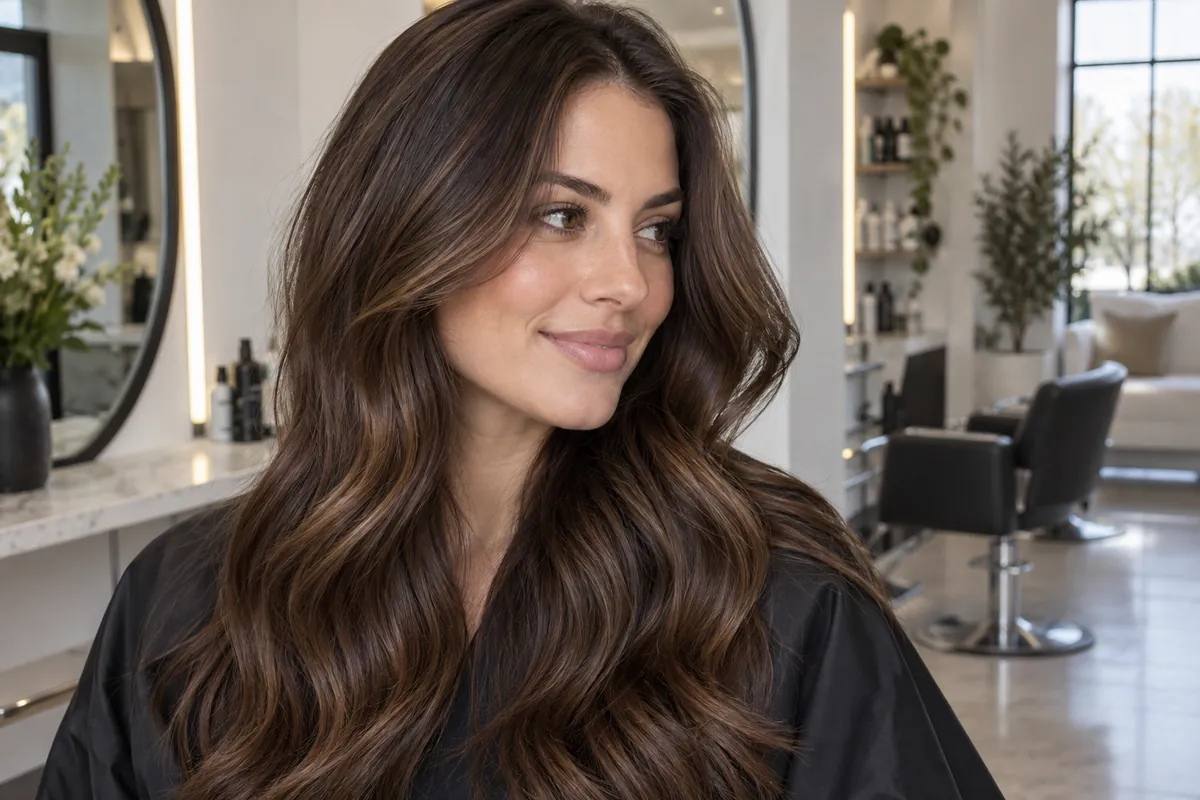
Demi-permanent hair color generally lasts longer than semi-permanent color, often remaining visible for several weeks before gradually softening. Because it uses an oxidative process to place pigment more securely within the hair, it withstands repeated shampooing better while still fading more gradually than traditional permanent color grows out.
One of demi-permanent color’s biggest advantages is the way it ages.
Permanent color leaves a defined line as untreated roots grow in, especially when the dyed shade differs strongly from the natural color. Demi color gradually loses intensity at the same time new hair grows, so the transition can look softer.
This is particularly attractive for brunette clients.
A faded medium-brown color can be refreshed with a chocolate, neutral brown, mocha, chestnut, or cool espresso demi without repeatedly using permanent color through the entire length.
Redheads benefit for the same reason. Copper and red tones can lose vibrancy faster than many neutral brunette shades. A demi-permanent refresh can restore richness without treating every appointment like a complete permanent recoloring.
Blondes encounter demi color constantly, even when the service is simply described as a toner or gloss.
After highlights or balayage are lightened, a stylist may use a demi formula to adjust the final tone. Warm yellow can become creamy beige. Strong gold can become champagne. Very pale blonde can be given a cooler pearl or neutral finish.
The lightener creates the brightness. The demi color refines its tone.
Does Demi-Permanent Hair Color Wash Out Completely?
Demi-permanent hair color is designed to fade gradually, but it does not always return hair to exactly the shade it was before coloring. Porosity, previous lightening, pigment choice, repeated applications, and the starting color can all leave a residual tonal change even after much of the original color has faded.
This is especially noticeable when repeatedly depositing dark pigment.
Suppose someone with highlighted blonde hair applies dark brown demi color every few weeks. The first application may fade relatively noticeably. Repeated applications can create pigment buildup, particularly through porous ends.
Eventually, returning to the original blonde may require professional color removal or lightening rather than simply waiting for the brown to wash away.
The same principle applies to very warm and cool pigments.
Hair remembers its chemical history. Temporary and demi color should still be planned with your next goal in mind, particularly if you expect to make a dramatic change later.
Which Hair Color Is Better for Gray Coverage, Toners, and Color Changes?
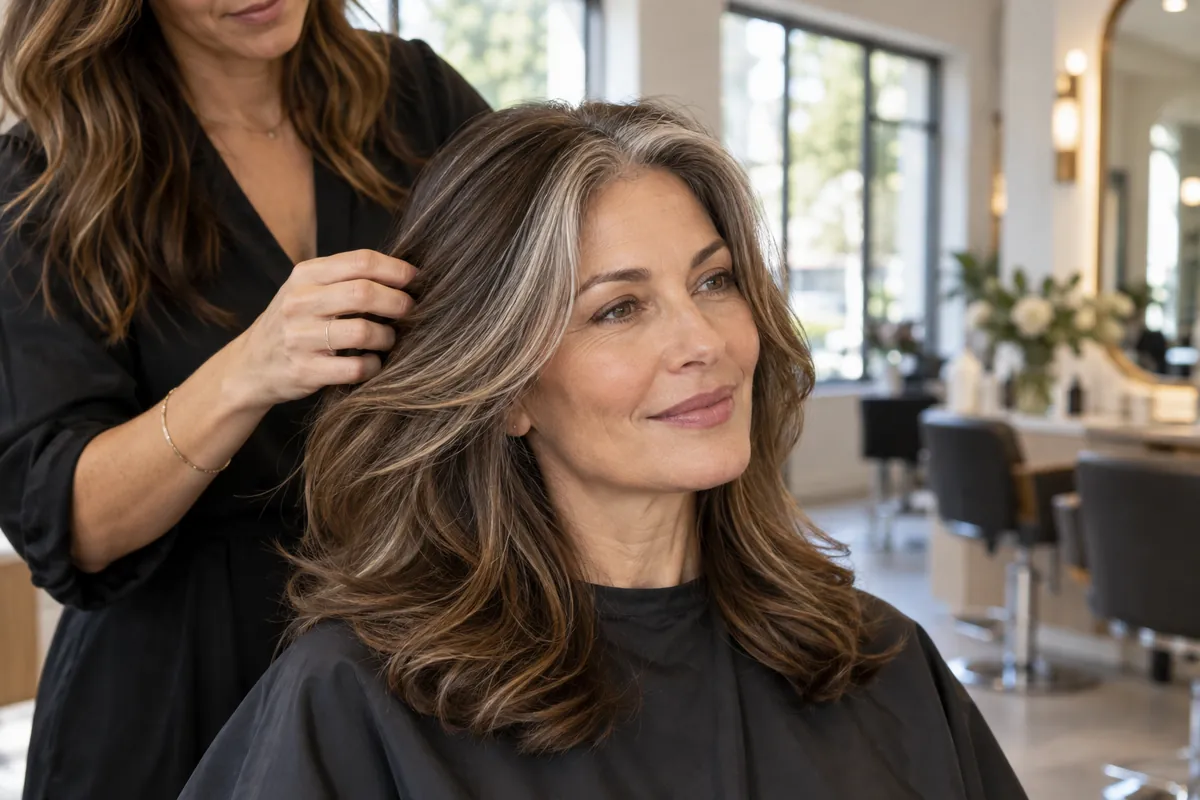
Demi-permanent color is usually the stronger option for gray blending, tonal correction, brunette refreshing, low-commitment darkening, and salon gloss services. Semi-permanent color is better suited to shorter-term experimentation, fashion shades, subtle color refreshes, and situations where you want pigment without the longer commitment of an oxidative demi formula.
The distinction between covering gray and blending gray is especially useful.
Permanent hair color is generally the strongest choice when someone wants opaque, consistent coverage of resistant gray roots.
Demi-permanent color tends to soften gray rather than completely erase every silver strand. The result can look more dimensional because some natural variation remains visible.
For many people, that is exactly the goal.
Instead of creating a solid block of brown against a growing silver root, a stylist can use demi color to reduce the contrast. As the color fades and new gray grows in, the line between appointments often looks softer.
Can Semi-Permanent Hair Color Cover Gray Hair?
Semi-permanent hair color can tint or soften some gray strands, but it usually does not provide dependable opaque gray coverage. Gray hair can be resistant because of its texture and lack of natural pigment, so results vary. Semi-permanent color is better considered a temporary gray-blending or toning option than full coverage.
Fine, porous white hair may take temporary pigment surprisingly well. Coarse, resistant silver hair may barely accept it.
The chosen shade also changes the effect.
A warm brown semi-permanent color may give white strands a soft golden-brown tint while leaving deeper natural hair relatively unchanged. Instead of looking fully covered, the gray can resemble fine highlights.
That can be attractive for someone beginning to transition toward natural gray.
For complete coverage, however, permanent color is generally more predictable.
Is Demi-Permanent Color Good for Gray Blending?
Yes. Demi-permanent hair color is especially useful for gray blending because it can deposit enough pigment to reduce the contrast between gray and pigmented hair without always producing the solid, opaque result of permanent root color. The gradual fade can also create a softer grow-out between salon appointments.
Gray blending works particularly well when several tones are allowed to remain.
A brunette with scattered silver around the temples may not need every white strand completely hidden. A neutral or slightly warm demi shade can soften those bright pieces so they blend with the darker hair.
Someone transitioning away from permanent gray coverage can also use demi strategically.
Rather than maintaining a strong root line every few weeks, a stylist may gradually reduce coverage and introduce highlights, lowlights, or demi glosses. This allows natural silver to become part of the overall color instead of appearing as a sharply separated band.
Which Is Better for Toner: Semi-Permanent or Demi-Permanent?
Demi-permanent color is commonly preferred for longer-lasting professional toning after highlights or lightening because it offers controlled oxidative deposit and stronger staying power. Semi-permanent color can also adjust tone, especially with color-depositing masks or direct dyes, but its effect generally fades more quickly and can be less predictable on very porous hair.
Toning works through color theory.
Violet can reduce the appearance of yellow. Blue can counteract orange. Blue-green or green tones may be used carefully against stronger red-orange warmth. Beige and neutral formulas can soften overly cool or overly warm blonde.
The goal is not always to make hair ashier.
A good toner creates the intended balance. Beige blonde, creamy blonde, mushroom brunette, caramel, copper, and champagne all rely on deliberately controlled warmth rather than eliminating warmth completely.
Porosity should guide the formula and application.
Highly porous blonde ends may take cool pigment very quickly. Applying a strong ash demi from roots to ends without accounting for that difference can leave the most damaged areas looking smoky, gray, or slightly muddy.
Professional colorists often alter timing, formula, or application order to compensate.
How to Make Semi-Permanent and Demi-Permanent Hair Color Last Longer
Both semi-permanent and demi-permanent hair color last better when unnecessary pigment loss is reduced. Washing less frequently, using comfortably warm rather than very hot water, choosing gentle color-friendly cleansing products, limiting excessive heat, protecting hair from strong sun and chlorinated water, and keeping porous lengths conditioned can all slow visible fading.
The first major factor is shampoo frequency.
Every wash exposes the hair to water, cleansing ingredients, friction, and swelling of the hair fiber. Someone shampooing daily should expect deposited color to fade faster than someone cleansing every few days.
Water temperature also matters. Very hot showers can contribute to faster color loss and dryness. Comfortable lukewarm water is a more practical choice for colored hair.
Heat styling creates a different problem.
Repeated use of flat irons, curling tools, and very hot blow-drying can make colored hair look dull and dry even before much pigment has actually washed away. Using reasonable temperatures and a heat protectant helps preserve both the condition and appearance of the color.
Sun exposure can shift tone as well.
During summer, long days outdoors may make brunette color look warmer, red shades fade faster, and blonde toners lose their carefully balanced finish. Hats and sensible UV protection for the hair become useful during prolonged exposure.
Swimming deserves extra planning.
Chlorinated or mineral-heavy water can affect both tone and texture, particularly on porous blonde hair. Wetting the hair with clean water before swimming, using appropriate protection, and rinsing promptly afterward can reduce how much pool water the hair absorbs.
Repeated color deposits should also be placed where they are actually needed.
If your roots need refreshing but the ends already look dark and saturated, pulling demi color through the lengths every appointment can create buildup. A stylist may refresh only selected areas or use a lighter gloss through the ends instead.
That approach keeps dimensional color looking dimensional.
Frequently Asked Questions
Is Semi-Permanent Hair Color Less Damaging Than Demi-Permanent?
Semi-permanent color is generally the gentler option because typical formulas deposit pigment without the oxidative developer used with demi-permanent color. Hair condition still matters, though. Repeated coloring, rough handling, heat styling, and previous bleaching can influence damage more than the label on a single color service.
Can Demi-Permanent Hair Color Lighten Natural Hair?
Demi-permanent color is primarily designed to deposit pigment rather than significantly lighten natural hair. It may create a subtle tonal shift in some circumstances, but someone wanting clearly lighter brown, blonde, or highlighted hair usually needs a lightening process rather than simply choosing a lighter demi shade.
Can You Put Demi-Permanent Color Over Permanent Hair Color?
Yes. Demi-permanent color is commonly applied over previously permanently colored hair to refresh faded lengths, adjust unwanted warmth, deepen the shade, or add shine. The formula should be selected carefully because porous previously colored ends can absorb pigment more strongly and become darker than expected.
Can You Put Semi-Permanent Color Over Bleached Hair?
Yes, and bleached hair often shows semi-permanent pigment very clearly because it provides a light base and increased porosity. That same porosity can make the color grab intensely or unevenly, so a strand test is wise, particularly with saturated blue, green, violet, red, pink, or very dark shades.
Which Fades Faster, Semi-Permanent or Demi-Permanent Hair Color?
Semi-permanent hair color generally fades faster because its pigment is deposited closer to the surface of the hair. Demi-permanent color uses an oxidative process that allows pigment to settle more securely within the hair, so the visible result normally survives more shampoos before significantly softening.
Is Demi-Permanent Hair Color the Same as a Gloss?
Not always, although many professional hair gloss services use demi-permanent color. “Gloss” describes the type of service or finished effect more than one universal formula. A gloss may refresh tone, neutralize brassiness, deepen color, and improve shine while using demi-permanent color chemistry.
Will Semi-Permanent Hair Color Change My Natural Hair Color?
Semi-permanent color can temporarily alter the visible tone of natural hair by depositing pigment, but it does not normally lighten the natural pigment underneath. The effect is most noticeable when the added shade is darker, richer, or tonally different from the starting hair color.
What Happens If You Choose Demi-Permanent Color That Is Too Dark?
A demi-permanent shade that is too dark may gradually fade, but porous hair can retain more pigment than expected. Repeatedly applying dark demi color can also create buildup. Avoid immediately covering it with another color, since adding more pigment usually makes a too-dark result harder to correct.
Is Semi-Permanent or Demi-Permanent Better for First-Time Hair Color?
Semi-permanent color is often the lower-commitment starting point for someone who wants a subtle temporary change. Demi-permanent is better if the goal is longer-lasting tone, richer brunette color, gray blending, or a salon-style gloss. Your starting shade and future color plans should guide the choice.