 Global Fashion Trends
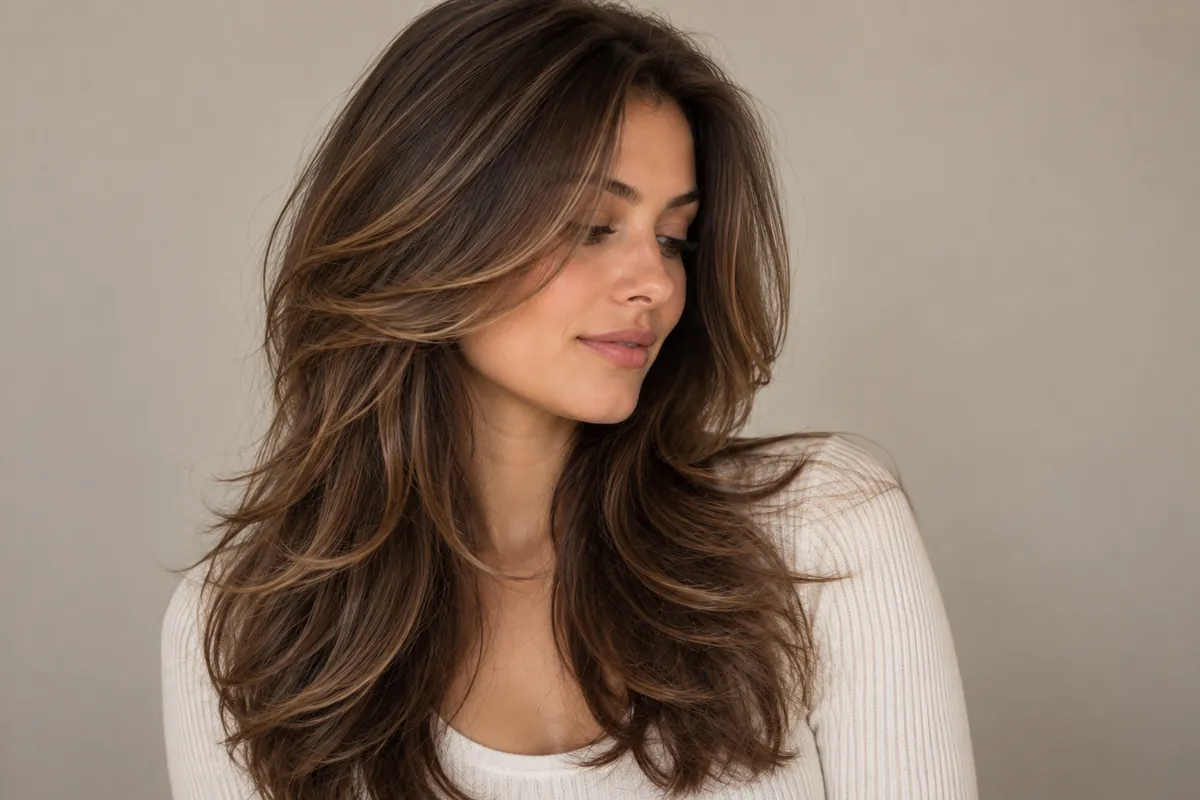
How to Style Layered Hair: A Complete Practical Guide
How to style layered hair well starts with understanding what layers do. Layers are supposed to add movement, shape, and dimension, but styled the wrong way, they can just as easily make hair look stringy, separated, or oddly thin in places it shouldn’t be. The gap between those two outcomes almost always comes down to technique rather than the cut itself. A well-cut layered style that’s blow-dried carelessly can look flat and disjointed, while the same cut, styled with a bit more intention, looks full and cohesive.
This guide explains how to style layered hair, covering what layers actually do structurally, how to blow-dry and style them so they blend rather than separate, how to handle face-framing pieces specifically, and how layering interacts differently with straight, wavy, and curly hair types.
How to Style Layered Hair: The Core Approach
Styling layered hair well means treating different layer lengths with slightly different technique rather than blow-drying or curling the entire head as one uniform mass. Shorter layers, especially around the face, typically need smaller tools and more careful attention, while longer underlying layers can generally be styled the way you’d approach one-length hair.
The most common styling mistake with layered hair is treating it exactly like a single-length cut, brushing and drying everything the same way regardless of length. That approach often leaves shorter layers looking separated or frizzy while longer sections stay smooth, creating an uneven, disjointed overall look rather than the cohesive movement layers are actually meant to create.
Understanding What Layers Actually Do to Your Hair
Layers work by cutting sections of hair to different lengths throughout the head, removing weight and bulk in specific areas to create movement, shape, and sometimes the appearance of added volume. Long layers keep most of the length intact while adding subtle shape mainly toward the ends, while short or choppy layers remove significantly more length and weight, creating more dramatic texture and movement throughout.
Face-framing layers specifically are cut shorter around the front, tapering back into the rest of the length, designed to draw attention toward the face and soften the overall shape. Curtain bangs function as a specific, more dramatic version of face-framing layers, parted down the middle and styled to sweep back on either side of the face.
Do Layers Make Hair Look Thinner or Thicker?
Layers can make hair appear either thinner or thicker depending on how they’re cut and styled, since removing weight through layering reduces bulk, which reads as thinner in some cases but can also create the appearance of more volume and movement when styled to add lift and separation rather than letting hair fall flat. For fine or thin hair, strategically placed layers, particularly shorter ones that don’t remove too much overall density, often create the appearance of more fullness than a blunt, one-length cut would.
Blow-Drying and Round-Brush Technique for Layered Hair
Blow-drying is a core part of how to style layered hair, and it benefits from working in sections organized by length rather than moving randomly across the head. Starting with the longer, underlying layers and working toward the shorter, face-framing pieces last tends to produce a more even, controlled result than trying to dry everything simultaneously.
Round brush size should shift depending on which layer you’re working with. A larger brush works well for longer layers, creating smooth, controlled movement, while a smaller brush is generally necessary for shorter face-framing pieces, since a larger brush simply won’t have enough hair length to wrap around effectively on those shorter sections.
Directing airflow consistently downward along the hair shaft, rather than blasting hair from multiple angles, helps smooth the cuticle and reduce the separated, frizzy look that poorly dried layers are especially prone to showing. Heat can also weaken fragile hair, so the American Academy of Dermatology recommends limiting hot tools and using the lowest heat setting that still styles the hair.
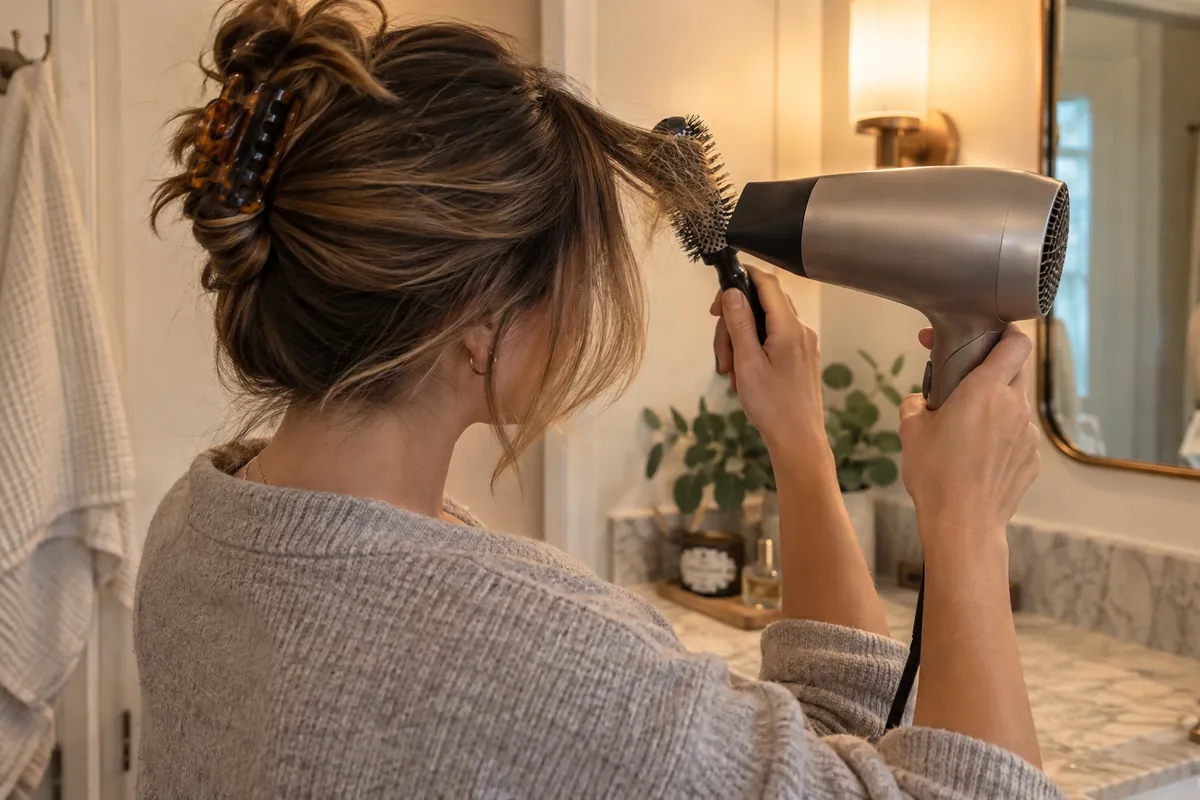
How Do You Style Face-Framing Layers Separately From the Rest of Your Hair?
Face-framing layers generally need their own dedicated styling step, using a smaller round brush or curling iron than the rest of the hair requires, since their shorter length behaves differently during blow-drying and heat styling. Curling or waving these pieces slightly, even when the rest of the hair is styled straight, often creates a softer, more intentional frame around the face rather than leaving shorter pieces to dry unstyled and potentially look separated or out of place.
Adding Curls or Waves to Layered Hair
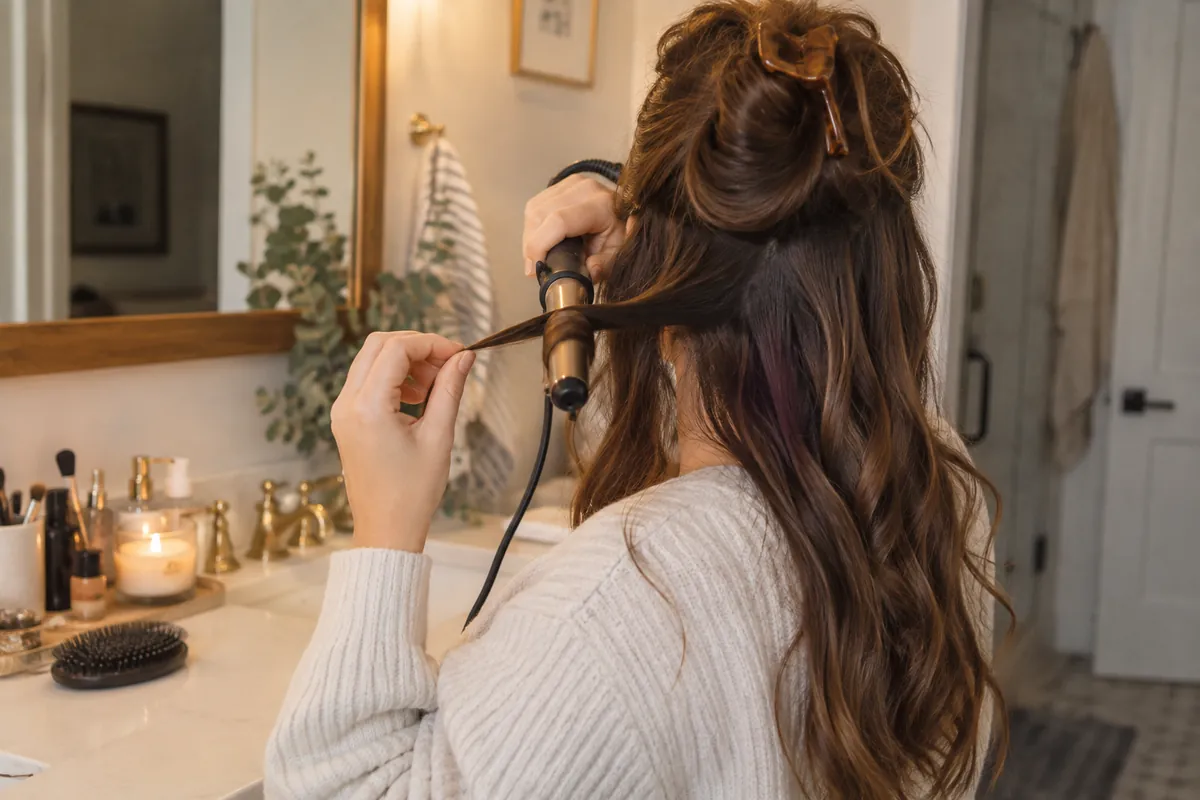
Curling layered hair section by section, adjusting barrel size to match each layer’s length, produces far more even results than trying to curl the whole head with one uniform technique. Shorter layers near the face often need a smaller barrel and shorter processing time than longer underlying layers, since there’s simply less hair to wrap and heat evenly.
Working from the underneath layers outward, curling the longest, bottom sections first before moving to shorter layers closer to the surface and face, helps ensure even coverage throughout the whole head rather than missing sections or over-processing others.
Once curls are set throughout all layers, running fingers gently through the hair, rather than brushing immediately, helps blend the different layer lengths together into one cohesive wave or curl pattern instead of leaving each layer looking like a separate, disconnected piece.
Layers on Different Hair Types
How to style layered hair also depends on your natural hair type, since layering interacts differently depending on texture, and understanding that interaction helps you style more effectively.
Thin or fine hair generally benefits from shorter, more strategic layering rather than heavy, dramatic layers throughout, since removing too much weight can actually make fine hair look sparser rather than fuller. Styling with a round brush for lift at the roots, combined with a light-hold product, tends to maximize the volume benefit layering can offer this hair type.
Thick or coarse hair often benefits significantly from more substantial layering, since removing bulk helps reduce overall weight and can make thick hair considerably easier to style and manage day to day. Layers here often need less styling effort to show movement, since the hair’s natural thickness already provides body that finer hair types don’t have.
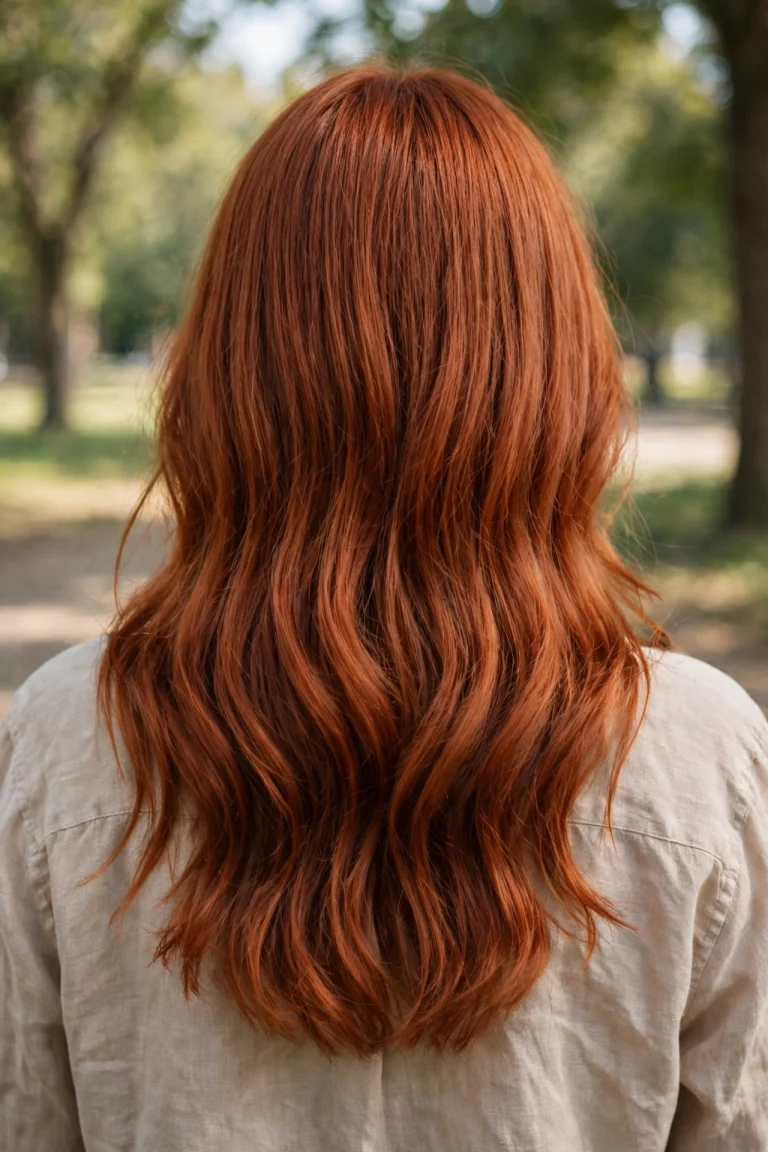
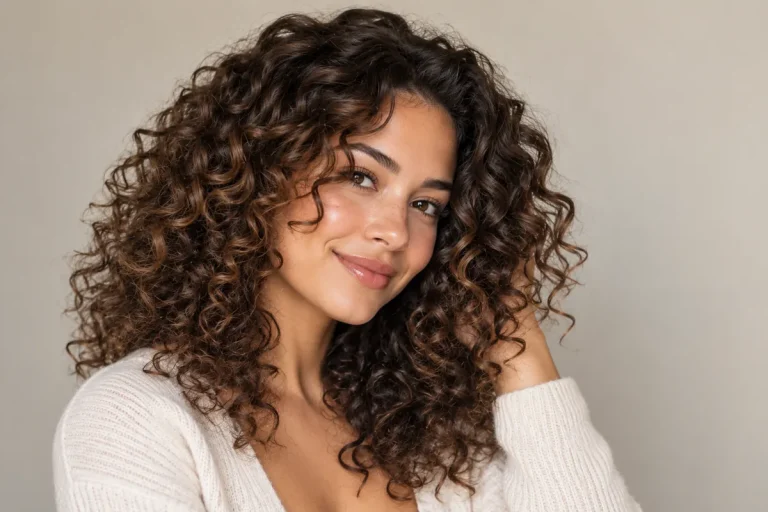
Wavy and curly hair with layers cut into it typically shows more defined, bouncy texture than a blunt cut would, since shorter layers have less weight pulling curl or wave pattern down and out. This often means layered curly or wavy cuts look noticeably fuller and more textured than the same hair cut at one uniform length. For a full routine, see our guide on how to style curly hair.
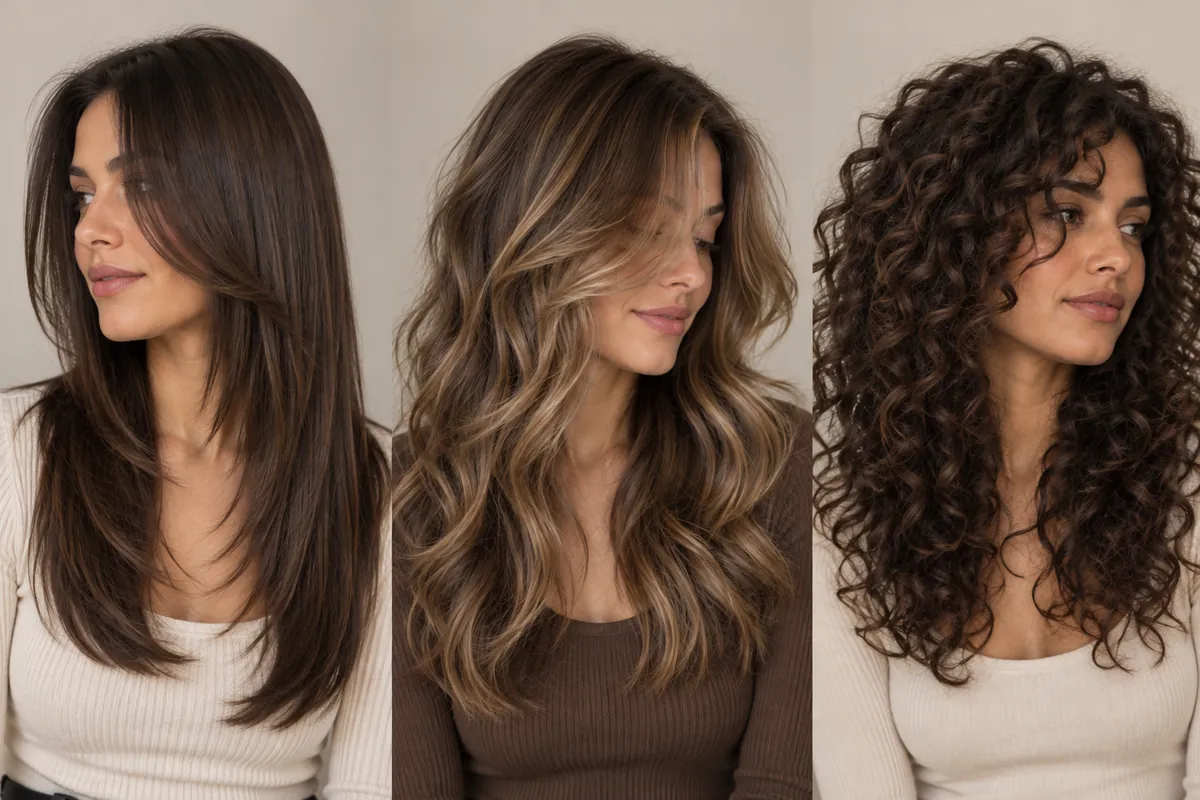
Can You Add Layers to Naturally Curly Hair?
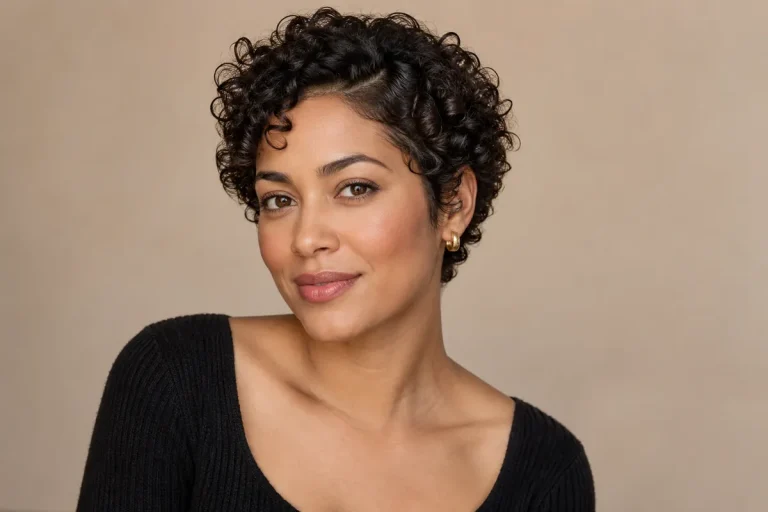
Yes, layers work well on curly hair, and many curly cuts are built around layering specifically to remove bulk and enhance natural curl pattern and bounce. Curly hair is often layered using a dry, curl-by-curl cutting technique rather than a standard wet cut, since curl shrinkage significantly affects how layers will actually sit once hair is fully dry and sprung up to its natural length. For shorter curly cuts, see our guide on how to style short curly hair.
Keeping Layers Looking Blended and Intentional
Layers that aren’t maintained properly can start to look disconnected or unevenly grown out well before the overall length feels like it needs a major cut, which makes regular trims particularly important for this style specifically.
Between salon visits, a texturizing spray or light styling cream applied specifically to the ends of shorter layers can help maintain definition and prevent that thin, separated look that under-maintained layers sometimes develop as they grow out slightly unevenly. If your layers are colored, follow a routine for colored hair — see how to take care of colored hair.
How Often Do Layered Haircuts Need to Be Trimmed to Stay Blended?
Layered haircuts generally benefit from regular trims to keep the different layer lengths blending smoothly into each other, since layers can start looking disconnected or unevenly grown out faster than a single-length cut would, even before the overall length feels noticeably long. Cuts with more dramatic, choppy layering sometimes need slightly more frequent attention than softer, longer layering to maintain a cohesive, intentional shape.
Frequently Asked Questions
1. Do layers work well on very long hair, or are they better suited to shorter lengths?
Layers work well across a wide range of lengths, including very long hair, where they’re often used to remove weight and add movement that a blunt, one-length cut wouldn’t provide, helping prevent long hair from looking heavy or stiff.
2. Can layered hair be worn in an updo without the shorter pieces falling out?
Yes, layered hair can absolutely work in updos, though shorter face-framing pieces sometimes need extra pinning or a bit of texturizing product to help them stay secured, since their shorter length naturally makes them more prone to slipping out of an updo than the longer underlying layers.
3. Why do layers sometimes look uneven right after a fresh haircut?
Freshly cut layers can look slightly uneven at first due to leftover cutting product, hair not yet styled in its usual routine, or simply needing a wash or two to fully settle into their intended shape and movement, similar to how many haircuts need a bit of time to fully reveal their finished look.
4. Does layered hair need different products than one-length hair?
Layered hair generally benefits from lighter products applied strategically by section, since heavier formulas applied uniformly across all layers can weigh down shorter pieces while barely affecting longer ones, creating an uneven overall texture rather than balanced movement throughout.
5. Can you add layers to hair that’s already relatively short?
Yes, layers can be added to short hair, and many short cuts rely on layering specifically to create texture and movement that a completely blunt, one-length short cut wouldn’t have, though the specific layering approach often needs adjusting based on how much length is actually available to work with. For bob-length cuts, see our guide on how to style bob hair.
6. Is it harder to straighten layered hair evenly compared to one-length hair?
Layered hair does require more attention when straightening, since shorter layers process differently and can end up straighter or smoother faster than longer sections, making section-by-section straightening with appropriate heat settings per layer length more effective than running a flat iron through the entire head uniformly.
7. Does layered hair need trims more often specifically because of the shorter pieces?
Yes, the shortest layers in a cut, particularly face-framing pieces, often show split ends and shape loss faster than the rest of the hair, which is part of why layered cuts generally benefit from slightly more frequent trims than a single-length style would need.
8. Can heavily layered hair still be pulled back into a sleek ponytail?
Yes, though heavily layered hair, especially with shorter face-framing pieces, often results in some shorter strands falling out of a sleek ponytail, which many people either work with as an intentional, softer style or manage with bobby pins and a small amount of styling product to keep face-framing pieces secured.
9. Does the direction layers are cut in affect how they should be styled?
Yes, layers cut to sit forward toward the face generally style best when directed forward during blow-drying and curling, while layers cut to sweep back or to the side typically hold their intended shape better when styled in that same direction rather than against the cut’s natural fall.
10. Is it possible to remove or soften layers without a full haircut?
Existing layers can sometimes be softened slightly through a trim that blends shorter pieces closer to the overall length, though significantly removing or reversing more dramatic layering typically requires growing the hair out over time or working with a stylist to gradually blend the layers as length increases.