 Global Fashion Trends
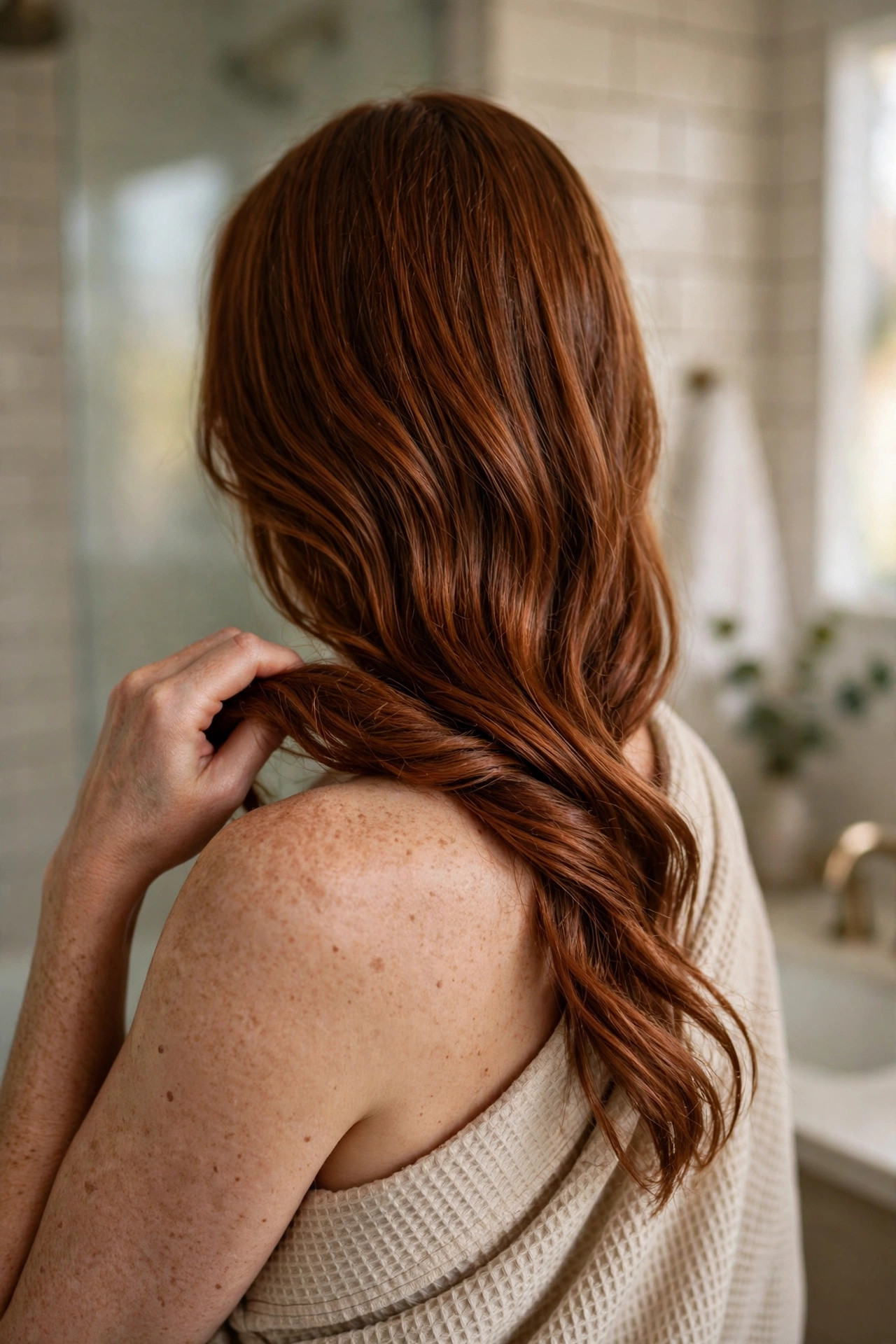
How to Take Care of Colored Hair: A Complete Routine
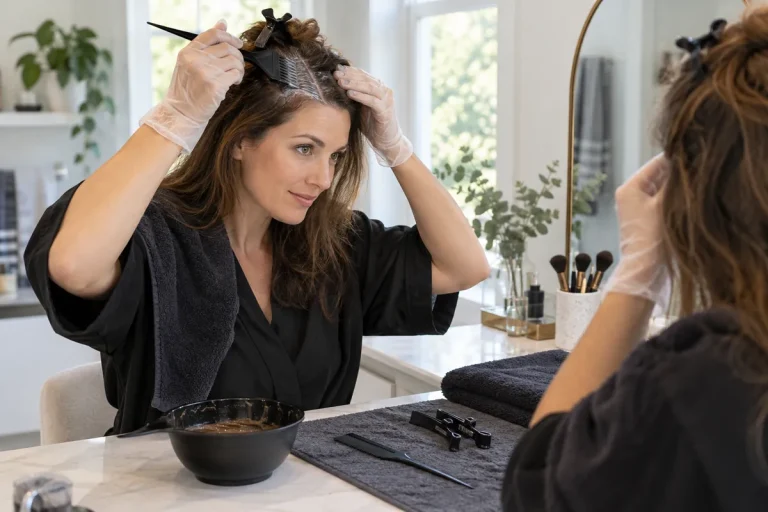
Getting your hair colored is honestly the easy part. Learning how to take care of colored hair in the weeks and months afterward is where most people either succeed or quietly watch their investment fade faster than it should. Colored hair has different needs than untouched hair, from how often it can handle a wash to how it reacts to sun, heat, and even the water coming out of your shower head.
None of this requires an overwhelming routine or a cabinet full of expensive products. It comes down to a handful of sensible habits, repeated consistently, plus knowing which details matter and which ones are mostly marketing.
How to Take Care of Colored Hair: The Basics
Caring for colored hair mainly comes down to four things: washing less aggressively and less frequently, using sulfate-free products formulated for color-treated hair, protecting hair from heat, sun, and chlorine, and keeping the hair itself structurally healthy through regular conditioning and trims. Those four habits, done consistently, keep color looking richer for longer and stop colored hair from turning dry, brittle, and dull.
Beyond that baseline, some of the details depend on the kind of color you have and the condition your hair was in before it was colored. Permanent color changes the hair from the inside and generally lasts until it grows out. Semi-permanent color coats the surface and fades gradually with every wash. Demi-permanent color sits between the two, lasting longer than semi-permanent color but still fading over time. Knowing which kind you have matters because semi-permanent shades fade fastest and need the most low-wash care, while permanent color can handle a slightly more normal routine if the hair itself stays healthy. How long a color lasts also depends on the type of dye used — see how long hair color lasts. If you are still deciding on a shade, see how to choose the best hair color.
Build a Washing Routine That Protects Your Color
Washing habits probably have more day-to-day impact on color than anything else. Every wash is a chance for color molecules to escape, so how you wash, how often you wash, and what water you use all matter.
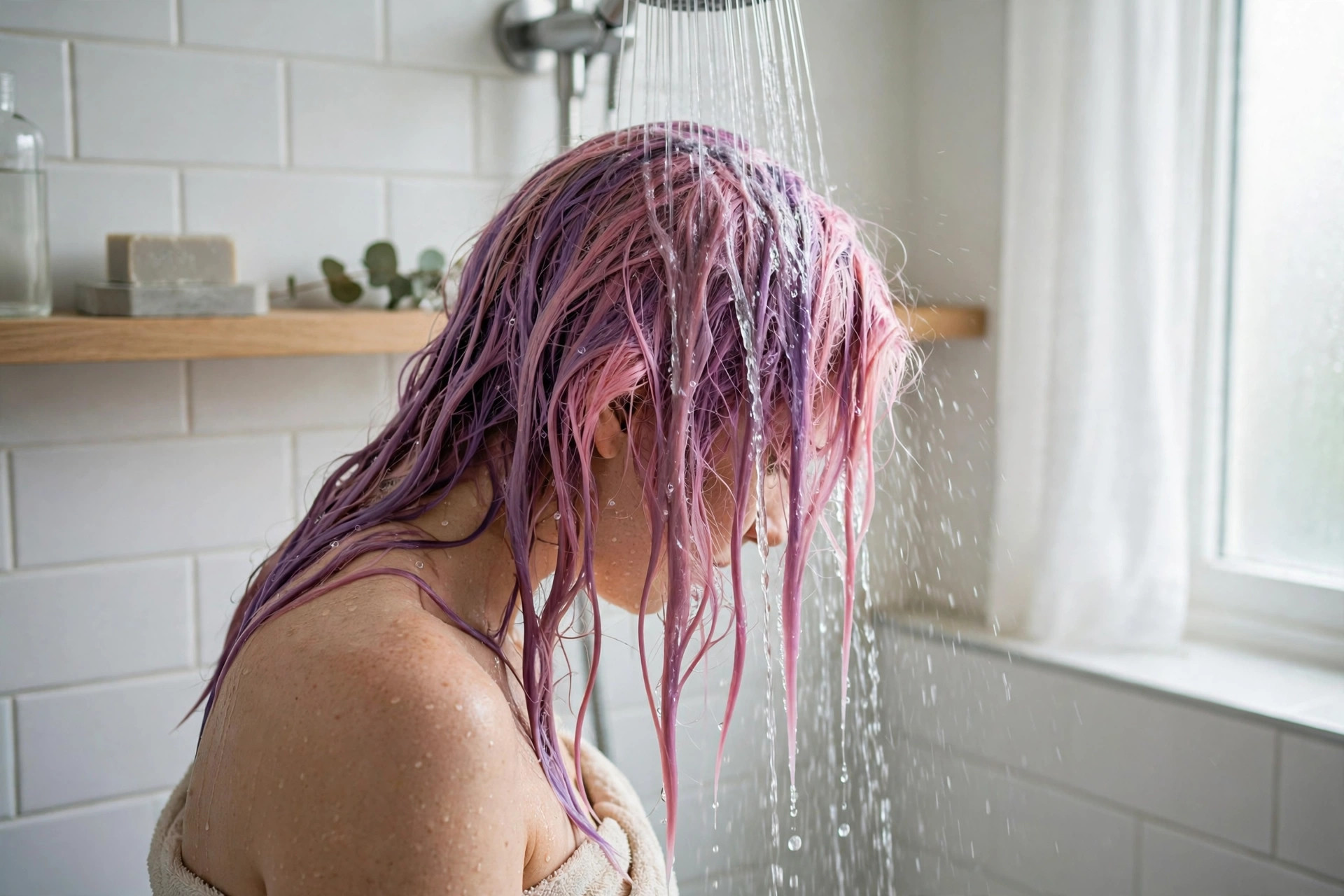
Space out your washes where you reasonably can. Most colored hair does well washing every two to three days rather than daily. If your scalp gets oily in between, dry shampoo can help you stretch an extra day without a full wash. The goal isn’t to avoid washing entirely, just to give the color fewer chances to rinse out.
Use cool or lukewarm water instead of hot water. Hot water opens up the hair cuticle — the outermost layer of each strand — and lets color escape faster. Cooler water helps the cuticle lie flat, which holds color in and keeps hair looking shinier. It also helps to finish with a cool rinse after conditioning.
Be gentle when you do wash. Focus shampoo on the scalp, where oil and buildup collect, and let the lather run down the lengths as you rinse. The ends are the driest, most damaged, and most color-faded part of most people’s hair, so they need less scrubbing, not more. Work conditioner through the mid-lengths and ends, leave it in for a few minutes, and rinse with cool water to seal the cuticle.
How Often Should You Wash Colored Hair?
Most colored hair benefits from washing every two to three days. Washing daily speeds up fading, while going too long between washes can leave the scalp oily and uncomfortable. Dry shampoo on non-wash days can help stretch the gap without a full wash. If the color is fresh, wait before the first wash — see how long to wait to wash hair after coloring.
Choose the Right Products for Colored Hair
Not every shampoo and conditioner on the shelf is safe for color-treated hair. Products made for color-treated hair are gentler and help the color last longer. The difference between semi-permanent and demi-permanent color also matters here, because semi-permanent color fades fastest and needs the gentlest products.
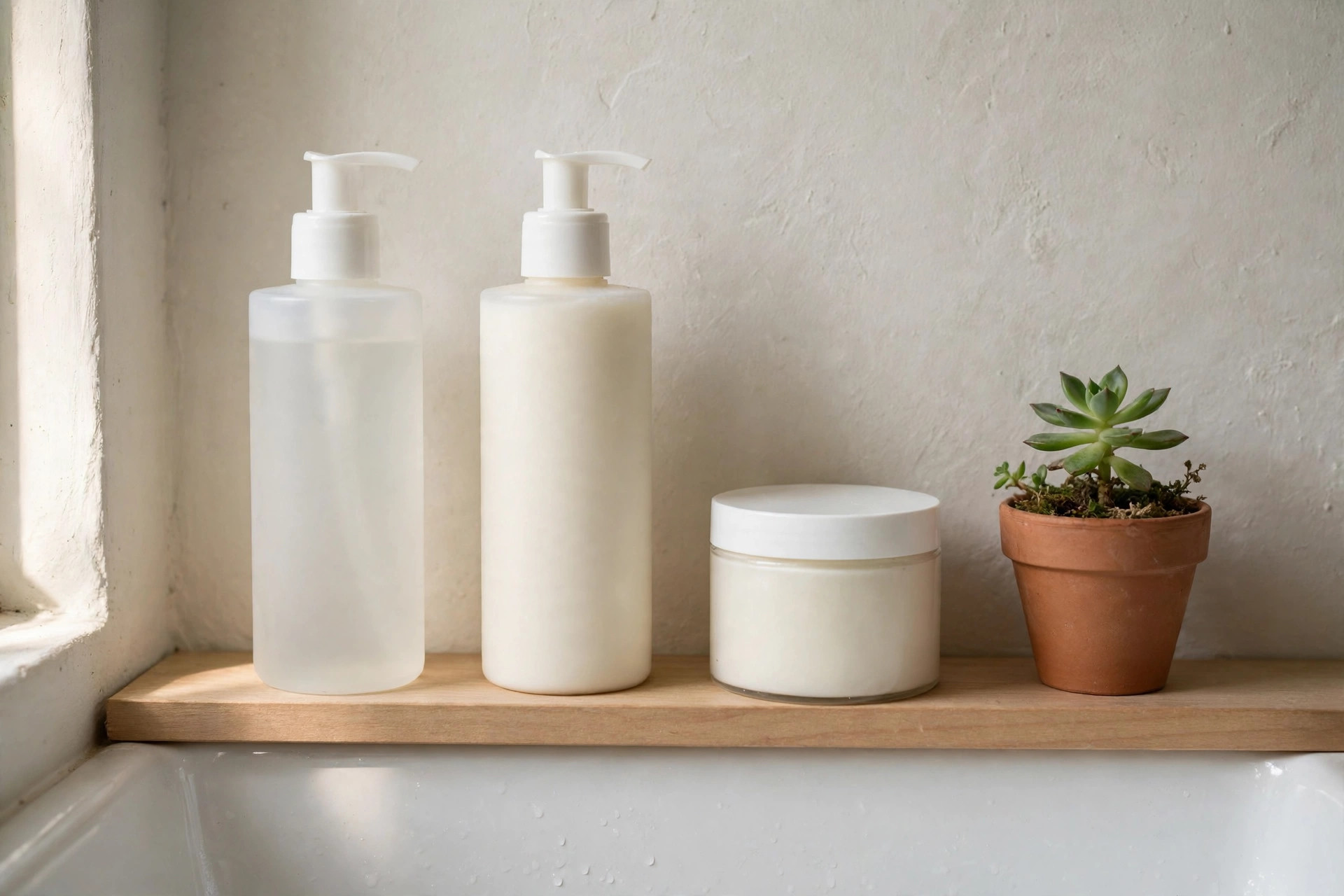
Sulfate-free shampoo is the single biggest upgrade. Sulfates are the strong cleansing agents that make regular shampoos foam up well, but they also strip color out faster. Look for a shampoo labelled sulfate-free, color-safe, or color-protect, and avoid clarifying shampoos for everyday use — they’re meant for occasional deep cleaning, not daily color care.
Look for conditioners and treatments specifically made for colored hair. These tend to be richer and more moisturizing, which helps because coloring can leave hair drier and more porous. A leave-in conditioner or a small amount of hair oil worked through the ends adds shine, cuts down on frizz, and gives the hair a little protection from heat and friction.
Deep conditioning treatments and hair masks are worth using regularly, particularly once a week. They replace moisture that colored hair loses easily and help the hair feel softer and less rough. Color-depositing conditioners and masks can also help between salon visits, adding a small amount of pigment back into the hair so the tone stays true rather than turning dull or brassy. Choose a shade that matches your color and use them about once a week so the tone doesn’t build up unevenly.
Do You Need Special Products for Colored Hair?
Regular shampoo, particularly formulas with sulfates, can strip color faster than a color-safe shampoo. Regular conditioner may not provide enough moisture for color-treated hair either, so a dedicated color-safe conditioner is usually worth it. You don’t need an expensive collection of products — a sulfate-free shampoo and a good conditioner are the foundation, with a weekly mask if your hair is dry.
Protect Color From Heat, Sun, and Chlorine
Outside forces beyond just washing play a big role in fading. UV light breaks down pigment, heat styling opens the cuticle, and chlorine can alter color, especially in lighter hair. Salt water and hard water can also leave hair looking dull and feeling dry. Coloring can also weaken hair if it is done too often — learn whether coloring your hair can damage it before your next appointment.
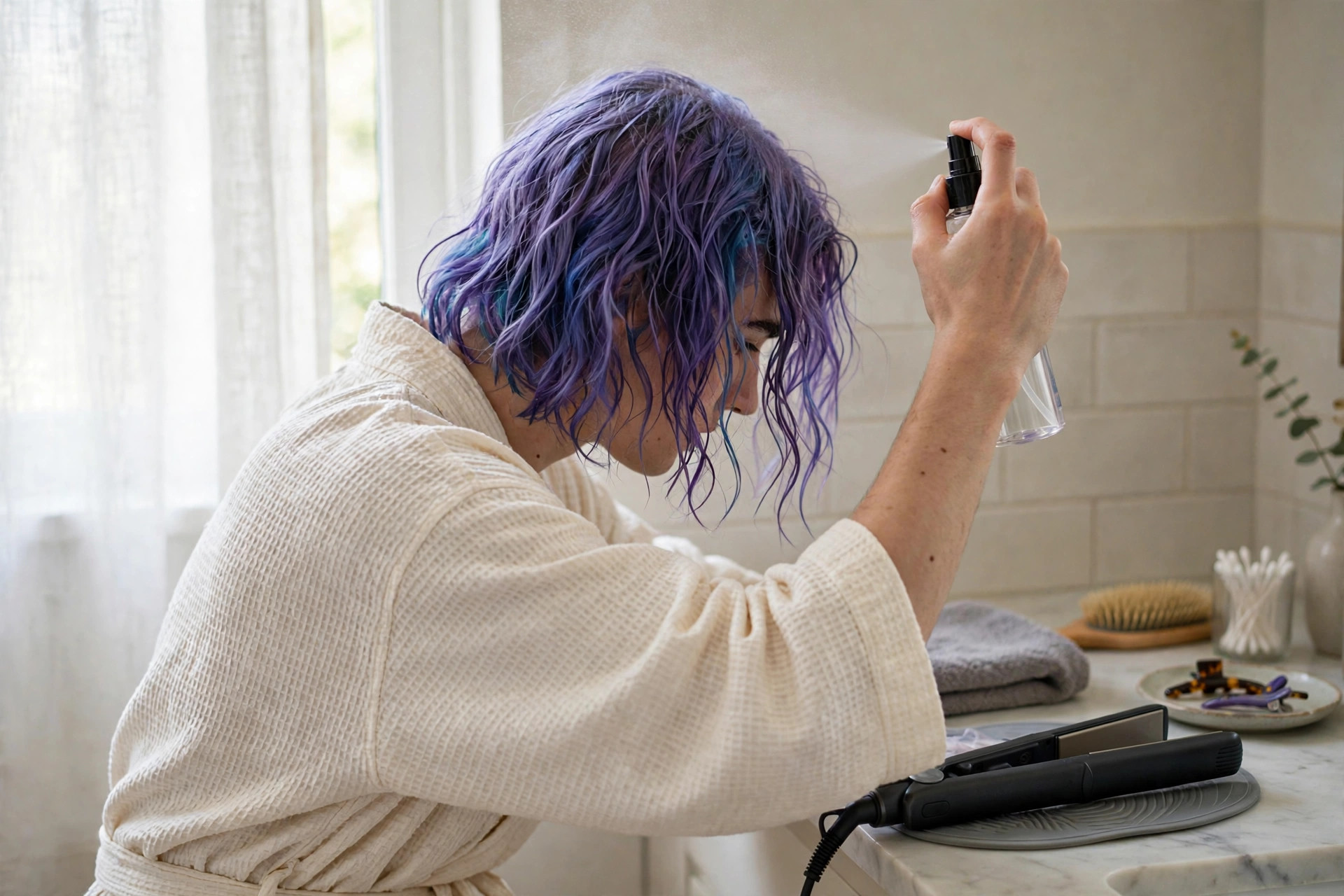
Use a heat protectant every single time you use hot styling tools. Heat protectant sprays and creams form a barrier between your hair and the tool, reducing damage and helping to seal in color. Keep the heat setting as low as you can while still getting the style you want, and avoid going over the same section repeatedly.
Protect hair from prolonged sun exposure, especially in summer or on holiday. A hat, scarf, or head covering is the simplest protection. Leave-in products with UV protection can also help, but a physical cover is more reliable than a spray on its own. Avoid letting color-treated hair sit in strong direct sun for hours.
Rinse hair with clean water before swimming, and apply leave-in conditioner if you have it handy. Wetting the hair first means it absorbs less pool or sea water. After swimming, rinse thoroughly with fresh water and condition well. Chlorine is particularly hard on blonde and lightened hair, where it can leave a greenish tint or dull the color.
How Can You Keep Colored Hair From Turning Brassy?
Brassiness happens when warm, yellow, or orange tones show through as the cooler pigments fade. Purple shampoo can help with blonde or light brown hair, because the purple tones neutralize yellow. Use it once a week or every other wash, and leave it on for a few minutes. For darker hair, a blue shampoo does a similar job against orange tones. Don’t overdo toning shampoo, as it can leave a purple or grey tint if used too often.
Keep Hair Structurally Healthy While It’s Colored
Color care isn’t only about the pigment in the hair — it’s also about the hair itself. Color-treated hair is more porous and prone to breakage than untouched hair, so the structure matters. Stronger, better-moisturized hair holds color better than dry, damaged hair. That gentle approach is the same one the American Academy of Dermatology recommends for fragile hair: a gentle shampoo, moisturizing conditioner after every wash, and the lowest heat setting that still works.
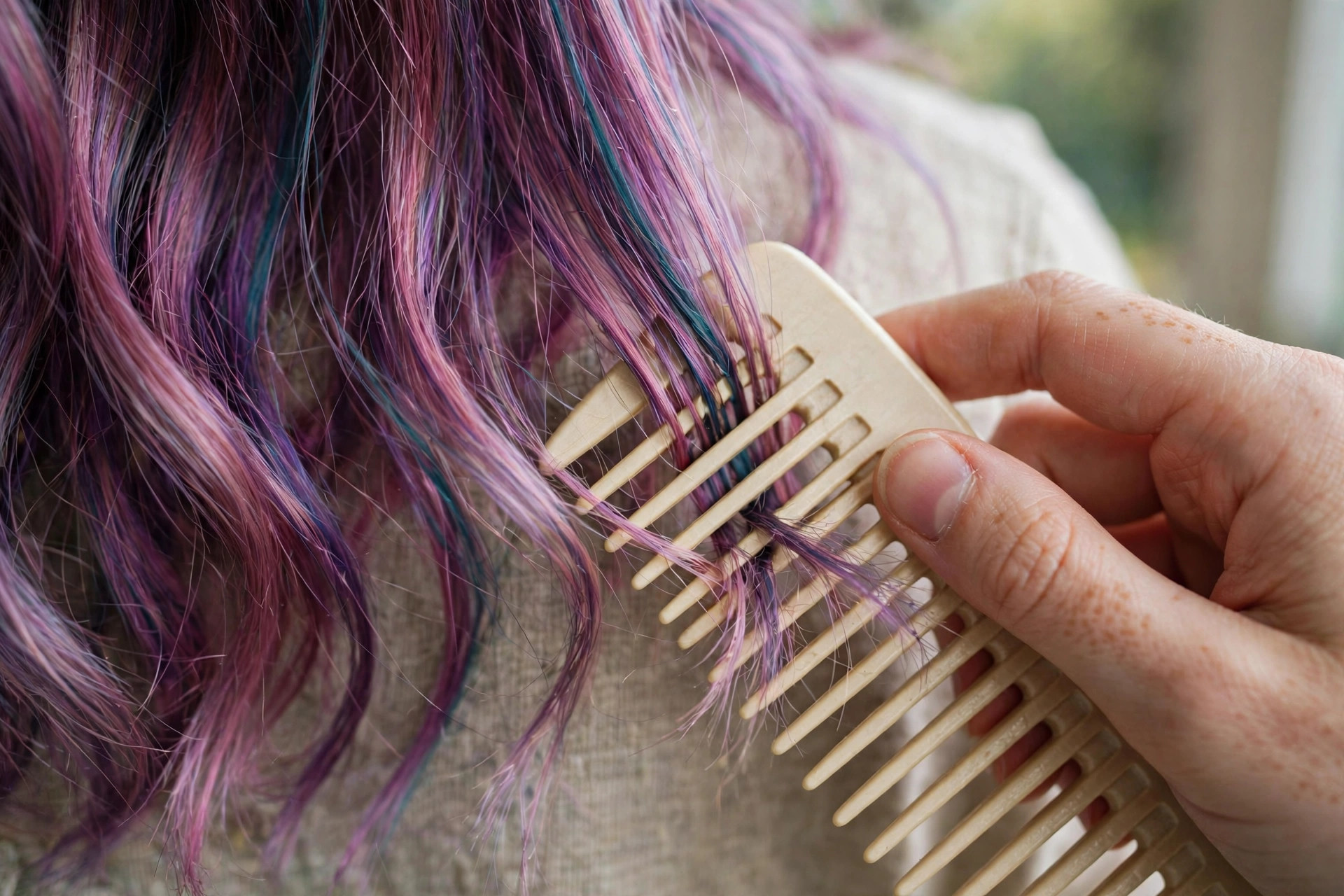
Detangle gently, starting from the ends and working your way up to the roots. Wet hair is fragile, so use a wide-tooth comb or a brush made for wet hair, and be patient with knots. Pulling through tangles from the top down causes breakage and split ends, which make the color look uneven.
Protect hair overnight where you can. A silk or satin pillowcase reduces friction while you sleep, and a loose braid or low ponytail keeps hair from tangling and breaking. Sleeping with wet hair is best avoided, as wet hair is at its most vulnerable and tangles more easily.
Get regular trims, even if you’re actively trying to grow your hair longer. A trim every six to eight weeks is a good guide for most people, and it keeps the ends healthy and stops split ends from travelling further up the strand. Trimming doesn’t make color last longer on its own, but it stops damaged ends from making your hair look tired and faded.
Pay attention to your hair’s protein-moisture balance. Protein treatments can help hair that feels weak or stretchy after coloring, but too much protein can make hair feel stiff and brittle. A monthly protein treatment, alternated with moisturizing treatments, is a good balance for most colored hair. If your hair feels mushy or overly stretchy, it may need protein; if it feels stiff and rough, it probably needs more moisture.
Does Colored Hair Need Trims More Often Than Uncolored Hair?
Colored hair, particularly hair that’s been lightened or bleached, is often more prone to split ends and breakage than uncolored hair. That means trims can be helpful more often, but the exact timing depends on your hair’s condition. Every six to eight weeks is a sensible guide, and shorter intervals can help if the ends are very damaged.
Frequently Asked Questions
1. Can you use regular conditioner on colored hair?
Regular conditioner won’t damage colored hair, but it might not provide the moisture and protection color-treated hair needs. A conditioner formulated for color-treated hair is usually a better choice, as it helps lock in moisture and protect the color from fading.
2. Is it necessary to use a specific shampoo for bleached hair?
Bleached and heavily lightened hair generally benefits from a shampoo made for damaged or color-treated hair. These formulas are gentler and help reduce further damage. Purple shampoo can also be useful for bleached blonde hair to keep brassiness at bay, but it should be used in moderation.
3. Does drinking more water actually help colored hair?
General hydration supports overall hair health, but drinking more water won’t directly prevent color fading or fix damaged hair. It’s one part of overall health, not a direct color-care strategy. Focus on the washing routine, products, and protection habits for the biggest impact on color.
4. Can you still get regular haircuts while growing colored hair?
Yes, regular trims are still worth keeping up with, even when you’re growing your hair longer. Trims remove split ends and keep the hair looking healthy, which helps the color look better. Skipping trims altogether can leave the ends ragged and make the color look uneven.
5. Is it okay to color-treat hair that’s already dry or damaged?
Coloring already dry or damaged hair carries a higher risk of further damage and breakage. It’s better to improve the hair’s condition first with conditioning treatments and trims, or to talk to a professional colorist about the safest approach. If you do color damaged hair, be extra careful with aftercare.
6. How does humidity affect colored hair?
Humidity can cause colored hair, especially curly or wavy hair, to frizz more easily. It can also make the hair feel heavier and less manageable. Using anti-frizz products and keeping the hair moisturized can help, but humidity won’t usually strip the color itself.
7. Does colored hair require different care in winter?
Yes, winter’s dry indoor heat and cold outdoor air can make colored hair drier and more brittle. Using a richer conditioner, wearing a hat outdoors, and avoiding excessive heat styling can help protect color through the colder months.
8. Can over-washing colored hair actually damage it?
Yes, washing too frequently, particularly with hot water and harsh shampoo, can strip color and leave hair dry and brittle. Over-washing removes the natural oils that protect the hair, making it more vulnerable to damage. Sticking to a two to three day washing schedule helps.
9. Is it worth investing in a shower filter for colored hair?
Hard water and certain mineral content can affect color-treated hair, leaving it dull and coated with mineral buildup. A shower filter can help reduce this, but it’s not essential for everyone. If your tap water is very hard, a filter may be worth trying, though a good clarifying treatment now and then can also help.
10. Does colored hair need a different brush or comb?
Colored hair, especially if it’s been lightened, can be more fragile and prone to breakage. Using a wide-tooth comb or a brush designed for wet or fragile hair can reduce breakage. Avoid brushing aggressively, particularly when the hair is wet.