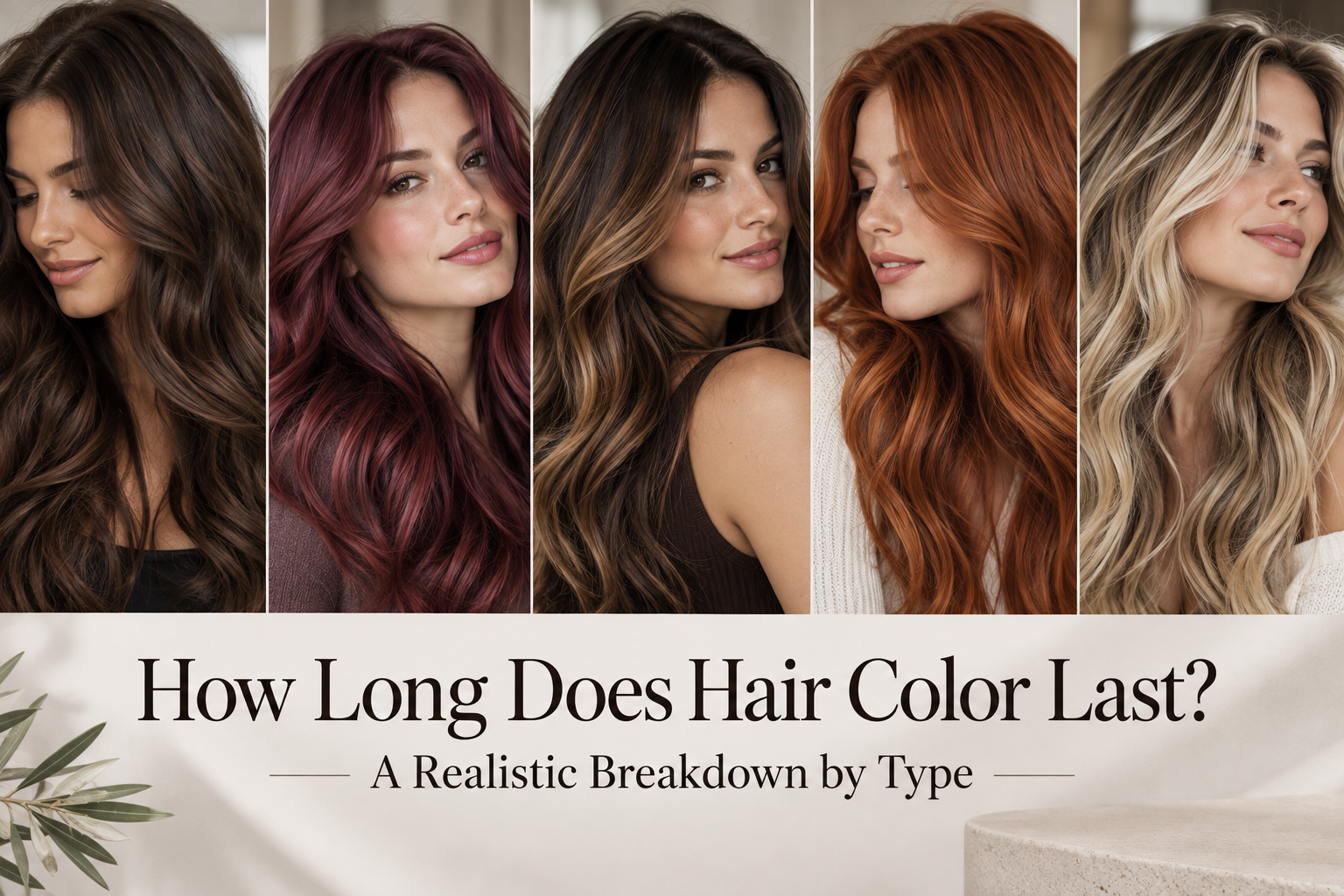
How Long Does Hair Color Last? A Realistic Breakdown by Type
“How long will this actually last?” is probably the first question worth asking before you sit down in a salon chair or crack open a box at home, and it’s also one of the most misunderstood. The honest answer depends entirely on which type of color you’re using, because permanent, demi-permanent, semi-permanent, and fashion colors are built on completely different chemistry with completely different lifespans.
People often get frustrated when a color fades faster than they expected, but in most cases it’s not bad luck. It’s a mismatch between the formula chosen and what that formula was ever designed to do. Once you understand how each type actually works, the fading makes a lot more sense, and so does the maintenance schedule you’ll need going forward.
How Long Does Hair Color Last?
Permanent color doesn’t wash out and instead grows out along with your hair, though it does gradually soften and shift in tone over a few months. Demi-permanent color typically lasts around four to six weeks, semi-permanent color lasts roughly one to three weeks or four to six washes, and vivid fashion colors often fade noticeably within one to four weeks even with good care.
Beyond that general framework, actual longevity swings based on your hair’s porosity, how often you wash, water temperature, sun exposure, and the specific pigments used in a given shade. Reds and vivid fantasy colors, for instance, tend to fade faster than browns or naturally muted tones no matter which formula category they belong to, simply because of how large and unstable those pigment molecules are.
Permanent Hair Color: How Long It Actually Lasts
Permanent color is the only category that genuinely doesn’t wash out on its own. Since it works by opening the cuticle and depositing color directly into the cortex through an oxidative reaction, the resulting color becomes part of the hair strand itself rather than sitting on the surface. That’s why the only way to fully remove it is to cut it off as it grows out, or lift it out chemically with bleach.
That doesn’t mean permanent color looks identical for months on end, though. It fades in a specific, predictable pattern. The artificial pigment molecules gradually break down with sun exposure, washing, and general wear, so a rich chocolate brown might soften into something warmer and slightly lighter over eight to twelve weeks. This is separate from root regrowth, which shows your natural color at the scalp as new hair grows in, typically becoming noticeable somewhere around the four-to-six-week mark for most people.
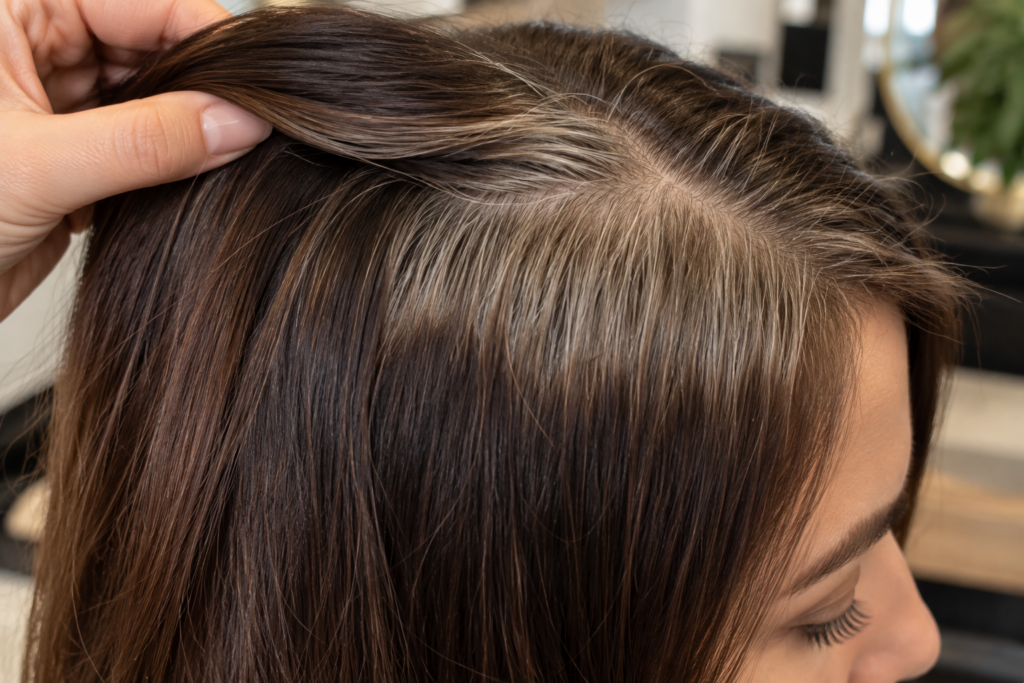
Does Permanent Hair Color Ever Fully Grow Out or Does It Stay Forever?
Permanent hair color stays in the hair strand until that strand is cut off, since it’s chemically bonded inside the cortex rather than sitting on the surface. It doesn’t wash out, but it does soften and shift tone gradually over time, and the only way to fully remove it from existing hair is through cutting, growing it out, or a separate color-removal or lightening process.
Demi-Permanent and Semi-Permanent Color: Realistic Timelines
These two categories get confused constantly, and the naming doesn’t help. They sound similar, but they behave quite differently.
Demi-permanent color uses a low-volume developer, which means it opens the cuticle slightly and deposits pigment into the outer part of the cortex without lifting your natural color. There’s no ammonia involved in most modern demi formulas, which makes it gentler than permanent color, but it still fades out gradually with washing rather than staying put. Most demi-permanent color lasts around four to six weeks, and it’s often the go-to choice for covering the first bit of gray, toning brassiness, or refreshing color between full permanent applications.
Semi-permanent color skips the developer entirely. It’s a direct dye that coats the outside of the hair shaft and deposits into the very outer layer of the cuticle, without any chemical reaction opening the hair up. Because it’s not penetrating as deeply, it fades much faster, typically within one to three weeks or somewhere around four to six shampoos, depending on the specific product and how porous your hair is.
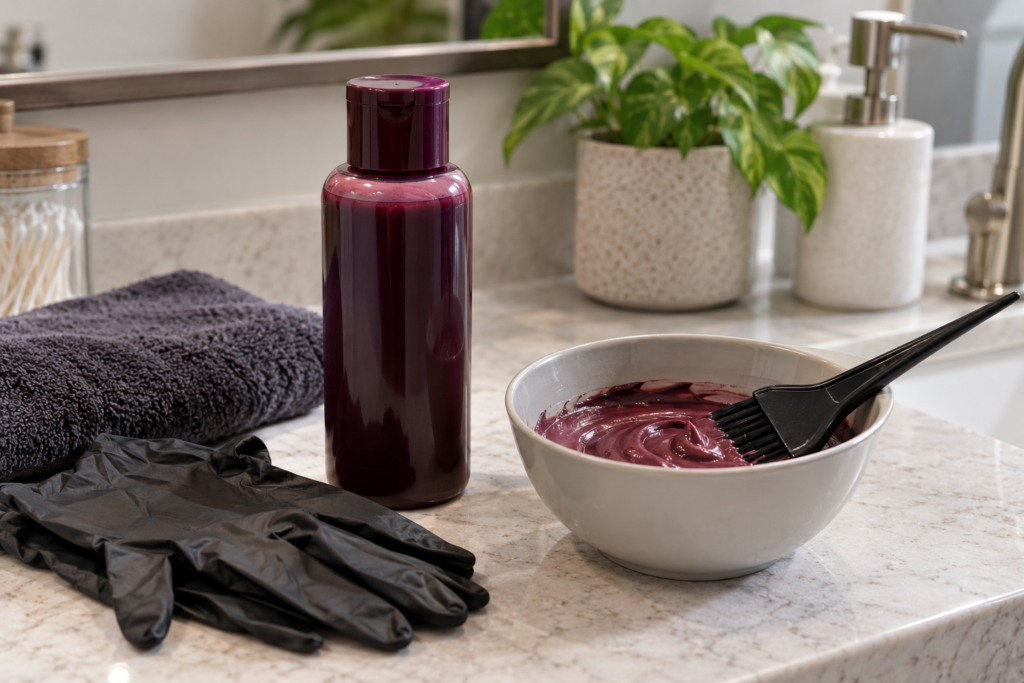
How Many Washes Does Semi-Permanent Hair Color Last?
Most semi-permanent hair color lasts through roughly four to six shampoos before it noticeably fades, though this varies by brand formulation and by how porous your hair is to begin with. Hair with higher porosity, meaning a more open or damaged cuticle, tends to lose semi-permanent color faster because the pigment has an easier time washing back out than it does on smoother, less porous hair.
Fashion Colors and Vivid Shades: Why They Fade So Fast
Bright pinks, blues, purples, and other vivid fantasy colors are almost always semi-permanent or direct dye formulas, which already puts them on the shorter end of the fading timeline. But there’s another reason they fade faster than everyday browns and blondes: the pigment molecules used to create vivid, saturated colors tend to be larger and less stable than the more muted pigments used in natural-looking shades.
Vivid colors also show fading more visibly. A brunette shade softening slightly is barely noticeable day to day, but an electric blue turning teal, or a hot pink fading to a dusty rose, is obvious within a couple of weeks. This is partly a real chemistry difference and partly a perception issue, since any change in a bold color simply stands out more than the same percentage of fade would on a natural tone.
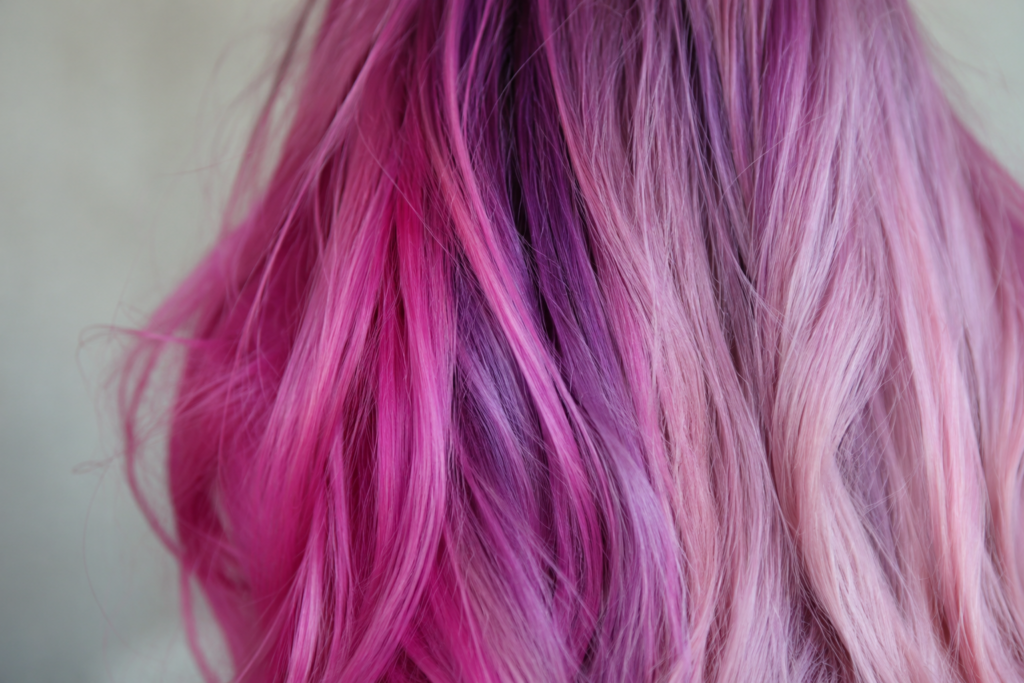
Why Does Red Hair Dye Fade Faster Than Other Colors?
Red hair dye fades faster than most other colors because red pigment molecules are physically larger than the molecules used for brown, black, or blonde tones, which makes them harder for hair to hold onto and easier for washing and UV exposure to break down. This applies to red at every level, from vivid fashion reds to warm auburn permanent shades, which is why red tends to need more frequent refreshing than almost any other color family.
What Actually Causes Hair Color to Fade Faster
A handful of everyday habits speed up fading regardless of which formula you’re using.
Hot water opens the cuticle every time you shower, which makes it easier for color molecules to slip out. Lukewarm or cool water keeps the cuticle laying flatter and helps color stay put longer.
Washing frequency matters more than almost anything else. Every wash is another opportunity for pigment to rinse out, so daily washing fades color noticeably faster than washing two or three times a week.
Sun exposure breaks down color molecules through UV exposure the same way it fades fabric or furniture left in direct light. This is especially relevant for anyone coloring their hair right before a beach trip or a summer spent mostly outdoors.
Chlorine and hard water both affect color retention, chlorine through direct chemical interaction with dye molecules, and hard water through mineral buildup that dulls color and affects how it reflects light.
Heat styling without protection dries hair out and roughens the cuticle over time, which indirectly speeds up color loss even though heat itself isn’t stripping pigment the way water or sun does.
Porosity ties everything together. Hair that’s already damaged or highly porous, often from previous bleaching or heat damage, holds color less effectively across the board, whether that color is permanent, demi, or semi-permanent.
How to Make Hair Color Last Longer
A few consistent habits genuinely extend how long color looks fresh, regardless of which type you’re using.
Wait at least 24 to 48 hours after coloring before washing your hair. This gives the cuticle time to fully close back down around the newly deposited color, which meaningfully improves retention compared to washing immediately after a color service.
Switch to a sulfate-free shampoo formulated for color-treated hair. Sulfates are effective cleansers, but they’re also more aggressive at stripping pigment than gentler surfactant systems.
Reduce wash frequency where you reasonably can, and use dry shampoo between washes if your hair type allows it. Fewer washes directly translates to less pigment loss over the life of the color.
Use a UV-protectant leave-in product or a hat during long stretches of sun exposure, particularly in summer months or during outdoor vacations right after a fresh color.
Deep condition regularly to keep porosity in check. Well-moisturized, smoother hair holds onto color pigment more effectively than dry, rough, or damaged hair.
Consider a color-depositing conditioner or gloss between full color appointments to refresh tone and counteract the early stages of fading before it becomes obvious.
Does Cold Water Really Help Hair Color Last Longer?
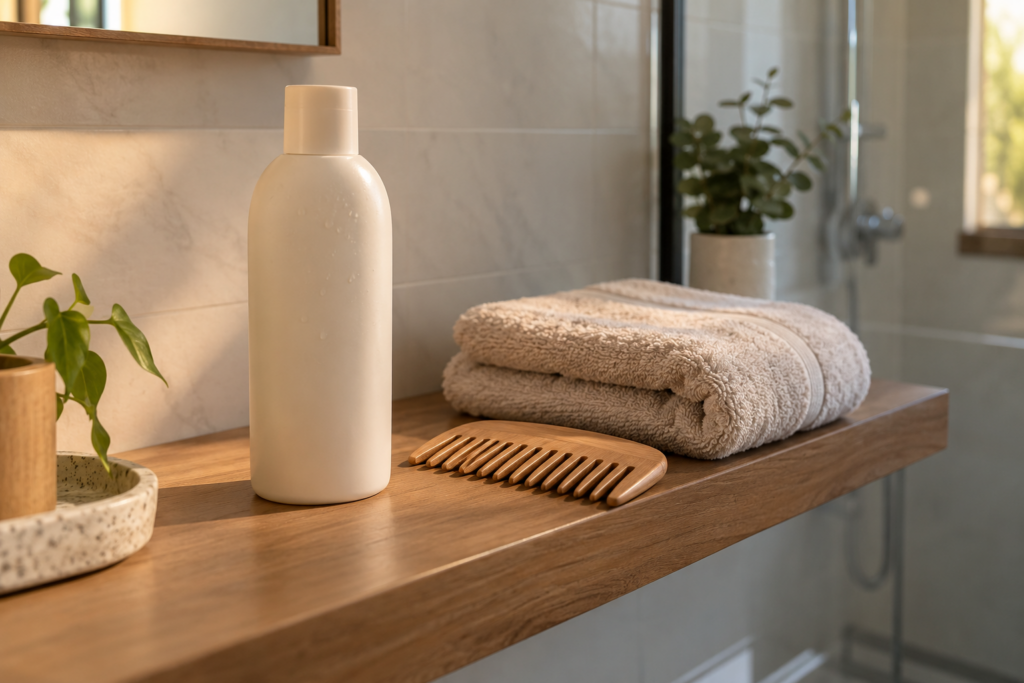
Yes, rinsing hair with cool or lukewarm water instead of hot water helps color last longer because heat opens the hair cuticle, making it easier for color molecules to escape during washing. Cooler water keeps the cuticle laying flatter and closed, which physically helps trap pigment inside the hair shaft for a longer stretch between color services.
Frequently Asked Questions
1. How long does box dye from the drugstore typically last?
Most drugstore box dye is permanent color, which grows out with your hair and doesn’t wash out entirely, though it will soften in tone over roughly two to three months due to gradual fading from washing and sun exposure.
2. Why does my hair color fade unevenly instead of all over?
Uneven fading usually happens because different sections of hair have different porosity levels, often due to previous coloring, heat damage, or sun exposure on the ends versus the roots, which causes some areas to lose pigment faster than others.
3. Does hair color last longer on gray hair or pigmented hair?
Gray hair tends to fade and show regrowth more noticeably than pigmented hair because there’s more contrast between the gray and the applied color, even though the color itself may technically last a similar amount of time on a chemical level.
4. How soon can you wash your hair after coloring without ruining the color?
Waiting at least 24 to 48 hours before the first wash after coloring is generally recommended, since this gives the hair cuticle time to close back down around the new color, which noticeably improves how long that color holds up.
5. Does toner fade faster than regular hair color?
Yes, toner typically fades faster than permanent color because it’s usually a demi-permanent or semi-permanent formula meant to adjust or neutralize tone rather than provide long-term coverage, so it generally needs refreshing every few weeks.
6. Why does hair color fade faster in the summer?
Increased sun exposure, more frequent swimming, and higher water and air temperatures all speed up color fading during summer months, since UV rays break down pigment molecules and both heat and chlorine make it easier for color to wash out of the hair shaft.
7. Does using a color-safe shampoo actually make a noticeable difference?
Yes, color-safe and sulfate-free shampoos are formulated to cleanse without stripping pigment as aggressively as standard shampoos, and consistently using one can meaningfully extend how long color looks vibrant between salon visits or touch-ups.
8. How long does henna hair color typically last?
Henna tends to last considerably longer than synthetic semi-permanent color, often several months, because it coats and stains the hair shaft in a way that resists washing out, though it also grows out gradually and doesn’t fully wash away like other semi-permanent dyes.
9. Can you extend the life of hair color without going back to the salon?
Yes, using a color-depositing conditioner or gloss treatment at home, washing less frequently, using cool water, and protecting hair from sun exposure are all effective ways to stretch time between salon visits without needing a full color refresh.
10. Does hair porosity affect how long color lasts?
Yes, hair with high porosity, meaning a more open or damaged cuticle, tends to lose color faster because pigment molecules have an easier path back out of the hair shaft, while lower-porosity hair generally holds color longer.


