 Global Fashion Trends
How to Style Wavy Hair: A Complete Practical Guide
Wavy hair gets a reputation as the “easy” texture, sitting right between straight and curly, but anyone who actually has it knows that reputation isn’t quite earned. Waves are notoriously hard to pin down. Too much product and they go flat and greasy. Too little and they frizz out into something that isn’t quite wavy and isn’t quite anything else either. Straight-hair techniques don’t fully work, and curly-hair techniques often overdo it.
This guide is built specifically around that in-between nature, covering what actually makes wavy hair behave the way it does, how to style wavy hair day to day and the drying and styling techniques that bring out real wave pattern instead of fighting it into submission or letting it go completely undefined.
How to Style Wavy Hair: The Core Approach
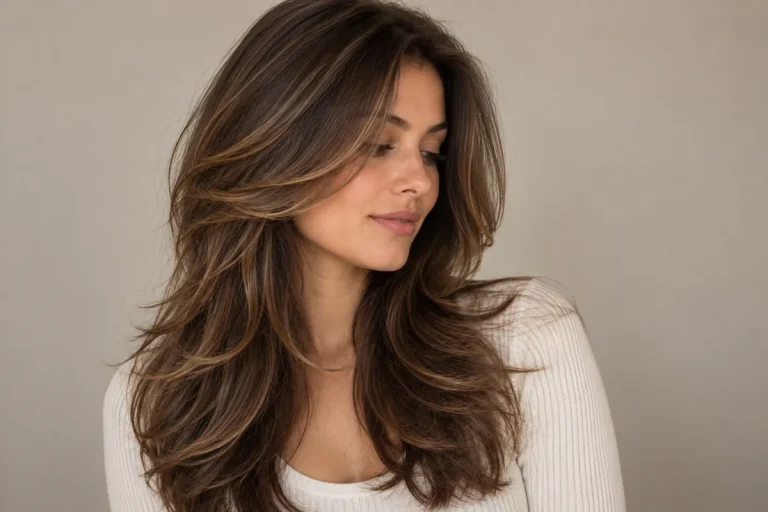
Wavy hair styles best with a light hand on product, application while hair is damp rather than soaking wet, and drying techniques that encourage wave formation without weighing hair down. Unlike curlier textures that often need heavier products for definition, wavy hair usually looks its best with lightweight formulas that add texture and hold without flattening the wave pattern under excess product weight. A layered cut can also help waves form more easily. See our guide to how to style layered hair.
The core tension with wavy hair is finding the right amount of everything. Enough product to define waves and control frizz, but not so much that hair goes limp or greasy. Enough drying assistance to encourage wave formation, but not so much heat or manipulation that it disrupts the natural pattern trying to form. Most wavy hair struggles trace back to getting one side of that balance wrong.
Understanding Wavy Hair’s Unique Challenges
Wavy hair sits on a spectrum, typically classified from 2A through 2C, with 2A being the loosest, most subtle wave pattern, closest to straight hair with just a gentle bend, and 2C being the most defined, closest to loose curls, often showing a more consistent S-shape throughout the length of the hair.
This spectrum matters because styling needs shift noticeably across it. Looser 2A waves often need very little product and can go flat easily under anything heavier than a light mist or serum, while 2C waves behave more like loose curls and can often tolerate, and even need, somewhat richer products to maintain their definition throughout the day.
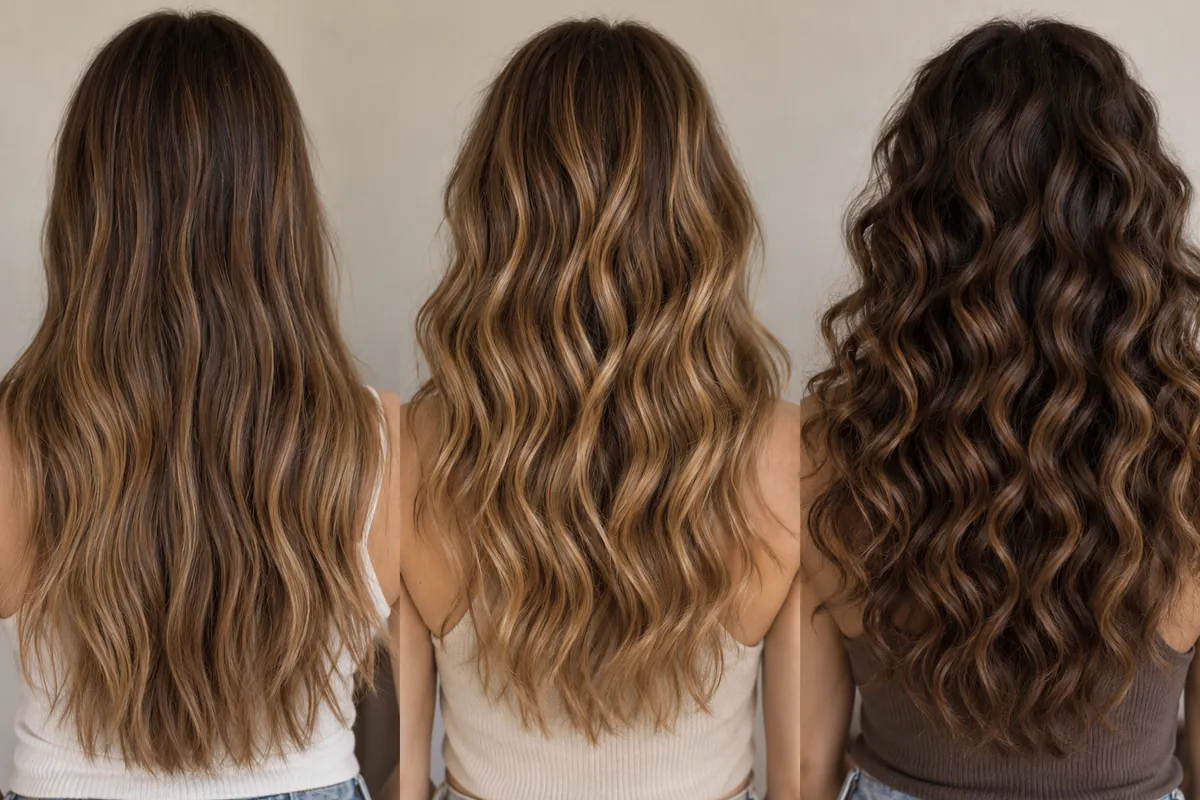
What’s the Difference Between 2A, 2B, and 2C Wavy Hair?
2A hair has the loosest, most subtle wave pattern, often looking nearly straight at the roots with gentle bends appearing mainly toward the ends. 2B hair shows more consistent, defined S-shaped waves throughout the length. 2C hair has the most pronounced wave pattern of the three, often bordering on loose curls, with waves typically starting closer to the root rather than only appearing lower down the hair shaft.
Why Does Wavy Hair Go Flat at the Roots but Frizzy at the Ends?
Roots sit closer to the scalp’s natural oil production, which weighs hair down and reduces the volume and texture that create visible wave pattern near the base. Ends, being the oldest and often driest part of the hair, tend to lose moisture and structure faster, making them more prone to frizz and less able to hold a defined wave shape without extra product or moisture support specifically targeted at that part of the hair.
Washing and Product Routine for Waves
Wavy hair generally does best without daily washing, since natural oils that build up over a day or two often help waves hold their shape better than freshly washed, super-clean hair, which can sometimes feel slippery and struggle to hold texture at all. That said, waves shouldn’t go too long without washing either, since buildup from product or oil can weigh hair down just as much as excess product does.
A lightweight, sulfate-free or gentle shampoo works well for most wavy hair, paired with a conditioner focused on the mid-lengths and ends rather than the roots, where added moisture tends to contribute to that flat, weighed-down look wavy hair is prone to.
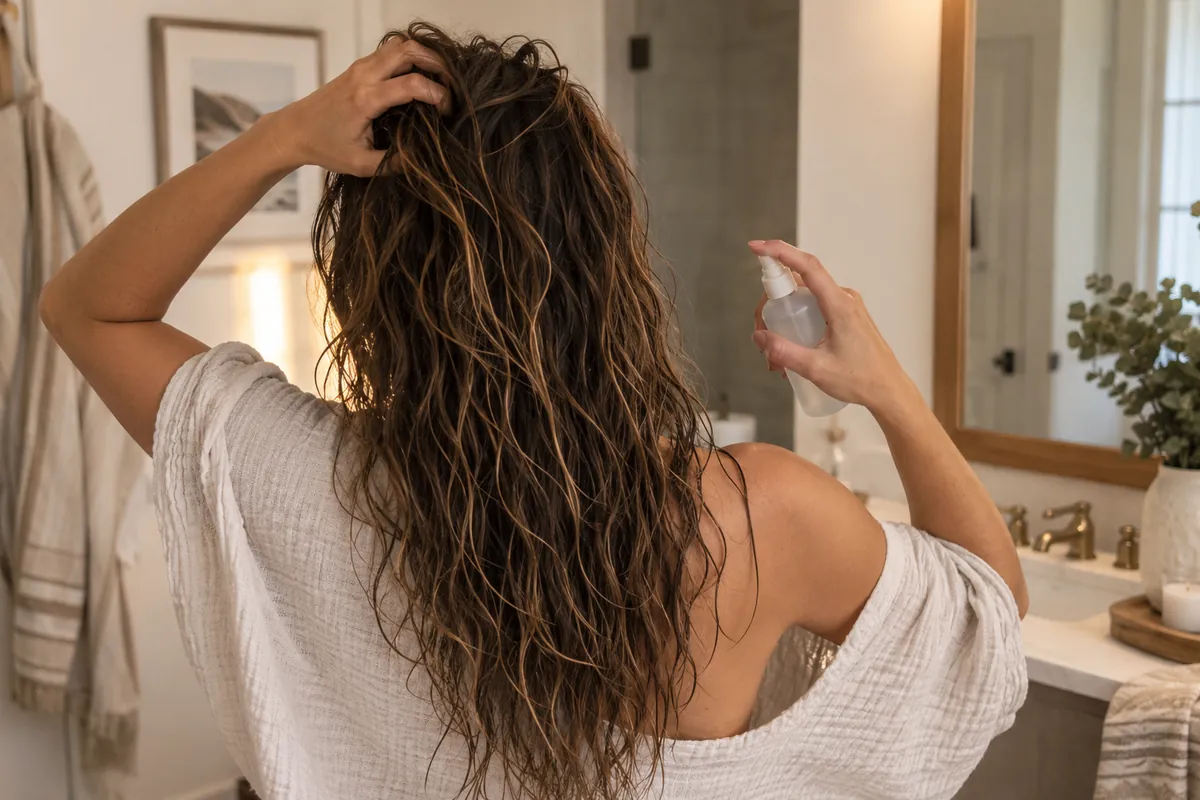
Applying a lightweight styling product, like a sea salt spray, a light mousse, or a small amount of curl cream depending on where your specific wave pattern sits on the spectrum, works best on damp rather than dripping wet hair. Scrunching product upward gently, rather than smoothing it down through the hair, helps encourage wave formation and texture rather than pulling waves out into a looser, less defined pattern.
Drying Techniques That Bring Out Natural Wave Pattern
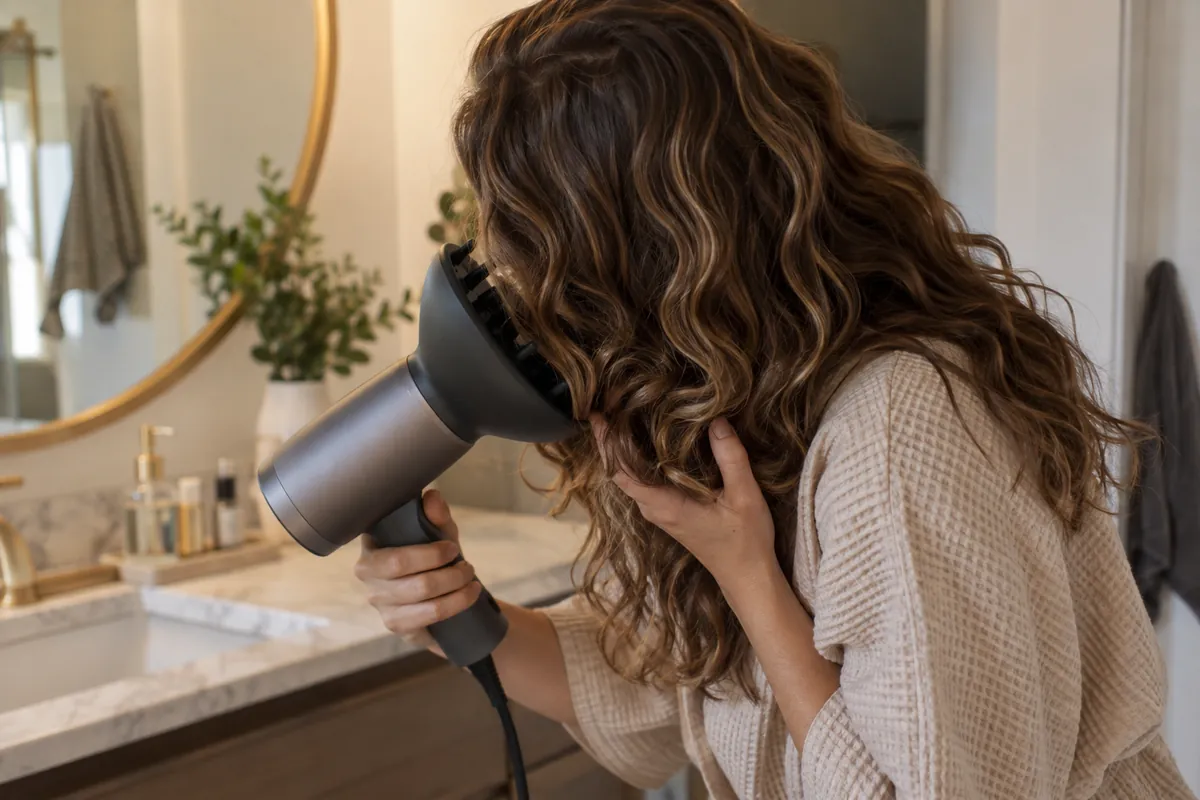
Air drying, either fully or partially before finishing with a diffuser, tends to work well for wavy hair, since it avoids the direct, disruptive airflow of standard blow-drying that can push waves into frizz rather than letting them set into their natural shape.
A diffuser on a low setting can speed up the process while still preserving texture, cupping sections gently rather than aggressively scrunching, similar to techniques used for curlier hair but generally with a lighter touch given how easily wavy hair can be pushed into frizz territory with too much movement or heat.
Scrunching hair gently with a microfiber towel or soft cotton t-shirt while it’s still damp, both to remove excess water and to encourage wave clumping, mirrors curly hair technique but typically needs less aggressive squeezing given the looser, more delicate nature of most wave patterns.
Why Does Wavy Hair Look Better on the Second Day Than Right After Washing?
Wavy hair often looks better on the second day because natural oils redistributed from the scalp add slight texture and weight that helps waves hold their shape, while freshly washed hair can feel slippery and struggle to maintain definition immediately after a wash. This is why many wavy-haired people style their hair the night before or in the morning of day two, rather than expecting the best results directly after washing.
Creating Waves With Heat or Heat-Free Methods
For those with straighter 2A texture wanting more defined waves, or anyone wanting to enhance their natural pattern, both heat and heat-free methods can work well depending on time and preference.
A curling wand or flat iron used on larger sections, wrapping hair loosely rather than tightly, creates soft, natural-looking waves without the tighter curl a smaller barrel or tighter wrap would produce. Alternating the direction of the wrap between sections, some toward the face and some away, helps avoid the overly uniform, “curled” look and creates a more natural, undone wave pattern instead.
Heat-free methods include braiding damp hair before bed and sleeping on it, twisting sections and securing them until fully dry, or using foam or fabric rollers placed strategically through the mid-lengths and ends. All of these rely on damp hair drying in a shaped position, which creates wave definition without any heat exposure at all.
How Do You Get Beachy Waves Without a Curling Iron?
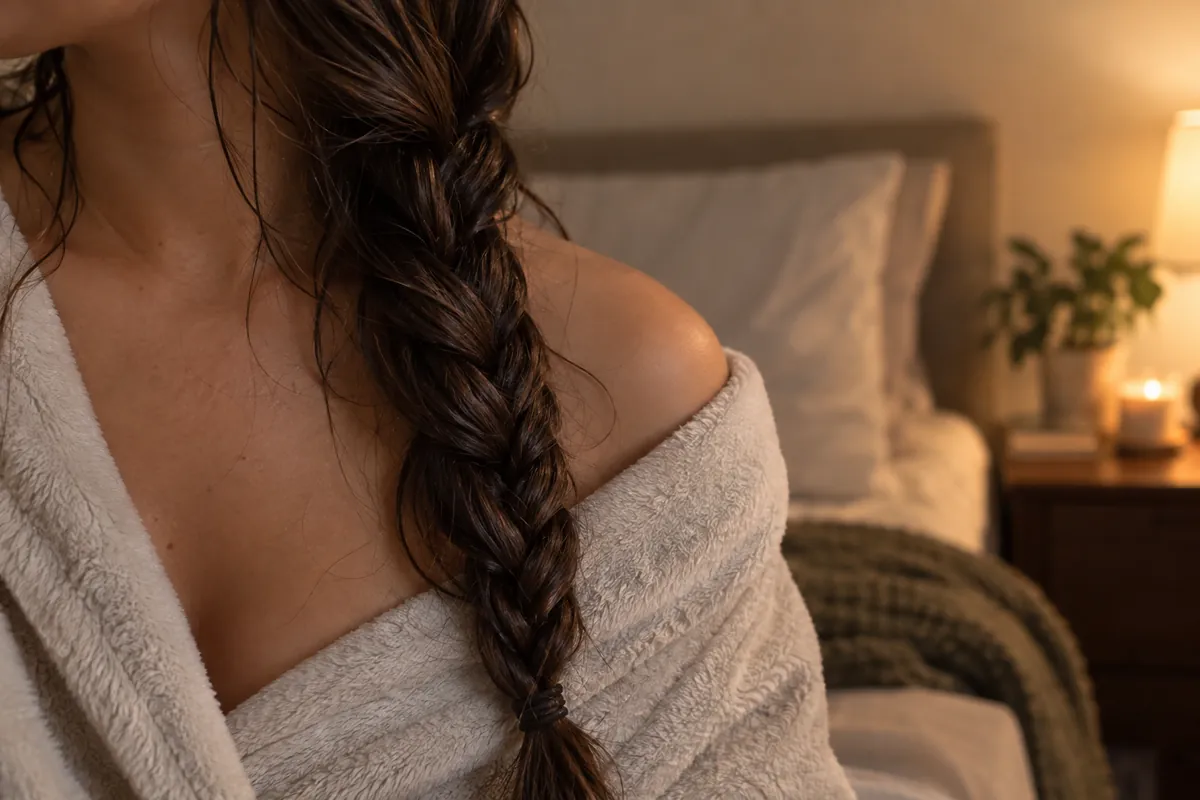
Braiding damp hair into one or two loose braids before bed, then unraveling them once fully dry, is one of the most reliable heat-free ways to create natural-looking beachy waves. Applying a texturizing sea salt spray to damp hair before braiding, and gently scrunching the waves apart with fingers once the braid is removed, helps create that relaxed, textured finish typically associated with beachy waves without any heat tool involved.
Frequently Asked Questions
1. Does wavy hair need a diffuser, or is air drying alone enough?
Air drying alone works well for many wavy hair types and can produce good results, though a diffuser on a low setting can speed up drying time while helping preserve texture and wave definition, particularly useful for anyone with looser waves that tend to lose shape while drying naturally under gravity.
2. Can wavy hair be brushed, or does it need to be detangled differently?
Wavy hair generally does best detangled on wet or damp hair using a wide-tooth comb or fingers, since brushing dry waves tends to break up the pattern and create frizz, similar to curlier hair textures, though waves are often somewhat more forgiving than tighter curl patterns.
3. Why does wavy hair sometimes look different in humid versus dry weather?
Humidity often causes wavy hair to frizz and lose defined wave shape, since excess moisture in the air disrupts the pattern that dried hair originally set into, while dry air can sometimes cause waves to look flatter or less textured due to reduced natural moisture in the hair itself.
4. Is it better to use mousse or gel for wavy hair specifically?
Mousse tends to work well for lighter hold and added volume without much stiffness, making it a popular choice for looser waves, while gel provides stronger hold and more defined texture, often preferred by those with more pronounced 2C waves wanting extra frizz control and definition.
5. Can straight hair be trained to look wavy over time?
Naturally straight hair can’t be permanently changed into wavy hair through styling alone, since wave pattern is determined by hair follicle shape, though consistent use of texturizing products and heat or heat-free waving techniques can create a temporary wavy look on straight hair for as long as the style holds.
6. Does wavy hair need trims as often as straight or curly hair?
Wavy hair generally benefits from trims on a similar schedule to other textures, since split or damaged ends can disrupt wave pattern and make hair look frizzier and less defined than healthy, well-maintained ends would.
7. Why does wavy hair sometimes look wavy in the front but straighter in the back?
Wave pattern can vary across different areas of the same head, often influenced by hair growth direction and how much weight or tension different sections experience, which is a normal variation rather than a sign that something in the styling routine is being done incorrectly.
8. Is it possible to have oily roots and dry ends with wavy hair at the same time?
Yes, this is a common combination for wavy hair specifically, since natural scalp oil doesn’t always distribute evenly down the length of the hair, leaving roots oilier while ends, being older and further from the scalp’s oil production, tend to run drier and more prone to frizz.
9. Does sleeping position affect how wavy hair looks the next day?
Yes, sleeping position and pillowcase material both affect wave pattern overnight, with rougher fabrics like cotton creating more friction and frizz, while a silk or satin pillowcase, along with loosely securing hair before bed, generally helps preserve wave definition better through the night.
10. Can you use the same products for wavy hair year-round, or does it need seasonal adjustment?
Many wavy-haired people find it helpful to use lighter products in humid or warmer months to avoid excess frizz and weight, then switch to slightly richer, more moisturizing formulas in drier or colder months when hair tends to need more hydration and less frizz control.