 Global Fashion Trends
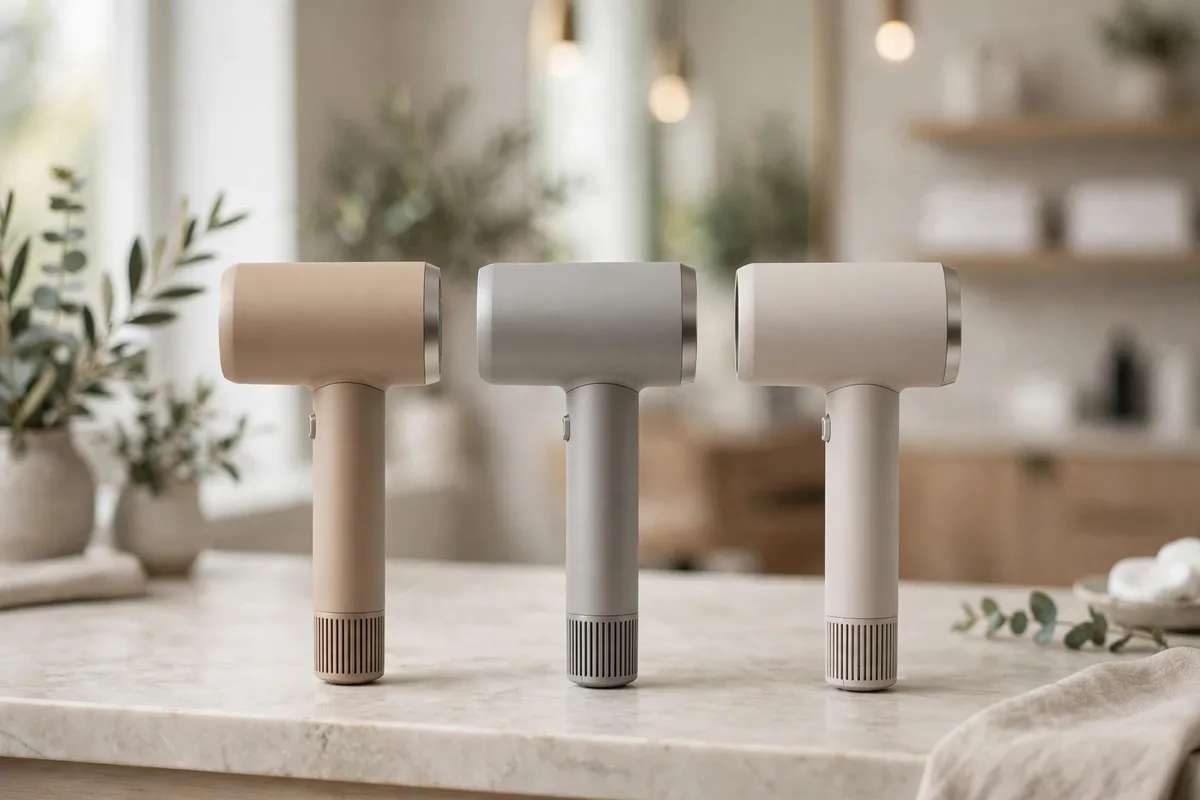
7 Best Hair Dryers for Home Use — Compared
For most people, the Shark SpeedStyle is the pick of the best hair dryers for home use: it dries nearly as fast as the Dyson Supersonic, with smart attachments and a comfortable feel. If you have fine or damaged hair, choose the Dyson Supersonic for its heat control.
Introduction: Why Your Dryer Matters More Than You Think
Most people buy a hair dryer only rarely and never think about it again — until their hair starts breaking, their blowout takes a long time, or their dryer sounds like a jet engine. Here’s the thing: the dryer is the single most-used heat tool in most routines, which means it’s also the biggest source of cumulative heat damage. A good dryer dries faster (less heat exposure), distributes heat more evenly (fewer hot spots that fry sections), and gives you actual control over the result.
This guide compares the seven dryers most worth considering for home use in 2026 — from the Dyson Supersonic everyone asks about to the drugstore workhorses that punch far above their price. No sponsored placements, no fluff: just head-to-head criteria, honest trade-offs, and a verdict for every hair type and budget. Whether you blow-dry daily or twice a week, have baby-fine strands or thick coils, you’ll find your match below — and you’ll understand exactly why it won. And once you’ve picked your dryer, our guide to styling medium-length hair will help you put it to work.
Quick Comparison Table
| Dryer | Wattage | Weight | Heat/Speed Settings | Best For |
|---|---|---|---|---|
| Dyson Supersonic | 1600W | 1.8 lbs | 3 heat / 3 speed | All hair types; tech lovers |
| Shark SpeedStyle | 1750W | 1.7 lbs | 3 heat / 3 speed | Fast drying, Dyson alternative |
| BaBylissPRO Nano Titanium | 2000W | 1.9 lbs | 6 heat/speed combos | Thick, coarse hair |
| T3 Featherweight StyleMax | 1875W | 1.9 lbs | 3 heat / 2 speed | Frizz-prone hair |
| Drybar Buttercup | 1875W | 2.1 lbs | 3 heat / 2 speed | Salon blowouts at home |
| Revlon One-Step Volumizer Plus | 1100W | 1.5 lbs | 4 heat settings | Beginners; simple routines |
| Conair InfinitiPRO | 1875W | 1.8 lbs | 3 heat / 2 speed | Budget all-rounder |
How We Compared Them
Every dryer below was evaluated against the same six criteria: drying speed (how fast it dries medium-density hair), heat control (evenness of heat, intelligent regulation, cool-shot effectiveness), hair health impact (ionic/ceramic tech, damage-minimizing design), noise and comfort (decibels, weight, ergonomics for longer sessions), attachments and versatility (concentrators, diffusers, smoothing tools), and value (what you get per dollar, including warranty). These are curated recommendations based on long-standing reputations, professional stylist consensus, and aggregated buyer feedback — presented as guidance, not lab-tested claims.
Head-to-Head: The Criteria That Actually Matter
Drying speed
Speed isn’t about vanity — it’s about damage. The longer hot air sits on your hair, the more moisture it strips. High-wattage dryers (1800W+) with strong airflow dry thick hair dramatically faster than weak drugstore models. The Dyson and Shark lead here thanks to powerful digital motors; the BaBylissPRO’s 2000W brute force is the fastest of the traditional designs. The Revlon One-Step is slowest in raw airflow but compensates by combining drying and styling in one pass.
Heat damage control
This is where premium dryers earn their price. The Dyson measures air temperature constantly to prevent heat spikes; the T3 uses digital ionic technology to regulate heat evenly. Cheaper dryers can develop hot spots that scorch the same section repeatedly. If your hair is color-treated, fine, or already damaged, heat regulation matters more than raw power — our guide to how long hair color lasts explains how heat accelerates fading, which is worth knowing before you buy.
Noise and weight
You’ll use this tool many times a year, so comfort counts. The Dyson and Shark are notably quieter than traditional dryers thanks to their digital motors. Weight matters too: a 2+ lb dryer gets tiring during a full round-brush blowout, which is why the Revlon One-Step’s 1.5 lbs and the Shark’s balanced design score well for daily users.
Attachments
A concentrator nozzle is non-negotiable for smooth blowouts; a diffuser is essential for curls and waves. The Dyson includes the most engineered attachment set (including a flyaway-smoothing tool), while the Shark bundles clever multi-use attachments. Budget dryers typically include a basic concentrator and diffuser — adequate, not exciting. Layered hair benefits from a concentrator, as our layered hair styling guide shows.
The 7 Best Hair Dryers, Compared
1. Dyson Supersonic
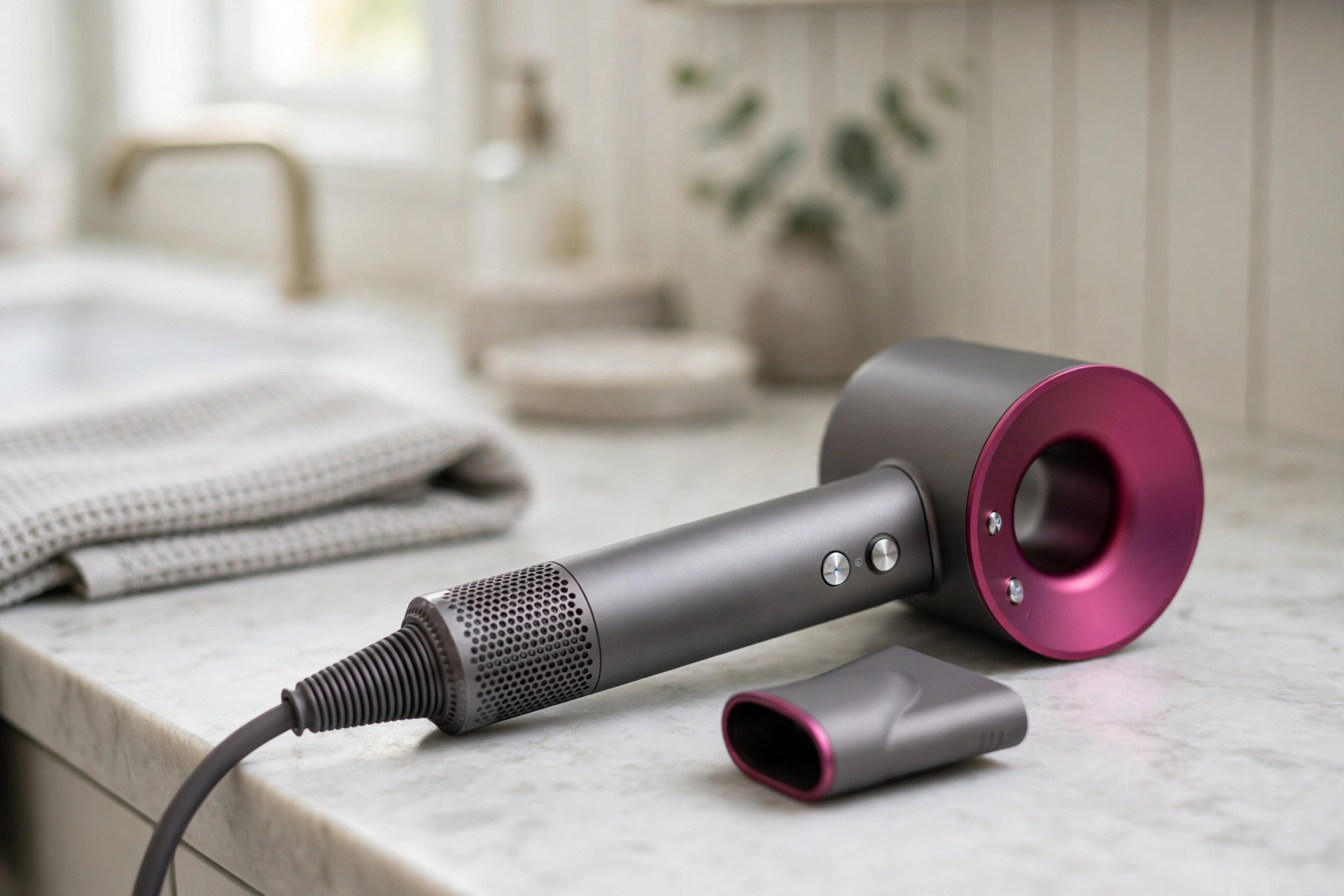
The dryer that changed the conversation. Dyson’s Supersonic moved the motor to the handle for better balance, engineered airflow to dry fast without extreme heat, and built in intelligent heat control that prevents the temperature spikes that damage hair. It’s the quietest full-power dryer here, the attachments are innovative (the flyaway attachment alone is worth the hype for sleek styles), and it dries all hair types quickly. The price is the obvious hurdle — it’s several times the cost of a good mid-range dryer — but for daily users with hair they care about, it’s the benchmark everything else is measured against.
- Intelligent heat control prevents damaging heat spikes
- Fast drying with less reliance on extreme heat
- Magnetic attachments including flyaway smoother and diffuser
- Noticeably quieter than conventional dryers
Pros: best-in-class heat control; fast; quiet; versatile attachments.
Cons: premium price; learning curve with attachments; heavier than it looks.
2. Shark SpeedStyle
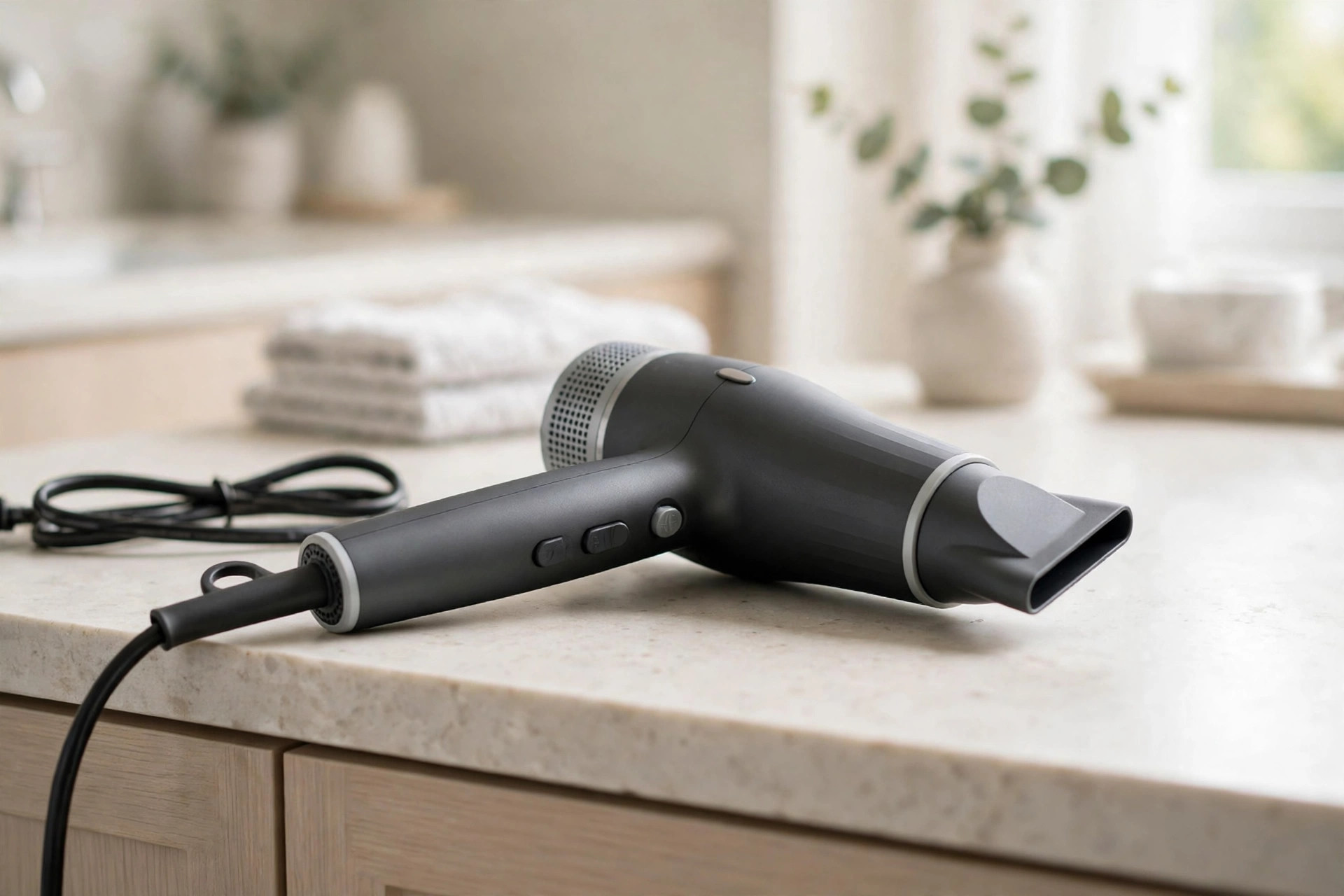
Shark’s answer to Dyson, and a strong one. The SpeedStyle dries nearly as fast, includes clever attachments (including a rapid-gloss finisher), and costs meaningfully less than the Supersonic. It never gets distractingly hot, it’s lightweight and well-balanced, and buyer feedback consistently praises the blowout quality. Where it falls slightly short of Dyson is in refinement — the heat control is good rather than exceptional, and the build feels less premium. But as a value proposition, it’s arguably the smartest buy on this list.
- Near-Dyson drying speed at a lower price
- Smart attachments including gloss finisher
- Lightweight, comfortable for long sessions
Pros: excellent performance per dollar; fast; good attachments.
Cons: heat control a step below Dyson; less premium feel.
3. BaBylissPRO Nano Titanium
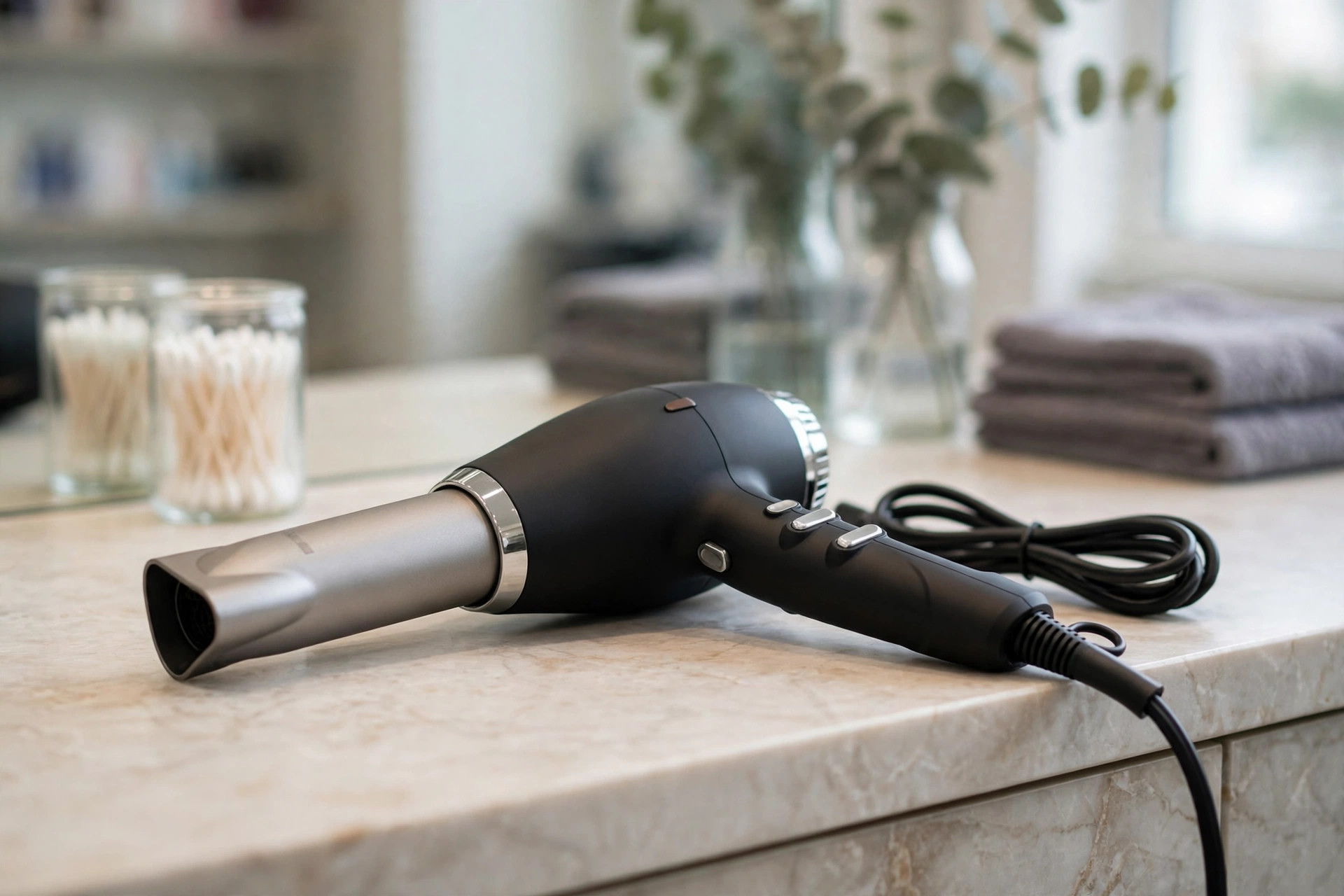
The salon workhorse. Walk into any professional salon and you’ll likely see a BaBylissPRO — the 2000W motor and titanium technology deliver serious power that blasts through thick, coarse, or very long hair faster than almost anything else here. It runs hot, which is both its strength (speed) and its demand (use heat protectant, keep it moving). For fine or damaged hair it’s overkill; for thick hair that takes forever to dry, it’s a revelation. A longtime stylist favorite for a reason.
- 2000W of serious drying power
- Titanium tech for even heat distribution
- Salon-proven durability
Pros: fastest on thick hair; professional pedigree; durable.
Cons: runs hot — not for fine/damaged hair; louder than digital-motor dryers.
4. T3 Featherweight StyleMax
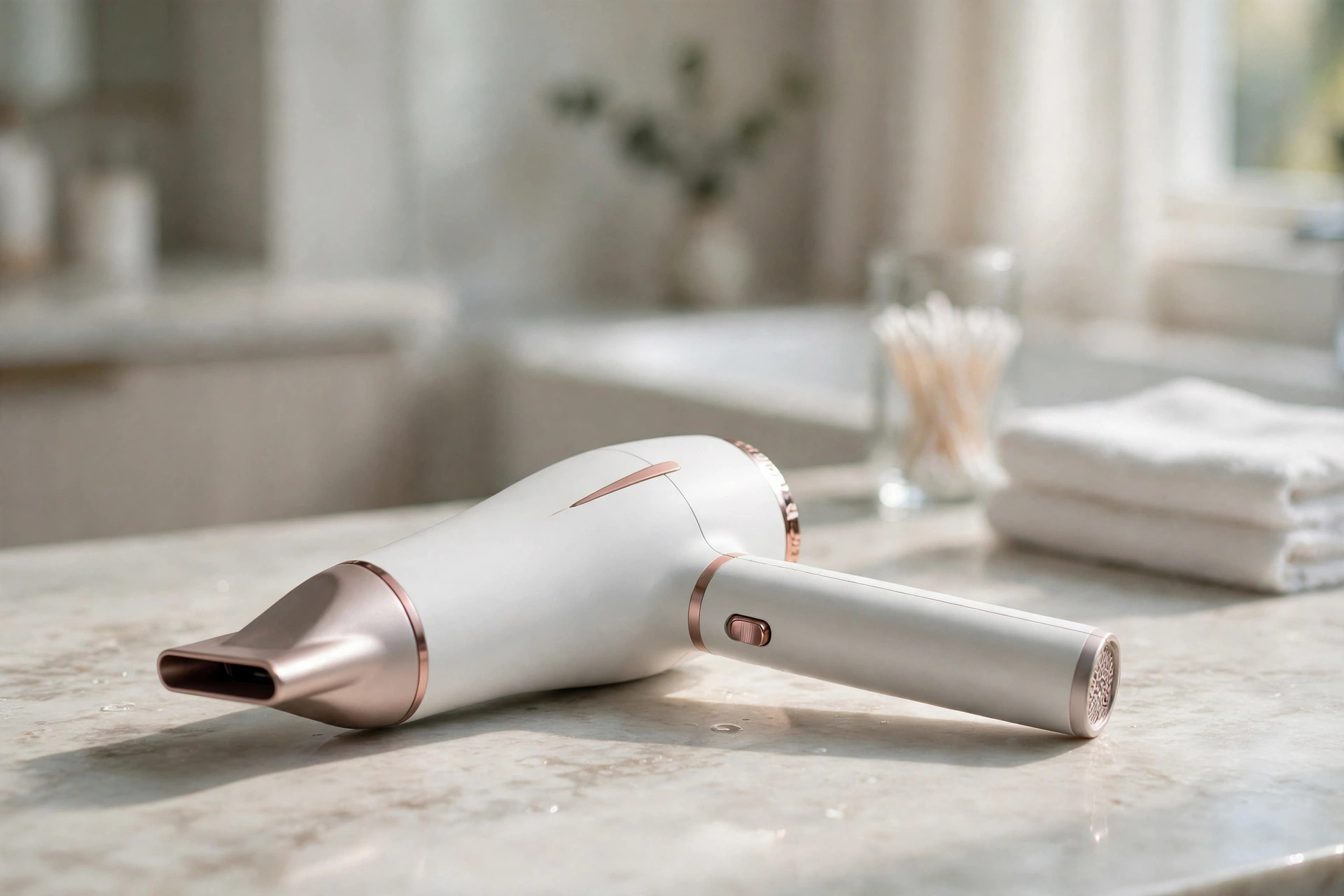
T3’s whole brand is built on fighting frizz, and the Featherweight lives up to it. Digital ionic technology and even heat distribution produce noticeably smoother, shinier results — particularly on frizz-prone, wavy, or humidity-sensitive hair. It’s not the fastest dryer here, but it’s one of the kindest: the airflow feels controlled rather than violent, and the results look polished with less effort. If your main complaint is frizz rather than drying time, this is your dryer.
- Digital ionic tech targets frizz and boosts shine
- Even, controlled heat that’s gentle on hair
- Lightweight “featherweight” design
Pros: best frizz control here; gentle; shiny results.
Cons: not the fastest; premium price for the gentleness.
5. Drybar Buttercup
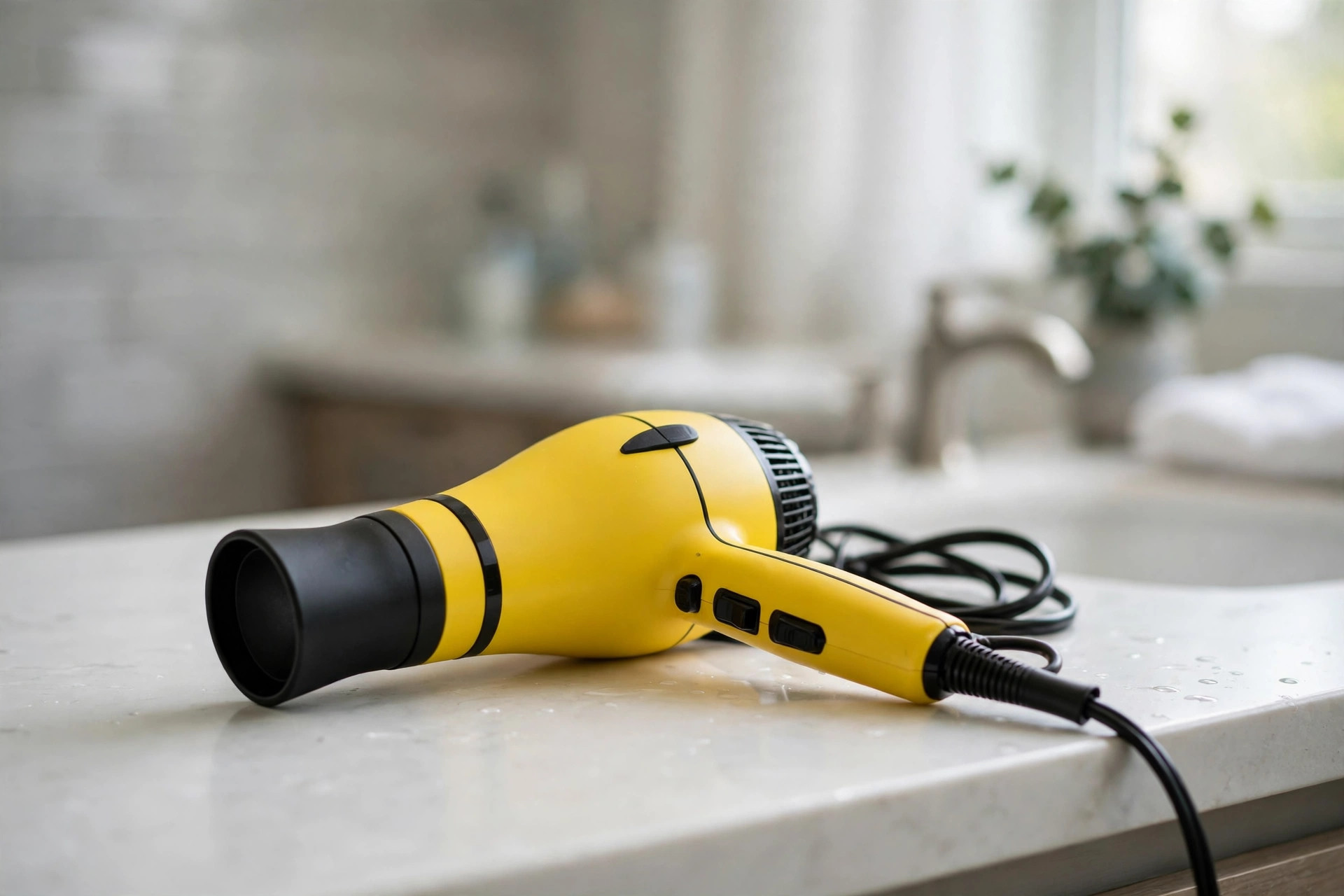
Drybar built a business on the perfect blowout, and the Buttercup is their at-home version: 1875W of ionic power designed specifically for bouncy, voluminous blowouts. It excels at the round-brush routine — strong airflow, good heat options, and a concentrator that actually concentrates. It’s a bit heavier than the digital-motor dryers and louder, but for the dedicated blowout enthusiast it’s a salon-quality tool at a mid-range price. Pair it with our short hair styling guide for bobs that need volume at the roots.
- 1875W ionic dryer tuned for blowouts
- Strong airflow for volume and smoothness
- Wave/heater settings suited to round-brush styling
Pros: blowout specialist; good power; mid-range price.
Cons: heavier; louder; less versatile for curly/wavy routines.
6. Revlon One-Step Volumizer Plus
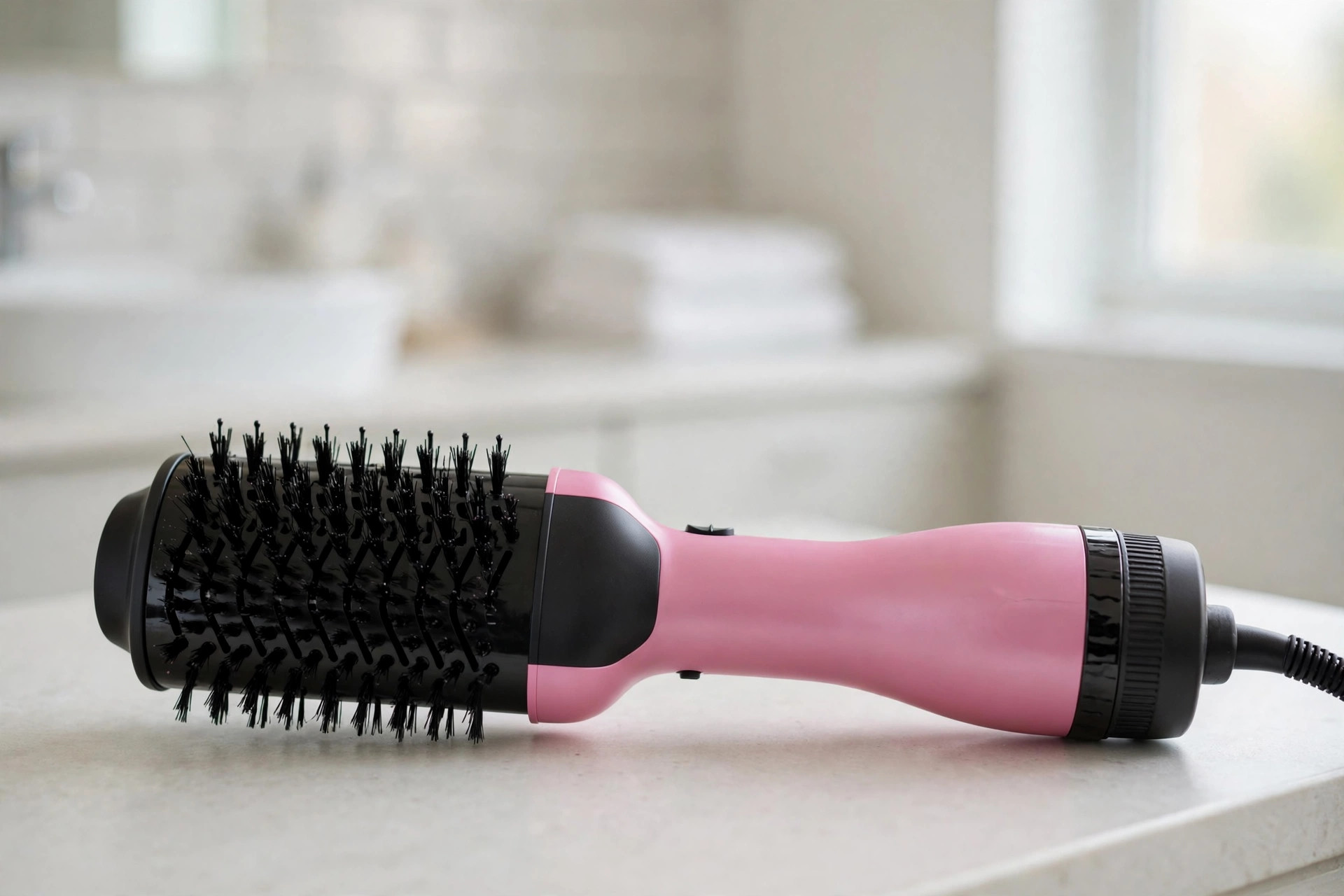
The bestseller that needs no introduction. The One-Step isn’t a traditional dryer — it’s a heated brush that dries and styles simultaneously, which is exactly why millions of people love it: one tool, one pass, done. It’s the simplest path to a smooth, voluminous finish, especially for medium to long hair, and the price is almost absurdly low for what it does. The trade-offs are real, though: it’s bulkier than a brush alone, the heat is less adjustable than a real dryer, and daily use at high heat can stress fine hair. Used sensibly (heat protectant, not every single day on max), it’s the best value in hair styling.
- Dries and styles in a single step
- Easiest tool here for beginners
- Unbeatable price
Pros: simplest to use; great results for the price; fast routine.
Cons: less heat control; bulky; can stress fine hair with daily max-heat use.
7. Conair InfinitiPRO
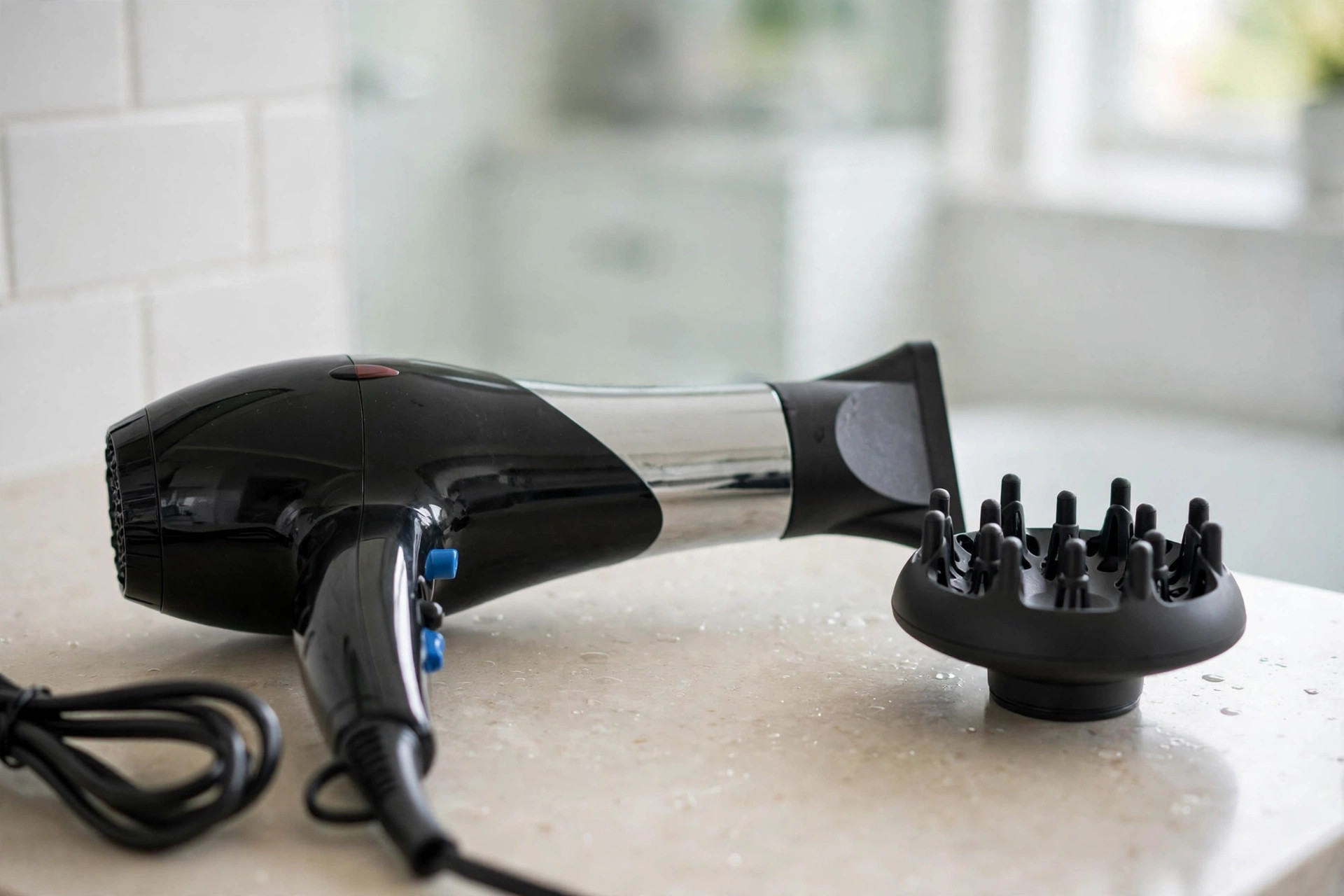
The budget all-rounder that proves you don’t need to spend much for a solid dryer. 1875W, ionic conditioning, three heat settings, and included concentrator and diffuser — on paper, it matches dryers costing three times as much. In practice, the heat is less even, it’s louder, and it won’t last a decade like a BaBylissPRO. But for the price of two salon blowouts, it’s a perfectly capable daily dryer, and it’s the smart pick for guest rooms, college dorms, or anyone who just needs a dryer without the research project.
- 1875W with ionic frizz control
- Includes concentrator and diffuser
- Rock-bottom price
Pros: cheapest capable dryer here; full feature set; widely available.
Cons: louder; less even heat; shorter lifespan than pro models.
Verdict: Which Dryer for Which Hair?
Fine or damaged hair: Dyson Supersonic. The heat control is unmatched, and when your hair is fragile, preventing heat spikes matters more than anything else. The Shark SpeedStyle is the budget-conscious alternative.
Thick, coarse, or very long hair: BaBylissPRO Nano Titanium. Nothing here powers through density like 2000W of titanium heat. Just use a heat protectant and keep the dryer moving.
Frizz-prone or wavy hair: T3 Featherweight. The ionic, even heat is purpose-built for smoothness, and the results speak for themselves in humidity.
Blowout lovers: Drybar Buttercup for the dedicated round-brush routine; Revlon One-Step for the simplest possible version of it.
Best value overall: Shark SpeedStyle. Near-premium performance at a mid-range price — the pick we’d recommend to most people.
Tightest budget: Conair InfinitiPRO. Totally capable, just louder and less refined.
If you’re still torn between two finalists, default to the one with better heat control rather than more power. Controlled heat is the feature you’ll appreciate every single day, long after the excitement of unboxing fades — it’s the difference between a dryer you tolerate and a dryer you love.
One universal tip regardless of dryer: the American Academy of Dermatology’s healthy hair tips recommend letting hair air-dry partially and keeping dryers moving rather than parking heat on one section — good technique protects hair no matter which dryer you buy. And if you’re coloring at home, our guide to choosing hair color is worth a read before your next dye day.
5 Mistakes to Avoid When Buying a Hair Dryer
Most dryer regret comes from buying for the wrong reasons. Here are the traps to sidestep.
1. Buying on wattage alone
Wattage tells you how much power the dryer draws, not how well it dries. A well-engineered 1600W Dyson will outperform a poorly designed 2000W bargain dryer because airflow design, heat distribution, and nozzle engineering matter as much as raw power. Don’t treat wattage as a quality score — treat it as one spec among several. The dryers on this list range from 1100W to 2000W, and the “best” one for you has almost nothing to do with that number in isolation.
2. Ignoring your hair type
The most common mistake: buying the dryer your friend loves when you have completely different hair. Fine, thin hair needs gentle, controlled heat (Dyson, T3) — a 2000W powerhouse will just blast it into frizz. Thick, coarse hair needs the opposite: real power (BaBylissPRO) or you’ll be drying for a long time. Curly hair needs a diffuser and lower velocity. Match the tool to the head it serves, not to the reviews.
3. Skipping the attachments check
A dryer without the right attachments is like a camera with one lens. Before buying, confirm it includes (or offers) a concentrator nozzle for smooth styles and a diffuser if you have any wave or curl. Buying the dryer then discovering the diffuser costs extra — or doesn’t exist for that model — is an avoidable frustration. All seven dryers here ship with at least a concentrator; most include a diffuser option.
4. Forgetting about noise and weight
Specs don’t capture what it’s like to hold a dryer at arm’s length for several minutes every morning. If you style daily, weight and noise are quality-of-life features worth paying for — the digital-motor dryers (Dyson, Shark) are dramatically more pleasant here than traditional designs. If you only dry twice a week, save the money. Be honest about your routine frequency before deciding how much comfort is worth.
5. Expecting the dryer to fix everything
A great dryer improves drying speed, comfort, and heat control — but it can’t compensate for no heat protectant, aggressive brushing of wet hair, or max-heat-every-day habits. Technique still accounts for a huge share of your results. Our medium hair styling guide covers the technique side; pair good habits with a good tool and you’ll see the real difference.
Getting the Most From Your New Dryer
Once the box arrives, a few habits will multiply whatever you spent.
Prep matters more than power
Towel-dry (gently — no rubbing) or air-dry to about 70–80% before the dryer even comes out. You’ll cut drying time dramatically, which means less total heat exposure regardless of which dryer you bought. Apply heat protectant to damp hair every single time — this is the highest-ROI step in all of heat styling, and skipping it undermines even a Dyson.
Section and conquer
The salon secret isn’t a secret: work in sections. Clip hair into 4–6 sections and dry one at a time, keeping the nozzle pointed down the hair shaft (this smooths the cuticle instead of roughing it up). It’s marginally slower per section but much faster overall, because you’re not re-drying the same damp layers repeatedly. For volume, dry roots first with the head flipped; for smoothness, follow each pass with the cool shot.
Maintain the machine
Clean the removable lint filter every month or two — it takes thirty seconds and it’s the single biggest factor in dryer lifespan. A clogged intake forces the motor to work harder, runs hotter, and eventually burns out. Store the dryer with the cord loosely looped, never wrapped tightly around the body (that’s how internal wires break). And if your dryer starts smelling like burning or the heat becomes inconsistent, retire it — struggling dryers damage hair and pose a safety risk.
Know when to upgrade your routine, not your dryer
If your hair still looks frizzy with a good dryer and good technique, the dryer probably isn’t the problem — it might be time to reassess your products, your haircut (split ends won’t smooth no matter what),or whether your color needs attention. Our hair color longevity guide and short hair styling tips can help diagnose what’s actually going on before you spend money on another tool.
When to Replace Your Old Dryer
Not sure whether you actually need a new dryer or just want one? Here are the honest signs it’s time: drying takes noticeably longer than it used to (failing heating elements lose efficiency gradually), the dryer has developed a burning smell or the heat output is inconsistent (safety issue — replace immediately), it’s more than 7–8 years old and lacks modern heat regulation (you’re taking more damage than necessary every session), or it’s so loud and heavy you avoid using it (a tool you dread using is a tool that isn’t serving you). On the other hand, if your current dryer is under five years old, dries efficiently, and your hair is healthy — save your money. The upgrade itch is real, but a working dryer plus good technique beats a new purchase you didn’t need. When you do upgrade, the comparison table at the top of this guide is your shortcut back to the right pick.
Frequently Asked Questions
Is an expensive hair dryer actually better?
Up to a point, yes — and the point is heat control, not just power. Premium dryers regulate temperature to avoid the heat spikes that damage hair, dry faster (meaning less total heat exposure), and tend to be quieter and better balanced. Whether that’s worth several times the price depends on how often you dry your hair and how much you care about its condition.
What wattage should a good hair dryer have?
For most home use, 1800–2000W is the sweet spot — enough power to dry efficiently without excessive heat. Below 1500W, drying takes noticeably longer (more cumulative heat exposure). Above 2000W is salon territory and usually unnecessary at home. Note that wattage measures power draw, not drying quality — airflow design and heat control matter as much.
Are ionic dryers better for hair?
Ionic technology breaks water droplets into smaller particles that evaporate faster, which can mean quicker drying and less frizz for many hair types. It’s a genuine, if modest, benefit — not marketing fiction, but not magic either. Most mid-range and premium dryers now include it as standard.
How do I minimize heat damage when blow-drying?
Use a heat protectant every time, keep the dryer 6+ inches from hair and constantly moving, dry on the highest speed with medium (not max) heat when possible, and finish with the cool shot to set the style. Rough-dry to 80% before doing precision work with a brush — less focused heat time means less damage.
Dyson vs Shark — which should I buy?
The Dyson Supersonic has the edge in heat control precision, build quality, and attachment engineering; the Shark SpeedStyle gets you most of the performance for significantly less money. If budget is no object, Dyson. If you want the smart buy, Shark. Most people will be delighted with either.
Is the Revlon One-Step bad for hair?
Not inherently — but it’s easy to misuse. The combination of heat and tension (brushing while heating) can stress hair if used daily on the highest setting, especially fine hair. Use heat protectant, choose a lower heat setting when you can, and give hair rest days. For many people it’s a perfectly fine daily tool used sensibly.
How long should a hair dryer last?
A quality dryer lasts 5–10 years with normal home use; professional models like BaBylissPRO are built for daily salon punishment and tend to last longest. Budget dryers typically last 2–4 years. Clean the lint filter regularly — clogged intakes are the #1 killer of dryers, causing overheating and motor burnout.
Do I need a diffuser?
If you have curly or wavy hair and want to dry it without destroying the curl pattern, yes — a diffuser is essential, not optional. It spreads airflow over a wider area at lower velocity so curls dry in their natural shape. For straight hair it’s unnecessary. Most dryers here include one or offer it as an accessory.
Can a good dryer replace heat protectant?
No. Even the gentlest dryer is still applying significant heat, and protectants reduce moisture loss and cuticle damage in ways hardware can’t. Think of it this way: the dryer determines how much heat your hair takes; the protectant determines how well your hair handles it. Use both — Allure’s styling coverage consistently echoes this advice from professional stylists.
Conclusion
There’s no single “best” hair dryer — there’s the best dryer for your hair, your routine, and your budget. The Dyson Supersonic is the technical champion, the Shark SpeedStyle is the smart money, the BaBylissPRO is the thick-hair powerhouse, and the Revlon One-Step remains the people’s champion for simplicity. Whatever you choose, pair it with good technique and heat protectant, and your hair will thank you every single morning. That’s the real comparison that matters — not specs on a page, but how your hair looks and feels a year from now. Take the verdict that matches your hair type, check the table once more for the specs you care about, and buy with confidence. Your future self — the one with faster mornings and healthier ends — will be glad you did the research.