 Global Fashion Trends
How to Remove Hair Dye From Skin, Sink, Tub & Carpet Safely
Hair dye has an impressive ability to end up everywhere except the section of hair you were trying to color.
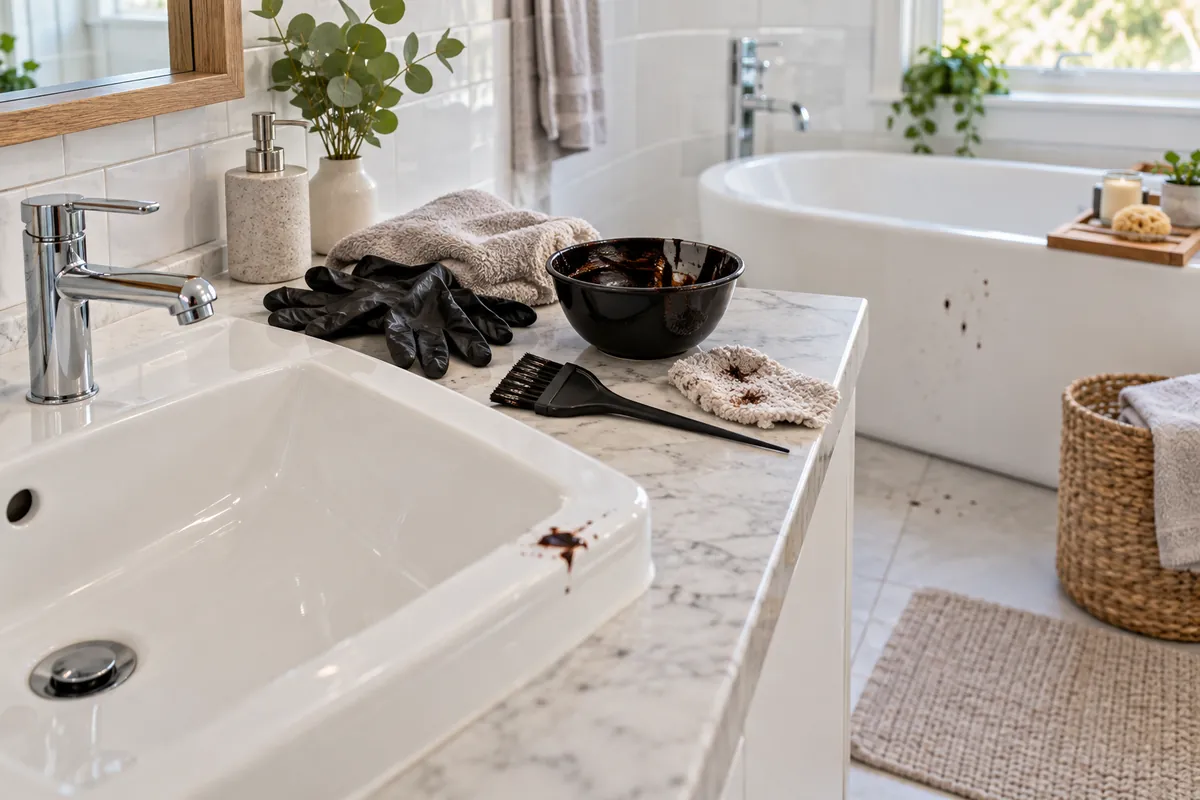
A tiny streak appears along the forehead. A drop lands beside the sink drain. Another reaches the bathtub, and somehow a dark spot turns up on the bath mat or carpet several feet away.
Fresh dye is usually much easier to remove than a stain that has had time to dry, but the right cleaning method depends heavily on what has been stained. Skin can tolerate only gentle treatment. Porcelain and glazed ceramic are tougher, but some sink and tub materials scratch or discolor easily. Carpet introduces an entirely different problem because rubbing can push pigment deeper into the fibers.
The best approach is to identify the surface first, start with the mildest effective method, and increase cleaning strength only when necessary.
How to Remove Hair Dye From Skin
Fresh hair dye on skin is usually easiest to remove with warm water, mild soap, cleansing oil, petroleum jelly, or another gentle oil-based cleanser. Work slowly rather than scrubbing aggressively. Most staining around the hairline fades naturally as the outermost skin cells shed, so there is rarely a reason to irritate your skin trying to remove every trace immediately.
Start as soon as you notice the stain.
Wet a soft washcloth or cotto
If you’re coloring your hair at home, these stain removal tips will come in handy.
For dye that’s already in your hair, learn how to strip hair dye color safely.
n pad with warm water and a gentle cleanser, then massage the area using small circular movements.
Hair dye around the forehead and ears often lifts surprisingly well while it is still fresh.
If soap alone does not remove it, try an oil-based method. Cleansing oil, mineral oil, baby oil, or a small amount of petroleum jelly can help loosen dye sitting on the skin.
Apply a thin layer and let it sit briefly before gently wiping it away.
Oil is particularly useful around the hairline because dye pigments and oily residue often lift together without the friction caused by heavy scrubbing.
Follow with mild soap and water so the skin does not remain greasy.
Avoid getting cleansers into the eyes.
The eyelids and area immediately around the eyes should be treated especially carefully. If dye enters the eye itself, rinse thoroughly with clean water and follow the product’s safety instructions rather than experimenting with household stain removers.
How Do You Remove Dried Hair Dye From Skin?
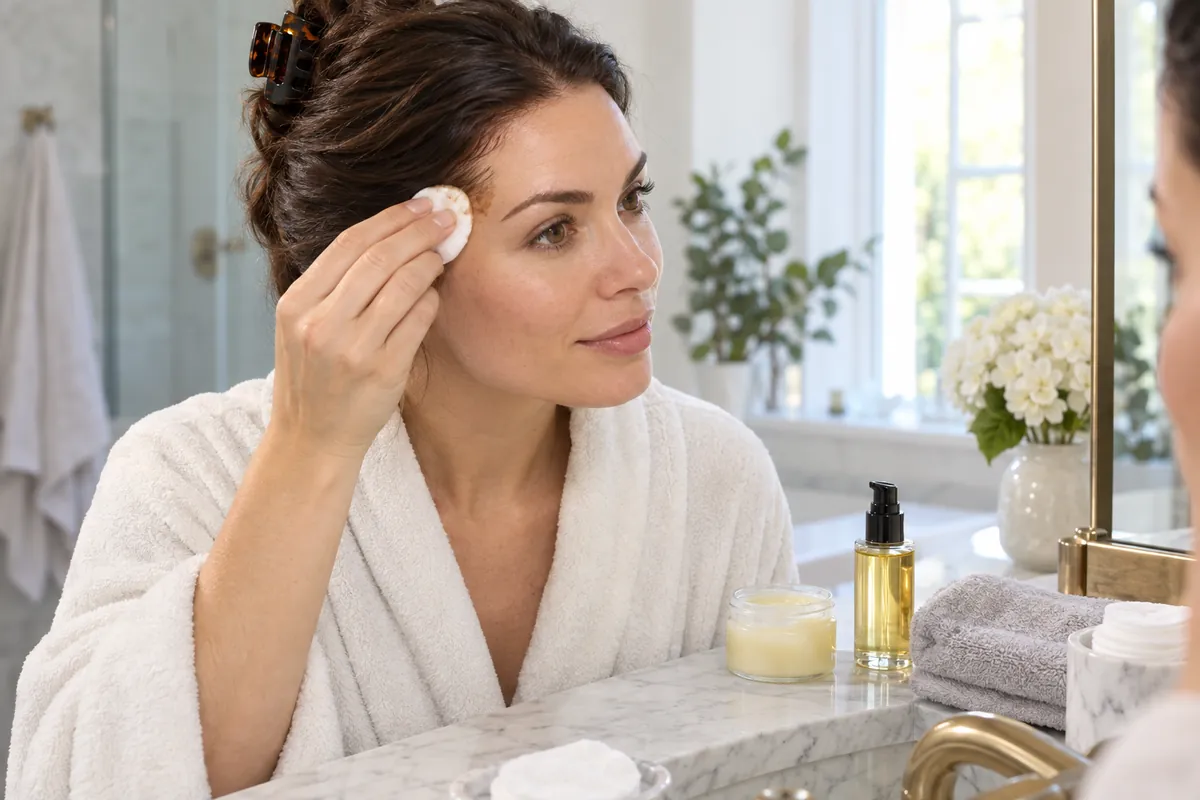
Dried hair dye usually takes more patience than fresh color. Soften the stained area with warm water, then massage it with an oil-based cleanser or petroleum jelly before washing gently. Repeat if necessary rather than using harsh scrubs, household bleach, or aggressive solvents, which can irritate or injure skin.
A mild facial cleanser may be enough for stains around the forehead.
For the hands, a gentle exfoliating hand wash can help because the skin is thicker, but avoid scrubbing cracked, irritated, or freshly shaved skin.
Hair dye on the nails may linger longer than dye on surrounding skin, especially around dry cuticles.
Soaking the fingertips briefly in warm soapy water and using a soft nail brush can help.
Do not scrape the skin or repeatedly scrub until it becomes red.
A faint stain that remains after cleaning will often become much less noticeable after normal washing over the next day or two.
The easiest solution is prevention.
Before coloring, apply a thin barrier of petroleum jelly or thick moisturizer around the hairline, tops of the ears, and other areas where color commonly transfers. Keep the barrier off the hair itself so it does not interfere with color coverage.
Wear gloves for the entire application, including rinsing.
How to Remove Hair Dye From a Sink
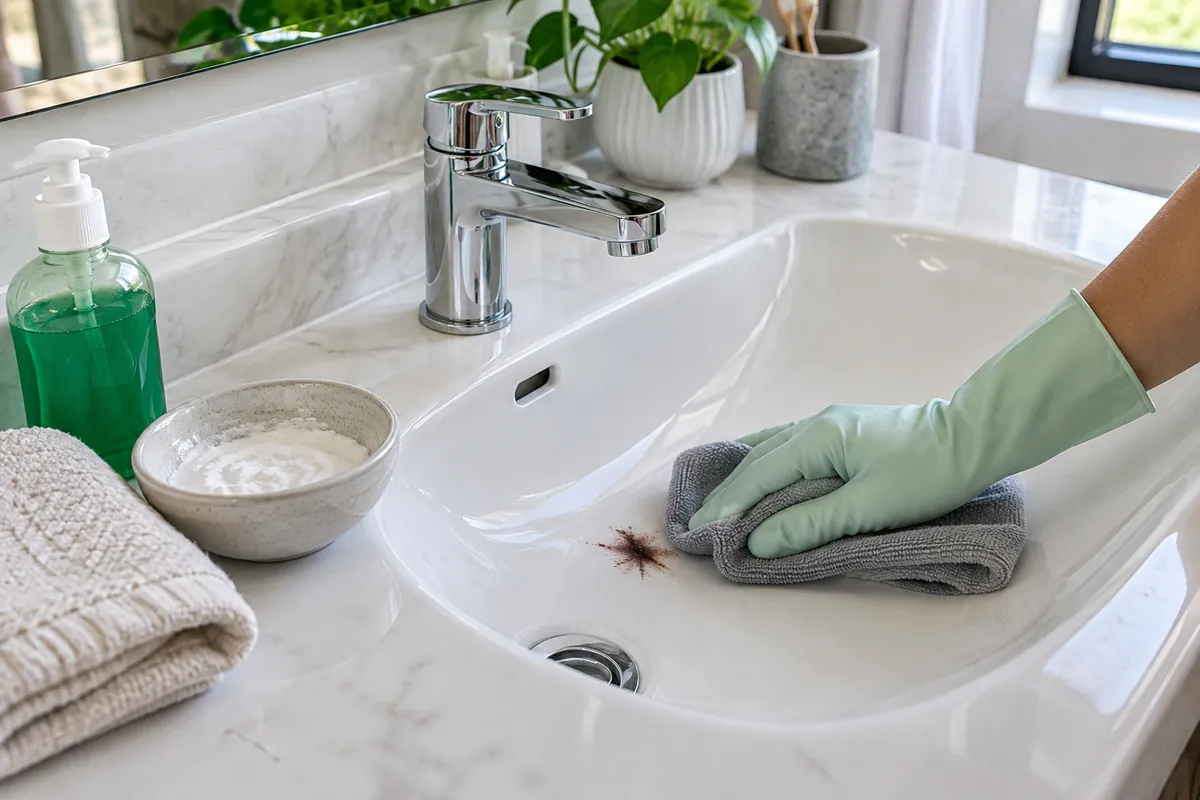
For most nonporous sinks, begin with warm water and dish soap as soon as possible. If pigment remains, a paste made from baking soda and a little water can sometimes lift superficial staining from durable glazed surfaces. Always check the sink material first because natural stone, acrylic, composite materials, and specialty finishes may require gentler treatment.
Fresh dye sitting on a glossy sink should be blotted or wiped before it dries.
Do not immediately spread the stain across the entire basin with a wet sponge. Pick up as much pigment as possible first using a damp disposable cloth or paper towel.
Then wash the area with warm water and dish soap.
A soft microfiber cloth works better than an abrasive scouring pad because scratches can make future stains more difficult to remove.
For stubborn stains on durable glazed ceramic or porcelain, damp baking soda can provide mild abrasion.
Apply a small amount, rub gently with a soft cloth, and rinse thoroughly.
Avoid vigorous scrubbing.
A sink that looks like porcelain may actually be acrylic, cultured marble, composite stone, or another material with a finish that can become dull.
How Do You Remove Hair Dye From a White Porcelain Sink?
On a glazed white porcelain sink, start with dish soap and warm water. If discoloration remains, gently use a baking-soda paste with a soft cloth. Persistent stains may respond to a surface-safe bathroom cleaner designed for porcelain, but follow its directions and rinse completely before trying anything else.
Do not combine multiple cleaners.
Mixing household cleaning chemicals can create dangerous fumes or reactions.
This matters especially with products containing bleach, ammonia, acids, or strong bathroom-cleaning agents.
Use one method at a time, rinse thoroughly, and ventilate the room.
If your sink is natural marble, granite, quartzite, or another stone, skip acidic DIY remedies such as vinegar unless the manufacturer specifically approves them.
Acid can etch certain stone surfaces and leave a dull mark that is more noticeable than the original hair-dye stain.
For engineered quartz, solid-surface materials, acrylic, and other modern finishes, follow the care guidance for that particular surface and test any stronger cleaner in an inconspicuous spot.
How to Remove Hair Dye From a Bathtub or Shower
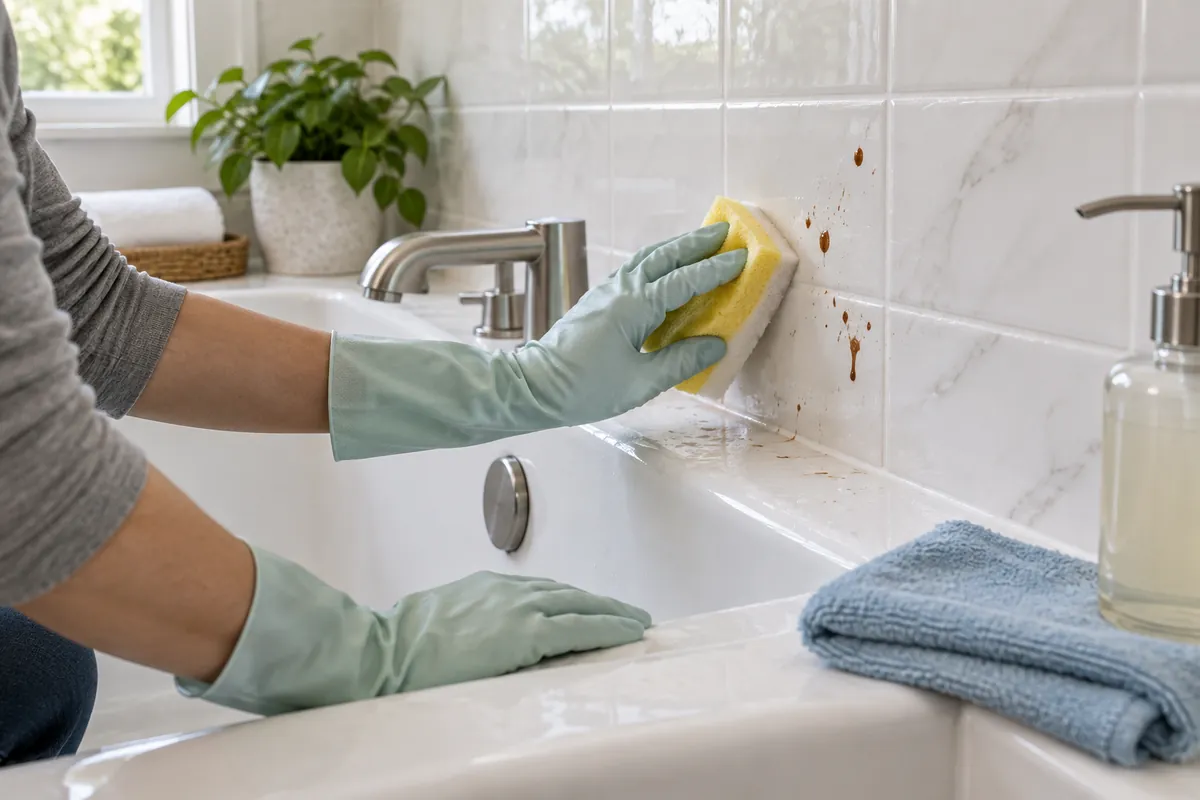
Fresh hair dye on a tub or shower should be rinsed and wiped immediately with warm water and mild bathroom soap. For remaining marks, use only cleaners suitable for the specific tub material. Porcelain enamel, fiberglass, acrylic, cultured marble, tile, and natural stone respond differently, and an overly abrasive cleaner can permanently dull or scratch the finish.
Begin by removing any loose dye before it spreads.
If there is a concentrated drop, blot it first.
Then rinse the area with warm water and clean it with mild dish soap or a nonabrasive bathroom cleaner.
Glazed tile is usually relatively forgiving, although the grout between tiles can absorb pigment more readily.
Acrylic and fiberglass tubs need more caution.
A rough scrub pad or abrasive powder may remove the dye while leaving behind a cloudy patch or fine scratches.
Use a soft cloth or non-scratch sponge.
For stubborn staining, a paste of baking soda and water may be suitable on some durable surfaces, but test it first and avoid aggressive rubbing.
How Do You Get Hair Dye Out of Grout?
Hair dye in grout can be difficult because unsealed or porous grout absorbs pigment below the surface. Start with warm soapy water and a soft grout brush. If the stain remains, use a cleaner specifically suitable for your grout and surrounding tile rather than applying strong chemicals indiscriminately.
White grout shows dark brown, black, red, and vivid fashion colors particularly quickly.
Fresh spills should be blotted instead of smeared along the grout line.
After cleaning, rinse away all residue and dry the area.
Repeated staining can be a sign that grout is very porous or that its sealer has worn down. Once the stain has been addressed, resealing appropriate grout can make future color spills easier to clean.
Natural stone showers require special care.
Marble, limestone, travertine, and similar materials can be damaged by acidic cleaners and some strong bathroom products. Use a stone-safe cleaner rather than experimenting with vinegar, lemon juice, or abrasive pastes.
Also pay attention to caulk and silicone.
Dye may soak into old porous caulk more deeply than into tile. If staining remains trapped within deteriorated caulk after gentle cleaning, replacement may eventually be more effective than repeated aggressive scrubbing.
How to Remove Hair Dye From Carpet, Rugs, and Fabric
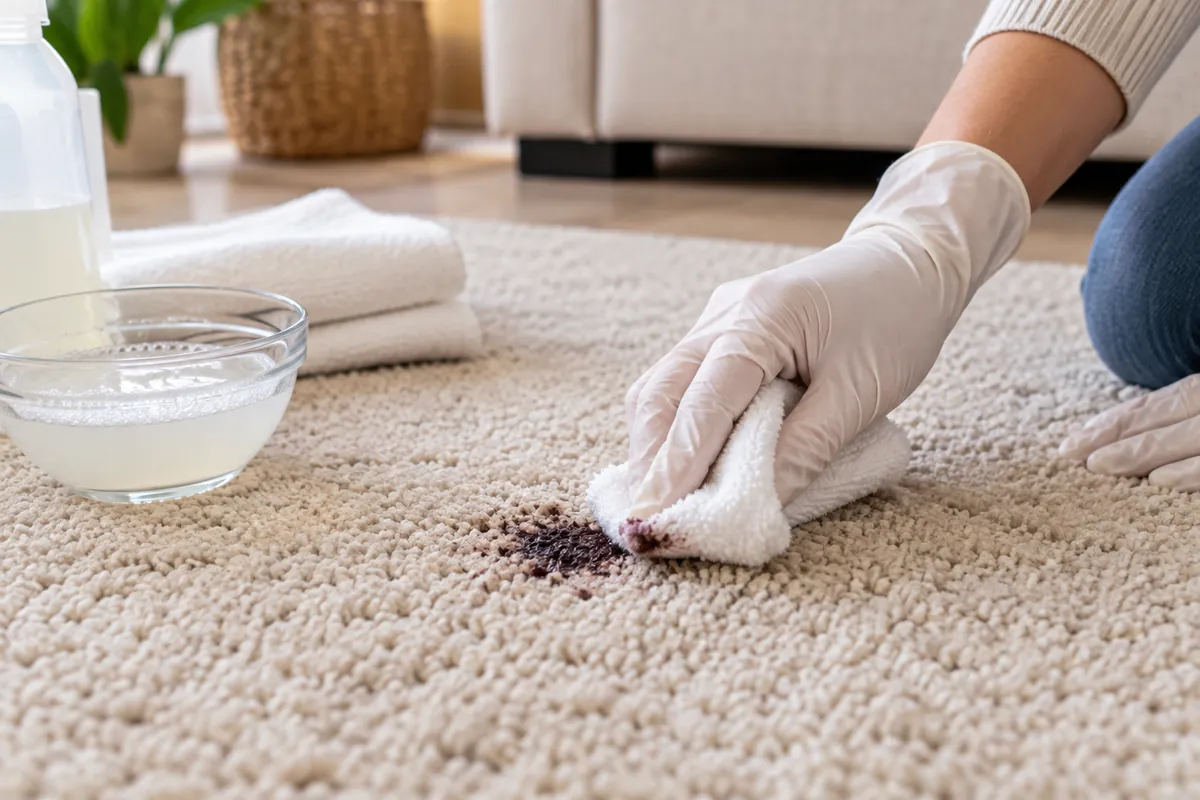
Hair dye on carpet should be blotted immediately, never rubbed. Absorb as much wet dye as possible with a clean white cloth, then work from the outside edge of the stain toward the center using a mild cleaning solution suitable for the fiber. Repeated gentle blotting is safer than soaking or scrubbing the carpet.
The first few minutes matter.
- Blot immediately, never rub, and absorb as much wet dye as possible with a clean white cloth.
- Place a clean white cloth or plain paper towel over the stain and press downward, then lift and move to a clean section of the cloth and press again.
- Do not wipe back and forth.
- Blot from the outer edge inward with a cloth dampened with mild dishwashing liquid and cool or lukewarm water.
- When little more dye is lifting, blot with another cloth dampened with clean water to remove soap residue, then press with a dry towel and allow it to air-dry.
Place a clean white cloth or plain paper towel over the stain and press downward.
Lift.
Move to a clean section of the cloth and press again.
Do not wipe back and forth.
Rubbing spreads pigment sideways and pushes it deeper into the pile.
Once excess dye has been absorbed, mix a small amount of mild dishwashing liquid with cool or lukewarm water.
Dampen a clean white cloth with the solution rather than pouring it directly onto the carpet.
Blot from the outer edge inward.
Keep switching to a clean part of the cloth as pigment transfers.
When little more dye is lifting, blot with another cloth dampened with clean water to remove soap residue.
Finally, press the area with a dry towel and allow it to air-dry.
Avoid flooding the carpet.
Excess water can carry dye deeper into the backing, spread the stain beneath the visible fibers, or create a watermark.
Can Vinegar Remove Hair Dye From Carpet?
Diluted white vinegar can sometimes help with dye stains on certain colorfast synthetic carpets, but it is not suitable for every carpet or rug. Test any solution in a hidden area first, especially on wool, silk, natural fibers, vintage rugs, or materials with uncertain dyes.
If a mild soap solution has not worked and the carpet manufacturer allows it, a small amount of diluted white vinegar may be tried by blotting rather than saturating the area.
Never mix vinegar with chlorine bleach or other cleaning products.
For valuable rugs, wool carpets, silk fibers, or large permanent-dye stains, professional cleaning is usually safer than escalating through stronger household chemicals.
Upholstery deserves similar caution.
Check the fabric’s cleaning code before adding water or detergent. Some fabrics are designed only for solvent-based professional cleaning.
Washable towels and clothing are simpler.
Rinse fresh dye from the back of the stained fabric with cool water so pigment is pushed outward rather than farther through the fibers. Pretreat with a suitable laundry detergent or stain treatment, then wash according to the care label.
Check the stain before putting the item in a dryer.
Heat can make remaining discoloration harder to remove.
How to Prevent Hair Dye Stains Before They Happen
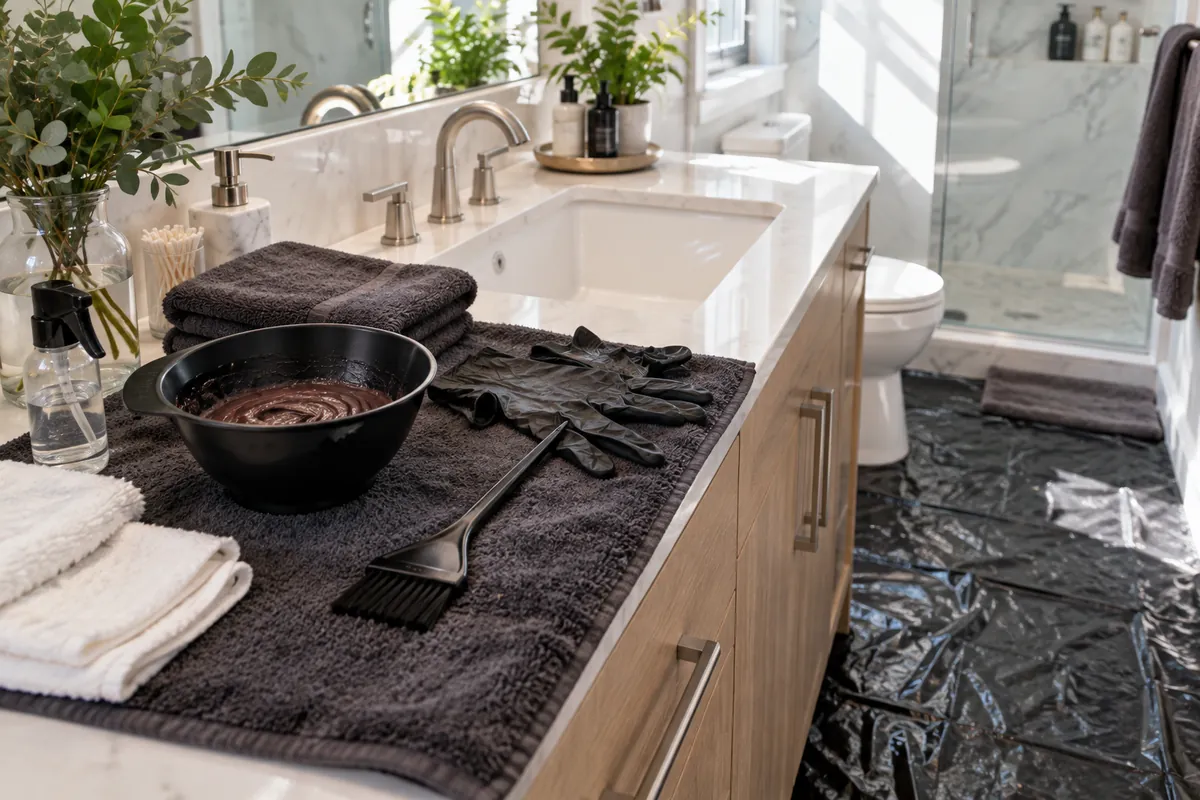
Preventing hair dye stains is much easier than removing dried pigment from skin, grout, carpet, or bathroom finishes. Cover absorbent surfaces, keep cleaning supplies within reach, create a skin barrier around the hairline, and wipe spills immediately. A few minutes of preparation can prevent hours of stain removal afterward.
Start with the floor.
If you color your hair near carpet, place down a waterproof drop cloth, old shower curtain, or other protective covering large enough to extend beyond the chair.
A small towel directly under your feet is rarely enough. Dye drips can travel surprisingly far when you move your hands, turn your head, or carry the bowl to the sink.
Cover the vanity surface too.
Keep the bowl on a washable tray rather than directly on porous stone, wood, grout, or painted surfaces.
Remove decorative towels and bath mats before starting.
Dark permanent dye can permanently mark pale fabric before you realize anything happened.
Keep damp cloths or paper towels nearby so a spill can be picked up immediately.
Do not wait until the application is finished.
Fresh pigment is almost always easier to remove.
Wear gloves from mixing through rinsing. Dye frequently reaches hands during the final rinse because people remove their gloves too early.
Protect clothing with an old button-front shirt, salon cape, or towel you are willing to stain.
Around the face, use a thin barrier of petroleum jelly or thick moisturizer at the hairline and ears.
Finally, slow down.
Many bathroom stains happen during rushed applications when a loaded tint brush is moved quickly from the bowl to the hair. Wipe excess color from the brush before moving it across the room, and keep the bowl close to the section you are working on.
Frequently Asked Questions
Does Hair Dye Permanently Stain Skin?
Hair dye usually does not permanently stain healthy skin. Pigment may remain visible for a short period, especially around dry areas, nails, or cuticles, but normal washing and natural skin shedding gradually remove it. Gentle cleansing is preferable to harsh scrubbing.
Can I Use Rubbing Alcohol to Remove Hair Dye From Skin?
Rubbing alcohol can irritate and dry the skin, particularly around the face, hairline, and ears. Gentler options such as mild soap, cleansing oil, mineral oil, or petroleum jelly are better first choices. Avoid using strong solvents near the eyes or on irritated skin.
Will Baking Soda Remove Hair Dye From a Sink?
Baking soda can help remove superficial hair-dye stains from some durable glazed ceramic or porcelain sinks because it provides mild abrasion. It should be used gently and may not be suitable for acrylic, natural stone, polished finishes, or other materials that scratch or dull easily.
Can Hair Dye Stain an Acrylic Bathtub Permanently?
Hair dye can leave persistent stains on acrylic, especially if it sits for a long time. Acrylic is also vulnerable to scratching and dulling, so aggressive abrasive cleaners are risky. Clean spills promptly with a nonabrasive product suitable for acrylic and test stronger methods cautiously.
How Do You Remove Black Hair Dye From a White Sink?
Blot fresh black dye first, then wash with dish soap and warm water. On durable glazed porcelain, a gentle baking-soda paste may lift remaining color. For other materials, identify the sink surface before using anything abrasive or chemically strong.
What Should I Do If Hair Dye Gets on Carpet and Dries?
Begin by gently loosening surface residue without scraping aggressively. Blot the area with a mild carpet-safe cleaning solution, working from the outer edge inward. Avoid soaking the fibers. Valuable rugs, natural fibers, and stubborn dark permanent-dye stains are best handled by a professional cleaner.
Can I Use Bleach to Remove Hair Dye Stains?
Chlorine bleach can discolor materials, damage some surfaces and fabrics, and create hazardous fumes if mixed with other cleaners. It should not be used casually as a universal hair-dye remover. Only use a bleach-containing product where the surface manufacturer specifically permits it, and never mix cleaning chemicals.
Why Does Hair Dye Stain Grout So Easily?
Grout is often more porous than glazed tile, so liquid dye can soak below the surface before it is wiped away. Older or unsealed grout is particularly vulnerable. Cleaning spills immediately and maintaining an appropriate grout sealer can reduce future staining.
Will Hair Dye Come Out of Towels?
Some hair dye stains can be reduced or removed from washable towels if treated quickly, but permanent and vivid pigments may leave residual color. Rinse the stain with cool water, pretreat it, wash according to the fabric care label, and check the result before machine drying.