 Global Fashion Trends
What Are Nails Made Of, and Why Do We Have Them?
You’ve probably looked at your own nails a thousand times without really thinking about what they actually are, biologically speaking. They’re clearly not skin, they’re not bone, and they don’t look much like hair either, even though they’re actually part of the same broader material family. Nails are fascinating once you dig into the anatomy, and understanding what nails are made of and why they exist in the first place explains a lot about how they behave, grow, and sometimes go wrong.
This article covers the real biology behind nail composition, the full anatomical structure most people never learn about beyond the visible plate, the evolutionary reasoning behind why humans have nails at all, and what actually influences how fast they grow.
What Are Nails Made Of?
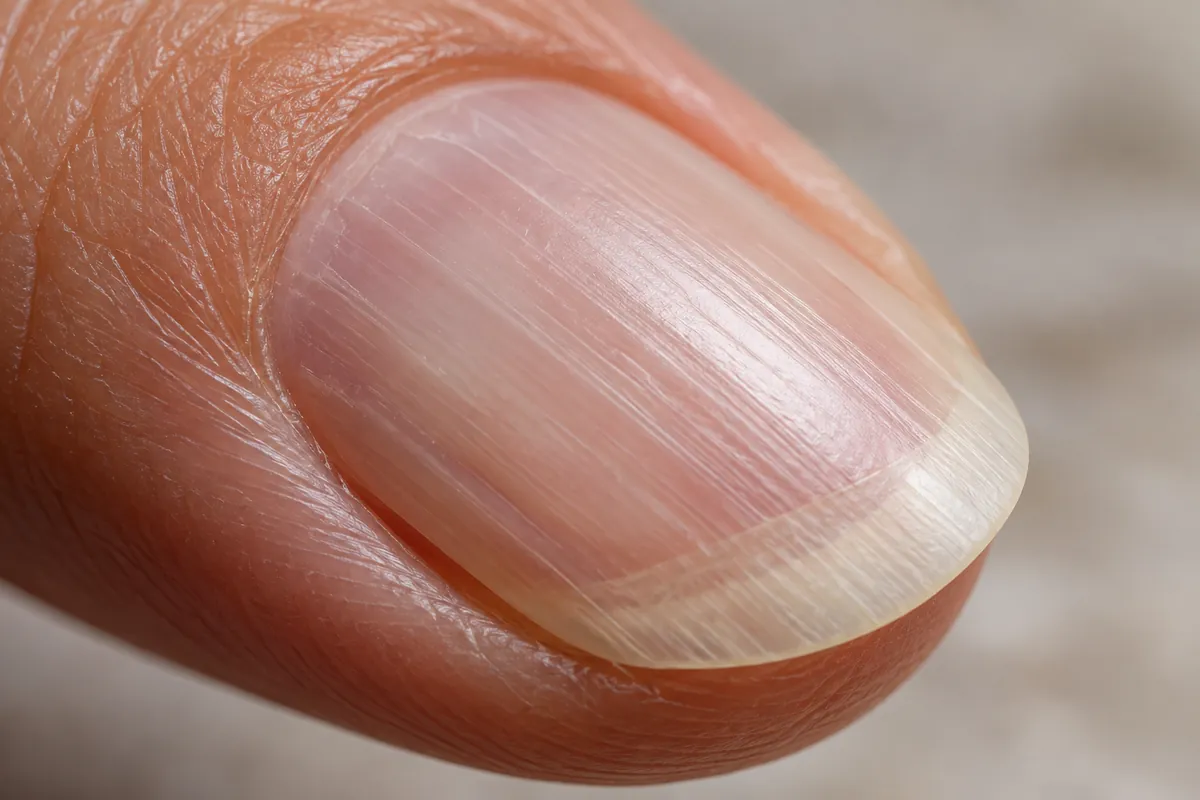
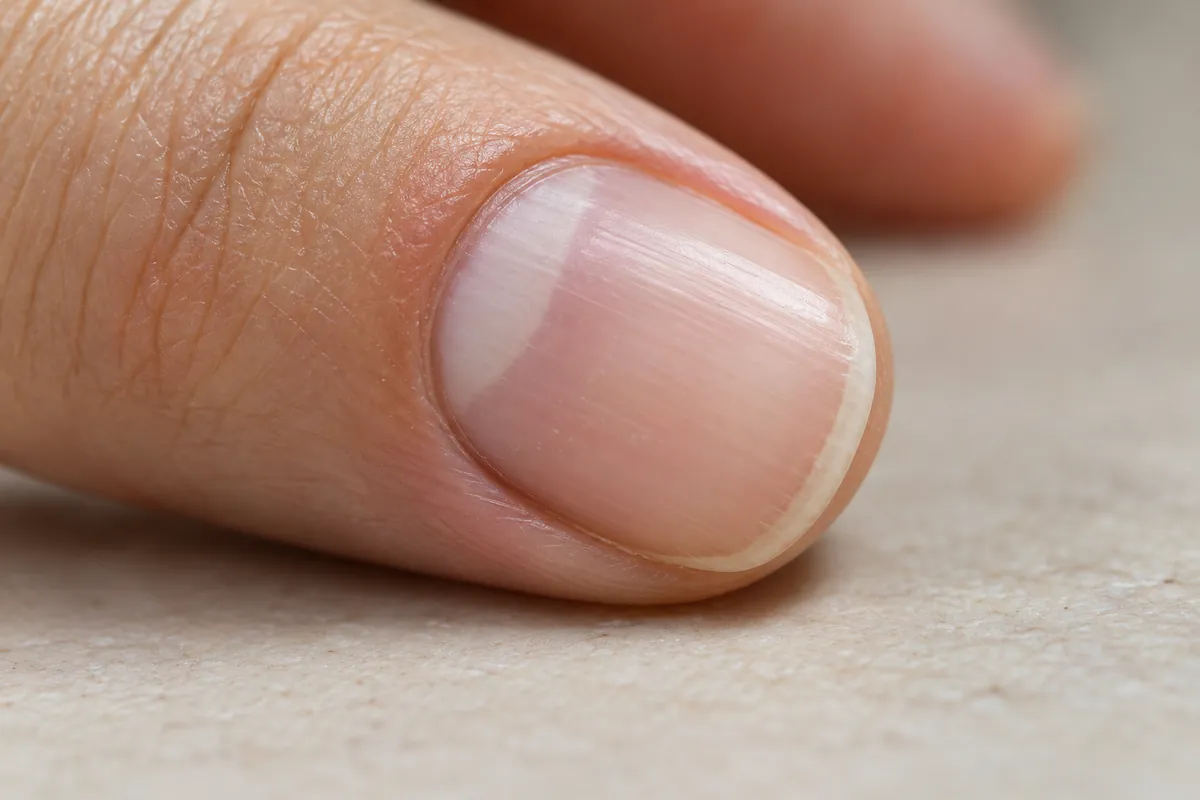
Nails are made primarily of keratin, a tough, fibrous structural protein that’s also the main building block of hair and the outermost layer of skin. Specifically, the nail plate is composed of dead, tightly compacted keratinocyte cells arranged in multiple layers, which is why nails are hard and rigid despite being made of the same basic protein family as much softer hair strands.
Beyond keratin itself, nails also contain a small amount of water and lipids, both of which affect flexibility. Well-hydrated nails tend to be more flexible and less prone to splitting, while dehydrated nails become brittle and are more likely to crack or peel.
Are Nails Made of Calcium or Keratin?
Nails are made primarily of keratin, not calcium, despite a common misconception that ties nail strength to calcium the way bone strength is often discussed. While nails do contain trace amounts of various minerals, calcium isn’t a major structural component, and the hardness of a nail comes almost entirely from densely packed, cross-linked keratin protein rather than mineral content.
The Anatomy of a Nail: More Than Just the Visible Plate
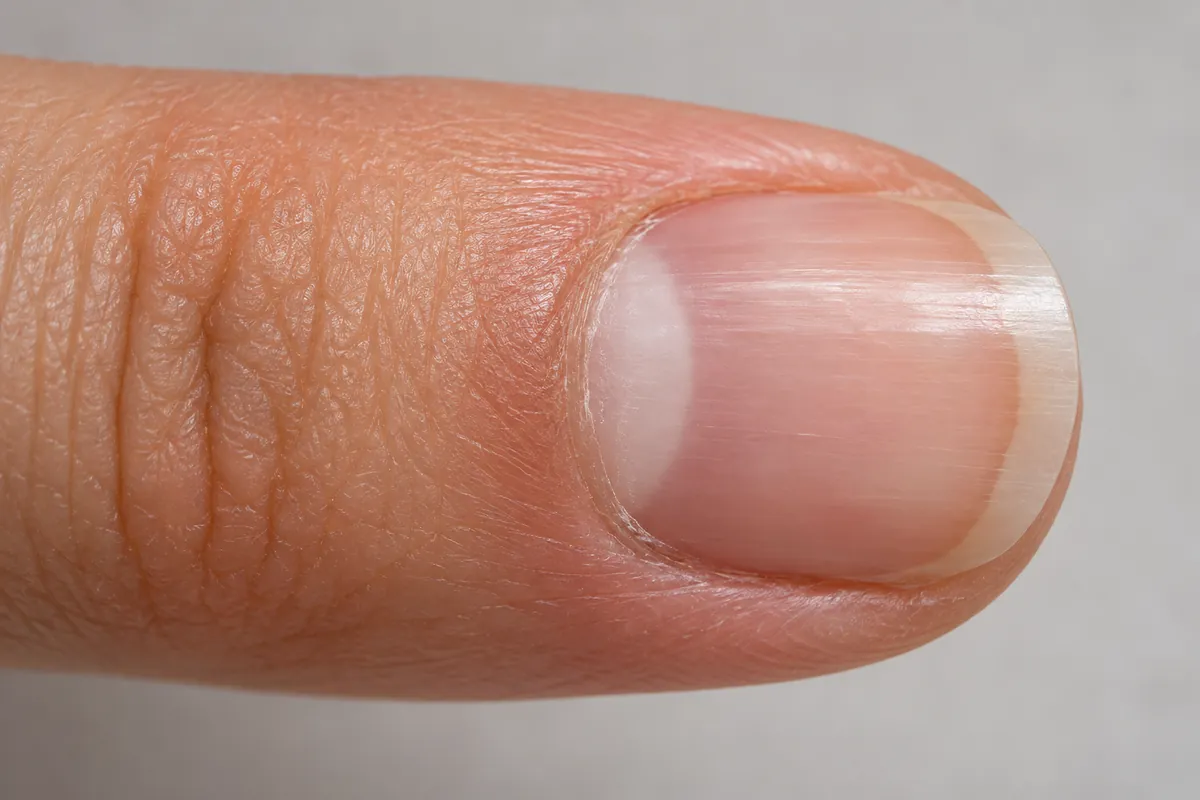
The part of the nail you can actually see and file, called the nail plate, is really just one piece of a more complex structure working together underneath and around it.
The nail bed sits directly beneath the plate, appearing pink due to the blood vessels running through it, and it’s what gives healthy nails their characteristic color. The nail matrix, located under the cuticle at the base of the nail, is the actual growth center, where new keratin cells are continuously produced and pushed forward to form the visible nail plate over time. Damage to the matrix specifically is what can cause permanent changes to how a nail grows back, since this is the structure actually responsible for generating new nail material.
The cuticle, technically called the eponychium, forms a protective seal where the skin meets the base of the nail, helping keep bacteria and debris from getting underneath. The hyponychium performs a similar protective function at the opposite end, sealing the skin beneath the nail’s free edge. Nail folds, the skin framing both sides of the nail plate, help anchor and guide the nail as it grows forward.
What Is the White Half-Moon Shape at the Base of the Nail Called?
The pale, half-moon shaped area visible at the base of many nails is called the lunula, and it’s actually the visible portion of the nail matrix showing through the nail plate. Not everyone has an equally visible lunula, since factors like nail thickness and how much of the matrix is covered by the cuticle can affect how noticeable this shape appears from person to person.
| Part of the nail | What it does |
|---|---|
| Nail plate | The part of the nail you can actually see and file. |
| Nail bed | The pink tissue beneath the plate, rich in blood vessels. |
| Nail matrix | The growth center under the cuticle that produces new keratin cells. |
| Cuticle (eponychium) | A protective seal at the base of the nail. |
| Hyponychium | A protective barrier beneath the nail’s free edge. |
| Lunula | The visible portion of the matrix, seen as a pale half-moon. |
| Nail folds | The skin at the sides of the nail that anchors it and guides its growth. |
Why Do We Have Nails?
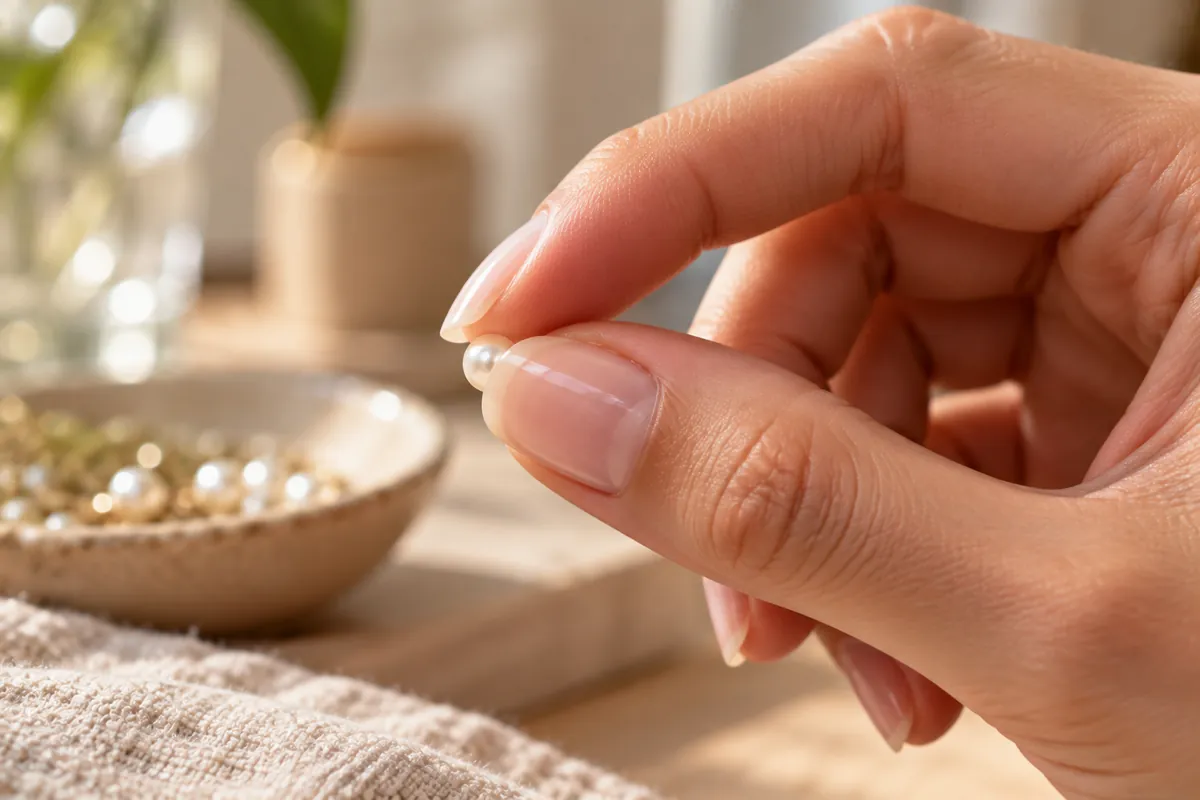
Nails serve genuine functional purposes rather than existing purely for aesthetic reasons, even though modern nail care has turned them into a significant beauty category on their own. Fingertips contain a dense concentration of nerve endings, and nails provide physical protection for this especially sensitive area, shielding it from everyday bumps and injuries that could otherwise be quite painful or damaging.
Nails also play a real biomechanical role in fine motor function. When you pinch or pick up a small object, the nail acts as a rigid counter-surface that the soft fingertip pad presses against, which actually enhances both grip precision and tactile sensitivity. Without a nail providing that backing support, tasks like picking up a coin or threading a needle would be more difficult.
Do Nails Serve Any Real Evolutionary Purpose Besides Looking Nice?
Yes, nails serve several genuine evolutionary functions beyond appearance, including protecting sensitive fingertip nerve endings from injury and providing rigid support that improves grip precision and fine motor control during tasks like grasping small objects. Human nails are also considered an evolutionary adaptation from the claws seen in many other animals, reflecting a broader primate shift toward grasping and manipulating objects rather than relying on claws primarily for digging, climbing, or hunting.
How Nails Grow and What Affects Growth Rate
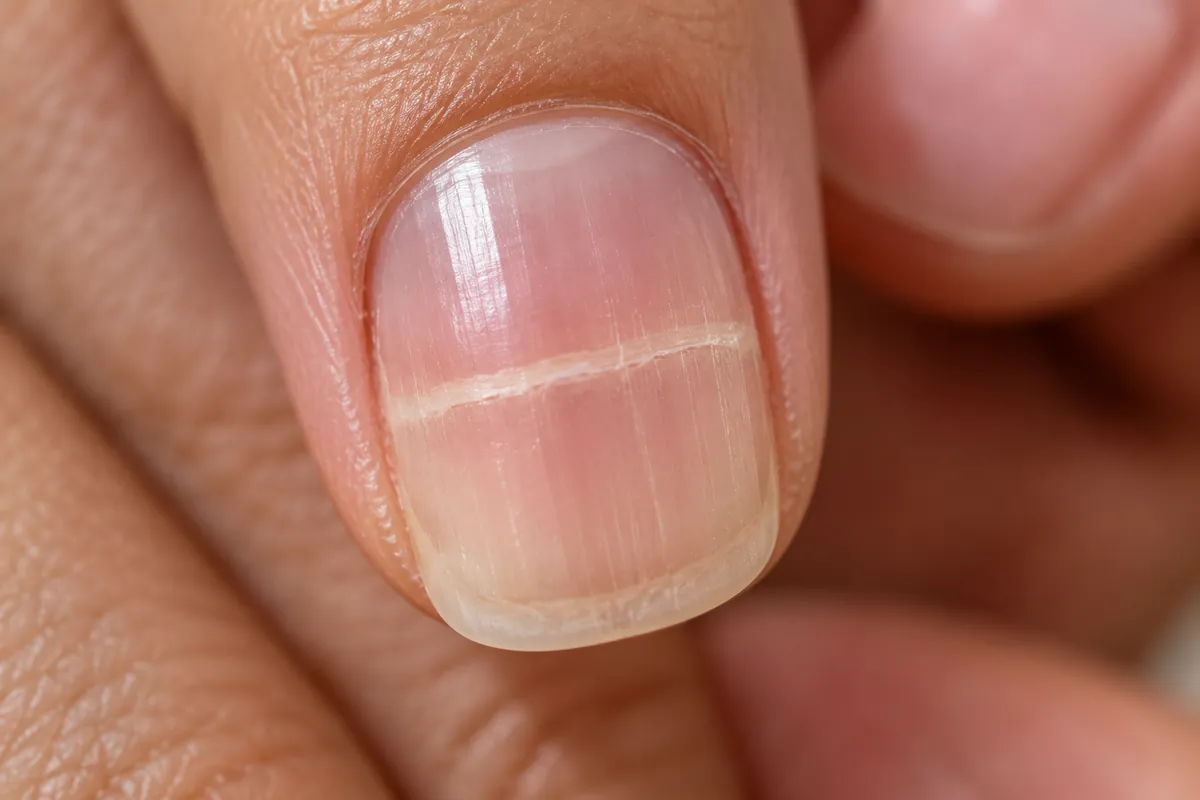
Nail growth happens continuously from the matrix, with new cells forming and gradually pushing older, hardened cells forward and outward as visible nail plate. Fingernails generally grow faster than toenails, and growth rate itself varies based on factors like age, overall health, and even the specific finger being measured, since the middle finger typically grows fastest of all.
Nutrition also plays a role in supporting healthy nail growth, with adequate protein intake being particularly relevant given that nails are almost entirely protein-based. Some research has suggested nails may grow slightly faster during warmer months, though this effect tends to be modest rather than dramatic. For practical steps, see our guide to how nails grow fast and how to strengthen them.
Why Do Fingernails Grow Faster Than Toenails?
Fingernails generally grow faster than toenails largely due to increased blood flow and circulation to the hands compared to the feet, along with more frequent minor trauma and stimulation to fingertips from everyday tasks, both of which are associated with faster nail growth. Toenails, being further from the heart and generally experiencing less frequent friction and use in daily fine motor tasks, tend to grow at a noticeably slower pace by comparison.
What Affects Overall Nail Health Beyond Genetics
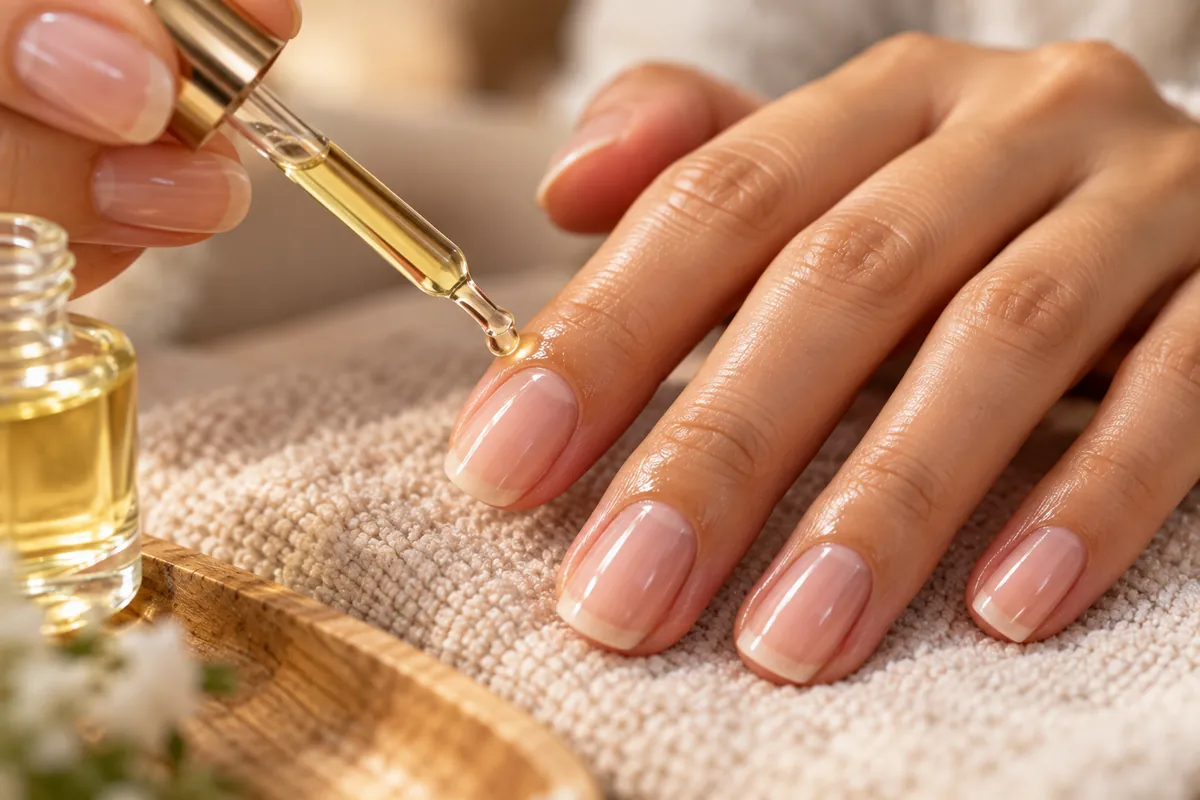
While genetics play a real role in baseline nail strength and growth rate, several other factors meaningfully influence how healthy nails look and feel day to day.
Hydration matters significantly, since nails that stay well-moisturized through regular use of cuticle oil or hand cream tend to be more flexible and less prone to splitting than chronically dry nails. Overall nutrition, particularly adequate protein, iron, and biotin intake, is commonly associated with healthier nail growth, since nails are almost entirely built from protein and rely on the body’s broader nutritional status to grow properly.
Frequent exposure to harsh chemicals, excessive water exposure without protection, and repeated trauma from nail biting or picking can all weaken nails over time regardless of otherwise strong genetic starting points. Age also plays a role, since nail growth rate and thickness commonly shift as people get older, generally slowing down somewhat over time. Our guide to how to stop biting nails explains why people bite their nails and offers practical ways to break the habit.
So what are nails made of? Layered keratin, a little water, and a small amount of lipids. That simple makeup is what allows nails to protect the fingertips, steady the grip, and keep growing throughout life.
Frequently Asked Questions
1. Do nails contain any living cells once they’re visible?
No, the visible portion of the nail plate is made entirely of dead, hardened keratinocyte cells, which is why cutting or filing nails doesn’t cause any pain, unlike cutting into the living nail bed or matrix underneath.
2. Why do nails sometimes have ridges running down them?
Vertical ridges are extremely common and generally increase with age, often considered a normal part of the aging process related to changes in nail growth patterns, though significant new ridging or changes in nail texture are worth mentioning to a doctor if they appear suddenly.
3. Can damage to the nail matrix cause permanent changes to nail growth?
Yes, significant trauma to the nail matrix specifically, since it’s the structure responsible for producing new nail cells, can sometimes result in permanent changes to how that particular nail grows back, unlike damage limited to the nail plate itself, which typically grows out normally over time.
4. Do all mammals have nails, or is this unique to humans?
No, nails specifically are a feature shared among primates, evolved from a common ancestor with claws, while many other mammal groups retain claws or have evolved different structures like hooves, all representing different evolutionary paths from a similar underlying biological starting point.
5. Why does nail growth seem to slow down as people get older?
Nail growth rate commonly declines gradually with age, generally linked to reduced circulation and slower overall cell turnover throughout the body, which is a normal part of aging rather than typically indicating an underlying health problem on its own.
6. Is it true that nails can reveal information about a person’s health?
Yes, nail appearance and texture can sometimes reflect broader health conditions, since changes in growth, color, or texture are occasionally linked to nutritional deficiencies or other health issues, though any specific health concerns are best evaluated by a doctor rather than self-diagnosed from nail appearance alone.
7. Do nails grow at the same rate on both hands?
Nail growth rate is generally similar between the dominant and non-dominant hand for most people, though some research suggests the dominant hand’s nails may grow marginally faster, likely related to slightly increased blood flow and use.
8. Why does the nail plate appear pink instead of white or clear?
The nail plate itself is actually translucent, and the pink color visible through it comes from the blood vessels in the nail bed underneath, which is why nails can appear pale or bluish if blood flow to the area is reduced.
9. Can nails regrow completely if they’re lost due to injury?
In most cases, yes, as long as the nail matrix remains intact and undamaged, a nail can regrow to its normal appearance over several months, though significant matrix damage can sometimes result in a nail that grows back thinner, ridged, or otherwise altered from its original appearance.
10. Do nails serve any sensory function beyond supporting grip?
Yes, beyond providing counter-pressure for grip precision, nails contribute to overall tactile sensitivity in the fingertips, since the rigid nail plate helps transmit and amplify certain sensory information to the sensitive nerve endings underneath when fingers make contact with surfaces or objects.