How Long Does It Take to Get Your Nails Done?
Trying to squeeze a nail appointment into a packed schedule means one question matters more than almost anything else: how much time do you actually need to block off? The honest answer depends heavily on which service you’re booking, since a quick polish change and a full set of sculpted acrylic extensions with detailed nail art are on completely different timelines.
This guide breaks down realistic time estimates across the most common nail services, what actually causes some appointments to run longer than others, how nail art factors into total time, and a few practical tips for booking an appointment that actually fits into your day without running late for whatever comes next.
How Long Does It Take to Get Your Nails Done?
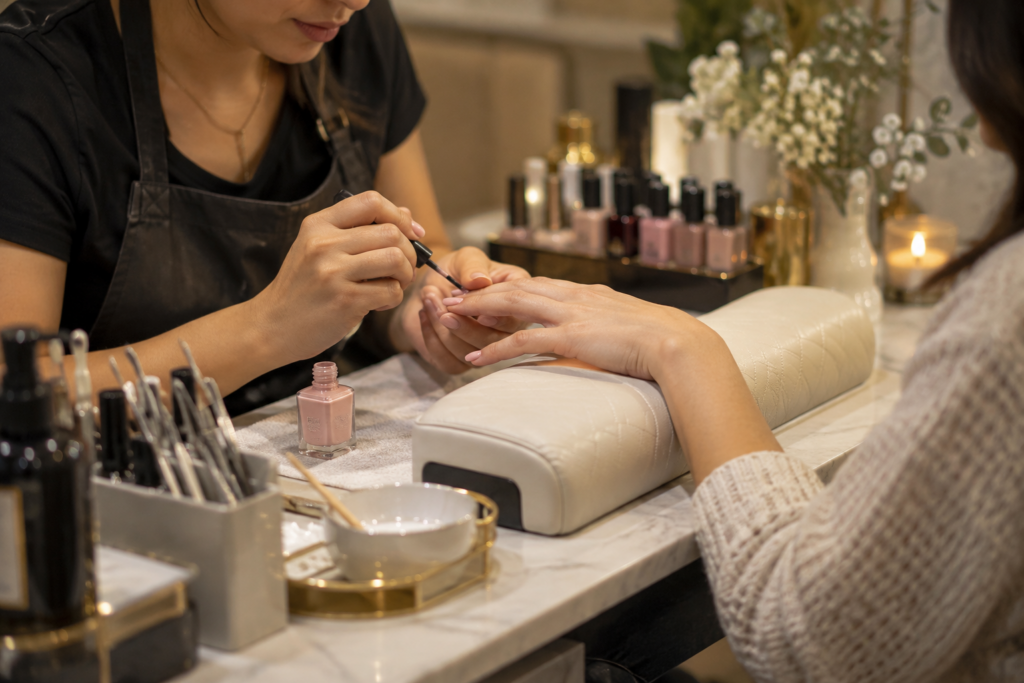
A basic manicure with regular polish typically takes twenty to thirty minutes, while a gel manicure generally runs thirty-five to forty-five minutes due to the additional curing time under a UV or LED lamp. A standard pedicure usually takes thirty to forty-five minutes, and a full set of acrylic or hard gel extensions often takes sixty to ninety minutes or longer, depending on length and any nail art involved.
These are general baseline estimates rather than fixed numbers, since technician speed, nail art complexity, and whether old product needs to be removed first can all extend an appointment well beyond the average range for that particular service.
Time Breakdown by Service Type
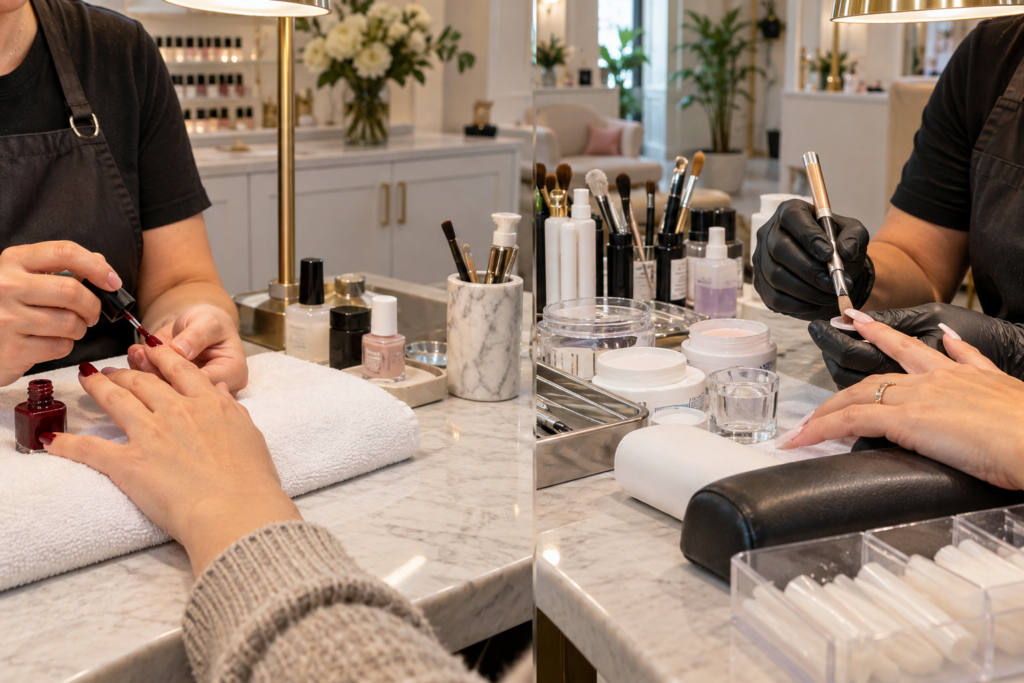
Different services genuinely require different amounts of hands-on time, largely tied to how many steps and how much product application each one involves.
A basic manicure, covering shaping, cuticle care, and a coat or two of regular polish, generally wraps up in twenty to thirty minutes. Gel manicures add curing time under a lamp between coats, typically pushing the total closer to thirty-five to forty-five minutes. Dip powder manicures often take a similar amount of time to gel, sometimes slightly longer given the layered dipping and sealing process involved.
Pedicures follow a similar pattern, with a basic pedicure generally taking thirty to forty-five minutes, while a deluxe or spa pedicure, including extras like a foot soak, scrub, or extended massage, often runs forty-five to seventy-five minutes.
How Long Does a Full Set of Acrylic Nails Take?
A full set of acrylic nails typically takes sixty to ninety minutes, depending on the desired length, whether extensions are being sculpted or applied with tips, and how much nail art or detail work is involved. More dramatic length or intricate art can push a full acrylic appointment closer to two hours, particularly for a technician working carefully and precisely rather than rushing through the sculpting process.
How Long Should You Budget for a Mani-Pedi Combo Appointment?
A mani-pedi combo with regular polish generally takes about an hour to an hour and fifteen minutes when both services are done back to back, while a gel version of the combo often runs closer to an hour and fifteen minutes to an hour and a half given the additional curing time involved. Booking a combo appointment specifically, rather than two separate visits, is usually more time-efficient overall, since some prep steps can happen concurrently or with minimal downtime between the two services.
What Actually Affects How Long an Appointment Takes
A handful of specific factors explain most of the variation in how long a nail appointment actually ends up taking, beyond just the base service itself.
Technician experience and working speed play a meaningful role, since a highly experienced tech often works both quickly and precisely, while someone newer to the field may take longer to achieve the same result. Salon environment matters too, since some technicians manage multiple clients at once, moving between chairs during processing or drying time, which can extend how long any individual client’s total visit takes even if the hands-on work itself isn’t slower.
Nail condition at the start of the appointment also factors in. Nails that are already in good shape with minimal old product to remove tend to move through the process faster than nails requiring significant cleanup, filing, or correction before the actual service can even begin.
Why Do Some Manicure Appointments Take Longer Than Others?
Manicure appointments often run longer due to a combination of factors, including the need to remove old polish or product first, more extensive cuticle work, added nail art, or simply a technician managing multiple clients simultaneously during the same time slot. First-time appointments at a new salon can also take a bit longer than usual, since some initial consultation time is often built in to discuss desired shape, length, and color before work actually begins.
Does Removing Old Gel or Acrylic Add Extra Time to an Appointment?
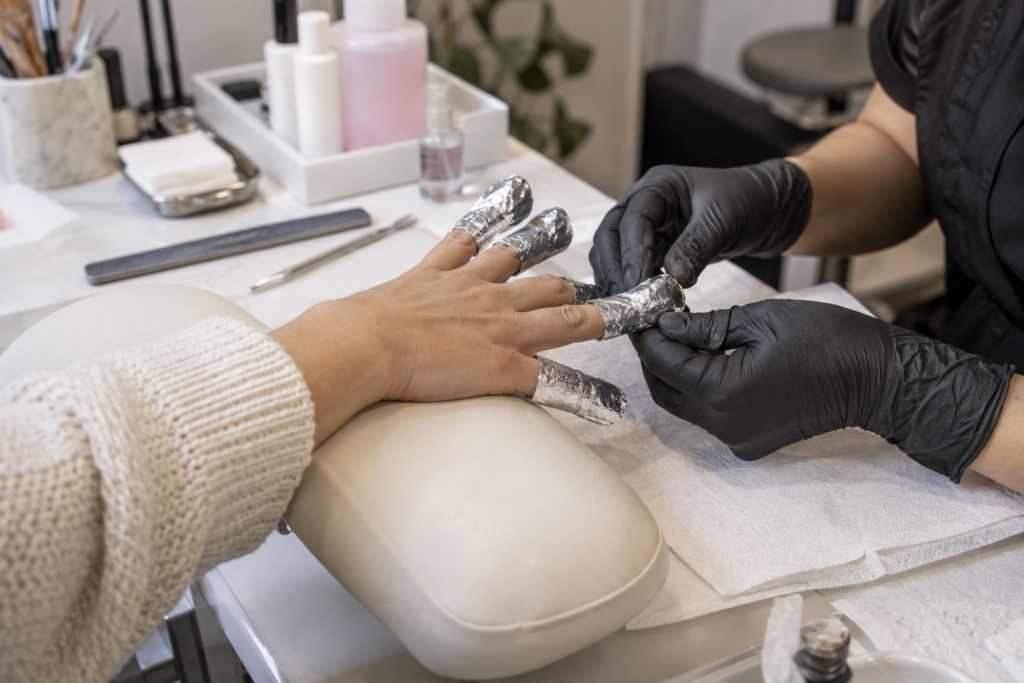
Yes, removing old gel polish, dip powder, or acrylic before starting a new service typically adds anywhere from ten to thirty minutes to an appointment, depending on the specific product being removed and how carefully the technician works to avoid damaging the natural nail underneath. Acrylic removal in particular tends to take longer than gel polish removal, since it generally involves more filing and a more involved soak-off process.
How Nail Art and Add-Ons Affect Appointment Length
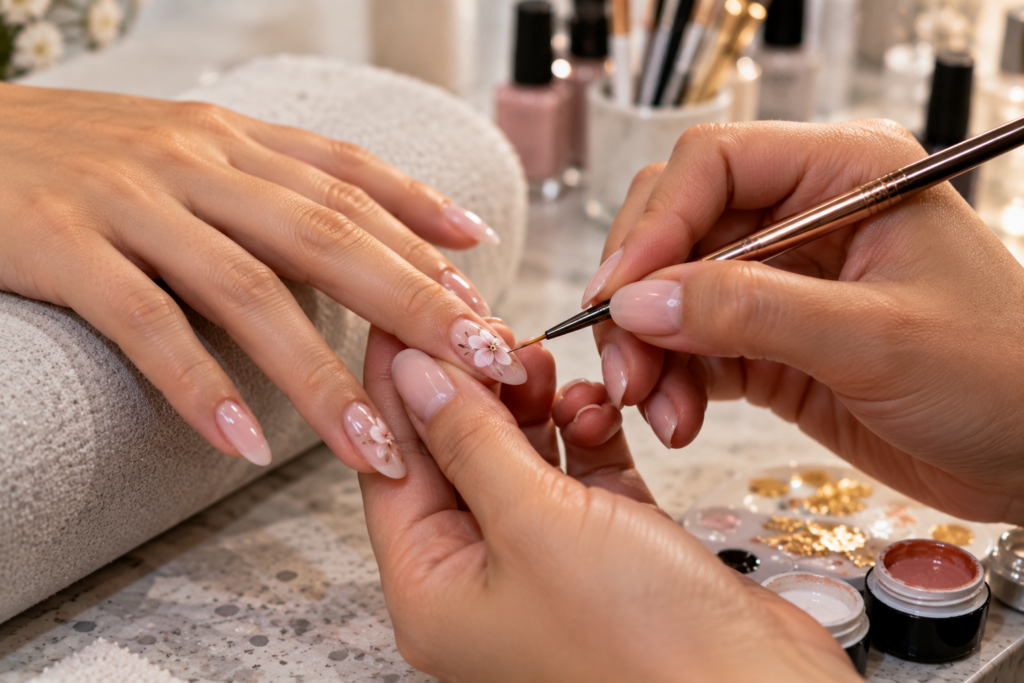
Nail art is one of the biggest variables affecting total appointment time, and it’s worth factoring in realistically when booking, especially for anything beyond a simple accent design.
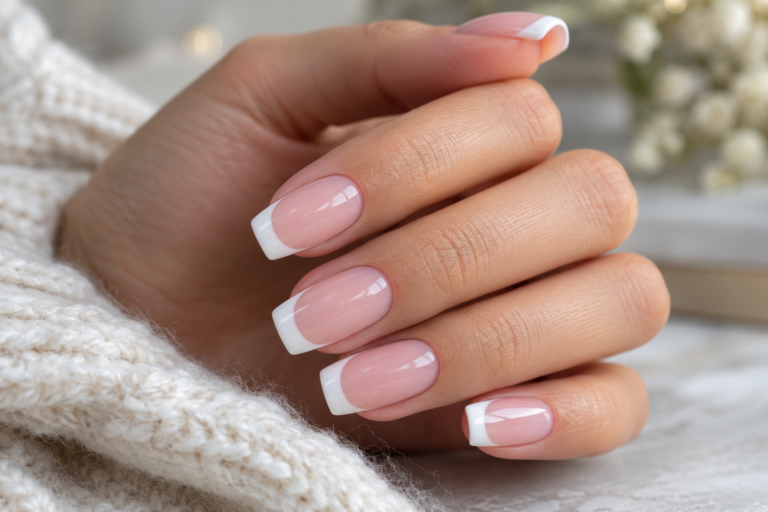
A basic accent nail or classic French tip typically adds only a few extra minutes to a standard manicure, since these designs are quick and don’t require extensive freehand work. More detailed nail art, including hand-painted designs, intricate line work, or applied embellishments like rhinestones, can add anywhere from fifteen minutes to an hour or more, depending on complexity and how many nails the design covers.
Three-dimensional elements, chrome or cat eye effects, and elaborate multi-step designs tend to sit at the higher end of that added time range, since each of these techniques involves additional curing, buffing, or precise hand application beyond standard color application.
Tips for Booking an Appointment That Fits Your Schedule

A few practical habits can help you avoid running behind schedule or feeling rushed during your visit.
Booking the first appointment of the day, or right after a salon reopens from a lunch break, generally reduces the chance of delays caused by a previous client’s appointment running long. Being upfront about exactly what you want, including specific nail art requests, when booking rather than surprising your technician on arrival, helps them accurately block out enough time for your particular service.
Arriving with polish already removed, when reasonably possible, can shave a few minutes off your appointment, though most salons handle this as a standard part of the service if you show up without having removed it yourself. Building in a bit of buffer time beyond the average estimate for your specific service, particularly for anything involving nail art or a first visit to a new technician, helps avoid feeling rushed if your appointment runs a little longer than expected.
Frequently Asked Questions
1. Is it faster to get your nails done on a weekday than a weekend?
Weekday appointments are often faster to book and sometimes run more efficiently than weekend visits, since salons tend to be busier on weekends with more clients booked closer together, which can occasionally lead to longer wait times or a more rushed overall experience.
2. Does getting a fill take less time than a full new set?
Yes, acrylic or gel fills, which maintain existing nails rather than building an entirely new set, generally take less time than a full new application, often around forty-five minutes to an hour compared to the sixty to ninety minutes a full set typically requires.
3. How long does a simple gel polish change take without any other services?
A gel polish change alone, without a full manicure involving cuticle work or shaping, typically takes about twenty to thirty minutes, mostly accounting for the application and curing time under the lamp between coats.
4. Does having very long nails already add time to a fill or maintenance appointment?
Yes, longer nails generally take a bit more time to properly fill, shape, and finish compared to shorter nails, simply due to the additional surface area and precision required to maintain a clean, even result across a longer nail bed.
5. Can you speed up a nail appointment by requesting a simpler design?
Yes, choosing a simpler design, like a single solid color instead of detailed art, or skipping additional add-ons like paraffin treatments, is one of the most reliable ways to keep an appointment closer to the shorter end of the typical time range for that service.
6. Does a first-time visit to a new nail salon usually take longer than a return visit?
Yes, a first-time visit often includes a bit of extra time for consultation, discussing your preferences, and the technician getting a sense of your natural nail condition, all of which a returning client typically skips since that information is already established.
7. How much longer does it take to get toenails and fingernails done together versus separately?
Booking both together as a combo appointment is usually more time-efficient than two fully separate visits, since a technician can manage aspects of both services with some overlap, though the combined total time is still longer than either individual service on its own.
8. Does dip powder take longer to apply than gel polish?
Dip powder often takes a comparable or slightly longer amount of time than gel polish, mainly due to the multiple dipping and sealing steps involved, though the exact difference varies by technician technique and the specific dip system being used.
9. Is it normal for a nail appointment to run over its estimated time?
Yes, it’s fairly common for appointments to run a bit longer than the initial estimate, particularly if unexpected nail repair is needed, additional art is requested during the appointment, or the salon is managing multiple clients at once, so building in some buffer time is generally a good idea.
10. Does washing or soaking your hands before an appointment save time during the service?
Arriving with reasonably clean hands can save a small amount of time, though most salons include a basic hand or foot soak as a standard part of the service regardless, so this isn’t typically a significant time-saving factor on its own.