How Long Do Press-On Nails Last, and Can You Reuse Them?
Press-on nails get marketed as a quick, easy alternative to a salon visit, but the actual wear time varies a lot more than the packaging usually suggests. Some sets barely survive a night out, while others hold on comfortably for over a week. On top of that, there’s the genuinely useful question of whether you can wear the same set more than once, which matters a lot if you’ve spent real time and money building or buying a collection you like.
This article breaks down realistic wear time expectations, what actually determines how long any given set holds up, whether reuse is genuinely possible, and how to properly care for and store press-ons so they’re ready to go again when you want them.
How Long Do Press-On Nails Last?
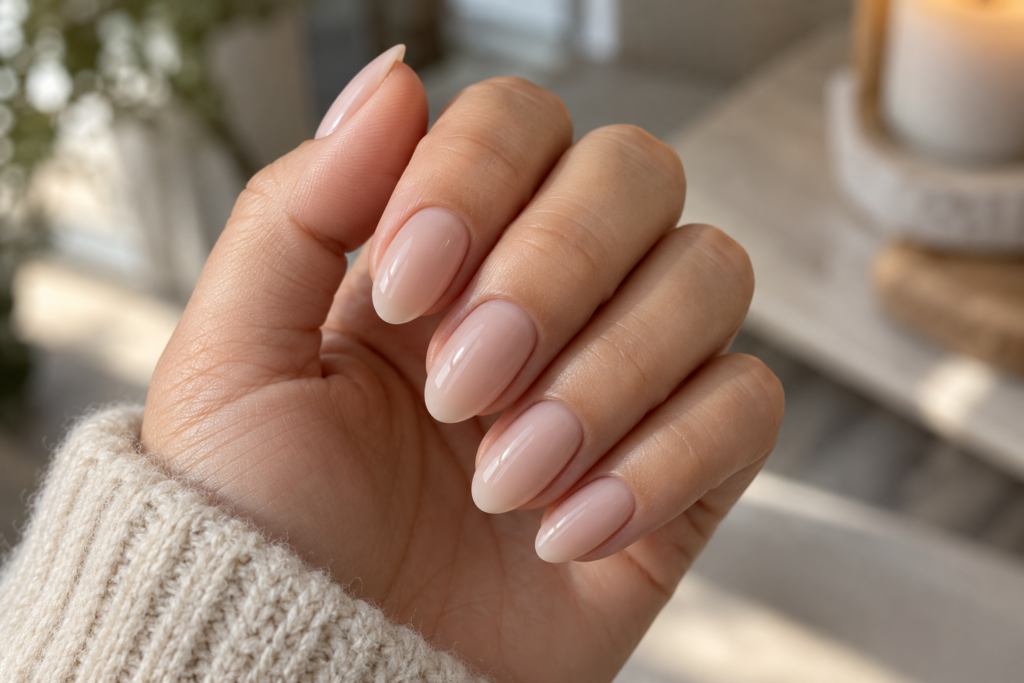
Press-on nails applied with strong nail glue can last up to about two weeks with proper application and reasonable care, while sets applied with adhesive tabs typically hold on for anywhere from a few hours to about a week, depending heavily on daily activity and how well the tabs were applied. The specific adhesive method used is the single biggest factor separating a set that barely lasts an evening from one that comfortably makes it through a week or more.
Beyond adhesive type, factors like nail size accuracy, how much water exposure your hands get, and even individual differences in natural nail oil production all play a meaningful role in how long any particular set actually holds up.
Does Nail Glue or Adhesive Tabs Make Press-Ons Last Longer?
Nail glue generally creates a significantly stronger, longer-lasting bond than adhesive tabs, making it the better choice for anyone wanting their press-ons to last closer to the full two-week range. Adhesive tabs offer a gentler, more temporary hold that’s easier to remove without acetone, which makes them a better fit for short-term wear, like a single event or a weekend, rather than extended daily use.
What Actually Affects How Long a Set Holds Up
A handful of specific factors explain most of the variation people experience with press-on wear time, beyond just which adhesive they chose.
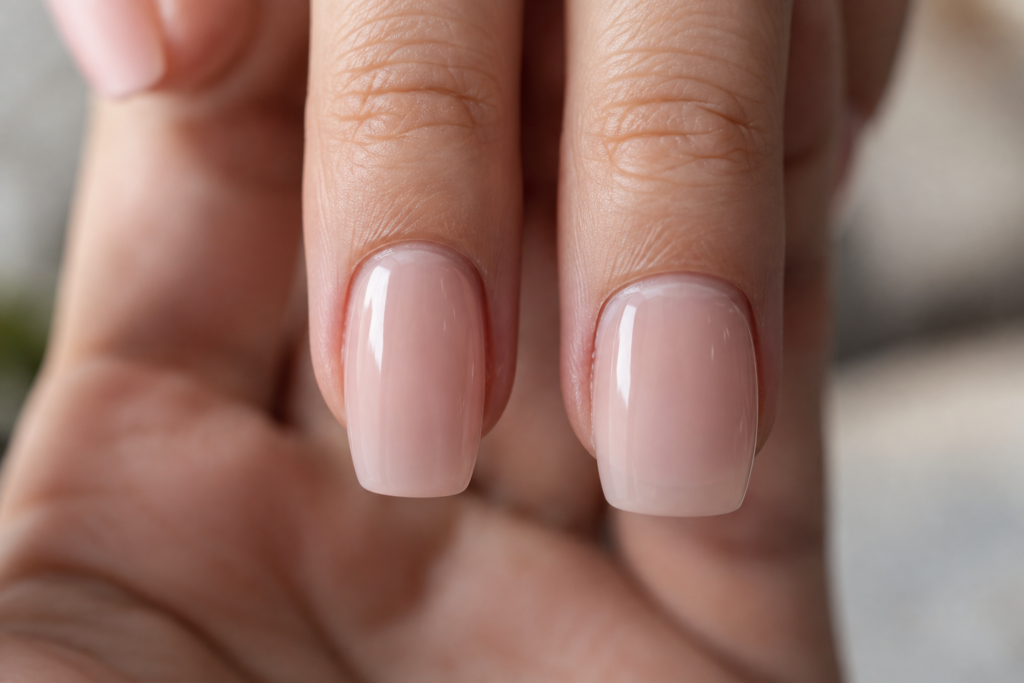
Nail size accuracy matters enormously. A tip that’s even slightly too large or too small for a particular nail bed creates weak points along the edges where lifting tends to start first, regardless of how strong the adhesive itself is. Water exposure genuinely shortens wear time too, since frequent hand washing, dishwashing, or swimming all gradually weaken adhesive bonds over repeated exposure, even with glue.
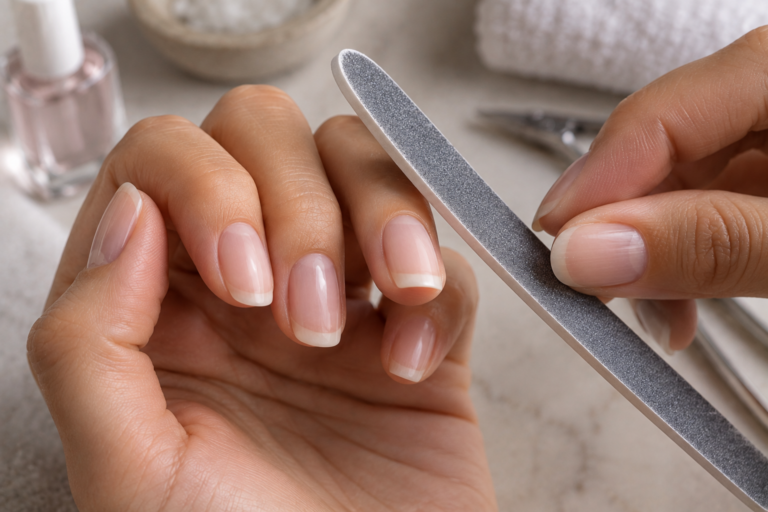
Individual variation in natural nail oil production also plays a real role. Some people’s nails simply produce more natural oil than others, and that oil can interfere with how well adhesive holds over time, sometimes causing press-ons to lift noticeably faster on naturally oilier nail beds compared to drier ones. Application technique matters just as much as any of these factors, since properly prepping the natural nail, removing oils and buffing away shine before applying adhesive, makes a measurable difference in how securely a set bonds from the start.
Why Do Press-On Nails Sometimes Fall Off Within Just a Few Hours?
Press-ons that fall off quickly are usually the result of a poor size match between the tip and the natural nail, insufficient nail prep before application, particularly skipping the step of removing natural oils and buffing away shine, or simply using an adhesive tab rather than stronger nail glue for a set intended to last longer. Reapplying with properly prepped nails, a better-matched tip size, and a stronger adhesive if longer wear is the goal typically resolves this issue.
Can You Reuse Press-On Nails?
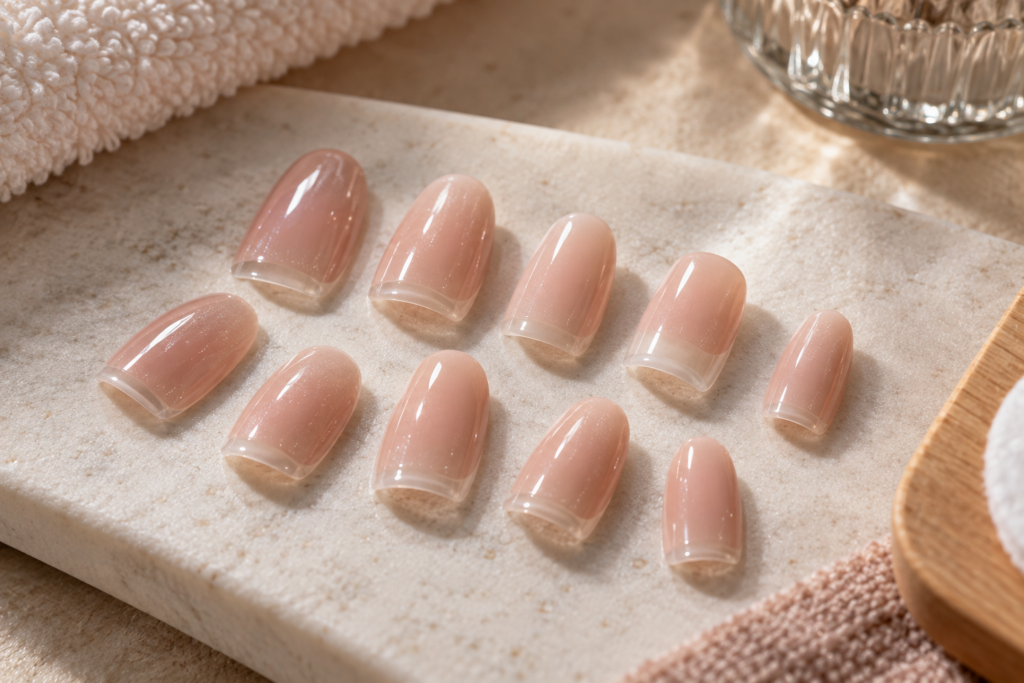
Yes, press-on nails can genuinely be reused, particularly sets that were removed carefully rather than forced off, and this is one of the more practical advantages of press-ons compared to most other nail enhancement types. A well-cared-for set, especially one without significant nail art or embellishments prone to damage, can often be worn multiple times before it needs to be retired.
Reusability does depend heavily on how the set was originally removed and how well it’s been stored between wears, both of which affect whether the tips still fit well and hold adhesive effectively on a second or third use.
How Many Times Can You Reuse the Same Set of Press-On Nails?
Most press-on sets can realistically be reused somewhere between two and five times, depending on how carefully they were removed and stored, though this number can vary quite a bit based on individual handling and the specific quality of the tips themselves. Sets applied with gentler adhesive tabs tend to have an easier path to multiple reuses than sets removed after being applied with strong nail glue, simply because there’s less residue buildup to manage between wears.
How to Prep a Used Set for Reapplication
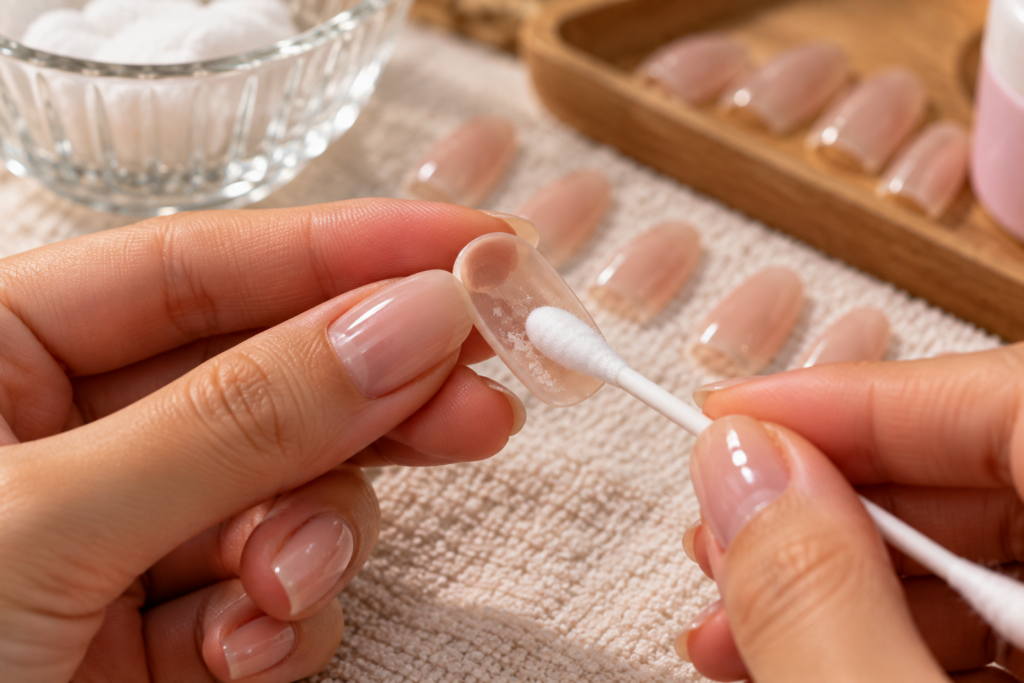
Getting a previously worn set ready to go again takes a bit of cleanup work, but it’s a straightforward process once you know what to look for.
Gently remove any remaining adhesive residue from the underside of each tip using a soft buffer or a cotton swab dipped in rubbing alcohol, working carefully to avoid altering the tip’s curve or fit. Inspect each tip closely for any cracking, warping, or significant wear along the edges, since these issues generally mean a tip is better retired than reused, even if it looks fine at first glance.
If the top design or polish has worn or chipped since the last wear, you can touch it up or fully repaint it before storing the set again, giving the whole set a fresh look for its next use without needing to make entirely new tips from scratch.
Storing Press-On Nails Between Wears
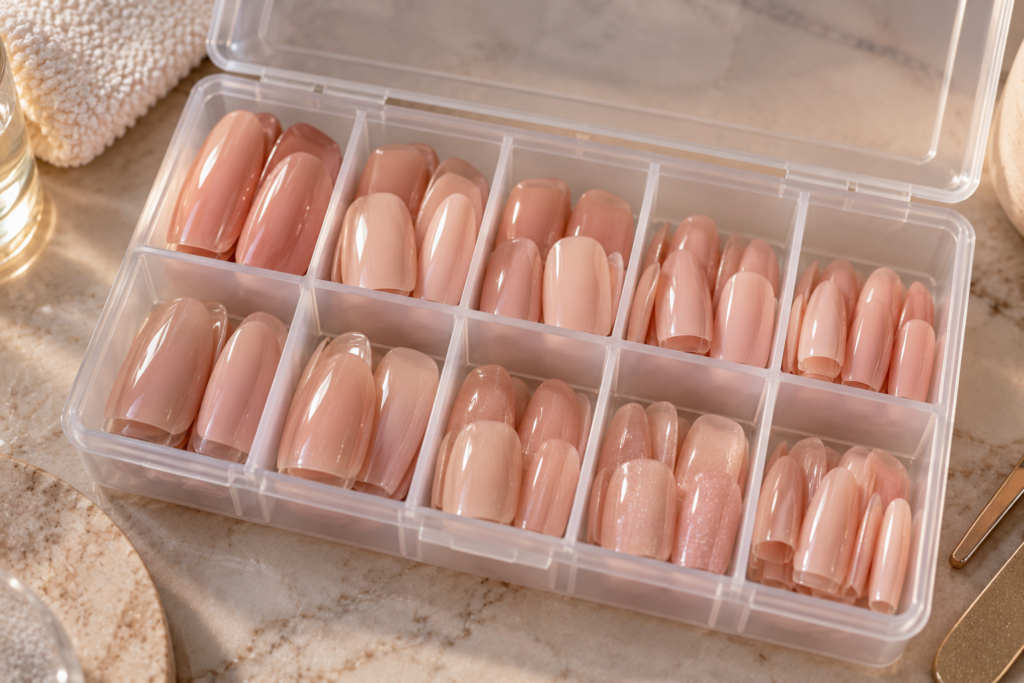
Proper storage genuinely extends how many times a set can be worn before it needs replacing, and it’s a simple habit worth building if you plan to reuse your press-ons regularly.
Keeping tips in a labeled container, organized by size, prevents mismatched pairs and makes finding a complete set much faster the next time you want to wear them. Avoiding excessive heat or direct sunlight during storage helps prevent warping or fading, particularly relevant if tips are ever left in a hot car or near a sunny window for an extended period.
How Should You Store Press-On Nails Between Wears to Keep Them Reusable?
Press-on nails should be stored in a labeled, size-organized container away from direct heat or sunlight, both of which can warp or fade the tips over time. Keeping tips flat rather than stacked under pressure, and avoiding bending or flexing them unnecessarily during storage, helps preserve their original shape and fit for future wears.
Frequently Asked Questions
1. Do press-on nails last longer on fingernails or toenails?
Press-ons generally hold up somewhat longer on toenails than fingernails, mainly because feet experience less frequent water exposure and friction from daily hand activities like washing dishes or typing, both of which tend to shorten wear time on fingernails.
2. Can you shower with press-on nails on without them coming off?
Yes, properly applied press-ons can typically handle normal showering without issue, though prolonged soaking or very hot water over extended periods can gradually weaken the adhesive bond and shorten overall wear time.
3. Does the shape or length of a press-on nail affect how long it lasts?
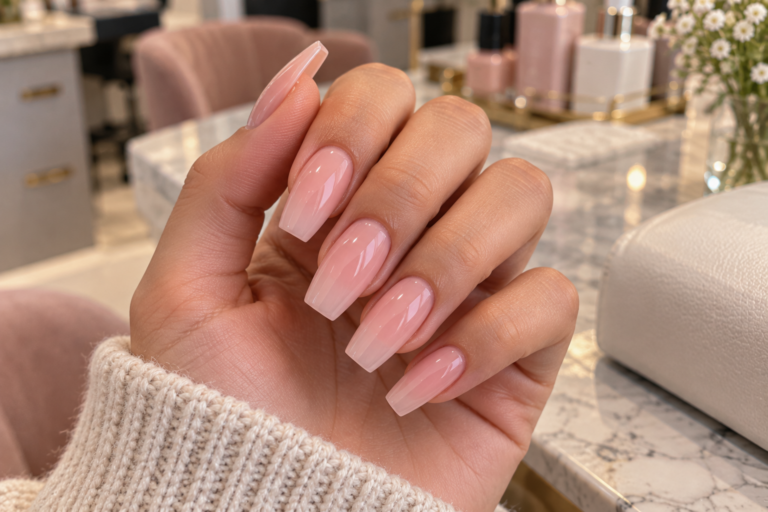
Yes, longer or more dramatically shaped tips, like stiletto or coffin shapes, generally experience more leverage and stress at the point where they meet the natural nail, which can make them somewhat more prone to lifting or snapping compared to shorter, rounder shapes.
4. Can you extend the life of press-on nails with a top coat?
Yes, applying a fresh layer of top coat partway through wear can help refresh shine and add a small amount of extra protection against everyday wear, though it won’t significantly extend the underlying adhesive bond’s actual holding power.
5. Is it normal for one or two nails in a set to fall off before the rest?
Yes, it’s common for one or two nails, often the ones experiencing the most friction or water exposure, like the thumb or index finger, to lift or fall off before the rest of the set, since those fingers typically see more daily wear than the others.
6. Can you reuse press-on nails that were applied with strong nail glue?
Yes, glue-applied press-ons can still be reused after a proper acetone soak-off removal, as long as the tips themselves aren’t cracked or warped, though they’ll need thorough residue cleaning from the underside before reapplication.
7. Does climate or humidity affect how long press-on nails last?
Yes, high humidity can weaken adhesive bonds more quickly than drier conditions, which is why press-ons sometimes seem to hold up noticeably better or worse depending on the season or general climate someone lives in.
8. Can you speed up press-on removal without damaging the tips for reuse?
Yes, a gentle warm water soak for adhesive tabs, or a proper acetone soak for glue-applied sets, both work faster and more safely than forcing tips off, and this careful approach also better preserves the tips themselves for future reuse.
9. Do custom-made press-ons last longer than store-bought ones?
Custom-made press-ons don’t inherently last longer purely because they’re handmade, since wear time depends mainly on adhesive type, fit accuracy, and application technique rather than whether the design itself was store-bought or self-made.
10. Is it worth buying a full-coverage tip versus a partial one for longer wear?
Full-coverage tips, which cover the entire visible nail surface, generally provide more consistent adhesion across the whole nail compared to partial-coverage styles, which can sometimes be more prone to lifting at the edges where coverage stops short of the natural nail’s full width.