How Do Nails Grow Fast, and How Can You Strengthen Them?
Everyone wants nails that grow quickly and hold up well without constantly chipping, splitting, or peeling, but the honest truth is that growth rate itself is mostly out of your hands, dictated largely by genetics, age, and overall health. What you actually have meaningful control over is strength and resilience, which matters more day to day anyway, since strong nails hold their length and shape far better than nails that grow fast but break constantly.
This article covers what genuinely affects how quickly nails grow, the nutrition and hydration habits that support healthier growth, how to protect nails from the everyday damage that undoes progress, and a few supportive habits like cuticle massage that are worth understanding honestly rather than oversold.
How Fast Do Nails Actually Grow?
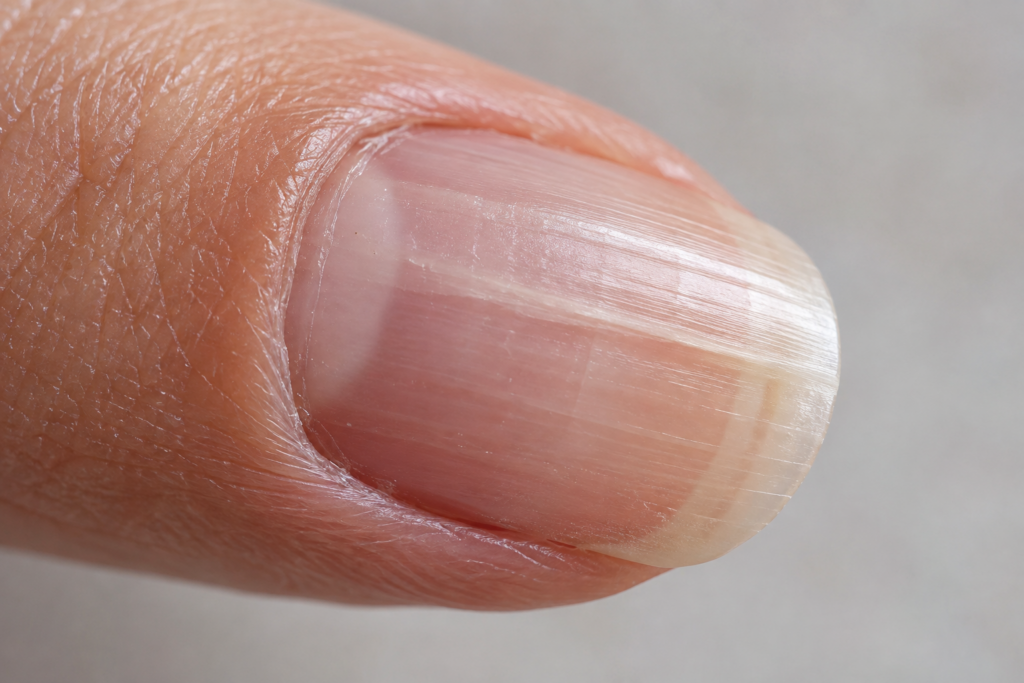
Nails grow continuously from the matrix, a growth center located under the cuticle, with new cells forming and gradually pushing older cells forward as visible nail plate. Growth rate is largely determined by genetics, age, and overall health, and while it varies somewhat from person to person, dramatic increases in speed beyond your natural baseline generally aren’t realistic, regardless of what any specific product claims.
Fingernails typically grow faster than toenails, and growth commonly slows somewhat with age. Circulation, general health status, and even the specific finger being measured all play some role, with the middle finger often growing fastest of the bunch.
Can You Speed Up Nail Growth, or Is the Rate Fixed by Genetics?
Genetics largely sets your baseline nail growth rate, and there’s no reliable way to dramatically speed up growth beyond that natural pace. That said, supporting overall health through proper nutrition, hydration, and avoiding habits that damage nails can help you reach and maintain your genetically determined potential rather than falling short of it due to preventable breakage or slow recovery from damage.
Nutrition and Nail Growth
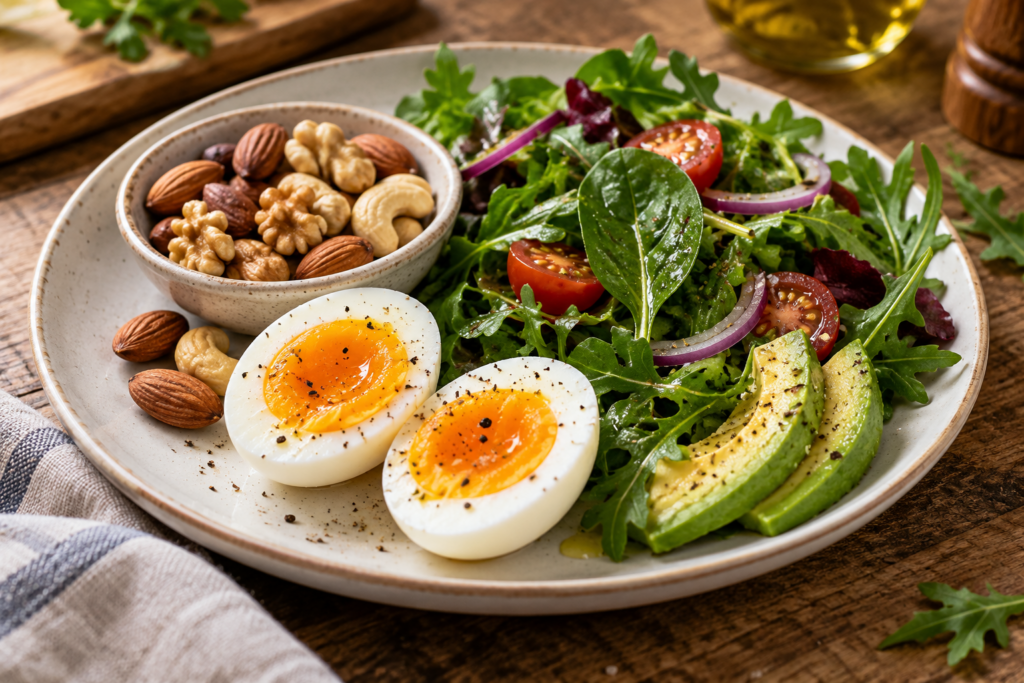
Since nails are made almost entirely of keratin, a protein, adequate protein intake genuinely matters for supporting healthy growth. Beyond protein specifically, several nutrients commonly get attention for their connection to nail health.
Biotin, a B vitamin, is probably the most frequently discussed nutrient in this context, and it does have some genuine backing, particularly for people dealing with noticeably brittle nails. Iron and zinc are also commonly associated with nail health, since deficiencies in either have been linked to changes in nail appearance and texture in some cases.
Does Biotin Actually Help Nails Grow Faster or Just Look Healthier?
Biotin supplementation has shown some evidence of improving nail thickness and reducing brittleness in people with noticeably weak or brittle nails, though it’s less clear that biotin meaningfully speeds up the actual rate of nail growth for people who don’t have an underlying deficiency. For most people with already adequate biotin intake through diet, additional supplementation is unlikely to produce dramatic changes, though it remains a commonly recommended option for people specifically struggling with brittle nail texture.
What Vitamin Deficiency Causes Weak, Brittle Nails?
Several nutrient deficiencies have been associated with weak or brittle nails, including insufficient biotin, iron, and protein intake, though brittle nails can also result from external factors like excessive water exposure or harsh chemical use rather than a nutritional cause alone. Anyone experiencing persistent, unexplained nail brittleness or significant changes in nail texture is generally better served discussing it with a doctor than self-diagnosing a specific deficiency and self-treating with supplements.
Hydration and Moisturizing for Stronger Nails
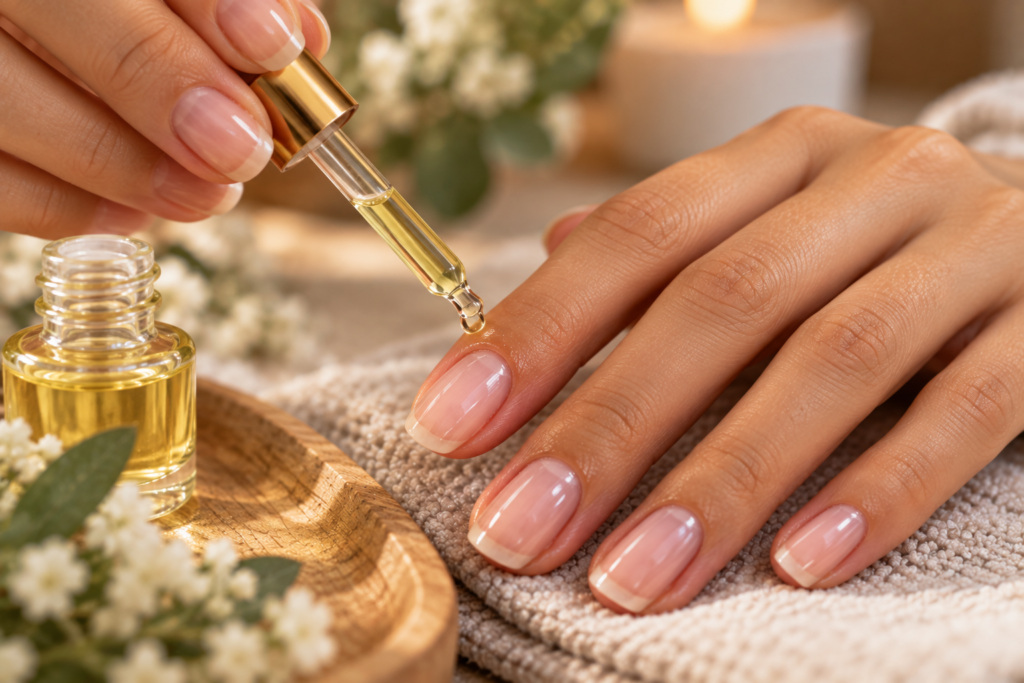
Proper hydration genuinely affects how flexible and resistant to splitting nails are, since dehydrated nails become brittle and prone to cracking far more easily than well-moisturized ones.
Applying cuticle oil regularly, ideally daily, helps keep both the nail plate and surrounding skin properly hydrated. Using gloves during dishwashing or other prolonged water exposure protects nails from the repeated wetting and drying cycle that gradually weakens and dries them out over time. Following up any water exposure with a moisturizer or hand cream, rather than letting nails air dry repeatedly throughout the day, also supports better overall hydration.
Protecting Nails From Everyday Damage
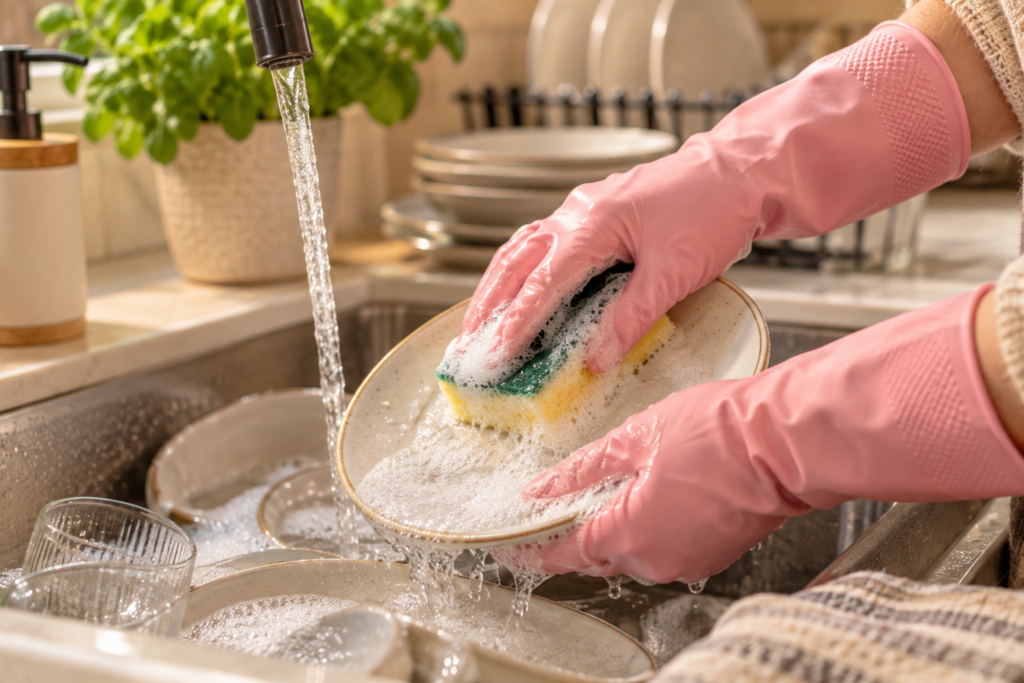
Even with excellent nutrition and hydration habits, physical damage from everyday activities can undo a lot of that progress if left unaddressed.
Avoiding using nails as tools, for opening packages, scraping labels, or similar tasks, prevents a huge amount of avoidable breakage and splitting. Proper filing technique, working in one consistent direction rather than sawing back and forth, protects nails from the kind of microscopic damage that leads to peeling and splitting over time. Giving nails occasional breaks from gel, acrylic, or other enhancements, rather than maintaining continuous back-to-back wear indefinitely, also allows natural nails time to recover strength between applications.
Circulation, Massage, and Other Supportive Habits
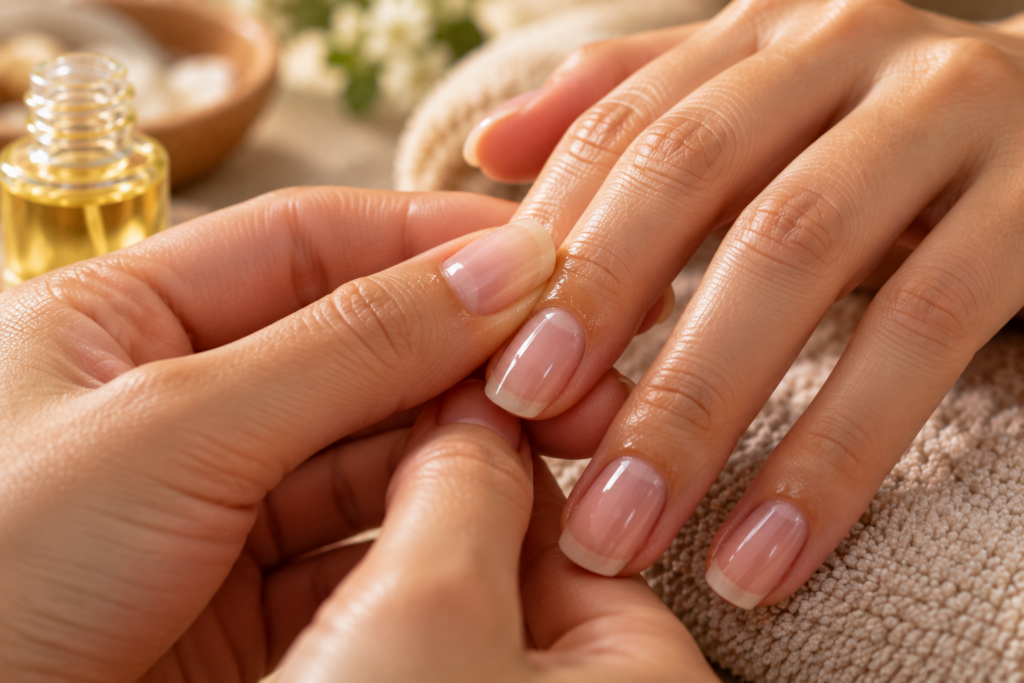
A few additional habits, while not miracle solutions, genuinely support the underlying conditions nails need to grow and stay strong.
Does Massaging Your Cuticles Actually Help Nails Grow?
Gentle cuticle and nail bed massage can support local blood circulation, which theoretically helps deliver nutrients to the nail matrix where new growth actually happens, though the effect on growth rate itself is likely modest rather than dramatic. Regular massage combined with cuticle oil application is still a reasonable, low-effort habit worth incorporating, both for the potential circulation benefit and for keeping the surrounding skin healthy and well-moisturized.
Frequently Asked Questions
1. Does trimming nails frequently make them grow back faster?
No, trimming nails doesn’t affect how quickly they grow, since growth happens entirely at the matrix near the cuticle, completely separate from the visible length being trimmed at the free edge.
2. Can stress affect how fast or how healthy your nails grow?
Yes, chronic stress can indirectly affect nail health through its broader impact on overall body function and nutrient absorption, sometimes contributing to slower growth or increased brittleness, though this connection is generally considered secondary to more direct factors like nutrition and physical care.
3. Does drinking more water directly make nails grow faster?
Adequate hydration supports overall nail flexibility and reduces brittleness, which indirectly helps nails maintain length without breaking, though drinking more water doesn’t directly speed up the actual rate of new cell production at the nail matrix.
4. Can nail strengthening polishes actually make a real difference?
Yes, many nail strengthening formulas contain ingredients that add a protective, hardening layer over the natural nail, which can genuinely help reduce splitting and peeling, though they work more by protecting and reinforcing the existing nail than by fundamentally changing its underlying structure.
5. Does age affect how fast nails grow?
Yes, nail growth rate generally slows somewhat with age, commonly linked to gradually reduced circulation and slower cell turnover throughout the body, which is a normal part of aging rather than typically signaling an underlying health issue on its own.
6. Can wearing gloves regularly actually improve nail strength over time?
Yes, consistently wearing gloves during activities involving water, chemicals, or friction genuinely protects nails from repeated stress and drying, which over time supports stronger, less brittle nails compared to frequent unprotected exposure.
7. Is it normal for nail growth rate to differ between fingers on the same hand?
Yes, it’s completely normal for growth rate to vary slightly between fingers, with the middle finger commonly growing fastest and the thumb often growing slowest, a pattern that’s considered typical rather than a sign of any problem.
8. Does eating more protein specifically help with nail strength?
Yes, since nails are built almost entirely from keratin, a protein, adequate overall protein intake genuinely supports the raw material needed for healthy nail growth, making it one of the more directly relevant nutritional factors for nail health specifically.
9. Can weak nails ever be a sign of a more serious underlying health issue?
Yes, in some cases persistently brittle, ridged, or otherwise abnormal-looking nails can be associated with underlying health conditions, which is why noticeable, unexplained changes in nail appearance or texture are generally worth discussing with a doctor rather than assumed to be purely cosmetic.
10. Does filing nails into a specific shape affect how strong they are?
Shape itself doesn’t significantly affect underlying nail strength, though certain shapes with sharper corners or points, like stiletto, are more prone to catching and breaking than rounder shapes, making shape choice more relevant to breakage risk than to the nail’s inherent structural strength.