What Is Gel-X for Nails? A Complete Explanation
Gel-X started as a specific product name, but it’s become one of those terms that’s basically taken over as the common way people describe an entire category of nail extensions, similar to how certain brand names end up standing in for a whole product type. Today, when someone asks about Gel-X nails, they’re usually asking about soft gel tip extensions generally, a method that’s become genuinely popular for being lighter, more natural-feeling, and easier to remove than traditional acrylic.
This article explains exactly what this extension method involves, how it stacks up against acrylic and other extension types, the actual application and removal process, and realistic expectations for how long a set holds up.
What Are Gel-X Nails?
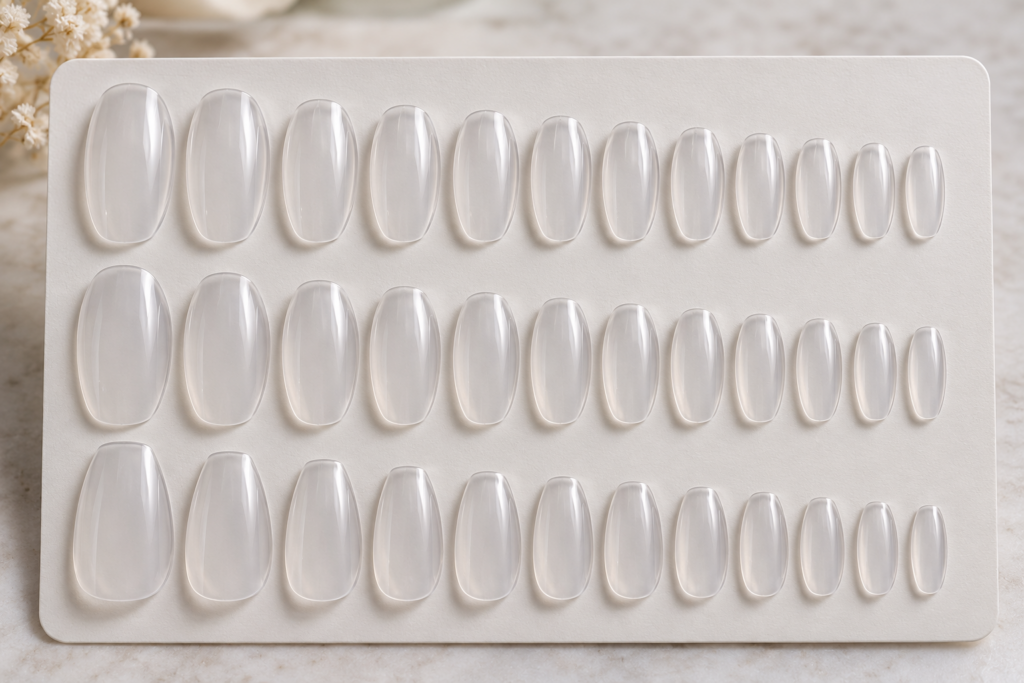
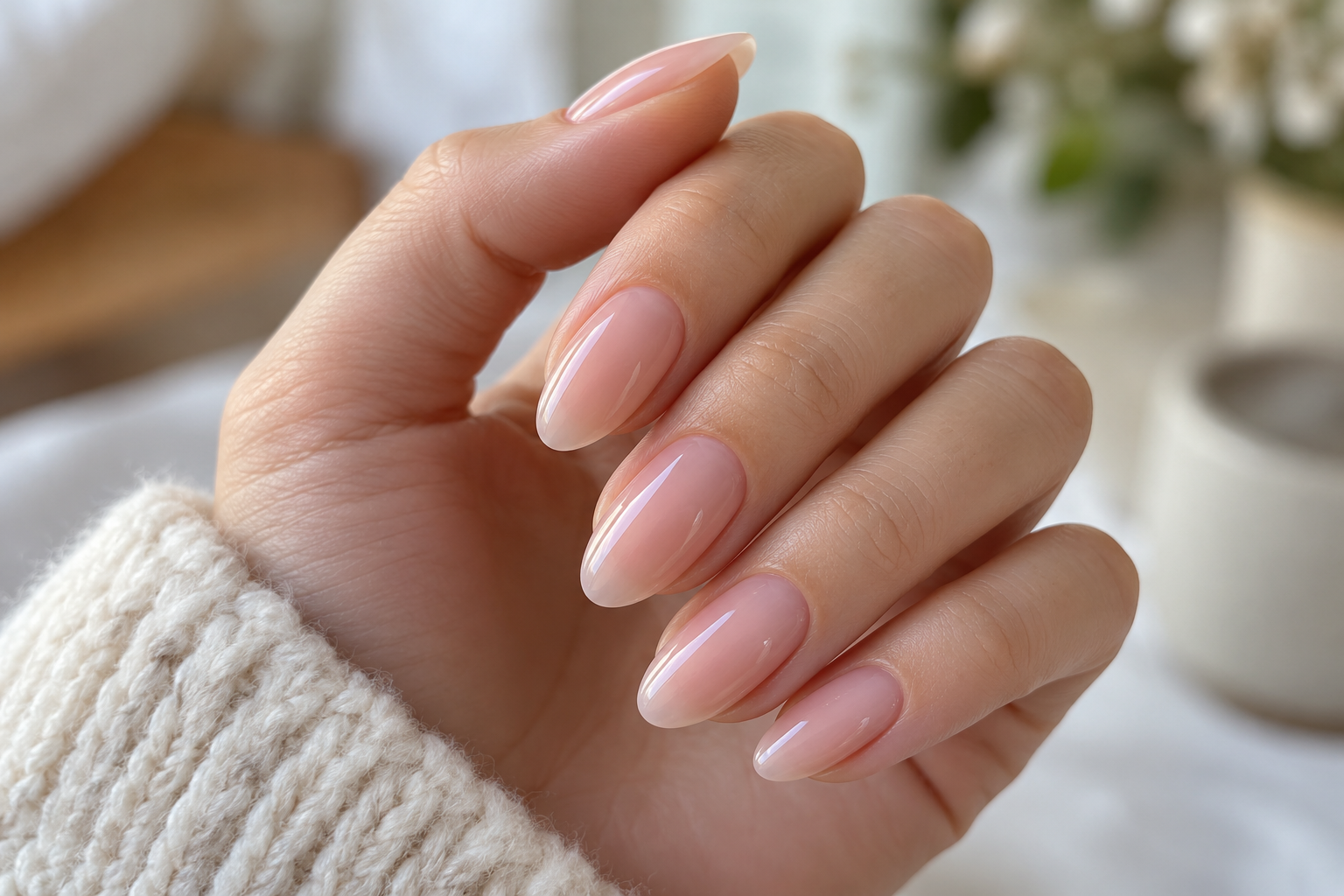
Gel-X refers to a soft gel tip extension system built around pre-shaped, flexible gel tips that are bonded onto the natural nail and then covered with a layer of builder gel to blend everything into one seamless, cured surface. Unlike traditional hard plastic tips or hand-sculpted acrylic, these tips are made from a soft, pliable gel material that flexes slightly, giving the finished result a lighter, more natural feel on the hand.
The whole system relies on UV or LED curing throughout, meaning there’s no liquid monomer or the strong chemical odor associated with traditional acrylic application, which is a big part of why this method has become so popular for people who want extensions without the smell or heaviness some associate with older acrylic techniques.
Does Gel-X Use Pre-Shaped Tips or Is It Sculpted Like Acrylic?
Gel-X uses pre-shaped, ready-made soft gel tips rather than the hand-sculpted, freehand technique traditional acrylic relies on. A technician selects the closest matching tip size and shape from a range of pre-made options for each individual nail, bonds it in place, then builds a layer of gel over the blend area to smooth the transition and add strength, rather than shaping a liquid-and-powder bead entirely by hand.
How Gel-X Compares to Acrylic and Other Extensions
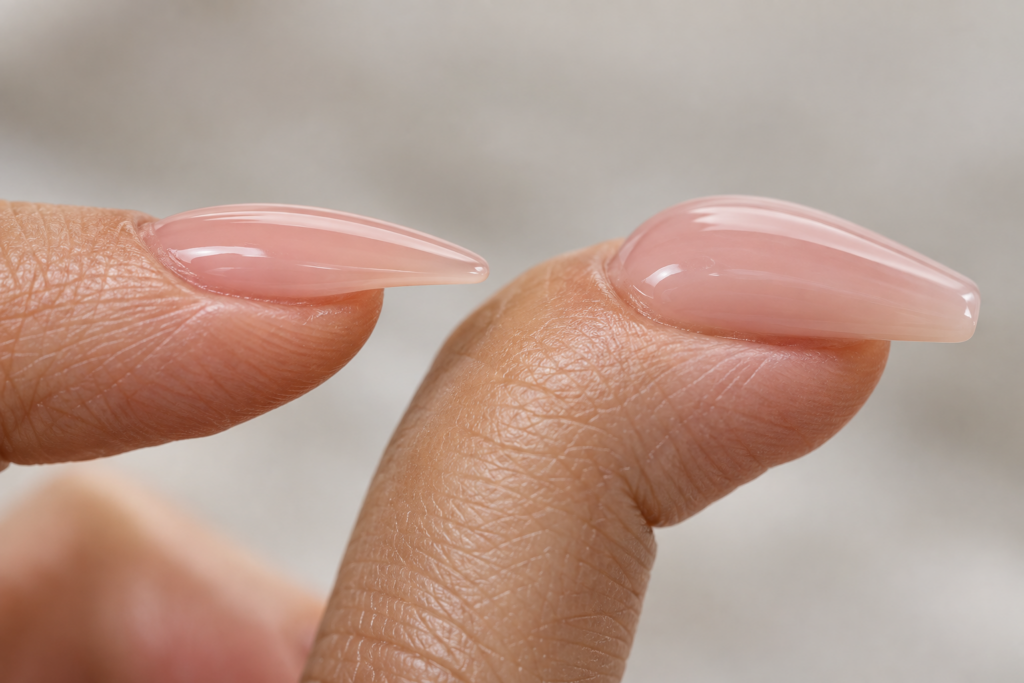
Gel-X and acrylic both add length and structure to natural nails, but they arrive at that result through genuinely different processes and materials.
Acrylic relies on a liquid monomer mixed with powder to form a moldable bead, sculpted by hand over a tip or form and hardened through a chemical curing process without any light involved. Gel-X, by contrast, starts from a pre-shaped tip and uses light-cured gel to bond and reinforce it, which tends to result in a thinner, lighter final product compared to a full acrylic sculpt. Polygel sits somewhere in between, using a thick, moldable gel material that still requires hand-sculpting similar to acrylic, just with light-based curing instead of a chemical reaction.
How Is Gel-X Different From Acrylic Nails?
Gel-X differs from acrylic primarily in its use of pre-shaped soft gel tips rather than a hand-sculpted liquid-and-powder material, resulting in a lighter, more flexible final product with essentially no chemical odor during application. Acrylic generally offers more flexibility for dramatic sculpted shapes and length since it’s built entirely by hand, while Gel-X tends to produce a more consistently natural-looking result faster, given the pre-made tip as a starting foundation.
How Gel-X Nails Are Applied
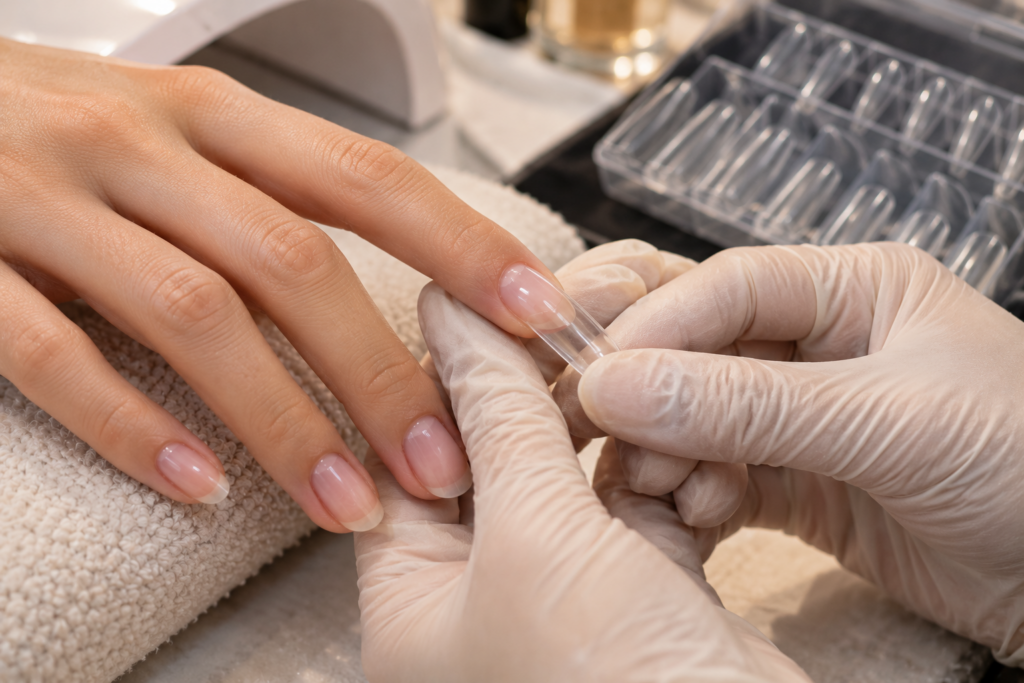
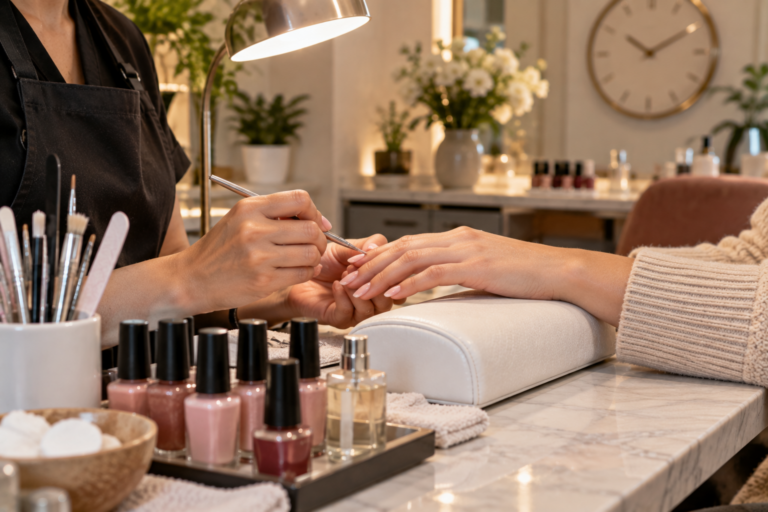
Application starts with standard nail prep, shaping the natural nail, pushing back cuticles, and lightly buffing the surface to improve adhesion. A technician selects the best-fitting pre-shaped tip for each nail, then bonds it using either nail glue or a gel-based adhesive, positioning it carefully to sit naturally against the cuticle line.
Once tips are secured, a layer of builder gel gets brushed over the blend zone where the tip meets the natural nail, smoothing out any visible seam and adding reinforcement. This gets cured under a UV or LED lamp, then the whole nail is shaped, buffed, and finished with a top coat or additional color as desired.
How Gel-X Nails Are Removed
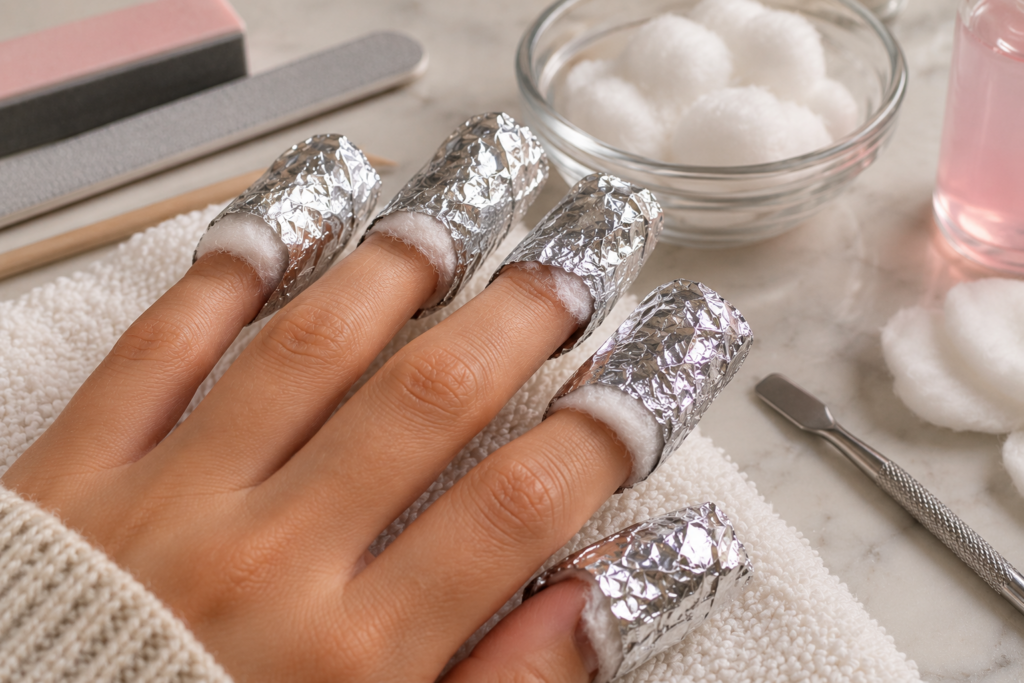
Gel-X extensions are designed as a soak-off system, meaning removal follows the standard acetone soak process used for soft gel and builder gel products, rather than requiring the more involved filing typically needed for traditional hard acrylic.
Is Gel-X Easier to Remove Than Acrylic Nails?
Yes, Gel-X is generally considered easier to remove than traditional acrylic, since it’s built to be fully soak-off with acetone rather than requiring extensive filing. This soak-off design is actually one of the more commonly cited advantages of this extension method, since it typically means less abrasive removal and, when done properly with adequate soak time, less potential stress on the natural nail plate underneath.
How Long Do Gel-X Nails Last
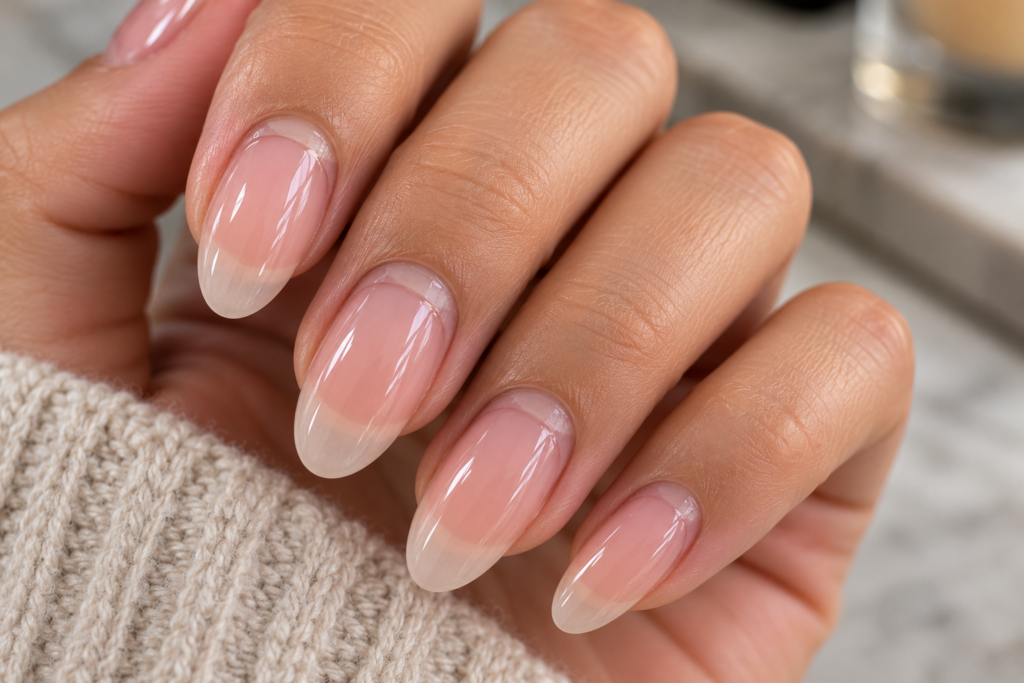
Gel-X extensions typically last around three to four weeks before natural growth creates a visible gap near the cuticle, similar to other gel-based enhancement timelines. Regular fill appointments help maintain the set’s appearance as natural nail growth occurs underneath the extension.
How Long Does a Gel-X Manicure Typically Last?
A Gel-X set generally holds up well for about three to four weeks before a fill or fresh application becomes worthwhile, comparable to the typical timeline for other gel-based extensions like builder gel or polygel. Individual nail growth rate and daily activity level both play some role in exactly how long any specific set looks fresh before needing attention.
Frequently Asked Questions
1. Does Gel-X feel heavier or lighter than acrylic nails on the hand?
Gel-X generally feels noticeably lighter than acrylic, since the pre-shaped soft gel tips combined with a thinner overlay of builder gel create a less bulky, more flexible final result compared to a full acrylic sculpt.
2. Can Gel-X be applied on very short natural nails?
Yes, Gel-X works well even on very short natural nails, since the pre-shaped tips provide the length and structure, meaning the natural nail underneath doesn’t need much existing length to start with.
3. Does Gel-X require any special aftercare compared to other extensions?
Gel-X generally follows the same aftercare principles as other gel-based enhancements, including regular moisturizing, avoiding using nails as tools, and giving nails occasional breaks between sets, without requiring any meaningfully different routine specific to this system.
4. Is Gel-X a good option for people with a history of acrylic allergies?
Not necessarily, since Gel-X still uses acrylate and methacrylate-based gel products similar to other gel enhancements, meaning someone with a known methacrylate sensitivity could still experience a reaction, making it worth discussing any known sensitivities with a nail technician beforehand.
5. Can nail art be added to Gel-X extensions?
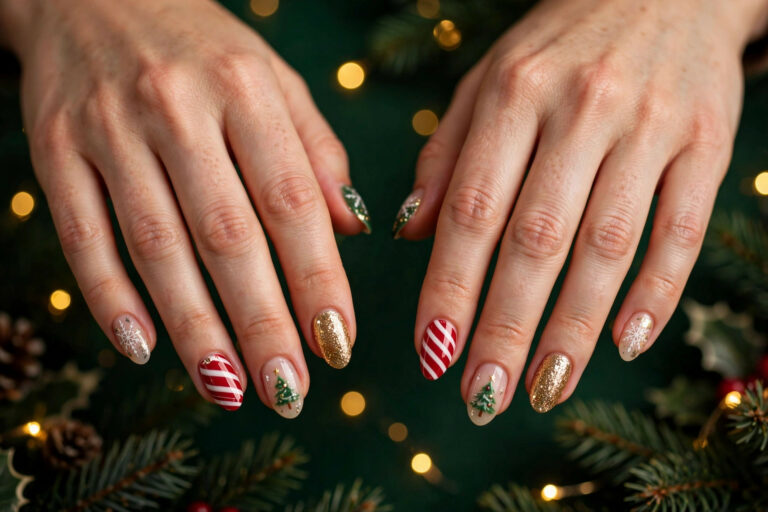
Yes, nail art works well on Gel-X extensions, and the smooth, blended surface created by the builder gel overlay actually provides a clean, even base for hand-painted designs, chrome finishes, or embellishments.
6. Does Gel-X smell during application the way acrylic does?
No, Gel-X has essentially no strong chemical odor during application, since it doesn’t use the liquid monomer responsible for acrylic’s distinctive smell, relying instead on light-cured gel products throughout.
7. Can you get a fill for Gel-X nails, or does the whole set need to be redone?
Yes, Gel-X extensions can be filled as natural nail growth occurs, similar to acrylic or builder gel fills, maintaining the existing tips while addressing the visible gap near the cuticle rather than requiring a completely fresh application each time.
8. Is Gel-X more expensive than a standard acrylic set?
Gel-X often costs somewhat more than a basic acrylic set, reflecting the specialized pre-shaped tips and gel products involved, though exact pricing varies significantly by salon, location, and any additional nail art or length requested.
9. Can Gel-X be done on toenails as well as fingernails?
Gel-X is primarily designed and marketed for fingernail application, given the technique’s focus on pre-shaped tips suited to typical fingernail proportions, and most salons don’t commonly offer it as a toenail-specific service.
10. Does Gel-X work well for people who want a more natural-looking extension?
Yes, Gel-X is specifically known for producing a more natural-looking result compared to some other extension methods, largely due to the flexible, thinner tip material and the smooth blending achieved with the builder gel overlay.
For a closer look at similar systems, see our guides to BIAB nails and builder gel.