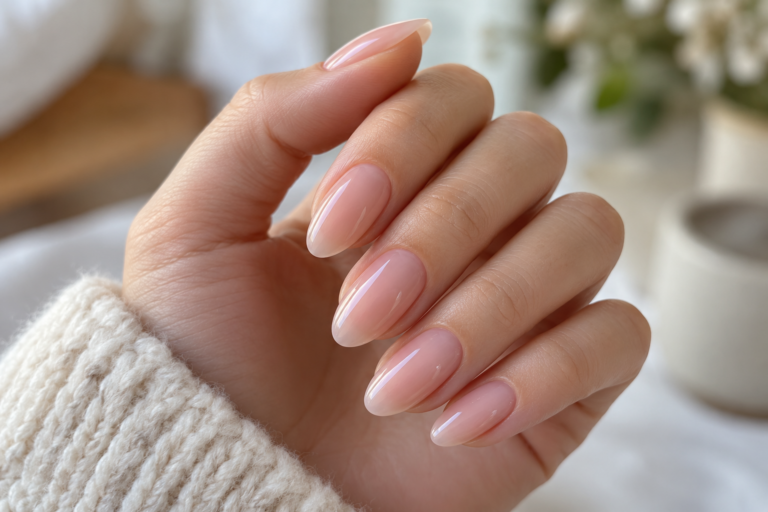
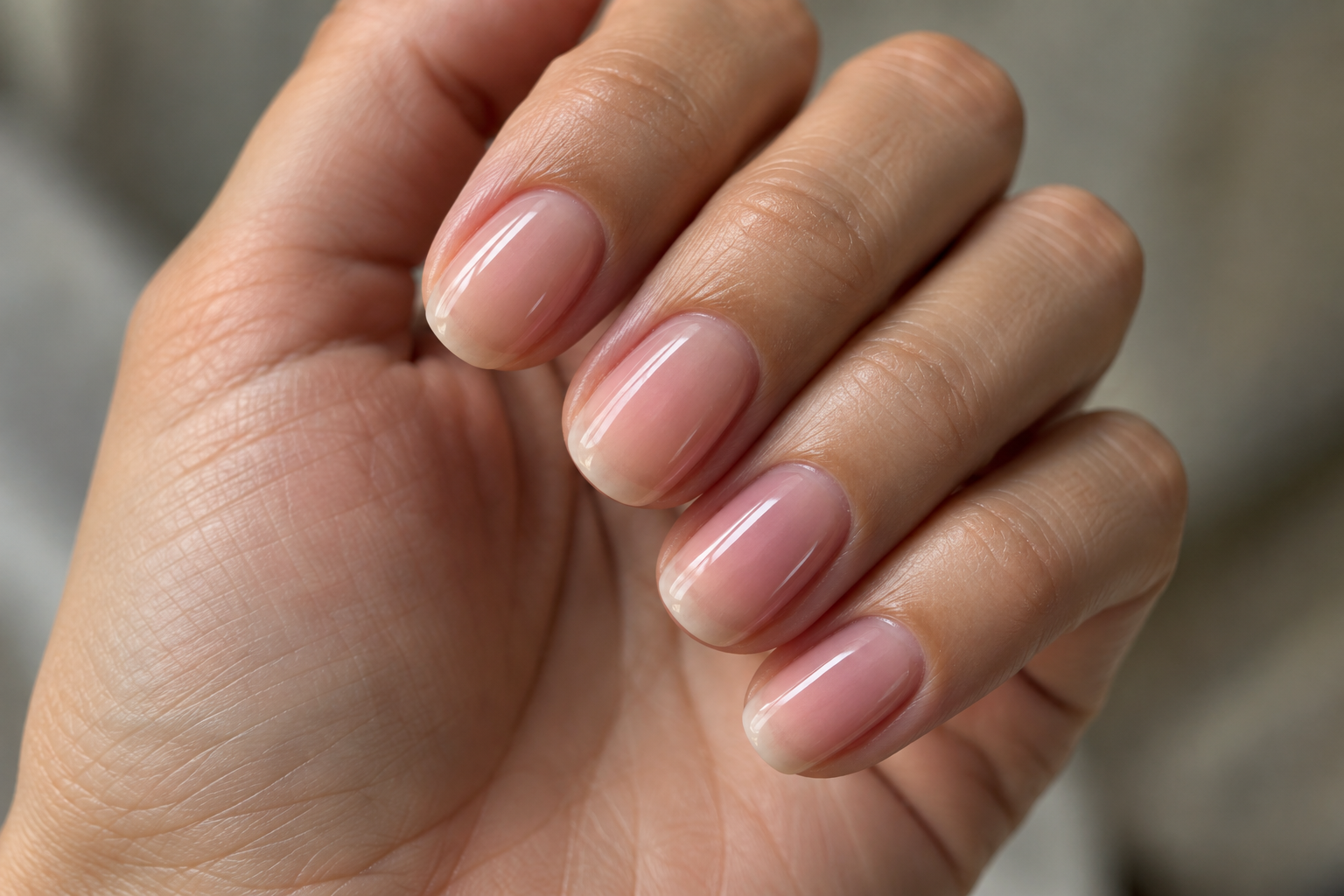
What Is BIAB Nails? Origin, Meaning, and How It Works
BIAB has become one of those terms nail lovers throw around constantly, but a lot of people using it couldn’t actually tell you where the name came from or what specifically sets it apart from the half-dozen other gel-based enhancement options out there. It’s not just industry jargon either. Understanding what BIAB actually is, and why it became such a fixture in modern nail care, genuinely helps you decide whether it’s the right choice for your own nails.
This article covers where the term originated, what makes BIAB function as a genuine all-in-one product, the “apex” concept that shows up constantly in BIAB conversations, how it supports natural nail growth specifically, and the mistakes people commonly make with it.
What Is BIAB, and Where Did the Term Come From?
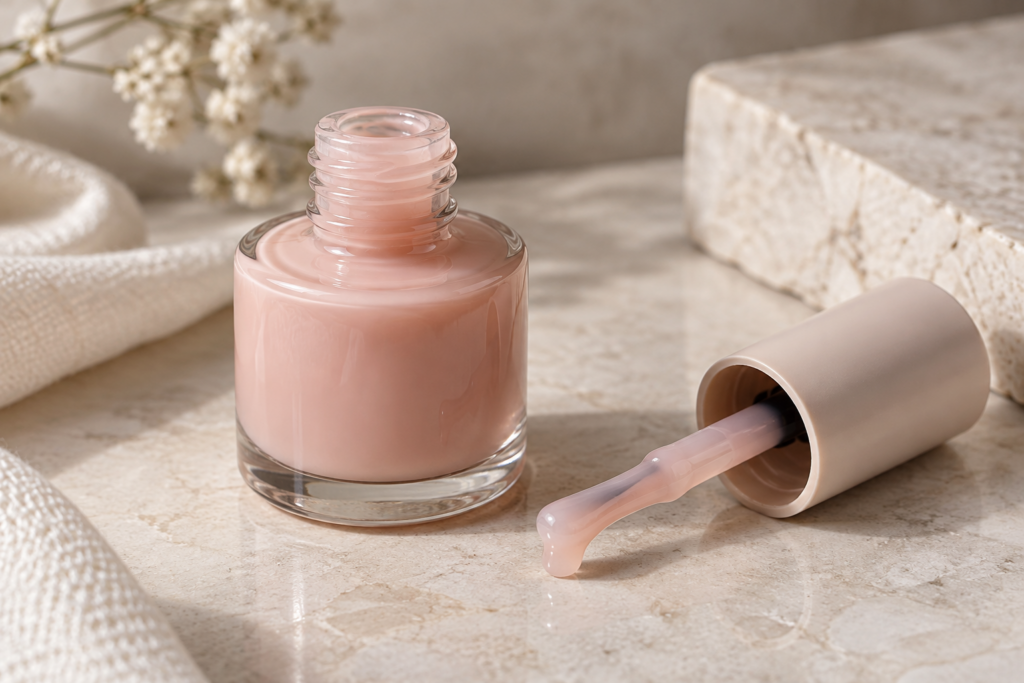
BIAB stands for Builder In A Bottle, a trademarked term originally created by a UK-based nail brand called The Gel Bottle, which launched the product in the mid-2010s. It refers to a brush-on builder gel designed to add strength and structure to the natural nail, cured under a UV or LED lamp, and the term has since become the common, generic way people refer to this entire category of product, regardless of which specific brand made it.
The original idea behind BIAB was reportedly born out of frustration with the existing options at the time, since nail professionals were essentially choosing between quick, purely cosmetic gel polish with no real structural benefit, or the more time-intensive process of building hard gel or acrylic extensions. BIAB was developed to bridge that gap, offering genuine strengthening benefits without the complexity of a full extension system.
Is BIAB the Same Thing as Builder Gel?
Yes, BIAB and builder gel refer to essentially the same category of product, a thicker, structural gel formula designed to reinforce the natural nail. BIAB started as one specific brand’s trademarked name for this product type, and it’s since become widely used across the industry as a general term, similar to how certain other branded terms have become the common way people describe an entire product category rather than one specific manufacturer’s version.
What Makes BIAB an All-in-One Product?
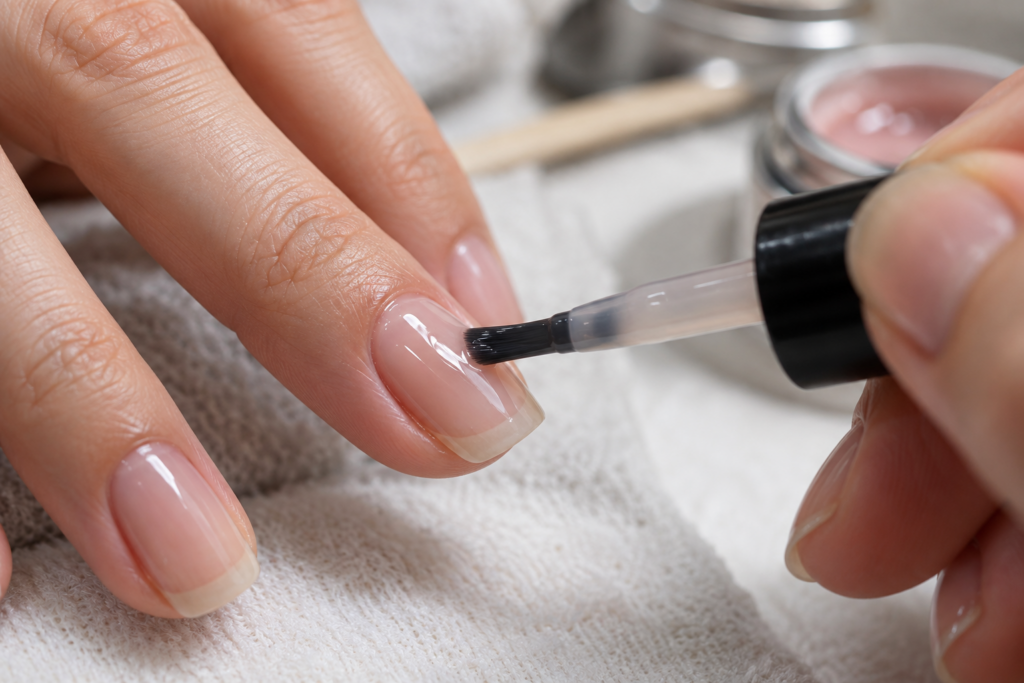
One of the more distinctive things about BIAB, compared to a traditional multi-step gel manicure, is that a single bottle typically combines what would otherwise be several separate products, a primer, a base coat, color pigment, and the actual structural builder gel, all in one formula.
This all-in-one design genuinely simplifies the application process, cutting out several individual steps that a standard gel manicure would otherwise require. Rather than applying a separate primer, then a base coat, then color, a technician can move through the BIAB application more efficiently while still achieving the same layered protective and structural effect.
Does BIAB Use One Product or Multiple Steps Like a Full Gel Manicure?
BIAB is specifically formulated as an all-in-one product, combining primer, base coat, and color pigment together with the structural builder gel in a single bottle, which streamlines application compared to a traditional multi-step gel manicure. This doesn’t mean the application itself skips steps entirely, since prep work, curing between layers, and final shaping still happen, but it does mean fewer separate products are needed throughout the process.
Understanding the “Apex” and Why It Matters
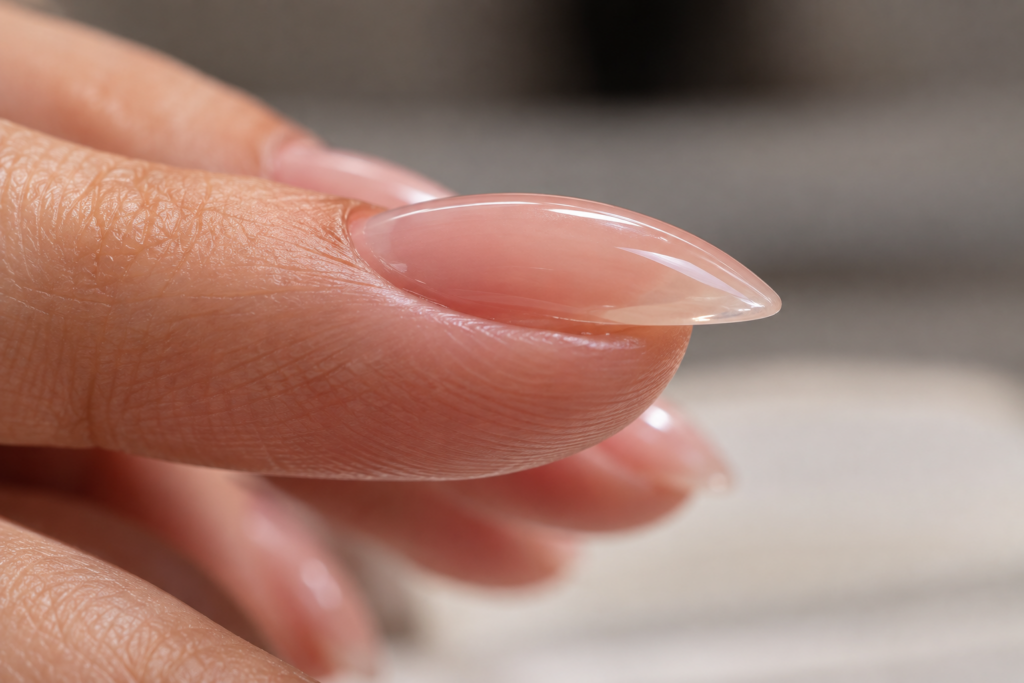
The apex is a term that comes up constantly in BIAB and other structural gel discussions, and it refers to the highest point of the nail enhancement, most visible when looking at the nail from the side rather than straight on.
Building a proper apex is what actually gives a BIAB manicure its strength and durability. Without it, the nail enhancement can end up flat and comparatively weak, more prone to bending or cracking under normal daily pressure. A well-placed apex distributes stress more evenly across the nail, which is part of why BIAB, done correctly, genuinely holds up to daily wear rather than just adding a decorative layer.
What Does “Apex” Mean in a BIAB Manicure?
The apex refers to the highest, most structurally reinforced point of a BIAB or other builder gel application, typically positioned toward the center of the nail and most visible when viewed from a side angle rather than looking straight down at the nail. Proper apex placement is what gives the enhancement its genuine strength and durability, distributing pressure evenly rather than leaving the nail flat and more prone to bending or breaking.
How BIAB Supports Natural Nail Growth
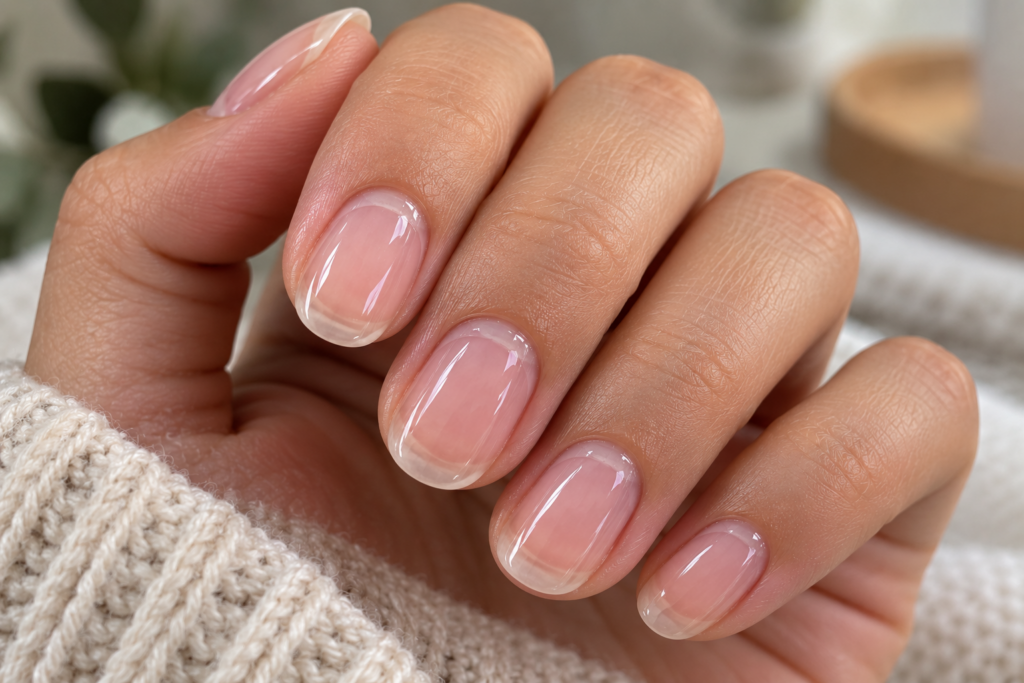
Unlike gel polish, which is purely cosmetic and offers no real structural benefit, BIAB is specifically designed to add genuine strength and protection to the natural nail underneath it. This makes it a popular choice for anyone trying to grow out weak, thin, or previously damaged nails, since the protective layer helps prevent breakage during that vulnerable growth period.
Can BIAB Nails Help Grow Out Damaged Natural Nails?
Yes, BIAB is frequently used specifically to support and protect damaged or weak natural nails while they grow out, since the structural gel layer adds genuine reinforcement that helps prevent breakage during a vulnerable recovery period. It’s worth understanding that BIAB supports and protects existing growth rather than actively accelerating how fast nails grow, since growth rate itself is determined by the nail matrix and overall health rather than anything applied externally.
Common BIAB Mistakes and Misconceptions
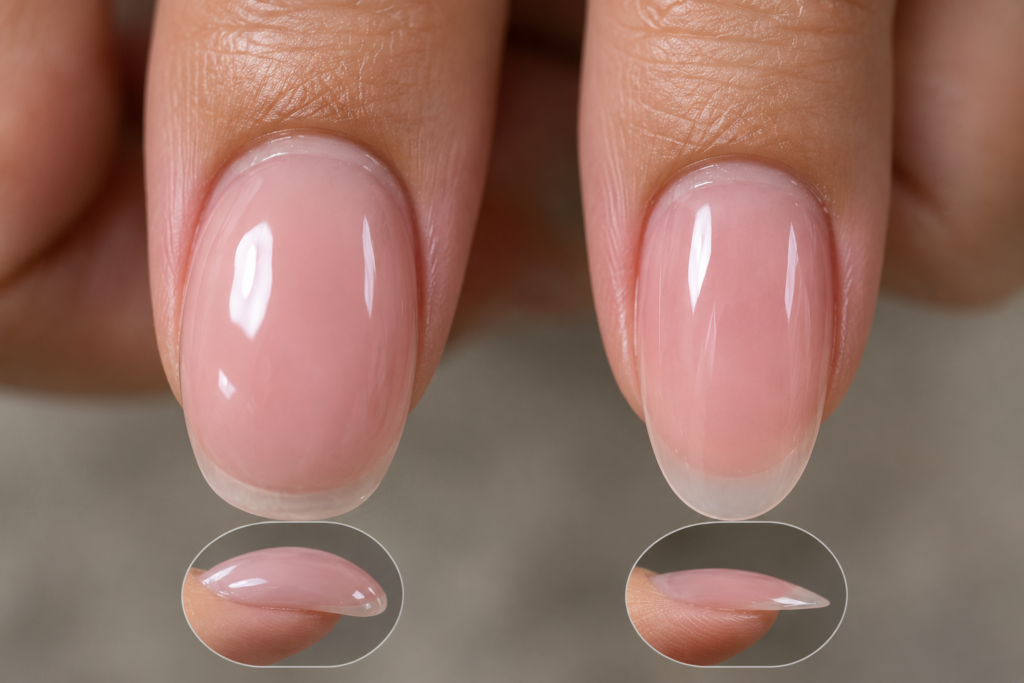
A few recurring misunderstandings show up often enough with BIAB that they’re worth addressing directly.
Expecting BIAB to fully repair already significantly damaged nails overnight sets unrealistic expectations, since it works as protective reinforcement during the growth process rather than an instant fix. Removing BIAB too early, before natural growth has had meaningful time to benefit from the protective layer, also undercuts a lot of the strengthening benefit people are specifically seeking it out for.
On the technical side, applying BIAB in layers that are too thick, or skipping proper apex building, can result in a bulkier, less durable finish than a properly applied, correctly proportioned set. Improper removal, filing aggressively rather than using a proper acetone soak, remains one of the most common ways people accidentally undo the nail health benefits BIAB is meant to provide in the first place.
Frequently Asked Questions
1. How long does a BIAB manicure typically last before needing a fill?
BIAB typically lasts around three to four weeks before natural growth creates a visible gap near the cuticle, similar to the general timeline for other gel-based enhancements.
2. Can BIAB be applied over nails with no added length, just as a strengthening layer?
Yes, using BIAB purely as a strengthening overlay directly on natural nails, without any added length or extensions, is actually one of its most common and popular applications.
3. Does BIAB require a UV or LED lamp to cure?
Yes, BIAB is a light-cured gel product, requiring a UV or LED lamp to properly harden, similar to standard gel polish and other gel-based nail enhancements.
4. Is BIAB removal the same soak-off process as gel polish?
Yes, most BIAB products are formulated as soak-off gels, removable with an acetone soak similar to standard gel polish, though the process may take somewhat longer given the thicker application typical of BIAB.
5. Can BIAB be worn without any color, just clear?
Yes, clear BIAB is a popular choice specifically for people wanting the structural strengthening benefit without any added color, and it also works well as a strengthening base underneath other nail art or polish.
6. Does BIAB feel different on the nail compared to acrylic extensions?
Yes, BIAB generally feels lighter and more natural than acrylic, since it’s typically applied in thinner layers directly onto the natural nail rather than building significant added bulk or length.
7. Can BIAB be combined with nail art or embellishments?
Yes, BIAB works well as a base for nail art, chrome finishes, glitter, or hand-painted designs, and clear BIAB in particular is popular specifically as a strengthening canvas for more creative nail designs.
8. Is BIAB suitable for people who bite their nails?
Yes, BIAB can work well for people trying to stop nail biting, since the hardened protective layer makes biting less appealing and gives natural nails underneath some protection while the habit is being addressed.
9. Does BIAB work on toenails as well as fingernails?
BIAB is primarily used and marketed for fingernails, given its focus on natural nail strengthening and growth support, though the same general gel-based principles could technically apply to toenails if a salon offers it as a service.
10. Can you get BIAB done at home, or does it require a salon visit?
Yes, BIAB can be applied at home with the right supplies and some practice, particularly since many formulas are designed as accessible, all-in-one products that simplify the traditional multi-step gel application process.
For more on how BIAB compares to other systems, see our guides to Gel-X nails and builder gel.