 Global Fashion Trends
How to Style Short Hair: Complete Guide for Every Cut
This guide covers short hair styling in general, across pixie cuts, bobs, and every short length; it does not focus on one cut. For one cut in depth, see our bob guide and our short curly hair guide.
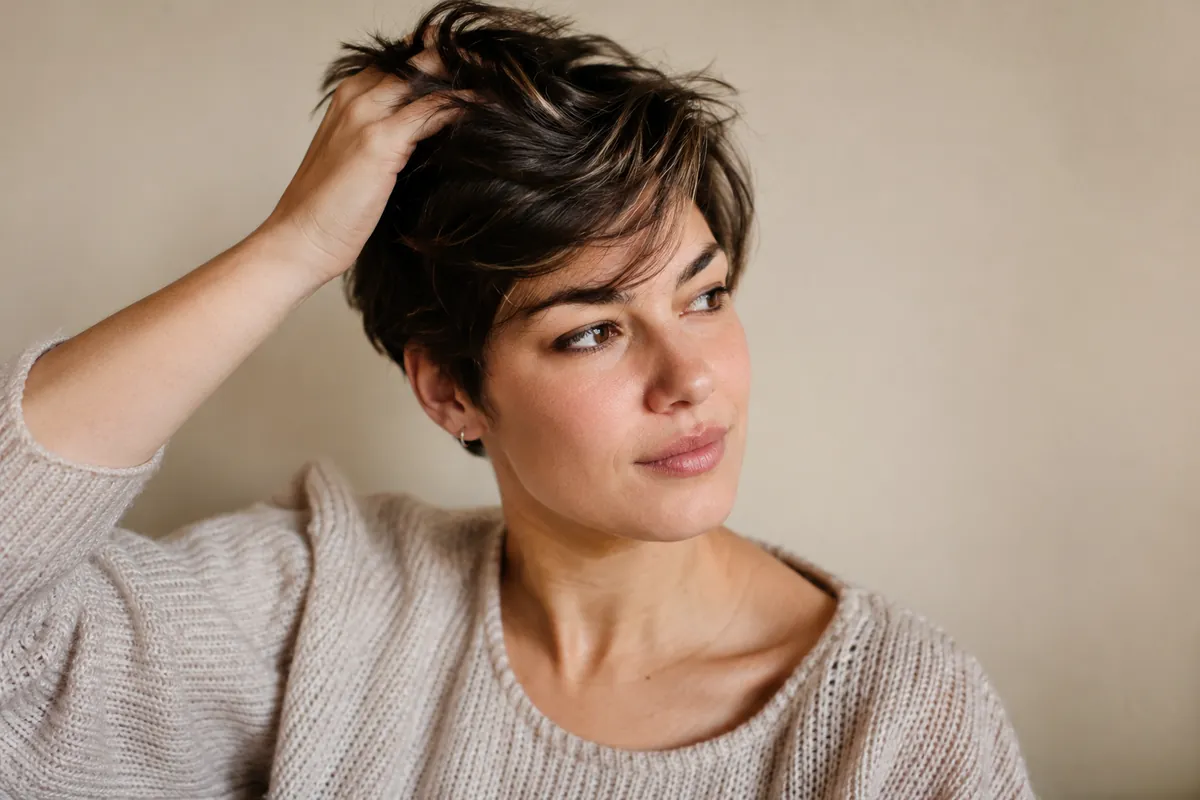
Style short hair intentionally, with lightweight texturizing products, a smaller round brush or diffuser, and finger-styling for definition and separation. Short hair has a reputation for being low-maintenance, and in some ways it is, but “low-maintenance” doesn’t mean “no technique required.” A pixie cut that’s been finger-styled with the wrong product looks flat and undone. A bob that’s blow-dried without any real intention just falls where it wants to. The gap between short hair that looks intentional and short hair that looks like you rolled out of bed usually comes down to a few specific habits, not some mysterious natural talent.
This guide covers everything from picking the right tools and products for short lengths, to styling techniques suited to specific cuts, to handling the tricky parts of short hair, like cowlicks, limited length for updos, and the awkward stretch while you’re growing it out.
How to Style Short Hair: The Core Approach
Short hair styles best when it’s worked with intentionally rather than just brushed and left alone, using lightweight texturizing products, a smaller round brush or diffuser for shaping, and finger-styling techniques that build definition and separation. Since there’s less length to work with, small styling decisions, like where you add volume or how you define pieces at the crown and nape, have an outsized visual effect compared to longer hair.
The core skill worth developing is working with texture rather than trying to smooth everything into uniformity. Short cuts, especially pixies, textured bobs, and undercuts, tend to look their best with visible movement and separation between pieces, which is a very different goal from the sleek, uniform finish longer styles often chase.
Starting from scratch with short hair? Our beginner’s guide to styling hair walks through the same fundamentals first, natural texture, product order, and heat tools with protection, so you can then focus on what matters at this length: definition and separation, and where you add volume at the crown and nape.
Growing it out? See how to style medium and shoulder-length hair.
The Right Tools and Products for Short Hair
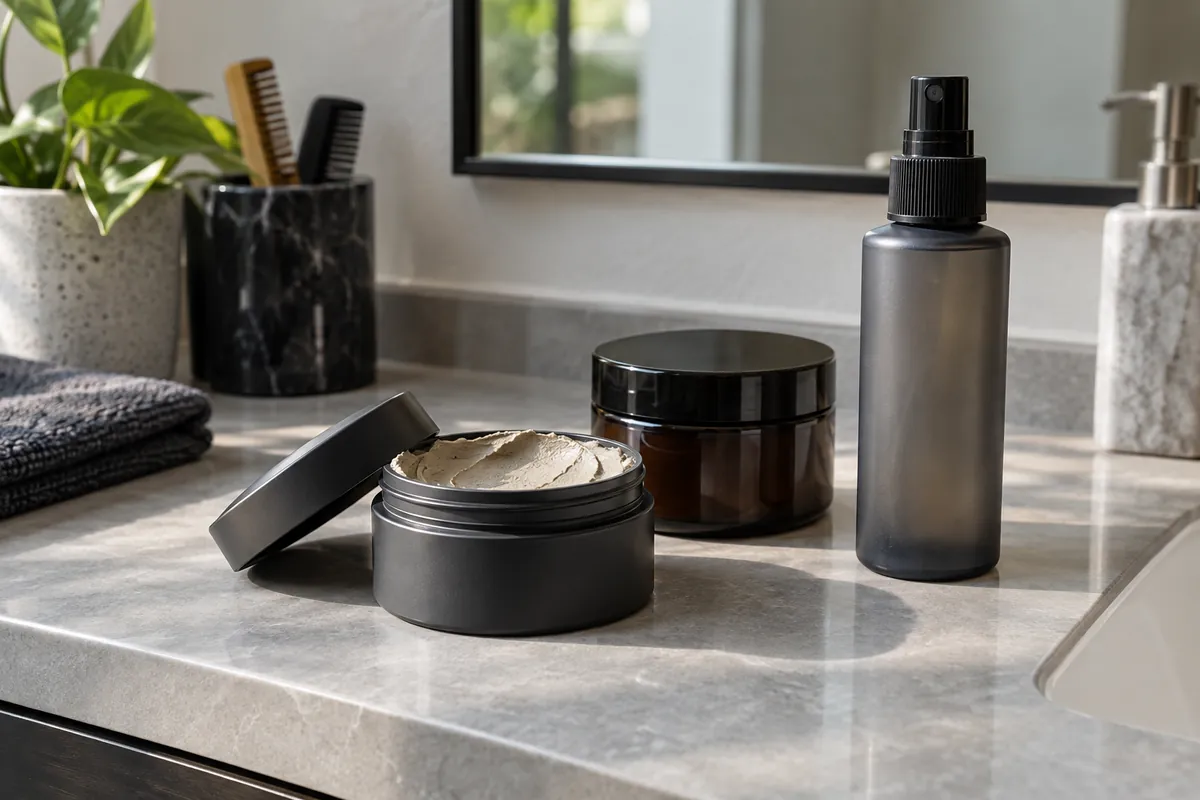
A few specific tools and texturizing products make the difference: a small-barrel round brush, pomade or wax, and a fine-tooth comb. Short hair doesn’t need a huge tool collection, but a few specific items make a real difference.
A small-barrel round brush, noticeably smaller than what you’d use on longer hair, gives you enough control to lift roots and direct short pieces during blow-drying without the brush overwhelming the length you’re working with. For textured or curly short hair, a diffuser attachment on your blow dryer helps encase and shape curls without disrupting their natural pattern the way direct airflow tends to.
Texturizing products do a lot of heavy lifting on short hair specifically. Pomade and wax add definition and hold with varying levels of shine, matte clay adds texture and grip without noticeable shine, and a dry texturizing spray can add grit and lift, particularly useful at the roots where short hair often needs the most help holding volume through the day. Picking a finish, matte versus shiny, is largely about the look you’re going for rather than one being objectively better than the other.
A fine-tooth comb is useful for precise partings and sleek, controlled looks, while your fingers often do a better job than any brush when it comes to building the kind of piecey texture that makes short cuts look deliberately undone rather than accidentally messy.
Styling Techniques for Common Short Haircuts
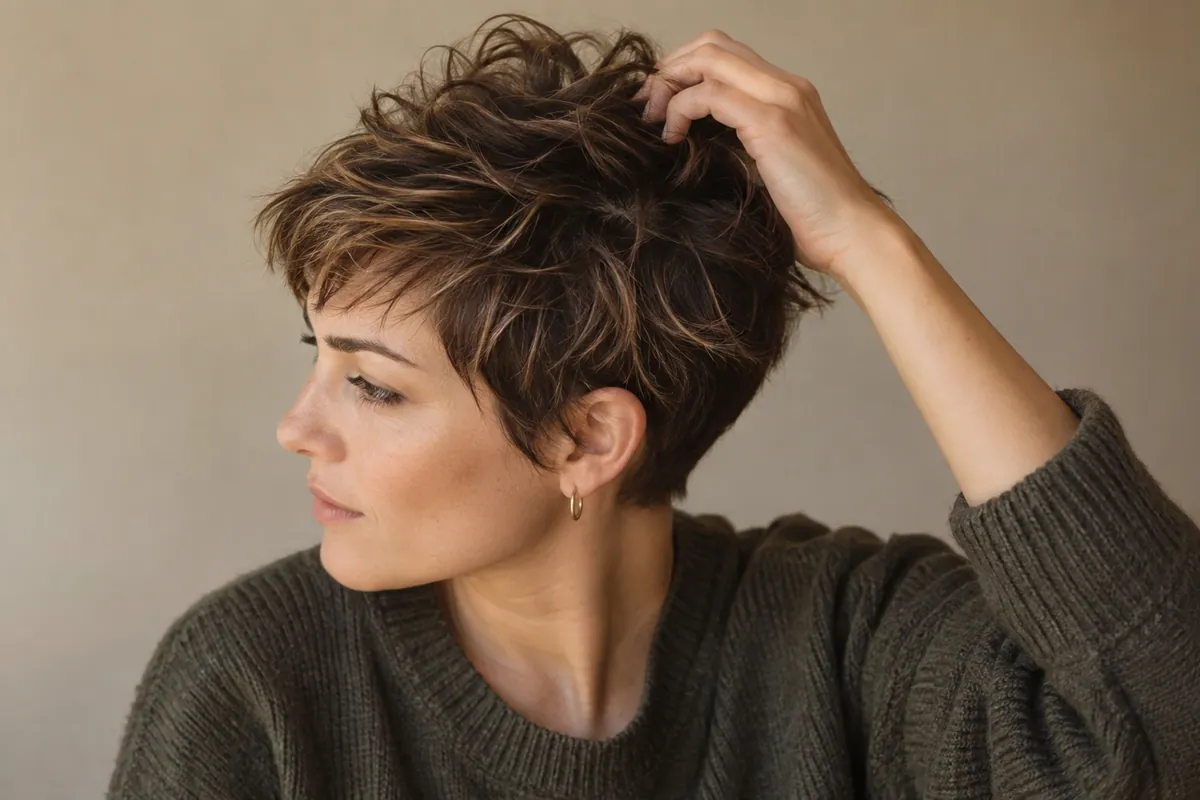
Match the technique to the cut: texture and movement for pixies, bend or wave for bobs and lobs, contrast for undercuts and fades, and precise upkeep for buzz cuts. Different short cuts call for different approaches, and knowing the distinctions helps you style toward what your specific cut actually needs.
- Pixies: texture and movement
- Bobs and lobs: bend or wave
- Undercuts and fades: contrast
- Buzz cuts: precise upkeep
Pixie cuts benefit enormously from texture and movement rather than being smoothed flat. Applying a small amount of matte paste or clay to damp hair, then finger-styling as it dries, usually creates more shape and dimension than brushing it into place. Building height and volume at the crown, using either a round brush during blow-drying or simply lifting hair with your fingers while a texturizing spray sets, keeps a pixie from looking flat on top.
Bobs and lobs tend to look their best with some intentional bend or wave, even a subtle one, rather than perfectly straight. A curling iron or wand used on alternating sections, combined with a light-hold product, creates the kind of soft movement that keeps a bob from looking stiff. Blow-drying with a medium round brush, angling the ends slightly inward or outward depending on the desired shape, gives you control over how the cut frames your face.
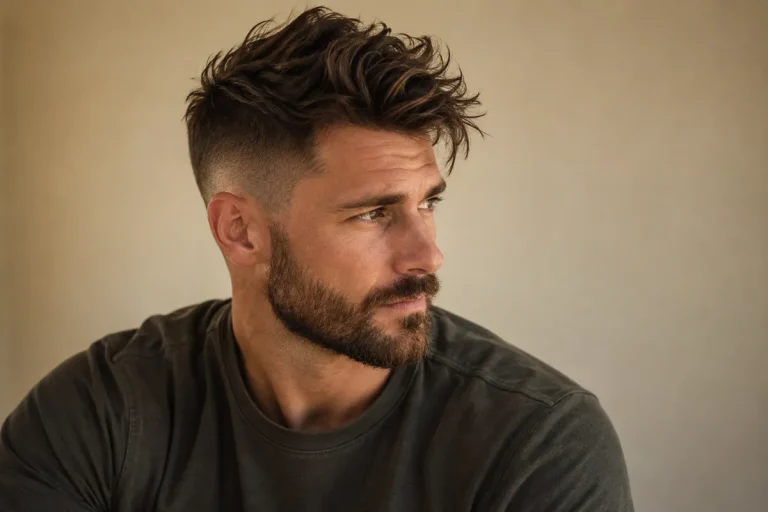
Undercuts and fades require attention to the contrast between the shorter, shaved or clippered sections and the longer top length. Styling usually focuses on that longer top portion, whether that’s a slicked-back look using pomade, textured spikes using a stronger-hold paste, or a soft, swept-to-the-side finish with a lighter cream product.
Buzz cuts are styled less through product application and more through precise upkeep and, occasionally, a light matte product to reduce shine and even out any slight unevenness in growth or texture across the scalp.
How Do You Add Volume to Short Hair?
Adding volume to short hair generally comes down to root lifting during blow-drying, using a lightweight mousse or root-lift spray applied at the base of the hair before styling, and drying hair upside down or lifting sections with your fingers or a round brush as they dry. Avoiding heavy, weighty products near the roots specifically also helps volume hold better throughout the day, since heavier formulas tend to flatten hair rather than support lift.
Handling Texture, Cowlicks, and Everyday Styling Challenges
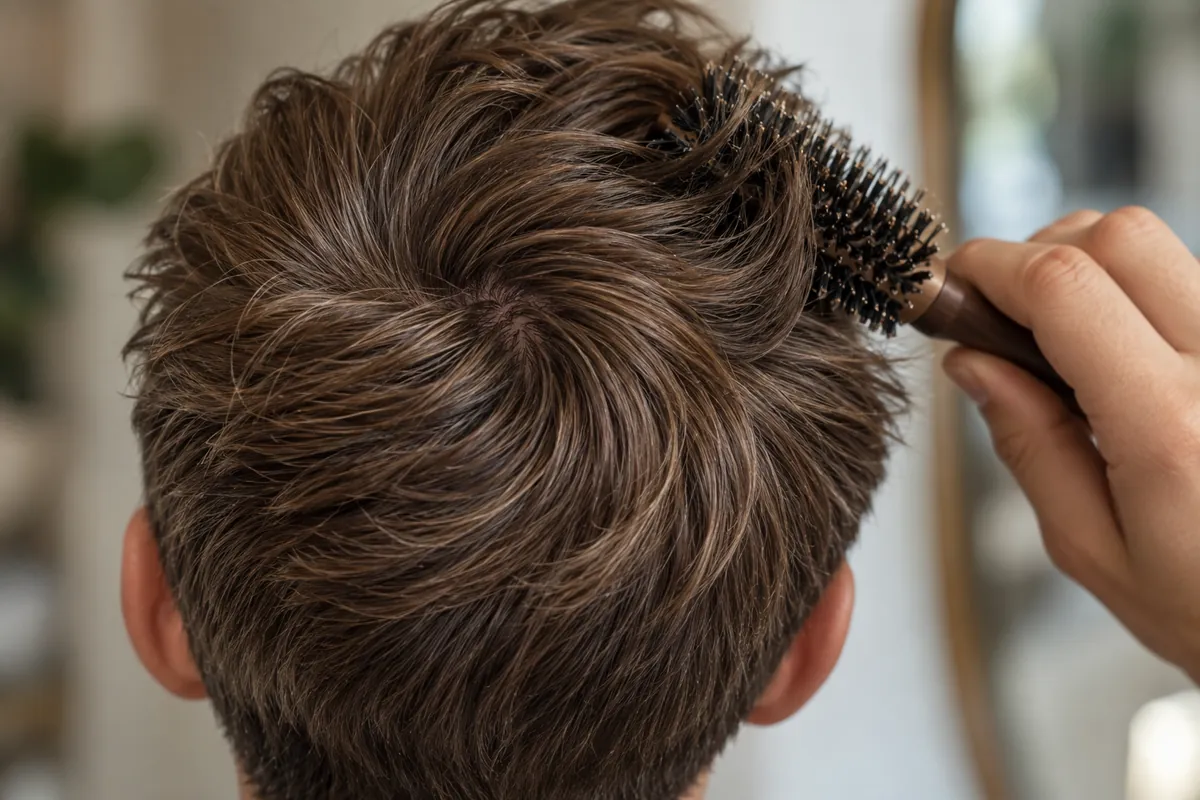
The main challenges are cowlicks at the crown or nape and product buildup showing more obviously on short hair. Short hair has a way of exposing certain challenges that longer hair can sometimes hide simply through sheer weight and length.
Cowlicks, those spots where hair grows in a distinct swirl pattern, often at the crown or nape, become far more visible and harder to disguise once hair is cut short. Working with the direction hair naturally wants to grow, rather than forcing it the opposite way, usually produces a more manageable result. A little extra product and blow-drying tension directly at the cowlick, drying it in the direction you actually want it to sit, tends to work better than fighting it after the fact.
Product buildup shows more obviously on short hair too, since there’s less length to distribute it across and less hair overall to absorb excess. Using a lighter hand with product, and reaching for clarifying shampoo periodically to prevent buildup from dulling texture and shine, helps keep short styles looking fresh rather than greasy or weighed down.
Can You Still Get an Updo or Half-Up Style With Short Hair?
Yes, short hair can absolutely work with updo and half-up styles, though the techniques shift compared to longer hair. Small clips, bobby pins, and tucking shorter face-framing pieces behind the ear or securing them with a bit of texturizing product can create the effect of a half-up style even with limited length, and even a very short bob can often be pulled into a small, textured half-up look with the right pinning technique.
Keeping Short Hair Looking Sharp Between Salon Visits
Regular trims keep a short style sharp and intentional rather than shapeless. Short hair’s clean lines and precise shape are exactly what start to soften and blur as it grows out, which is part of why maintenance matters more visibly with shorter cuts than longer ones.
Regular trims keep a short style looking sharp and intentional rather than shapeless. Between visits, using a small amount of product to define the shape at the nape and around the ears can help extend how polished a cut looks as it starts to grow slightly past its original length.
Dry shampoo works particularly well on short hair for extending time between washes, since it’s easy to distribute evenly through shorter lengths and doesn’t get weighed down the way it sometimes does on longer, thicker hair. A quick refresh with a bit of texturizing spray or a light mist of water combined with reshaping by hand can also bring second- or third-day short hair back to life without a full restyle.
How Often Does Short Hair Need to Be Trimmed to Keep Its Shape?
Short haircuts, particularly precise cuts like pixies and undercuts, generally hold their intended shape best with trims roughly every four to six weeks, since shorter lengths show growth and softened lines much more quickly than longer styles do. Cuts with more built-in texture and less reliance on a precise, sharp shape can often stretch slightly longer between visits without looking noticeably grown out.
Styling Short Hair Through the Awkward Grow-Out Stage
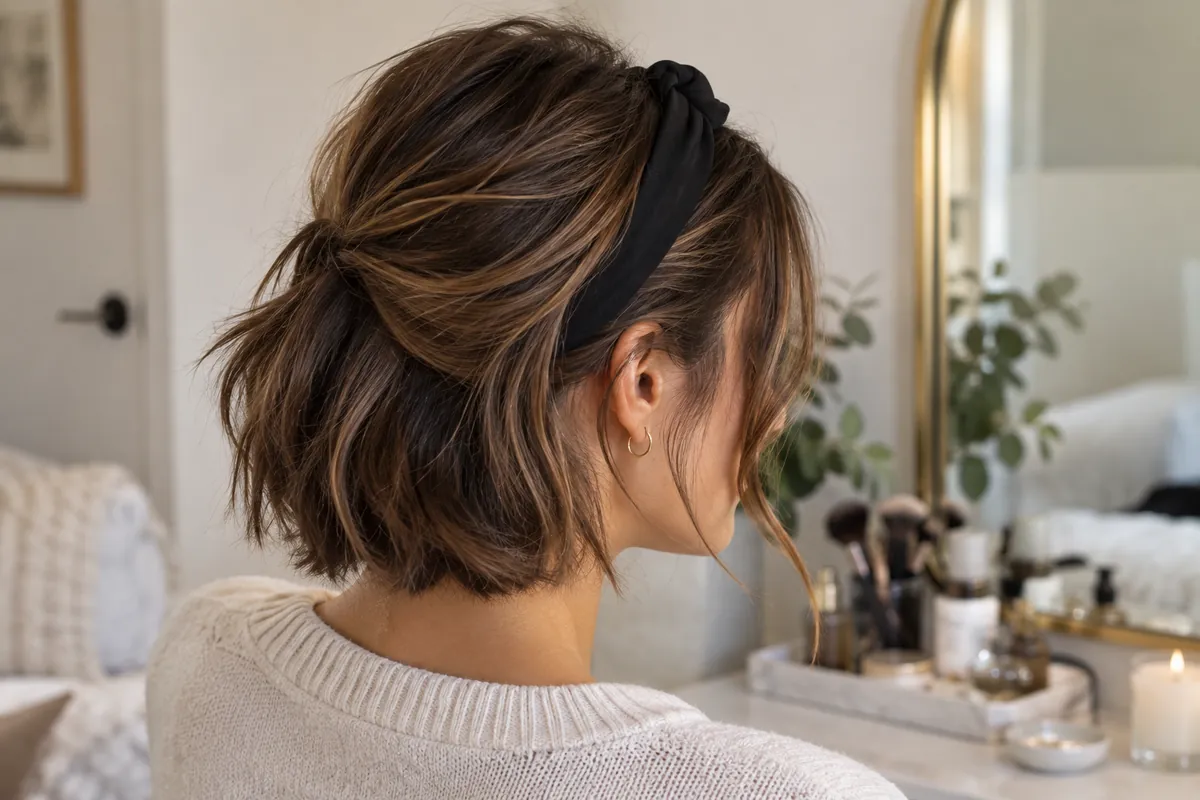
Manage grow-out with gradual layering through maintenance trims and accessories like headbands, clips, and twists. The stretch between a fresh short cut and a fully grown-out length is one of the trickiest periods to style well, mostly because hair sits at inconvenient in-between lengths that don’t quite do what you want yet.
Layering, even added gradually through maintenance trims rather than a full restyle, helps keep a growing-out cut from looking like one solid, shapeless block. Texturizing products remain useful throughout this stage, helping create definition even as the overall silhouette shifts and softens.
Accessories earn their keep during grow-out phases. Headbands, small clips, and simple twisted or pinned-back sections can manage awkward lengths, particularly around the face, while everything grows into a length where more traditional styles become possible again.
How Do You Style Short Hair While It’s Growing Out?
Styling hair through the grow-out phase works best with texturizing products that add definition without requiring a precise shape, along with strategic use of clips, headbands, or simple half-up styles to manage awkward lengths, especially around the face. Scheduling maintenance trims that gradually shape the growing length, rather than skipping the salon entirely, also helps the cut transition more smoothly instead of growing out into one shapeless mass.
Frequently Asked Questions
1. What’s the best way to style short curly or coily hair specifically?
Short curly and coily hair generally styles best with a diffuser to preserve curl pattern while drying, a leave-in conditioner or curl cream applied to damp hair for definition, and minimal disruption once curls have set, since touching or brushing dry curls tends to create frizz rather than enhance definition.
2. Can you use a flat iron safely on very short hair?
Yes, a flat iron can be used on very short hair, though it requires extra caution and smaller sections given the limited length to work with, and many people find a curling wand or simply finger-styling with product achieves similar results with less risk of accidentally touching the scalp with a hot plate.
3. Why does short hair sometimes look greasy faster than long hair?
Short hair sits closer to the scalp overall, which means natural oils travel a shorter distance to coat the visible hair, making oiliness more noticeable sooner than it would be on longer hair where oil has more length to distribute across before becoming visually obvious.
4. Is it necessary to use heat protectant on short hair the same way as long hair?
Yes, heat protectant matters just as much for short hair, since the same cuticle damage from unprotected heat styling applies regardless of length, and short hair that’s already prone to visible dryness or frizz can show heat damage effects fairly quickly without proper protection.
5. How do you keep short hair from looking flat throughout the day?
Keeping short hair from falling flat usually involves a root-lifting product applied before blow-drying, drying with lift rather than letting hair fall naturally, and touching up volume periodically throughout the day with a bit of dry shampoo or texturizing spray worked into the roots.
6. Does short hair require different products in humid climates?
Yes, humid conditions often call for stronger-hold, slightly heavier products on short hair to prevent frizz and help styles hold their shape, since lightweight formulas that work fine in drier climates can lose their effectiveness quickly when humidity is high.
7. Can you still create a sleek, polished look with short hair?
Yes, a sleek short style is entirely achievable using a smoothing cream or light pomade combined with a fine-tooth comb for precise, defined partings, and a round brush during blow-drying to create a smooth, controlled finish rather than the more textured, piecey looks short hair is often styled toward.
8. Why does short hair sometimes stick up or misbehave right after a fresh cut?
Freshly cut hair, especially very short cuts, can behave unpredictably for the first several days as the ends settle and any leftover cutting product washes out, and this initial adjustment period usually resolves on its own within a wash or two.
9. Is it harder to style short hair without professional training?
Short hair styling does have a real learning curve, particularly around texturizing techniques and working with cowlicks or growth patterns, but it’s entirely learnable through practice and understanding your specific cut’s needs, without necessarily requiring formal training to get consistently good results.
10. Does short hair need a different washing routine than long hair?
Not fundamentally, though short hair often shows product buildup and scalp oil more quickly given its proximity to the scalp, which sometimes means slightly more frequent washing or clarifying treatments compared to longer hair, depending on your specific hair type and how much product you typically use.