Does Hair Color Expire? How to Tell If Yours Has Gone Bad
You reach into the cabinet for that half-used box of dye from last year, and before you even open it, you pause. Is it still good? Hair color absolutely does expire, and using it past its prime can mean anything from a color that barely shows up to a formula that irritates your scalp. Unlike a can of soup, though, there’s no single “best by” rule that covers every product. A box of permanent dye, a bottle of semi-permanent color, and a tub of bleach powder all break down differently, on their own timelines, for their own chemical reasons.
This guide walks through exactly how long different types of hair color actually last, the specific signs that tell you a formula has turned, and what happens if you use it anyway. By the end, you’ll be able to look at what’s sitting in your bathroom cabinet and know, with confidence, whether it’s still safe to use.
Does Hair Color Really Expire?
Yes. Hair color expires because its active ingredients, whether that’s oxidative dye molecules, developer, or bleaching agents, break down over time through exposure to air, light, heat, and moisture. An unopened box of permanent dye stored properly can last a couple of years, but once it’s opened, mixed, or exposed to humidity, that timeline shrinks dramatically, sometimes to just a few months.
The type of color you’re using matters as much as the calendar date. A tube of permanent color relies on a chemical reaction between the dye and a developer, and that reaction only works correctly while both components are fresh. A bottle of semi-permanent, no-developer color works differently, coating the hair shaft rather than reacting with it, and it has its own separate shelf-life concerns tied to preservative breakdown and pigment settling.
How Long Hair Dye Lasts: Unopened vs. Opened vs. Mixed
Shelf life isn’t one number. It changes depending on whether the product has been opened, exposed to air, or combined with another component.
Unopened permanent or demi-permanent dye kept in a cool, dry cabinet away from sunlight generally holds up well for around two to three years from the manufacture date. The color cream itself is fairly stable when it’s sealed and hasn’t been exposed to oxygen.
Opened permanent dye doesn’t last nearly as long. Once the tube or bottle has been cracked open, oxygen starts interacting with the formula every time you use it and reseal it. Most colorists recommend using an opened tube within about six months to a year, and checking it carefully every time after that window.
Semi-permanent and direct dyes without a developer component tend to have shorter windows once opened, often somewhere in the six-months-to-a-year range, because their pigments and conditioning agents are more prone to separating or losing potency with repeated air exposure.
Developer (the peroxide cream or liquid you mix with dye) is arguably the most fragile part of the whole equation. It’s sensitive to heat, light, and air in a way the color cream isn’t, and a developer that’s lost its strength won’t lift or process color properly even if the dye itself is perfectly fine.
How Long Does Mixed Hair Dye Last Once You Open It?
Mixed hair dye, meaning color and developer combined together, does not last. You should use it within about 30 to 60 minutes of mixing, and never plan to save leftovers for later. The moment developer meets color, an oxidation reaction begins immediately, and that reaction keeps running whether hair is in contact with it or not.
If you’ve ever mixed a bowl of color, used half, and set the rest aside for “later this week,” you’ve probably noticed it goes flat, loses its fizz, and sometimes changes color entirely, often darkening or turning muddy. That’s the reaction finishing itself off in the bowl instead of on your hair. Reusing it won’t give you a predictable result, and in some cases it can process unevenly or barely process at all.
Signs Your Hair Color Has Gone Bad
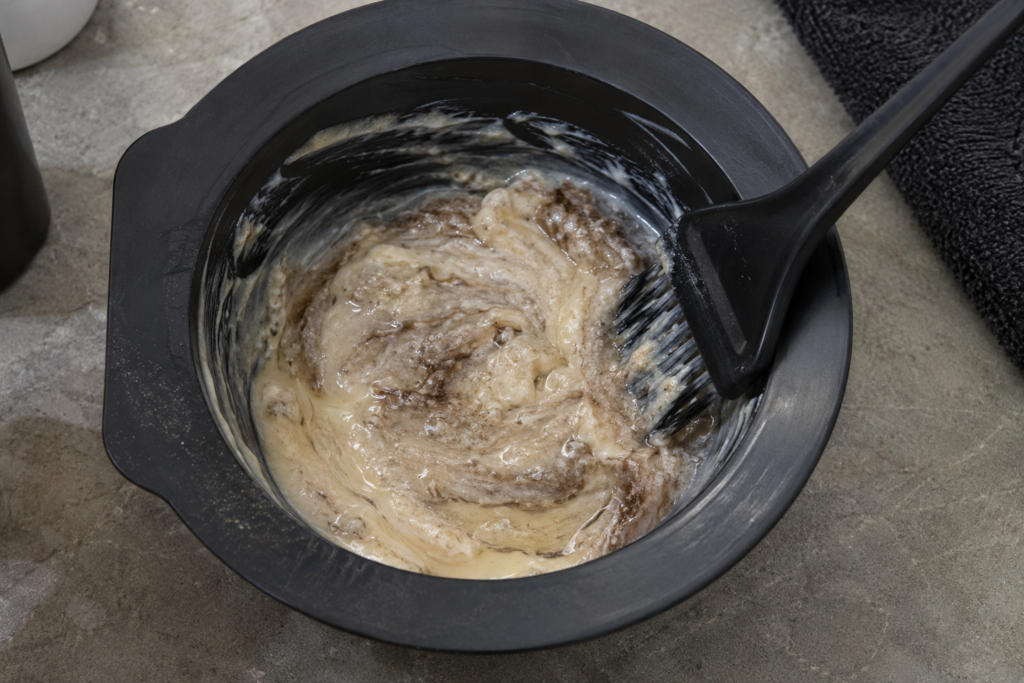
Before you squeeze that tube onto your roots, a quick check can save you a bad color day. There are four things worth paying attention to every single time.
Smell. Fresh hair dye has a distinct chemical scent, sharp and a little medicinal, but it shouldn’t smell sour, rotten, or like sulfur. A rancid or “off” odor, especially one that smells almost eggy, is one of the clearest signs a formula has broken down.
Texture. Dye should be smooth and uniform, whether it’s a cream, gel, or liquid. If you notice separation, with liquid pooling at the top or bottom, or if the texture has turned grainy, chunky, or watery compared to how it looked when new, that’s a red flag.
Color of the product itself. This sounds obvious, but it’s easy to overlook. A dye that has visibly darkened, yellowed, or changed shade inside the tube compared to what the box shows is a sign the pigments are degrading.
Developer fizz test. Pour a small amount of developer onto a tissue or paper towel. Fresh developer will fizz and bubble slightly on contact with air and organic material. If it lies flat with no reaction at all, it’s lost its potency and won’t lift or deposit color properly, even if it looks perfectly clear.
How Can You Tell If Hair Dye Is Expired Without Opening the Bottle?
Check the manufacture date or batch code printed on the packaging, usually on the bottom or side of the box, and compare it against a general two-to-three-year unopened shelf life. Also give the box a light shake; if you hear or feel obvious separation or clumping inside a sealed tube, that’s often detectable even before you break the seal.
Many brands print a small jar-shaped icon with a number inside, like “12M” or “24M,” which tells you how many months the product is good for once opened, known in the cosmetics industry as the Period After Opening symbol. It’s worth checking for that icon specifically rather than assuming every hair color product follows the same timeline.
What Happens If You Use Expired Hair Dye
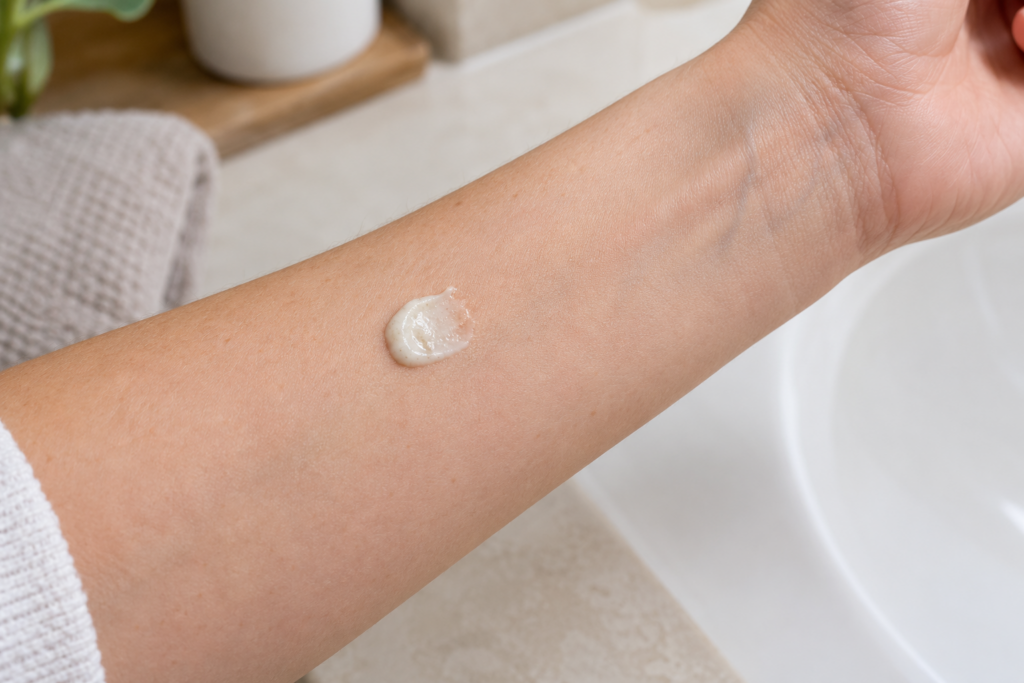
Using expired color rarely ends in nothing happening. Depending on what’s actually degraded, you’ll typically run into one of a few outcomes, and none of them are great.
Weak or uneven color. This is the most common result. When developer loses potency or dye pigments break down, you often end up with color that barely shows, fades within days, or grabs unevenly, leaving some sections darker or lighter than others.
Unpredictable tone shifts. Oxidative dyes that have started to degrade can process into unexpected, sometimes brassy or muddy, tones instead of the shade pictured on the box, because the chemical pathway that creates the intended color isn’t happening cleanly anymore.
Scalp irritation. This is the one that deserves real caution. As oxidative dye ingredients like PPD (para-phenylenediamine) degrade over time, particularly once opened and repeatedly exposed to air, the breakdown byproducts can be more irritating to skin than the fresh formula, even for people who’ve used the same product before without any reaction.
Is It Safe to Use Old Hair Dye on Your Scalp?
It’s not something to risk, especially with any product containing PPD or similar oxidative dyes. Even if you’ve used a particular formula for years with zero issues, sensitivity to these ingredients can develop or change over time, and a degraded formula is more likely to trigger a reaction than a fresh one. A patch test 48 hours before application, on a small area of skin like the inner elbow, is the standard precaution colorists recommend, and it matters more, not less, with older product.
If you notice unusual itching, redness, swelling, or a burning sensation that goes beyond the normal mild tingle some formulas cause, rinse immediately and don’t continue the application.
How to Store Hair Color So It Lasts Longer
Good storage won’t make an old formula young again, but it slows the clock considerably and helps you get the full shelf life a product is capable of.
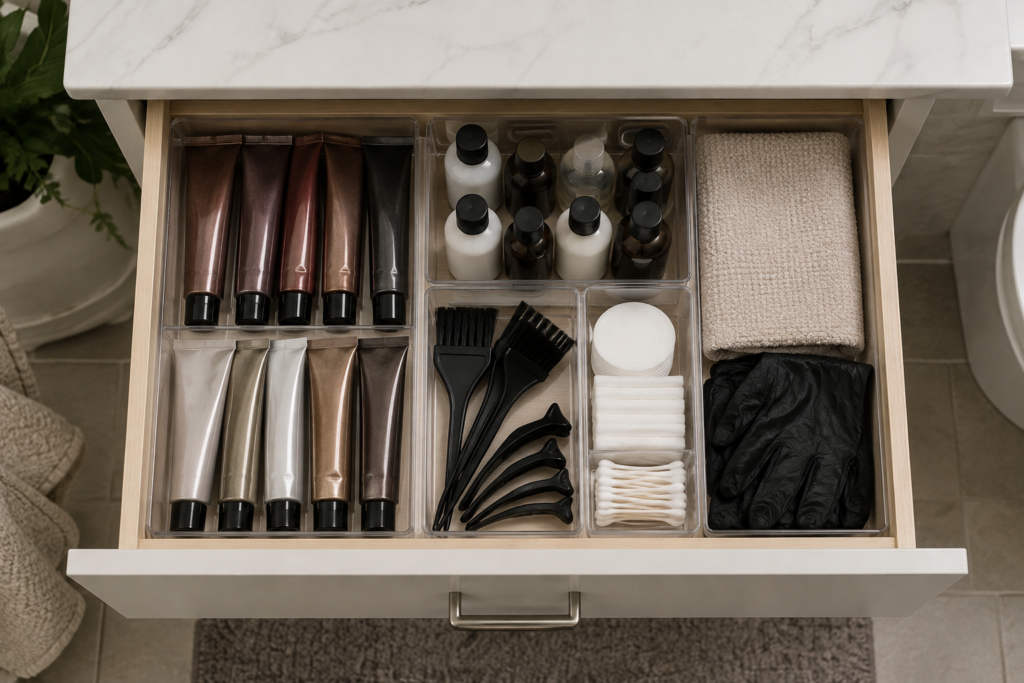
Keep hair color in a cool, dry spot away from direct sunlight. A bathroom cabinet works fine as long as it’s not right next to a shower or radiator, since steam and heat both accelerate breakdown. A linen closet or bedroom drawer is often a better spot than a humid bathroom.
Keep caps and tube openings tightly sealed after every use, and wipe the threads clean before resealing so old product doesn’t dry out and block a proper seal next time. Store tubes upright when possible to reduce pressure on the opening.
Never mix color and developer ahead of time expecting to use it later. Mix only what you need, right before application, and treat any leftover mixed product as unusable rather than something to save.
Write the date you first opened a product somewhere on the packaging. It’s a small habit, but it takes the guesswork out of “is this still good” down the line.
Does Bleach or Developer Expire Faster Than Hair Color?
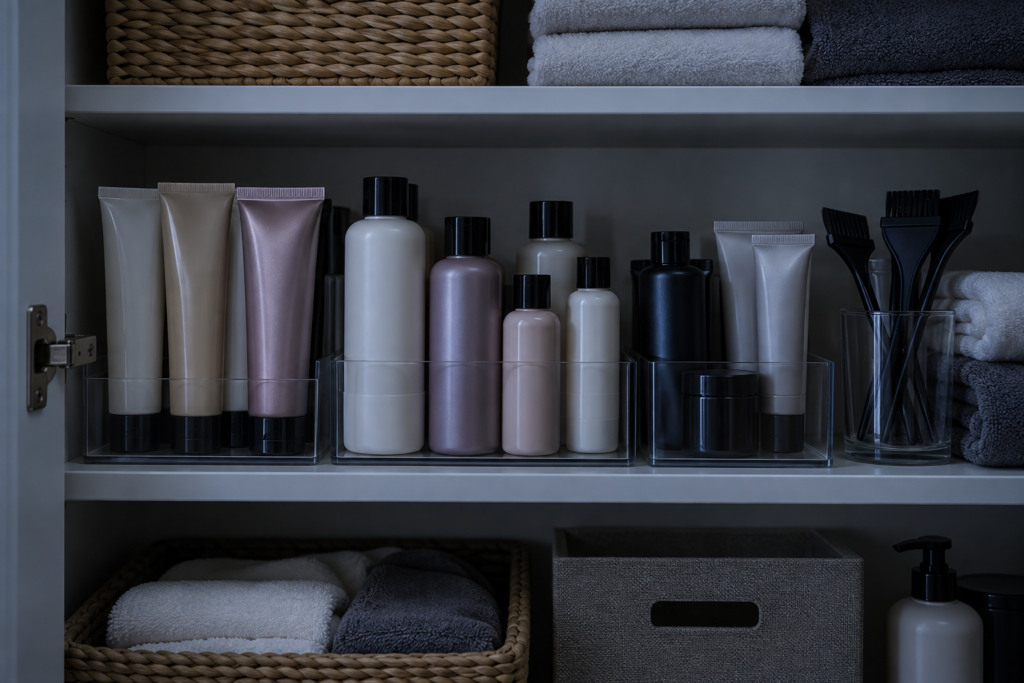
Generally, yes. Developer degrades faster than dye cream because it’s a more chemically reactive, unstable product to begin with, and it’s especially sensitive to light and temperature swings. Bleach powder, if kept sealed, dry, and away from humidity, tends to hold up reasonably well unopened, but once it’s exposed to air repeatedly or gets any moisture in the container, it clumps and loses lifting power fairly quickly. Mixed bleach cream, like mixed dye, should always be treated as a use-it-now product.
Frequently Asked Questions
1. How long does an unopened box of hair dye last?
An unopened box of permanent or demi-permanent hair dye typically stays usable for around two to three years when stored in a cool, dry place away from direct light, though you should always check the batch date on the packaging for the manufacturer’s specific guidance.
2. Can you use hair dye after the expiration date?
It’s not recommended, since expired dye is more likely to produce weak, patchy, or unexpected color, and degraded oxidative ingredients can carry a higher risk of skin irritation than a fresh formula, even in products you’ve used safely before.
3. What does expired hair dye smell like?
Expired hair dye often develops a sour, rancid, or sulfur-like odor that’s noticeably different from the sharp chemical scent of a fresh product, and that smell alone is usually enough reason to skip using it.
4. Does semi-permanent hair color expire faster than permanent color?
Semi-permanent color without a developer component generally has a shorter opened shelf life, often in the six-months-to-a-year range, because its pigments are more prone to breaking down with repeated air exposure than oxidative permanent formulas.
5. Can you refrigerate hair dye to make it last longer?
Refrigeration isn’t standard practice for most hair color products and isn’t necessary if you’re storing them properly at room temperature in a cool, dry cabinet; consistent temperature and low humidity matter more than cold storage specifically.
6. Why did my hair dye turn a different color in the bottle?
A visible color shift inside the tube or bottle, such as darkening or yellowing, usually means the pigments have started breaking down from age or air exposure, and it’s a sign the product likely won’t perform the way it did when it was fresh.
7. Is it bad to use hair dye that’s separated?
Yes, separation, where liquid pools away from the thicker cream, is a clear sign the formula has broken down, and using it typically leads to streaky or inconsistent color rather than an even result.
8. How can you tell if developer is still good?
Pour a small amount onto a tissue or paper towel and watch for a light fizzing or bubbling reaction; if it lies completely flat with no activity, the developer has lost its strength and won’t process color properly even if it still looks clear and normal.
9. Does hair dye expire faster once it’s been opened?
Yes, opening a container exposes the formula to oxygen every time it’s used, which speeds up the breakdown of both dye pigments and developer considerably compared to an unopened, sealed product.
10. Should you do a patch test even with old, familiar hair dye?
Yes, a patch test is worth doing even with a formula you’ve used many times before, because sensitivity to oxidative ingredients like PPD can develop over time, and a degraded formula carries a higher irritation risk than a fresh one.