 Global Fashion Trends
What Is the Most Common Hair Color in the World?
Walk down a busy street in almost any major city and you’ll notice something quickly: hair color isn’t evenly distributed. Some shades show up constantly, while others feel rare, the kind of thing that makes a stranger’s hair color worth a second glance. That distribution isn’t random. It comes down to genetics, population size, and geography working together in a pretty fascinating way.
This article breaks down what the most common hair color in the world is, why it dominates so heavily, and what the genetics behind all of this actually look like once you get past the surface-level question.
What Is the Most Common Hair Color in the World?
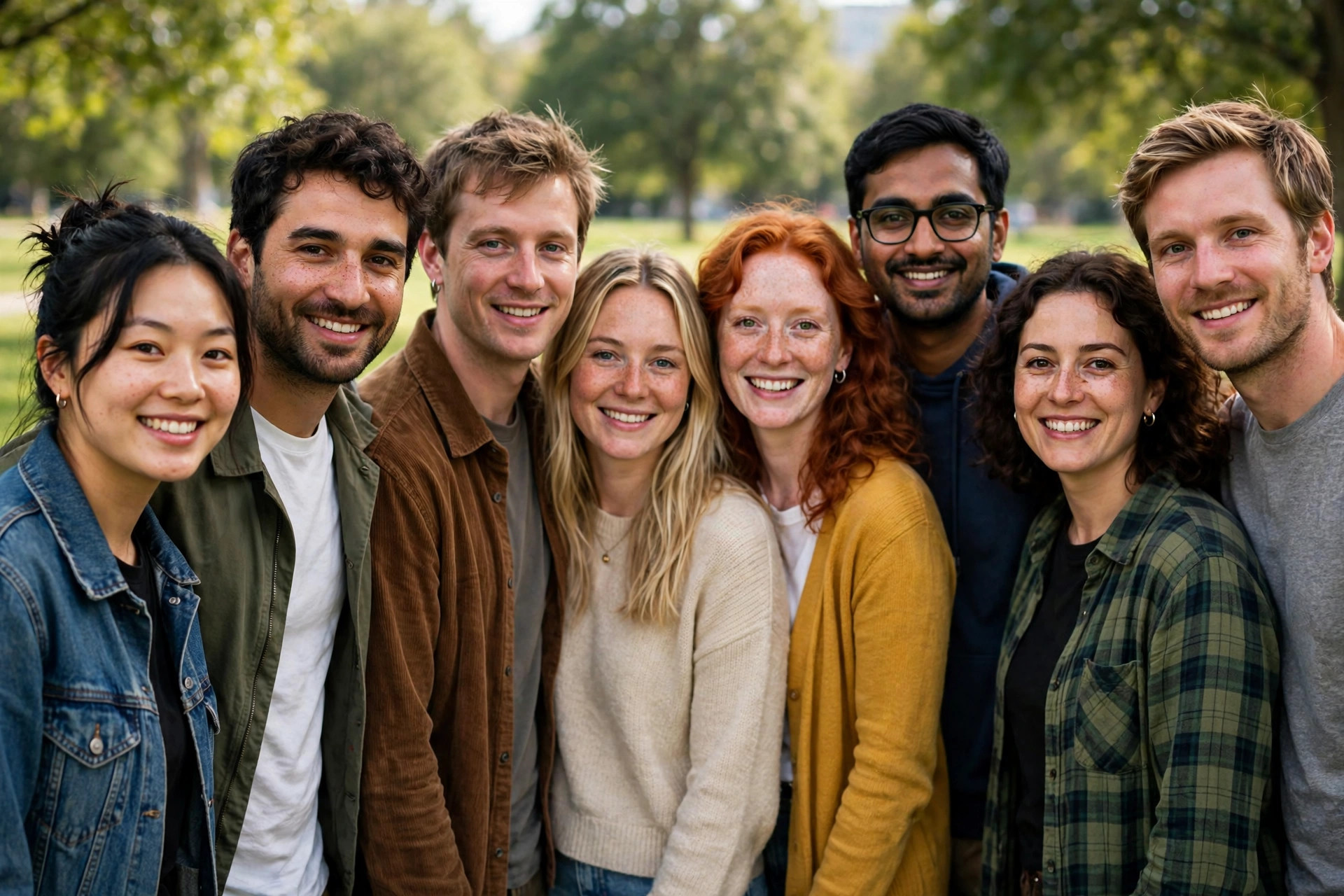
Black hair is the most common natural hair color in the world by a wide margin. This is largely a function of global population distribution, since the regions with the largest populations, including East Asia, South Asia, Southeast Asia, Africa, and Latin America, have populations where black hair is the overwhelming natural default. Together, black and brown hair account for more than 90 percent of people worldwide.
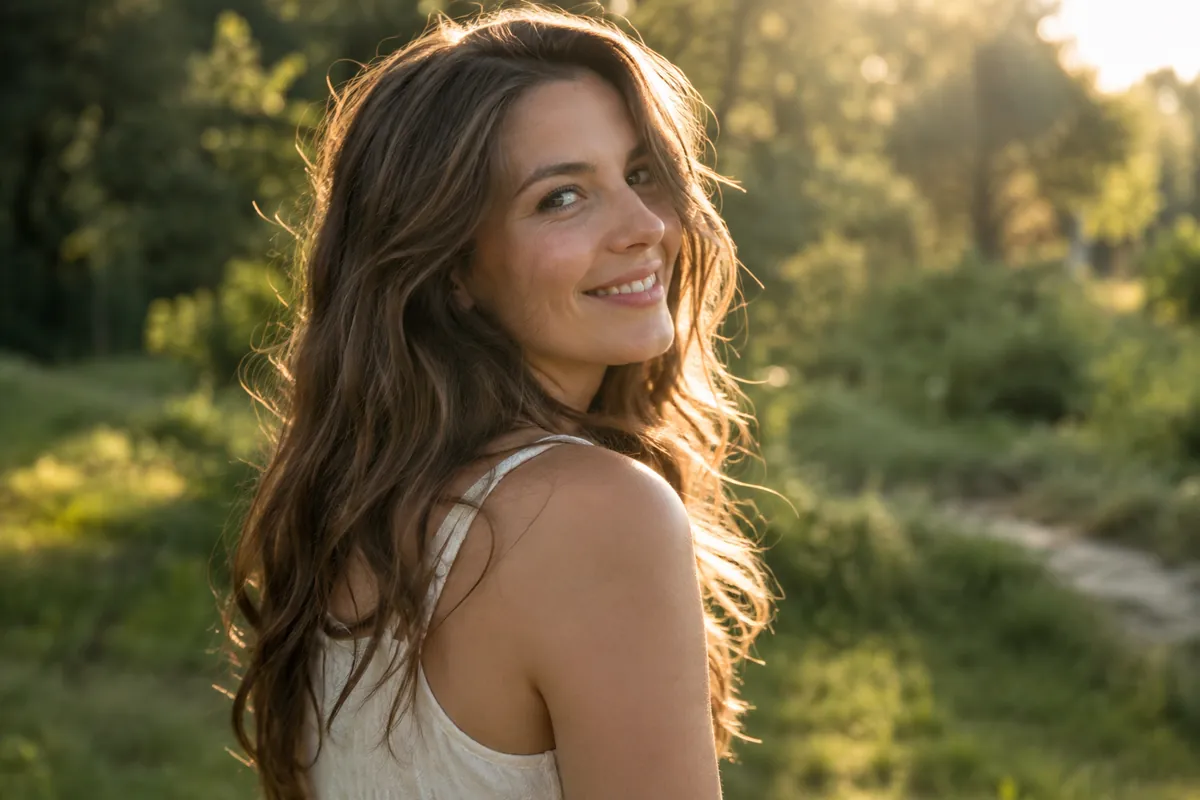
Brown hair comes in as the second most common shade globally, with significant natural presence across Europe, the Middle East, South Asia, and Latin America, often overlapping and blending with black hair depending on region and individual variation. Blonde and red hair, by comparison, are far rarer worldwide and concentrated in specific, relatively small geographic pockets.
The Science Behind Hair Color: Melanin and Genetics
Hair color comes down to two types of pigment, both forms of melanin, produced in specialized cells at the base of each hair follicle. Eumelanin is responsible for brown and black tones, and the amount and density of eumelanin present largely determines how dark hair appears. Pheomelanin, on the other hand, produces red and yellow tones, and it plays the dominant role in red hair specifically, along with contributing to blonde shades when eumelanin levels are low.
Black hair results from a high concentration of eumelanin, densely packed and evenly distributed throughout the hair shaft. Brown hair reflects a somewhat lower eumelanin concentration, with lighter browns having even less than darker ones. Blonde hair happens when eumelanin drops significantly lower still, letting more light pass through and reflect off the strand rather than being absorbed. Red hair is a different pigment story, driven primarily by pheomelanin rather than simply representing “low eumelanin” the way blonde does.
Genetically, this is influenced by multiple genes working together, making hair color what geneticists call a polygenic trait. The MC1R gene plays a particularly significant role, especially in red hair and certain blonde variations, since specific variants affect how much eumelanin versus pheomelanin gets produced. Other genes, including ones involved in pigment transport and processing, also contribute to the final range of natural shades a population displays.
Is Black Hair Really One Single Color, or Are There Different Shades?
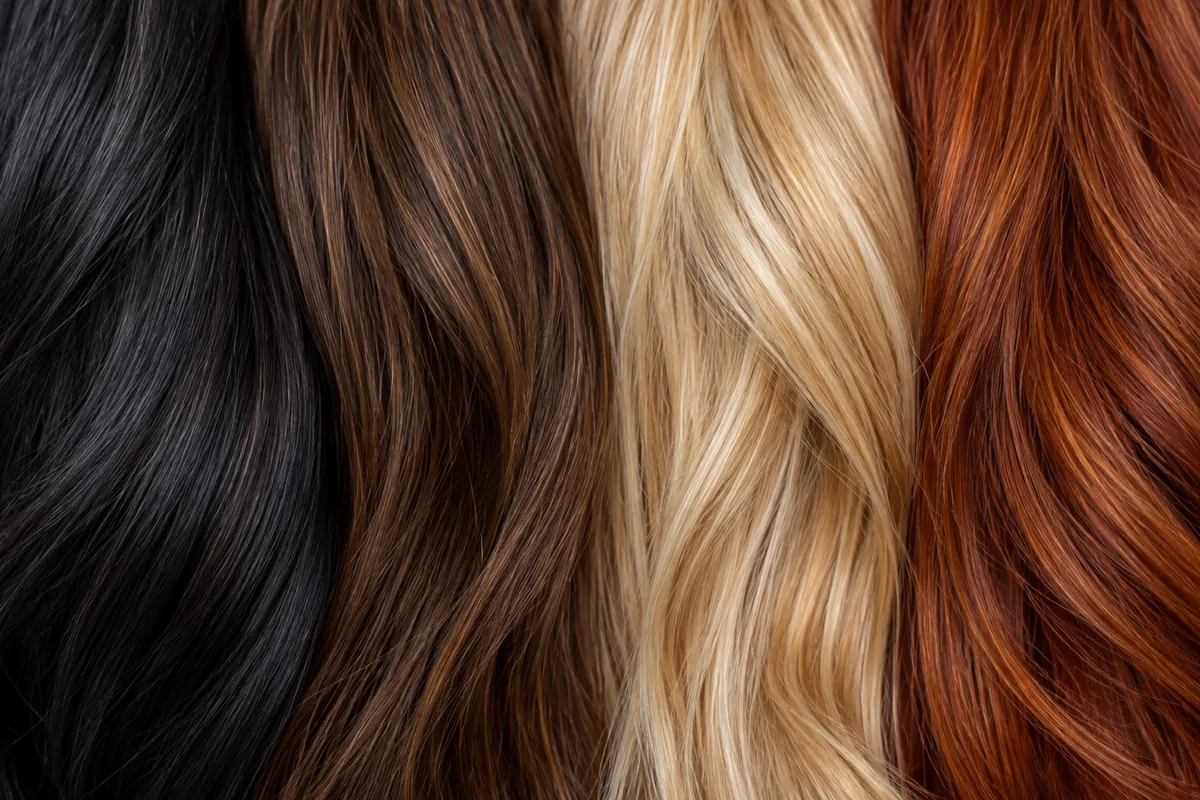
Black hair isn’t perfectly uniform across every person who has it. Variations in eumelanin density and distribution create subtle differences, some black hair carrying faint warm or cool undertones visible mainly in bright sunlight, while other black hair appears essentially light-absorbing with almost no visible undertone at all. These differences are usually subtle enough that they’re only noticeable in specific lighting rather than at a glance.
Why Black Hair Dominates Globally
The math behind black hair’s dominance is fairly straightforward once you look at where most of the world’s population actually lives. Regions like China, India, Indonesia, and much of Southeast Asia, South Asia, and Africa collectively represent a massive share of the global population, and in these regions, black hair is the near-universal natural default rather than one option among several.
This isn’t about black hair being genetically “stronger” in any evolutionary sense. It’s simply a matter of population scale. Even if every region of the world had roughly the same proportion of hair color variation within its own population, the sheer number of people living in regions where black hair predominates would still tip the global count heavily in black hair’s favor.
Indigenous populations across the Americas also contribute significantly to this pattern, since black hair is the predominant natural color among Indigenous peoples throughout North, Central, and South America, adding further weight to the global total.
Where Brown Hair Fits Into the Picture
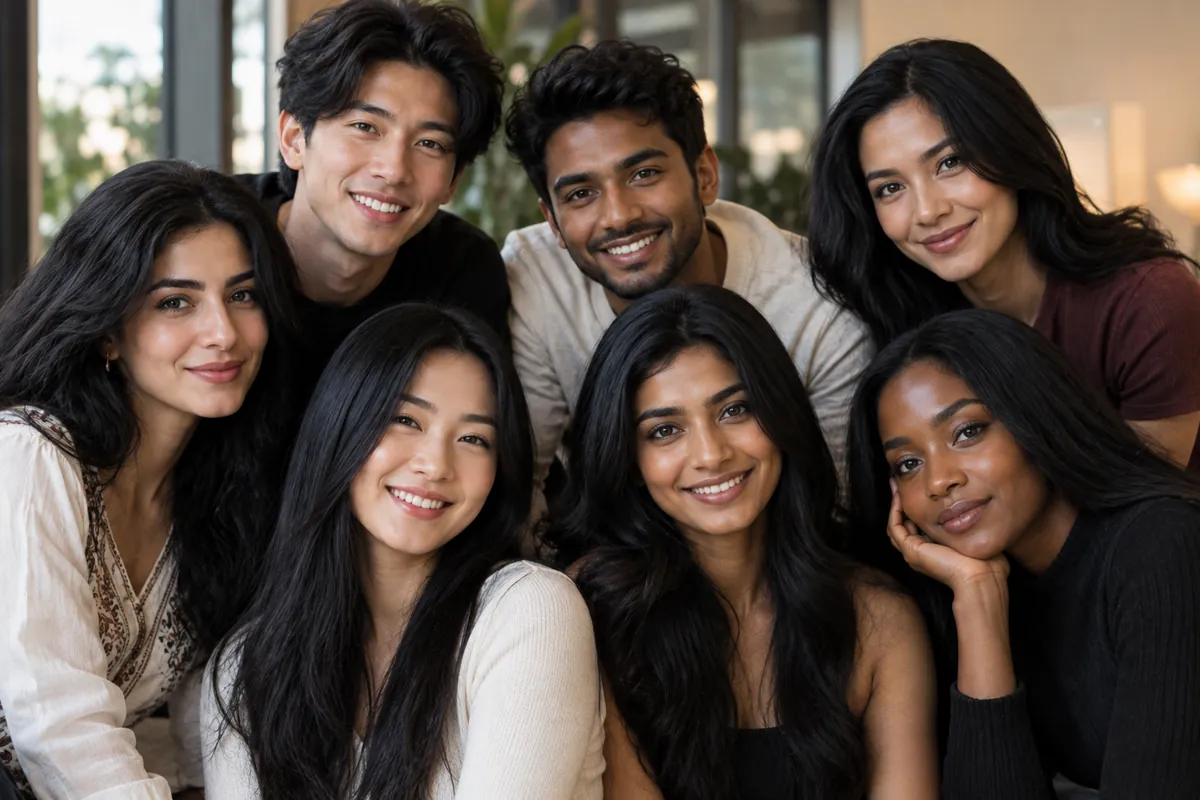
Brown hair holds the number two spot worldwide, and it’s widespread rather than concentrated in just one or two regions. Much of Europe, particularly Southern and Central Europe, has brown hair as the predominant natural shade. The Middle East and large parts of South Asia also show significant natural brown hair prevalence, often existing alongside black hair within the same populations and even the same families.
Latin America adds further depth to brown hair’s global presence, given the region’s complex genetic ancestry blending Indigenous, European, and African heritage, which produces a wide range of natural brown shades across the population. This broad geographic spread is part of why brown, despite trailing black hair by a significant margin, still comfortably outpaces blonde and red hair worldwide. Brown is also easy to confuse with brunette. Our guide to brown vs. brunette hair explains the real difference.
The Rarer Hair Colors: Blonde and Red
Blonde and red are the rarest natural hair colors, and they tell a very different geographic story than black and brown. Rather than being spread broadly across multiple continents, both colors are concentrated in specific, relatively limited populations, which is a big part of why they read as rare on a global scale even though they’re common within certain regions.
Natural blonde hair is most heavily concentrated in Northern and Eastern Europe, particularly in Scandinavian countries and the Baltic region, where it appears in a meaningfully higher proportion of the population than almost anywhere else in the world. Outside of Europe, natural blonde hair shows up in only a small number of other populations globally, which makes its overall worldwide presence quite limited despite being common in those specific pockets.
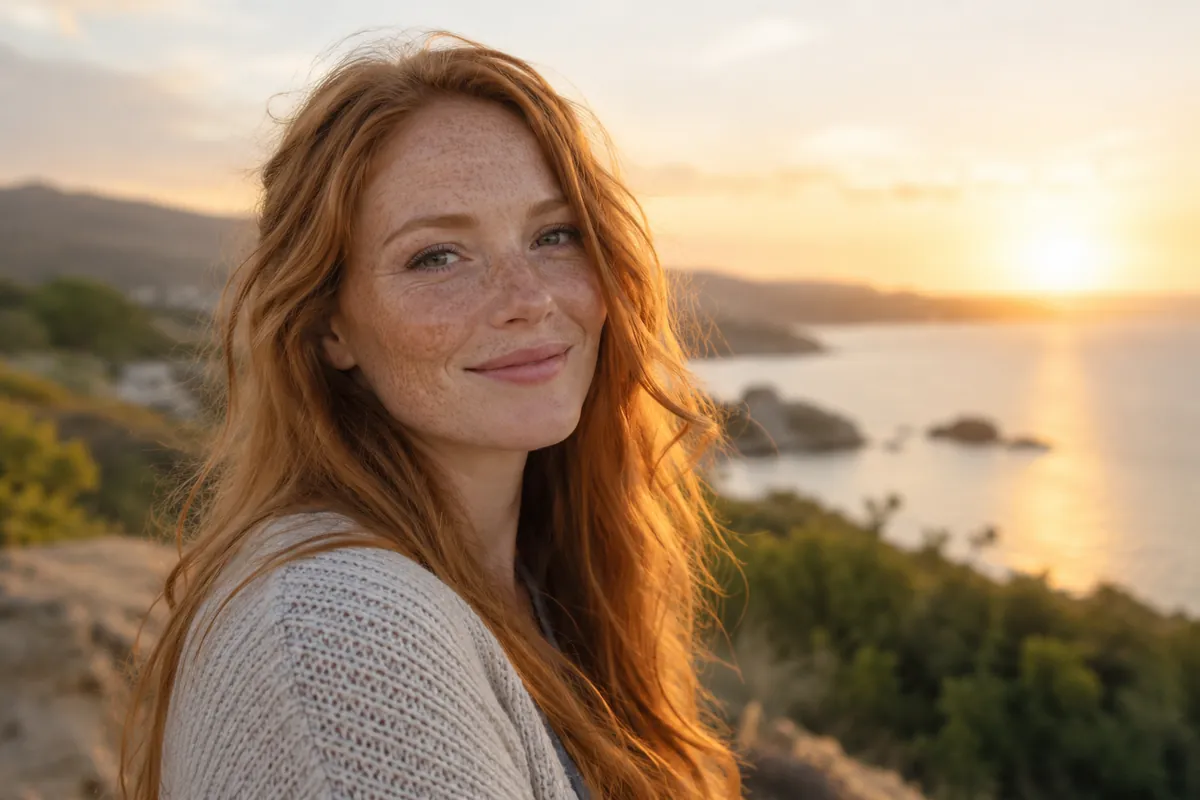
Red hair is rarer still. Estimates commonly place natural red hair at only a very small share of the global population, making it the least common natural hair color by a meaningful margin. It’s most concentrated in populations with Celtic and Northern European ancestry, with Scotland and Ireland in particular showing notably higher proportions of natural redheads than the global average. People who love the look but were not born with it often use dye instead. See our guide to copper hair color at home.
What Is the Rarest Natural Hair Color in the World?
Red hair is the rarest natural hair color worldwide, found in only a very small share of the global population. It results from specific genetic variants, most notably in the MC1R gene, that shift pigment production toward pheomelanin, and it’s most concentrated in populations with Celtic and Northern European ancestry, particularly in Scotland and Ireland.
Why Do Some Pacific Islander Populations Have Naturally Blonde Hair?
Certain Melanesian populations, particularly in the Solomon Islands, have naturally blonde hair despite having darker skin, and genetic research has traced this to a distinct gene variant unrelated to the ones responsible for blonde hair in European populations. This is a separate genetic pathway to the same visible trait, which makes it a fascinating example of different mutations independently producing similar physical results in entirely unconnected populations.
Why Does Natural Blonde Hair Often Darken With Age?
Natural blonde hair frequently darkens gradually through childhood and adolescence because eumelanin production in many people increases over time, shifting hair from lighter blonde tones toward brown. This is a normal developmental pattern rather than anything unusual, and it’s a major reason why many adults who were blonde as young children end up with brown or dark blonde hair by the time they’re fully grown.
If you do change your natural color with dye, it needs a different routine to stay healthy. Our guide to how to take care of colored hair walks through it.
Frequently Asked Questions
1. What is the second most common natural hair color in the world?
Brown hair is the second most common natural hair color globally, with significant presence across Europe, the Middle East, South Asia, and Latin America, though it trails black hair by a substantial margin due to global population distribution.
2. Is blonde hair more common in women than men?
Blonde hair prevalence isn’t meaningfully different between men and women from a genetic standpoint, since the underlying genes that produce blonde hair aren’t sex-linked in a way that would favor one gender over the other.
3. Does natural hair color vary by country in predictable patterns?
Yes, natural hair color distribution correlates strongly with regional population genetics and ancestry, which is why certain countries and regions show consistently higher proportions of specific colors, like blonde in Scandinavia or red in Scotland and Ireland, compared to the global average.
4. Can two parents with brown hair have a child with a different natural hair color?
Yes, since hair color involves multiple genes and recessive traits can be passed down without being visibly expressed in a parent, it’s entirely possible for two brown-haired parents to have a child with a notably different natural hair color depending on the specific genetic variants each parent carries.
5. Why does red hair often come with other genetic traits like fair skin?
Red hair is strongly associated with certain MC1R gene variants that also influence skin pigmentation, which is why red hair frequently appears alongside fair, freckle-prone skin that burns easily in the sun, since the same genetic pathway affects both traits.
6. Does hair color naturally change with aging beyond just going gray?
Yes, beyond graying, many people experience gradual natural darkening of their hair color from childhood into adulthood as eumelanin production shifts, which is separate from the graying process that typically happens much later in life due to melanin production slowing down entirely. Dye can also change hair color. Our guide to semi-permanent vs. demi-permanent hair color explains the two main types of dye.
7. Is there a genetic link between hair color and eye color?
Yes, several of the same genes involved in hair pigmentation also influence eye color, which is part of why certain hair and eye color combinations, like blonde hair with blue eyes or dark hair with brown eyes, appear together more frequently than would happen by pure chance.
8. Are there natural hair colors that exist only in specific isolated populations?
Yes, certain genetic variants producing unique hair color patterns have been identified in isolated or genetically distinct populations, with the naturally blonde hair found among some Melanesian groups in the Pacific Islands being one well-documented example of a locally concentrated genetic trait.
9. Does climate or geography directly influence natural hair color?
Geography influences hair color indirectly through population genetics and ancestry rather than through any direct environmental effect, meaning it’s the genetic makeup of populations that settled in a given region over time, not the climate itself, that shapes which hair colors predominate there.
10. Why do some people have hair that looks different colors in different lighting?
Hair pigment reflects and absorbs light differently depending on the specific balance and density of eumelanin and pheomelanin present, which is why hair that looks solidly brown indoors can show reddish or golden undertones in direct sunlight, even though the actual pigment composition hasn’t changed at all.