 Global Fashion Trends
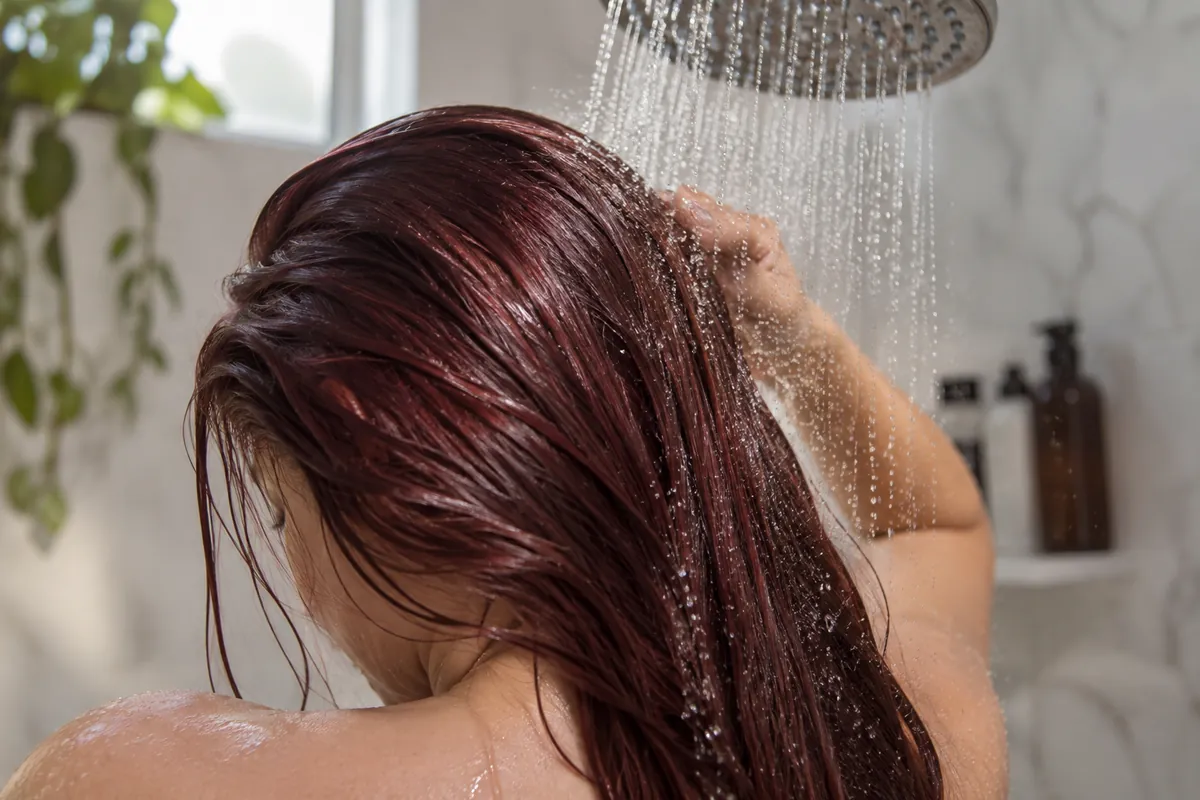
How Long Should You Wait to Wash Your Hair After Coloring?
Wait 24 to 48 hours after coloring before washing your hair so the cuticle has time to close around the new pigment. You just left the salon, or maybe you’re standing in your bathroom rinsing dye off your hands, and your hair looks incredible. Naturally, the next thought is when you can actually wash it, because at some point that “fresh from the bottle” smell needs to go and you’re going to want your normal shampoo routine back. Jumping in too soon, though, can undo a chunk of what you just paid for or spent an afternoon doing yourself.
This comes down to real chemistry happening inside your hair strand in the hours right after coloring, not just a random rule colorists repeat out of habit. Here’s what’s actually going on, how long to wait depending on what kind of color you used, and how to get through that stretch without losing your mind waiting for wash day.
How Long Should You Wait to Wash Your Hair After Coloring?
For permanent and demi-permanent color, waiting at least 24 to 48 hours before your first wash is the standard recommendation, since this gives the hair cuticle time to fully close back around the newly deposited pigment. Semi-permanent color and bleach-only services sometimes allow for a slightly shorter wait, while henna often benefits from waiting even longer.
The exact number isn’t arbitrary. It’s tied to how the coloring process physically changes your hair‘s outer layer, and washing before that process settles affects how well your color holds up over the following weeks.
Why Waiting Actually Matters
For the full process, see how to color your hair at home.
Learn how long hair color lasts with proper care.
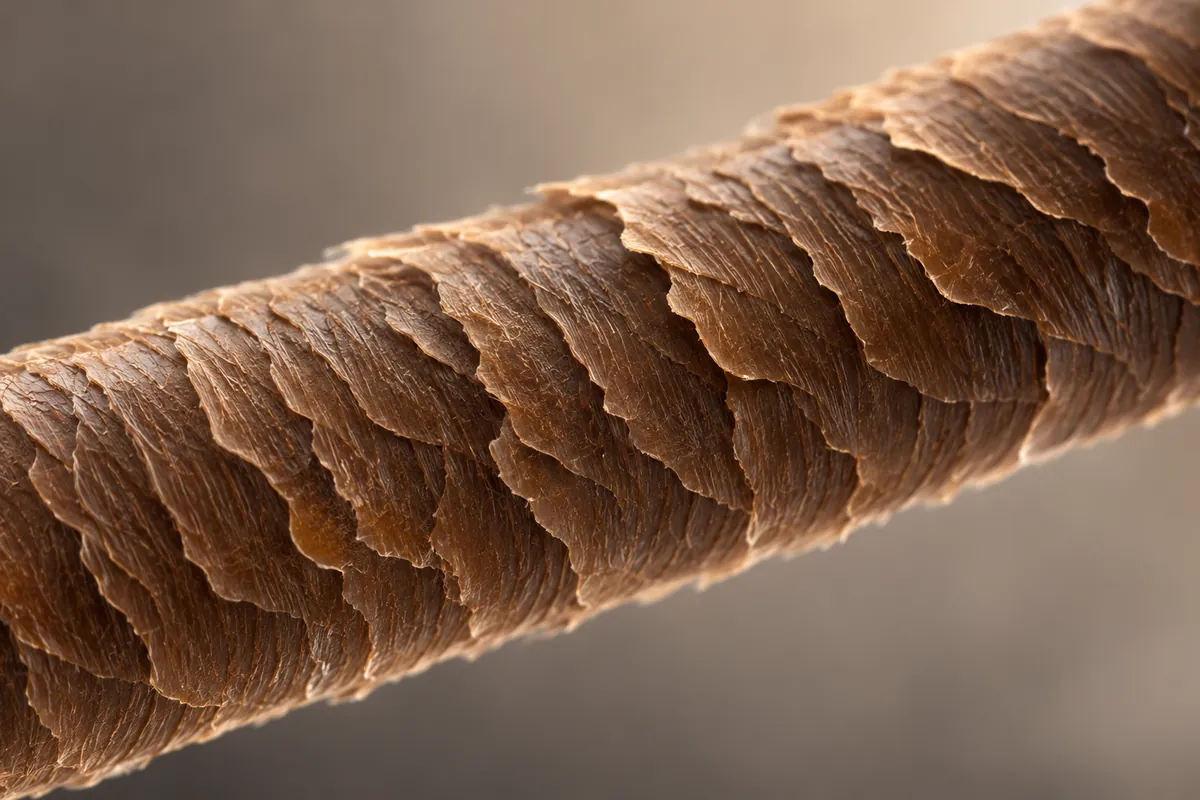
Waiting matters because the cuticle needs time to close and trap pigment after color lifts it open. Hair color works by getting the cuticle, the outermost protective layer of each strand, to open up so pigment molecules can either deposit into the cortex underneath or, in the case of lightening, allow existing pigment to be broken down and lifted out. Alkaline ingredients in most permanent and demi-permanent formulas are what cause that cuticle to lift during processing.
Once you rinse the color out at the end of your appointment or at-home process, the cuticle doesn’t snap shut immediately. It gradually relaxes and closes back down over the following day or two, and that closing process is what physically traps color pigment inside the hair shaft where it belongs. Washing your hair with shampoo while that cuticle is still slightly raised gives color molecules a much easier path back out, which is exactly what speeds up fading and can leave your first wash noticeably more dramatic in terms of color loss than washes weeks later.
There’s also a pH factor at play. Fresh hair tends to sit at a higher, more alkaline pH right after coloring, and it takes some time to return to its normal, slightly acidic state. Shampoo, especially anything with sulfates, can interrupt that natural pH recovery if you wash too soon, compounding the fading issue on top of the still-open cuticle problem.
Can You Wash Your Hair the Same Day You Color It?

Washing your hair the same day you color it is generally not recommended, since the cuticle hasn’t had time to close and your color hasn’t had a chance to fully settle into the hair shaft. Even a quick rinse with shampoo on the same day can noticeably reduce color vibrancy and shorten how long your results last before they start visibly fading.
Wait Times by Type of Color
In short, wait 24 to 48 hours for permanent and demi-permanent color, at least a day for semi-permanent color, and several days for henna. Not every color service calls for the same waiting period, and knowing the difference helps you plan around it more accurately.
Permanent color benefits most from a full 24 to 48 hour wait, since it involves the most significant cuticle disruption of any standard color type, opening the shaft to deposit color and, in cases involving lift, to break down existing pigment as well.
Demi-permanent color follows a similar guideline, typically 24 to 48 hours, even though it processes somewhat more gently than permanent color. The cuticle still opens during application, just not as aggressively, but it still needs comparable time to properly close.
Bleach and lightening services, when done without an immediate toner or gloss applied afterward, sometimes get a slightly shorter recommended wait from colorists, though many stylists still suggest holding off at least a day, since heavily processed hair from bleaching is particularly vulnerable to further stress right after the service.
Semi-permanent and direct dyes sit outside the normal timeline in some ways, since there’s no developer opening the cuticle the way oxidative color requires. Even so, many colorists still recommend a short wait, often at least a day, mainly to let pigment settle onto the hair shaft surface more completely before it faces the friction and rinsing of a normal wash.
Henna often benefits from an even longer wait than synthetic color, sometimes several days, because henna’s staining process continues to deepen and oxidize on the hair for a while after application, and washing too early can interrupt that development before the color fully settles into its final shade.
- Permanent color: 24 to 48 hours.
- Demi-permanent color: 24 to 48 hours.
- Bleach and lightening without toner or gloss: sometimes slightly shorter, but at least a day.
- Semi-permanent and direct dyes: at least a day.
- Henna: several days.
Does the Wait Time Differ for Semi-Permanent Color?
Semi-permanent color doesn’t strictly require the same 24 to 48 hour wait that oxidative permanent and demi-permanent formulas do, since there’s no developer opening the cuticle. Even so, giving it at least a day before washing generally helps the pigment settle more fully onto the hair shaft, improving how long the color lasts before it starts to visibly fade.
What Happens If You Wash Too Soon
Washing before your hair is ready doesn’t ruin your color outright, but it does create a few predictable problems worth knowing about ahead of time.
Faster overall fading. This is the most common consequence. An open cuticle lets pigment slip back out more easily, so your color simply won’t hold on as long as it would have with a proper waiting period, sometimes shaving real time off how vibrant your results stay.
Uneven fading across the head. Sections that were processed slightly differently, whether due to hair thickness, porosity, or how evenly product was applied, can fade at different rates when washed too soon, leading to a patchier, less uniform look sooner than expected.
Color bleeding and staining. Fresh color, especially vivid or dark shades, can bleed noticeably when washed too early, staining towels, pillowcases, or clothing more than it would after the color has had proper time to settle and stop actively releasing excess pigment.
A duller overall result. Since the cuticle affects how light reflects off your hair, washing too soon and disrupting that closing process can leave color looking slightly flat or less glossy than it would with a full waiting period, even if the actual shade is technically the same.
How to Get Through the Waiting Period Without Washing
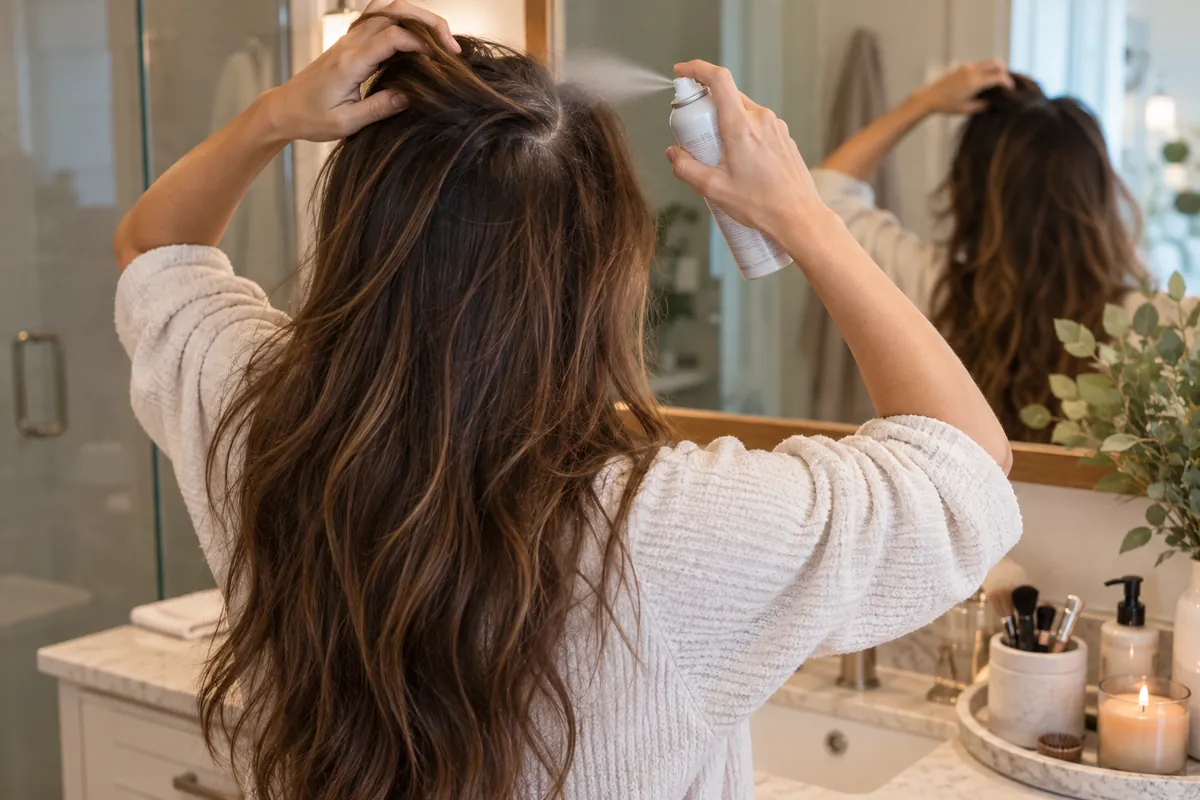
A day or two without washing is manageable with a few practical habits, even if your hair tends to get oily quickly.
Dry shampoo is the most useful tool here. Applying it at the roots absorbs excess oil and refreshes the appearance of your hair without disturbing the cuticle-closing process happening underneath.
Protective, low-manipulation styles help too. Braids, buns, or simply keeping hair pulled back reduce how much your hair strands rub against pillows, collars, or scarves, which minimizes friction that could otherwise affect the fresh color while it’s settling.
Skip intense workouts or anything that causes heavy sweating if you can help it during this window. Sweat can affect scalp oil buildup and sometimes irritate freshly processed hair and scalp, adding another reason to hold off on high-intensity exercise for a day or so.
Avoid swimming, especially in chlorinated pools, during the waiting period. Chlorine is particularly harsh on freshly colored hair, and combining that exposure with an open cuticle is close to the worst-case scenario for early fading.
Is It Okay to Just Rinse With Water Without Shampoo During the Wait?
A quick water-only rinse, without shampoo, is generally considered lower-risk than a full wash during the waiting period, since it avoids the surfactants in shampoo that are more likely to strip pigment and disrupt pH recovery. That said, it’s still gentler to avoid even a water rinse entirely if you can manage it, particularly in the first 24 hours right after coloring.
Best Practices for Your First Wash After Coloring
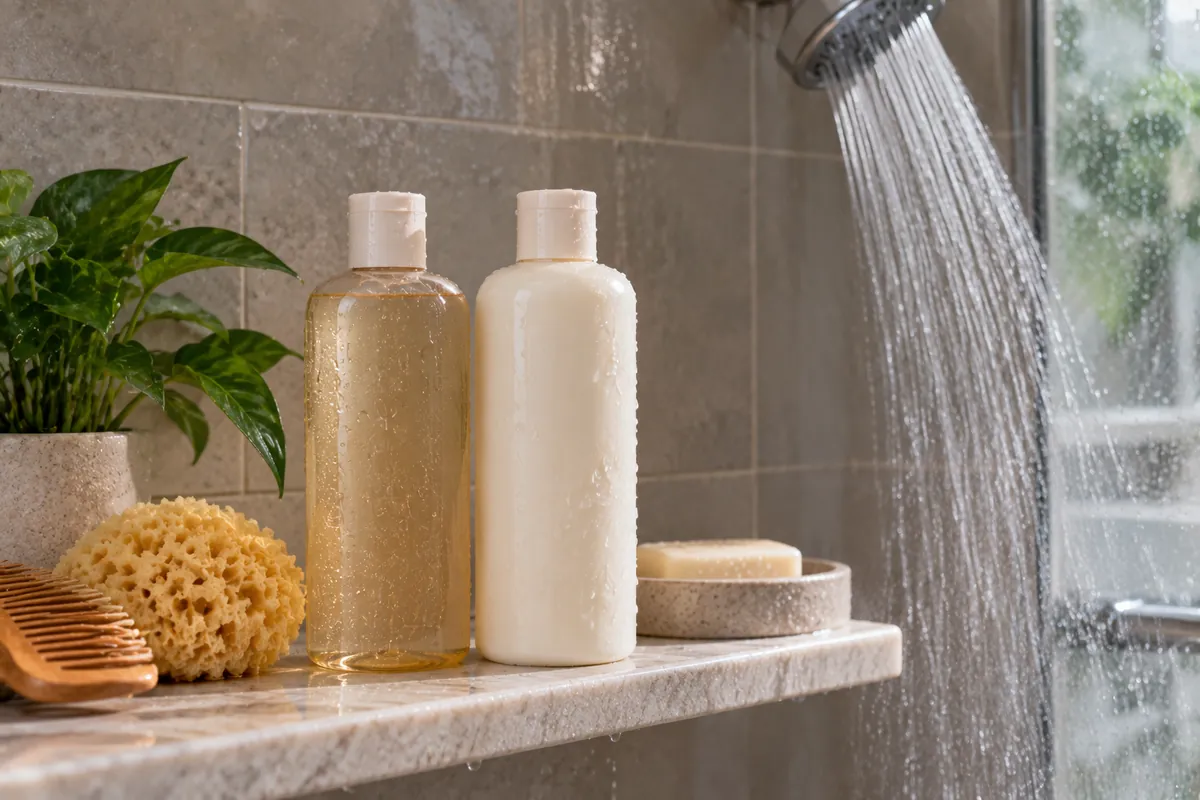
For the first wash, use cool or lukewarm water and a sulfate-free shampoo for color-treated hair, and be gentle. Once your waiting period is up, how you handle that first wash still matters quite a bit.
Use cool or lukewarm water rather than hot. Heat opens the cuticle the same way it does during any other wash, and starting your color-treated hair routine with hot water works against everything the waiting period was meant to protect.
Reach for a sulfate-free shampoo formulated for color-treated hair. Standard shampoos with strong sulfates are more aggressive cleansers, which translates to more pigment loss with each wash over time, not just the first one.
Be gentle with scalp massage and avoid scrubbing vigorously, especially through the lengths. A softer touch reduces unnecessary friction on hair that’s still adjusting after a recent chemical process.
Follow up with a color-safe conditioner, and consider a deep conditioning treatment within the first week to help support hair that went through real chemical stress during the coloring process, even if it doesn’t look visibly damaged.
Does the 48-Hour Rule Apply to Root Touch-Ups Too?
Yes, the same 24 to 48 hour waiting guideline generally applies to root touch-ups, since the developer and alkaline agents used at the roots go through the same cuticle-opening and closing process as a full-head color service. Even though a touch-up covers less surface area, the chemistry happening at the scalp and root area still needs the same recovery window.
Frequently Asked Questions
1. Can you shower after coloring your hair as long as you avoid getting your hair wet?
Yes, showering without directly wetting your hair is generally fine during the waiting period, though it’s worth being cautious about steam and indirect splashing, since even brief water exposure can interfere somewhat with the cuticle-closing process.
2. Does the waiting period apply the same way to gray coverage color?
Yes, color used specifically for gray coverage typically follows the same waiting guidelines as standard permanent or demi-permanent color, since the underlying chemistry involved in opening and closing the cuticle doesn’t change based on whether the goal is gray coverage or an overall color change.
3. Is it safe to use dry shampoo the day you color your hair?
Yes, dry shampoo is generally safe to use the same day as your color service, since it’s designed to be applied to dry hair and doesn’t involve the water and surfactants that affect the cuticle-closing process the way an actual wash does.
4. Does hair porosity affect how long you should wait before washing?
Yes, higher porosity hair, often the result of previous chemical treatments or damage, tends to have a more open cuticle structure overall, which can mean color settles and holds less securely, making it especially important to stick closely to the recommended waiting period for that hair type.
5. Can you go to the gym right after coloring your hair if you wear a shower cap?
A shower cap can help protect hair from direct water exposure during a workout, but it won’t fully prevent sweat from reaching the scalp and hairline, so it’s still generally best to keep intense exercise to a minimum during the first day or two after coloring.
6. Does waiting longer than 48 hours provide any extra benefit?
Waiting beyond the standard 24 to 48 hour window generally doesn’t provide significant additional benefit for most color types, since the cuticle-closing process has typically completed within that timeframe, though henna is a notable exception that can benefit from a longer wait.
7. Is it necessary to wait before washing after a color-depositing conditioner or gloss treatment?
Color-depositing conditioners and glosses are generally gentler than full oxidative color, and many can be rinsed relatively soon after application, though checking the specific product’s instructions is worth doing since formulas and recommended wait times can vary.
8. Does swimming in salt water affect freshly colored hair the same way chlorine does?
Salt water can also affect freshly colored hair, drying it out and potentially contributing to faster fading, though it’s generally considered somewhat less harsh than heavily chlorinated pool water in terms of direct chemical interaction with fresh color.
9. Can you wet your hair to style it without fully washing it during the waiting period?
Lightly wetting hair to style it, without shampooing, is generally considered lower-risk than a full wash, though it’s still gentler to minimize water exposure entirely during the first 24 hours if styling isn’t essential.
10. Does the waiting period matter as much for very short haircuts?
The underlying chemistry and cuticle-closing process work the same way regardless of hair length, so the waiting period matters just as much for short hair as it does for longer styles, even though shorter hair might feel less urgent to wash simply because it dries and styles more quickly.