 Global Fashion Trends
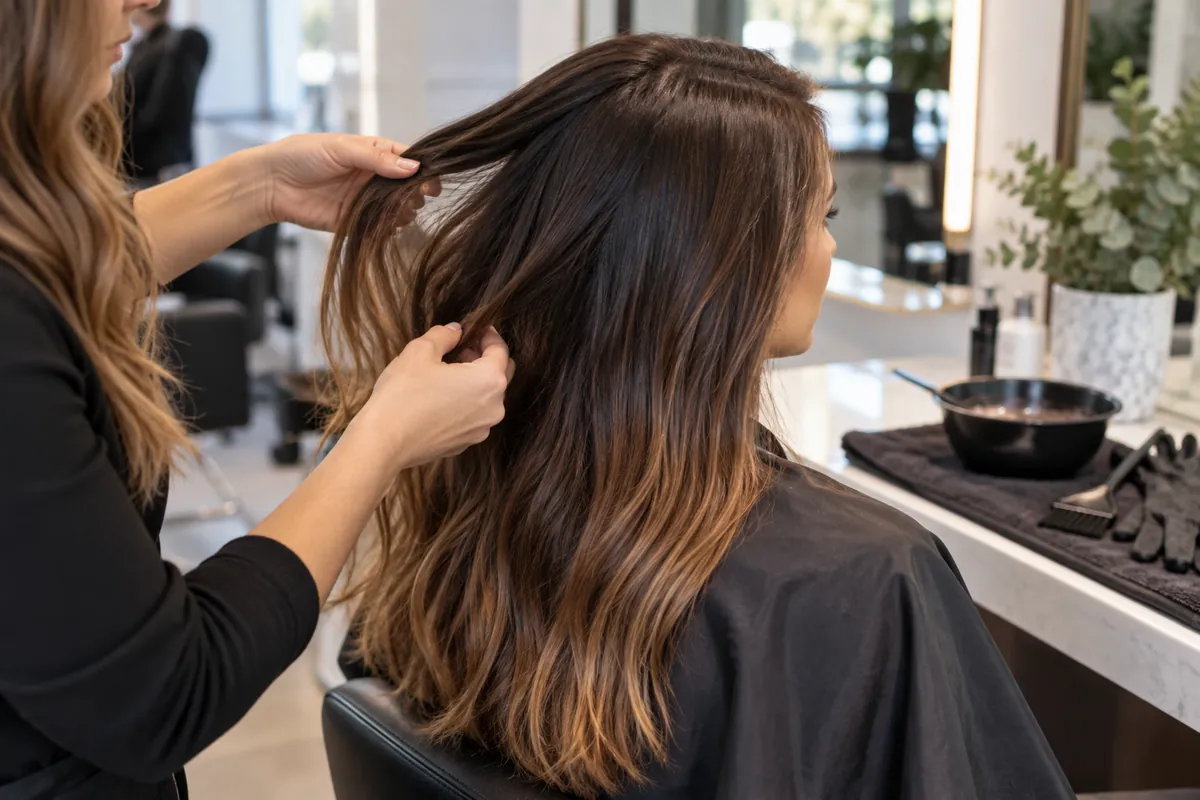
How to Strip Hair Dye Color From Your Hair Without Excess Damage
To strip hair dye without excess damage, match the method to the dye type and start with the gentlest method that can move that pigment. Changing your mind about hair color is easy. Removing the color is the complicated part.
A brunette that looked rich on the first day may feel almost black after several applications. A vivid red may refuse to fade evenly. Blue can leave a greenish cast behind. Even a supposedly temporary shade can cling stubbornly to porous blonde ends.
This is where the phrase “strip hair color” causes confusion. There is no single stripping method that works for every dye.
Semi-permanent direct dye mainly needs to be faded or loosened. Demi-permanent and permanent oxidative colors behave differently because their pigments develop within the hair. Bleach can remove more color, but it also removes natural pigment and creates much more stress than simple fading methods.
Before reaching for the strongest option, identify what is actually in your hair. The safest correction usually begins with the least aggressive method capable of moving that particular pigment.
Know What Type of Hair Dye You Are Trying to Remove
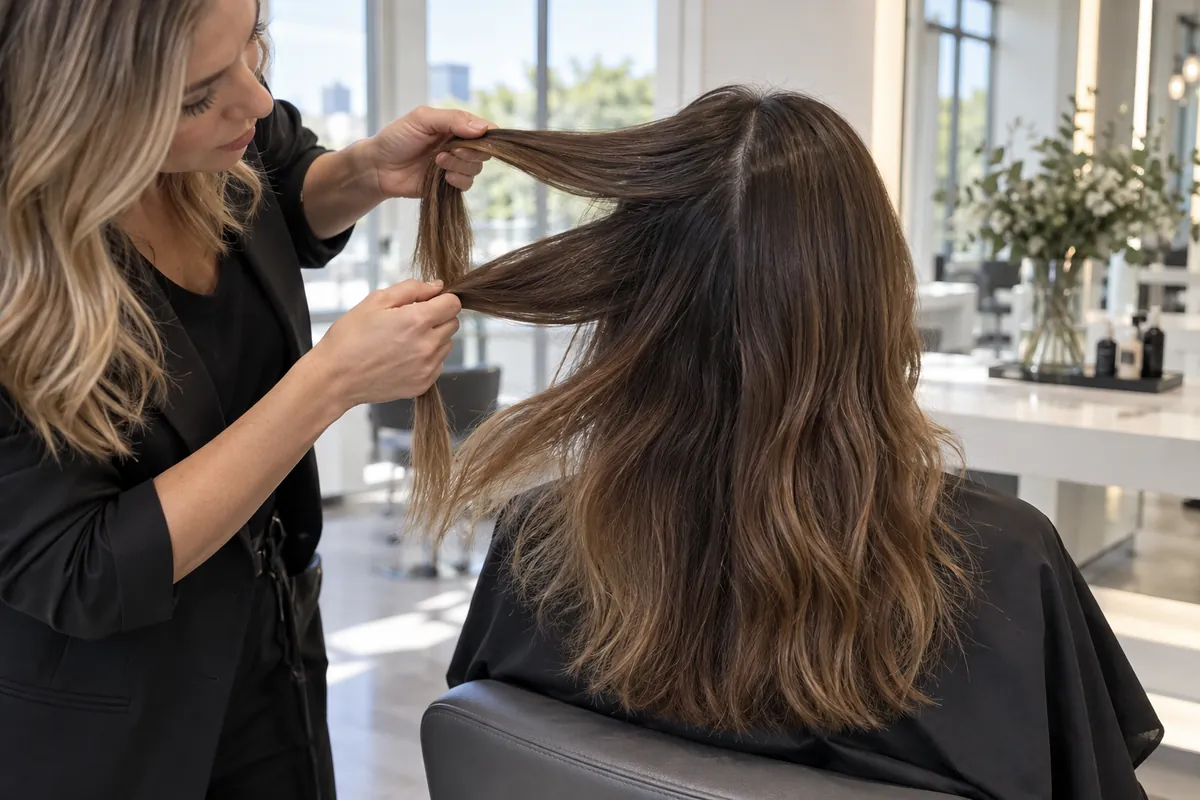
The best way to remove unwanted hair color depends on whether you used temporary, semi-permanent, demi-permanent, or permanent dye. Temporary and many semi-permanent pigments can often be faded gradually. Oxidative demi-permanent and permanent color may require a dedicated color-reducing process, while bleach is generally reserved for cases where substantial artificial pigment remains.
Start with your color history.
If you applied a bright pink, purple, blue, or copper color straight from a jar or tube without mixing it with developer, you probably used a direct semi-permanent dye.
Those pigments mainly attach to the outer portions of the hair and gradually leave through washing. They can still stain porous hair deeply, but they behave differently from permanent oxidative color.
If your dye required developer, you were likely working with an oxidative formula.
Demi-permanent color generally uses a gentler oxidative process and is designed mostly to deposit tone. Permanent color goes further, altering natural pigment while forming new artificial color molecules inside the hair.
That difference matters enormously during removal.
You cannot treat several layers of permanent black dye the same way you would treat a fading pastel pink.
Your starting hair underneath the dye matters too.
Suppose naturally light brown hair was colored dark brown once. Reducing that artificial pigment may reveal something reasonably close to the original base.
Now imagine naturally dark brown hair that was first bleached blonde and then colored dark brunette.
Removing the brunette does not magically restore the original dark natural hair. It may reveal the lightened, warm, porous hair underneath.
Hair color removal is therefore not a rewind button.
It reveals whatever base currently exists beneath the artificial pigment.
Can You Strip Hair Dye Without Bleach?
Yes. Many unwanted colors can be reduced without bleach, especially semi-permanent direct dyes and some oxidative colors. Clarifying washes, dedicated color removers, and controlled fading methods may remove or soften artificial pigment without directly lightening natural melanin. The result depends heavily on the dye type, number of applications, porosity, and previous bleaching.
Avoid jumping immediately to bleach simply because the color looks dark.
Bleach affects both artificial pigment and natural hair pigment. A color reducer designed for oxidative dye works differently by targeting developed artificial color molecules rather than trying to lighten everything.
For direct dyes, repeated cleansing may be enough.
The safest correction starts by asking a simple question: how much color actually needs to leave?
If a medium brunette looks one shade too dark, full stripping may be unnecessary. A few fading washes and time may create a better result with far less stress.
How to Fade Semi-Permanent Hair Color Safely
Semi-permanent hair color is usually best removed gradually rather than aggressively stripped. Washing with a stronger clarifying shampoo, using comfortably warm water, and allowing normal fading to continue can remove a surprising amount of direct pigment. Highly porous or pre-lightened hair may retain residual staining, especially from blue, green, red, violet, and very dark shades.
Begin with washing.
A clarifying shampoo cleans more aggressively than a gentle color-preserving shampoo and can help loosen deposited pigment.
Work the shampoo through wet hair thoroughly, concentrating on the areas holding unwanted color.
Rinse well.
One wash may remove noticeable pigment, but trying to force all the color out in a single day can leave the hair extremely dry.
Space out stronger washes if the hair begins feeling rough.
A rich conditioner or treatment afterward can help restore slip and reduce tangling, although conditioning does not reverse structural bleaching damage.
Warm water may accelerate fading compared with cool water because it encourages the hair fiber to swell slightly and allows more superficial pigment to escape.
That does not mean using water hot enough to irritate the scalp.
Comfortably warm is enough.
Color will often fade unevenly.
Porous ends usually behave differently from natural roots. If your hair was previously highlighted, the lightened areas may hold pink, blue, or red pigment long after the healthier sections have faded.
That is normal.
How Do You Remove Semi-Permanent Hair Dye Faster?
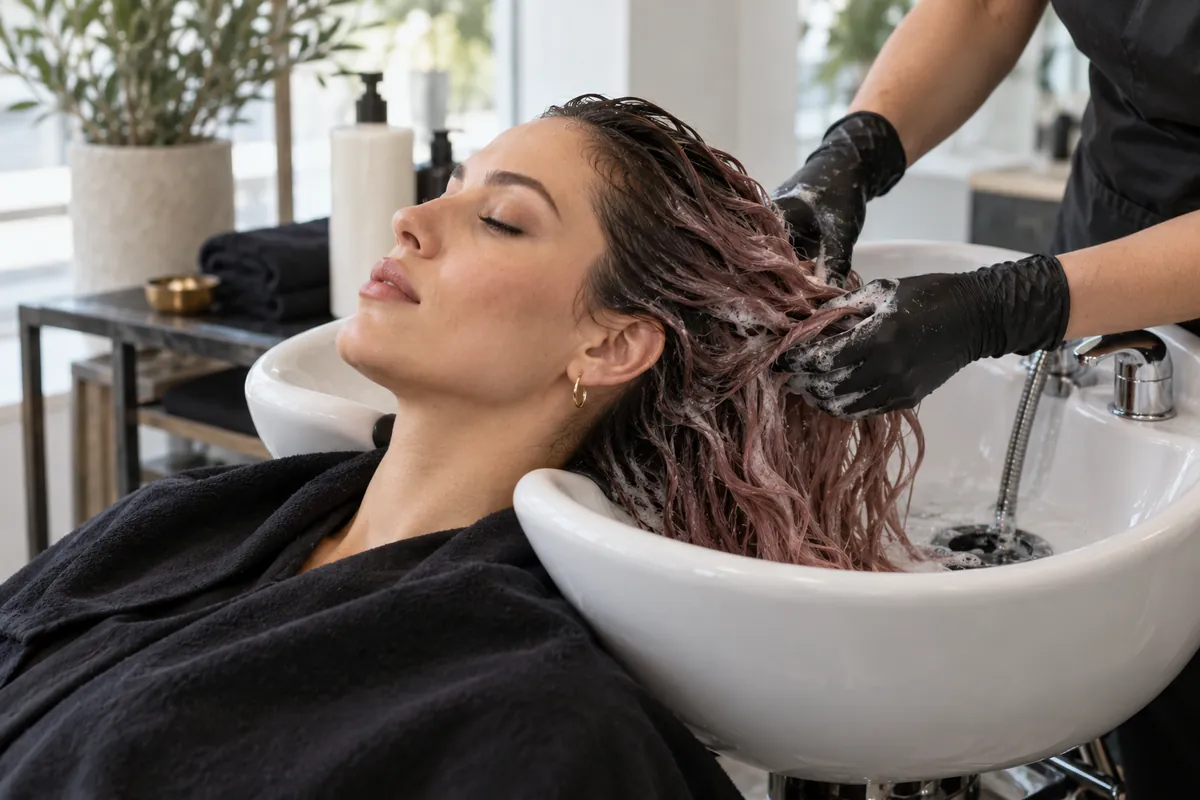
To fade semi-permanent dye faster, use clarifying shampoo more frequently than you would for normal color maintenance, wash with comfortably warm water, and avoid products designed specifically to preserve deposited color. Stop escalating if the hair becomes excessively dry, tangled, stretchy, or fragile, since faster pigment loss is not worth significant breakage.
You may see DIY suggestions involving dishwashing liquid, baking soda, crushed tablets, or other household ingredients.
These methods can be highly drying and unpredictable.
A cleanser formulated for hair is usually a more controlled place to start.
If clarifying alone does not move enough pigment, a professional or salon-grade direct-dye remover may be more appropriate than repeatedly improvising stronger mixtures at home.
Be especially cautious with blue and green.
A faded blue over yellow-blonde hair can appear green even though much of the blue pigment has already left.
Adding more random color-removal steps may make the underlying hair increasingly porous while the green remains.
At that point, correction becomes a color-theory problem as much as a removal problem.
How to Remove Demi-Permanent and Permanent Hair Dye
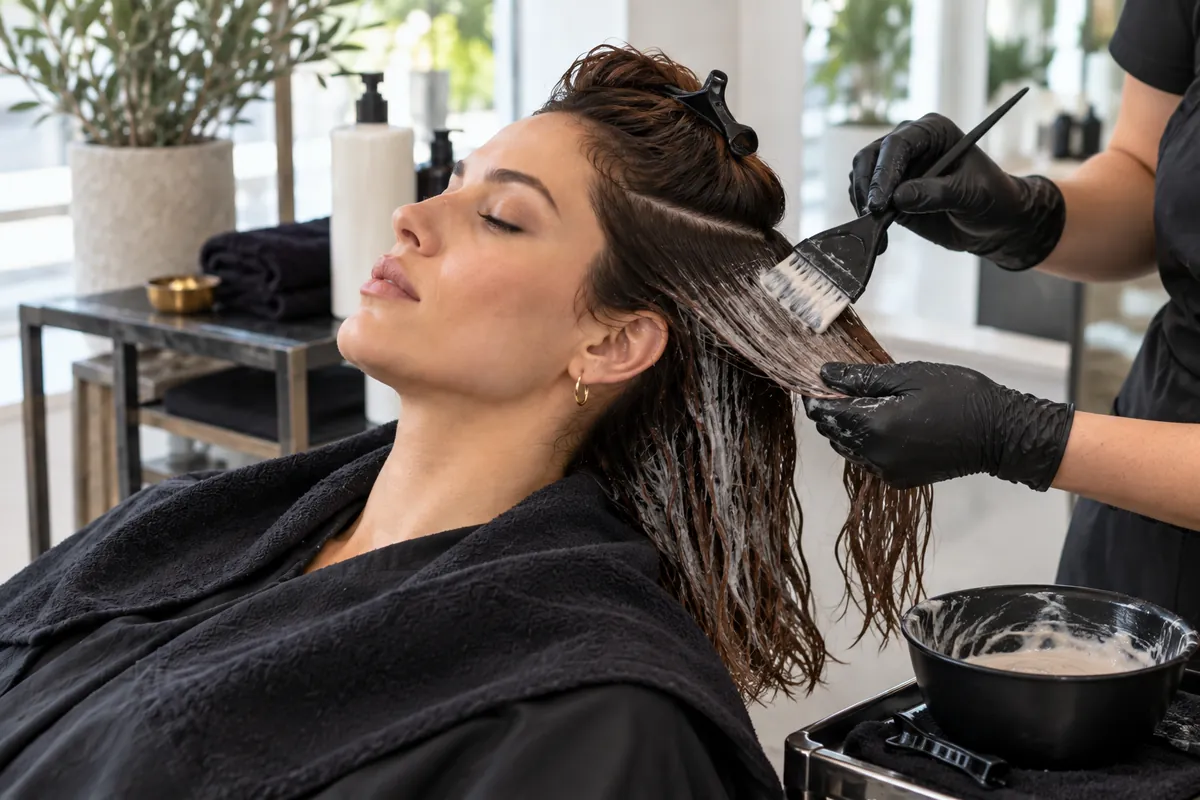
Demi-permanent and permanent oxidative hair color are harder to remove because their color molecules develop within the hair rather than simply coating its surface. A dedicated oxidative color reducer can sometimes shrink or disrupt artificial dye molecules so they can be rinsed away, making it a more targeted first step than immediately bleaching the hair.
Color reducers and bleach are not interchangeable.
A color reducer is generally intended to target oxidative artificial dye.
Bleach lightens pigment more broadly.
That distinction matters if your goal is simply to remove overly dark permanent brunette color while preserving as much natural pigment as possible.
Follow the remover’s instructions precisely.
Do not guess at mixing ratios, processing time, or rinsing.
The rinse stage can be particularly important because artificial dye molecules that have been reduced need to be removed thoroughly from the hair. If too much remains, the color may appear to darken again as those molecules reoxidize.
Repeated permanent coloring makes removal more difficult.
Imagine someone applying dark brown permanent dye from roots to ends every month for two years.
The newest root area may contain relatively little artificial buildup.
The mid-lengths have been recolored many times.
The ends may contain layer after layer of pigment.
One removal treatment may therefore create several different depths on the same head.
That is not necessarily a failed remover. It is evidence of different color histories along the strand.
Can You Remove Permanent Hair Dye and Return to Your Natural Color?
Sometimes, but not always. If permanent dye only deposited darker pigment onto previously natural hair, reducing the artificial color may reveal something close to the original shade. If the permanent dye also lightened your natural pigment, or your hair had been bleached previously, your exact original color cannot simply be restored by stripping.
Permanent color can alter the natural base.
For example, medium brown hair colored with a lighter permanent shade may expose warmer underlying pigment during processing.
If you later remove the artificial tone, the hair may appear orange-brown rather than returning to the untouched medium brown you remember.
That exposed warmth may need to be recolored or toned.
The same issue appears when removing permanent red.
Red pigment may fade, but the base underneath can remain warm because of previous oxidative processing.
This is why successful color correction often involves both removal and recoloring.
Removing unwanted pigment is only the first stage.
When Bleach Is Needed to Remove Hair Color
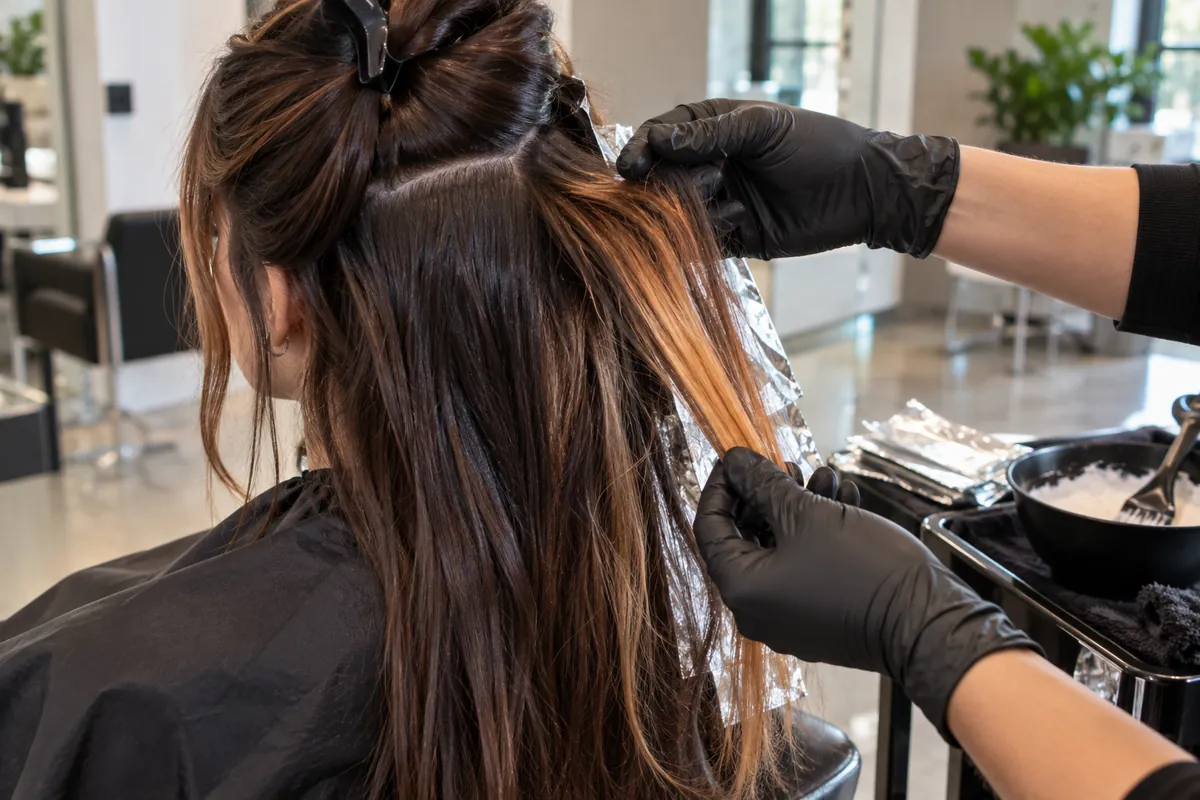
Bleach may be necessary when significant artificial pigment remains after gentler removal, when the goal is substantially lighter hair, or when stubborn color buildup cannot be reduced enough with targeted methods. It should be treated as a lightening process rather than a simple cleaner because it can affect natural pigment, artificial dye, and the structural condition of the hair.
Bleach is powerful because it oxidizes pigment.
That includes pigment you want gone and pigment you may have preferred to keep.
If dark permanent dye is sitting over naturally dark hair, bleaching does not selectively identify only the unwanted brown molecules.
It begins lightening the entire color system.
Warmth usually appears along the way.
Black and deep brunette color commonly move through reddish and orange stages.
Lighter browns may expose orange-gold.
Blonde hair moves toward yellow as lightening continues.
Do not interpret warmth automatically as failure.
It is part of the lightening process.
The danger comes from trying to push every section to pale blonde simply because warm stages look unfinished.
Hair condition determines how far you can safely go.
Can You Bleach Hair Right After Using Color Remover?
Sometimes a color correction involves both processes, but performing aggressive removal and bleaching back-to-back can place substantial stress on the hair. Whether it is appropriate depends on the specific remover, previous chemical history, strand condition, and how the hair behaves after the first process. A strand test is particularly valuable before additional lightening.
Do not judge condition only by appearance.
Hair can look shiny while wet and still be structurally fragile.
Gently assess elasticity and strength.
Hair that feels gummy, excessively stretchy, mushy, or snaps with minimal tension should not be pushed through another aggressive lightening step.
Previously bleached ends need particular caution.
If only the dark artificial color in the mid-lengths needs correction, applying bleach indiscriminately from roots to ends may repeatedly process sections that are already lightened.
That overlap is a major cause of breakage.
Complex corrections involving black dye, banding, bleach, multiple previous colors, or fragile ends are exactly where a professional colorist earns their value.
The challenge is not simply making hair lighter.
It is deciding which area needs which chemical process.
How to Strip Hair Color With the Least Possible Damage
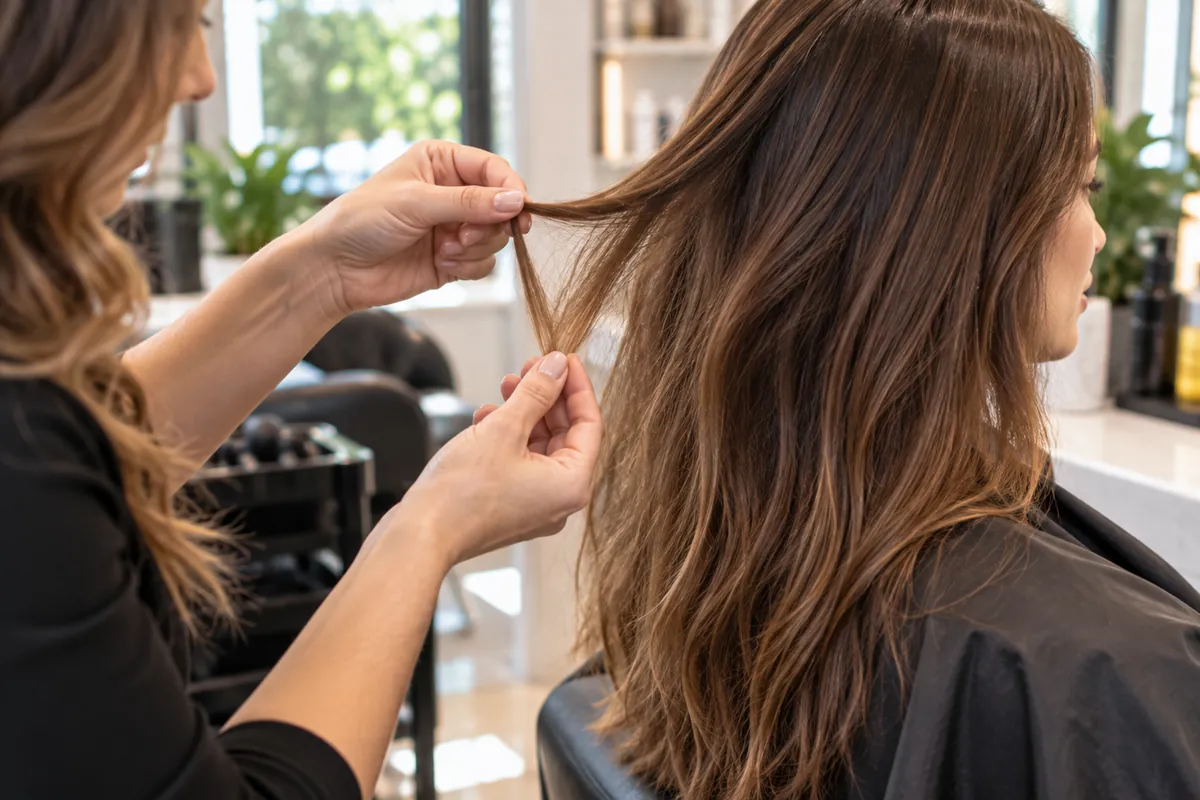
The least damaging approach is to work in stages: identify the dye type, fade what can be faded, use a targeted remover when appropriate, reassess the hair, and only then consider lightening. Expecting several years of color buildup to disappear in one afternoon encourages overprocessing and often creates a worse problem than the unwanted shade.
- Begin with a strand test on a hidden piece of hair.
- Work toward a realistic target, such as an intermediate shade.
- Condition between chemical services.
- Stop if the hair has reached its chemical limit.
Begin with a strand test.
Choose a hidden piece of hair that represents the problem area.
Test the removal method there first.
You are looking for several things:
How much pigment moves?
What color appears underneath?
Does the strand remain strong?
Does it become excessively dry?
Does the result darken again after rinsing and drying?
A small test can save an entire head from an unnecessary correction.
Next, work toward a realistic target.
Suppose your hair is currently near-black from repeated brunette dye, and your ultimate goal is beige blonde.
Trying to achieve that entire transition in one home session is extremely risky.
An intermediate medium or warm brunette may be a much healthier first destination.
Hair does not need to reach the final Pinterest photo immediately.
Conditioning between chemical services matters, but it should be understood correctly.
Masks and conditioners improve softness, lubrication, flexibility, and manageability.
They do not restore destroyed structural material to its original state.
If hair has reached its chemical limit, another deep conditioner does not give you permission to bleach again.
How Long Should You Wait Before Recoloring Stripped Hair?
There is no universal waiting period that suits every correction. The decision should be based on hair condition, the chemistry already used, your next color goal, and the instructions for the products involved. Hair that feels compromised should be given more recovery time rather than recolored simply because a certain number of days has passed.
Sometimes recoloring happens immediately as part of a controlled professional correction.
For example, overly dark permanent brown might be reduced and then toned to a softer brunette in the same appointment.
At home, caution is useful because you have less ability to adjust formulas section by section.
Stripped hair can be more porous.
That means the next color may grab darker than expected, especially through the ends.
If you remove dark brunette and immediately apply your target brown from roots to ends, the porous lengths may absorb too much pigment and become dark again.
Choose subsequent color carefully and strand-test it.
If the hair has become very uneven, a salon correction is usually easier than stacking another full-head DIY formula over it.
Frequently Asked Questions
Can Clarifying Shampoo Remove Permanent Hair Dye?
Clarifying shampoo can fade some surface pigment and may soften freshly applied permanent color slightly, but it cannot reliably remove fully developed permanent oxidative dye. Its strongest effect is generally on temporary and semi-permanent deposits, product buildup, and very fresh color that has not settled deeply.
Does Washing Hair Repeatedly Strip Hair Color?
Frequent washing can accelerate fading, particularly with semi-permanent and demi-permanent shades. It is less effective for heavily built-up permanent dye. Excessive washing can also dry the hair and scalp, so repeatedly shampooing several times in one sitting is not necessarily a better removal strategy.
Is Color Remover the Same as Bleach?
No. A color remover designed for oxidative dye generally targets artificial color molecules, while bleach oxidizes pigment more broadly and can lighten both artificial and natural color. Because their chemistry and purpose differ, the result from one cannot be assumed to match the other.
Can You Strip Black Hair Dye at Home?
Some black artificial dye can be reduced at home, especially if it was applied only a few times to otherwise healthy hair. Repeated permanent black dye is far more difficult because of pigment buildup. Uneven bands, old bleach, fragile ends, or many layers of black color make professional correction safer.
Always choose the least damaging approach.
Why Did My Hair Turn Orange After Removing Dark Dye?
Dark hair and dark artificial color contain underlying warm pigments that become visible as depth is removed. Red, orange, gold, and yellow stages are normal during lightening. Orange does not necessarily mean the remover failed; it may simply reveal the warm base beneath the previous dark color.
Can You Remove Red Hair Dye Completely?
Red dye can often be faded or reduced, but complete removal depends on the formula and the porosity of the hair. Red pigments can linger in lightened or porous sections. After removal, residual warmth may need neutralizing or incorporating into a new shade rather than repeatedly stripping the hair.
Why Won’t Blue or Green Hair Dye Come Out?
Blue and green direct dyes can stain porous blonde hair strongly. As blue fades over a yellow underlying base, the remaining color may look green. Repeated aggressive stripping can damage the hair without fully removing the stain, so stubborn fashion colors sometimes require careful professional correction.
Can You Dye Over Hair Instead of Stripping It?
Yes, if the new shade is the same depth or darker and the underlying color will not interfere with the result. You generally cannot place a lighter dye over dark artificial color and expect it to become lighter. Artificial pigment usually needs to be faded, reduced, or lightened first.
What Should You Do If Hair Feels Gummy After Color Removal?
Stop further chemical processing. Hair that feels gummy, overly stretchy, mushy, or breaks easily may be severely compromised. Handle it gently, minimize heat and mechanical stress, and avoid additional bleach or strong color removal. Significant damage is a strong reason to consult an experienced colorist before doing anything else.