 Global Fashion Trends
Can Coloring Your Hair Damage It? What Really Happens to Your Strands
Yes, hair color can damage hair, but the risk varies greatly by method and hair condition. You’ve probably heard both sides of this argument. A friend swears her hair has never been healthier since she started coloring it, while someone else tells you dye wrecked their hair for a year straight. Both of them might be telling the truth. Hair color can absolutely cause damage, but how much depends heavily on what kind of color you’re using, how it’s applied, and what your hair looked like before the bottle ever got opened.
This isn’t a simple yes-or-no situation, and treating it that way does a disservice to anyone trying to figure out whether their next color appointment is worth the risk. Below is an honest look at what coloring actually does to hair on a structural level, which services carry the most risk, how to spot damage early, and what you can realistically do about it either way.
Does Coloring Your Hair Actually Damage It?
Yes, hair coloring can damage hair, though the severity varies enormously by method. Bleach and high-lift color cause the most structural change because they break down the hair’s internal bonds to lighten it. Semi-permanent and demi-permanent color cause far less damage since they don’t require the same level of chemical processing to deposit pigment.
Think of it less as a single verdict and more as a sliding scale. On one end you have a gloss or toner that barely alters the hair’s structure at all. On the other end you have repeated bleach lifts pushing hair several shades lighter, which changes how the hair behaves, feels, and holds up to daily wear.
What Happens to Hair on a Chemical Level When You Color It
If you decide to proceed, learn how to color your hair at home safely.
For specific safety guidance, see our guide on coloring your hair while pregnant or breastfeeding.
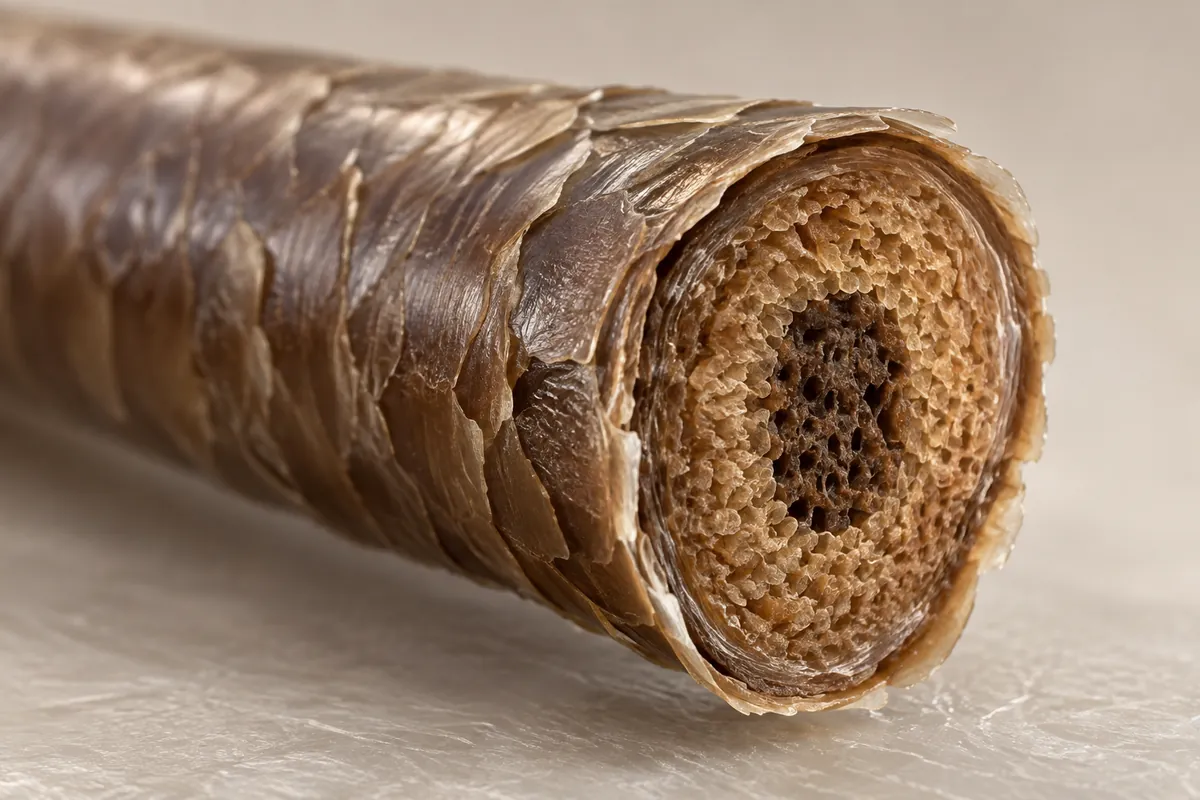
Coloring works by lifting the cuticle so pigment can enter the cortex, changing the hair structure. Hair is made up of an outer cuticle layer, which acts like overlapping shingles protecting the inner shaft, and an inner cortex, where the structural proteins and natural pigment live. Most color processes work by lifting the cuticle open so pigment molecules can get into the cortex, either to deposit new color, lighten the existing pigment, or both.
Permanent and demi-permanent color use an alkaline agent, typically ammonia or an ammonia substitute, paired with a peroxide developer. The alkaline agent swells the hair and opens the cuticle, while the developer triggers an oxidation reaction that both lightens the natural pigment somewhat and allows the new dye molecules to form inside the cortex. This is a disruptive process at a microscopic level, even in a gentle, low-volume application.
Bleach takes this further. Instead of just lightening pigment slightly while depositing new color, bleach is designed to break down melanin as thoroughly as the formula and processing time allow. To do that, it also breaks some of the disulfide bonds that give hair its strength and structure. Those bonds don’t fully reform once you rinse the bleach out, which is part of why heavily lightened hair tends to feel more fragile and porous than hair that’s only ever seen demi-permanent gloss.
Does Semi-Permanent Hair Dye Damage Hair Less Than Permanent Color?
Yes, semi-permanent hair dye is generally far gentler than permanent color because it coats the outside of the hair shaft rather than penetrating and altering it chemically. Since there’s no developer involved and no need to lift the cuticle open, semi-permanent color doesn’t break down internal bonds the way oxidative permanent color and bleach do, which makes it a lower-risk option for hair that’s already stressed.
That said, “gentler” doesn’t mean risk-free. Frequent shampooing to strip out semi-permanent color that’s faded unevenly, or using clarifying treatments to remove it early, can still dry hair out over time, just through a different mechanism than chemical processing.
Why Some Color Services Are Harder on Hair Than Others
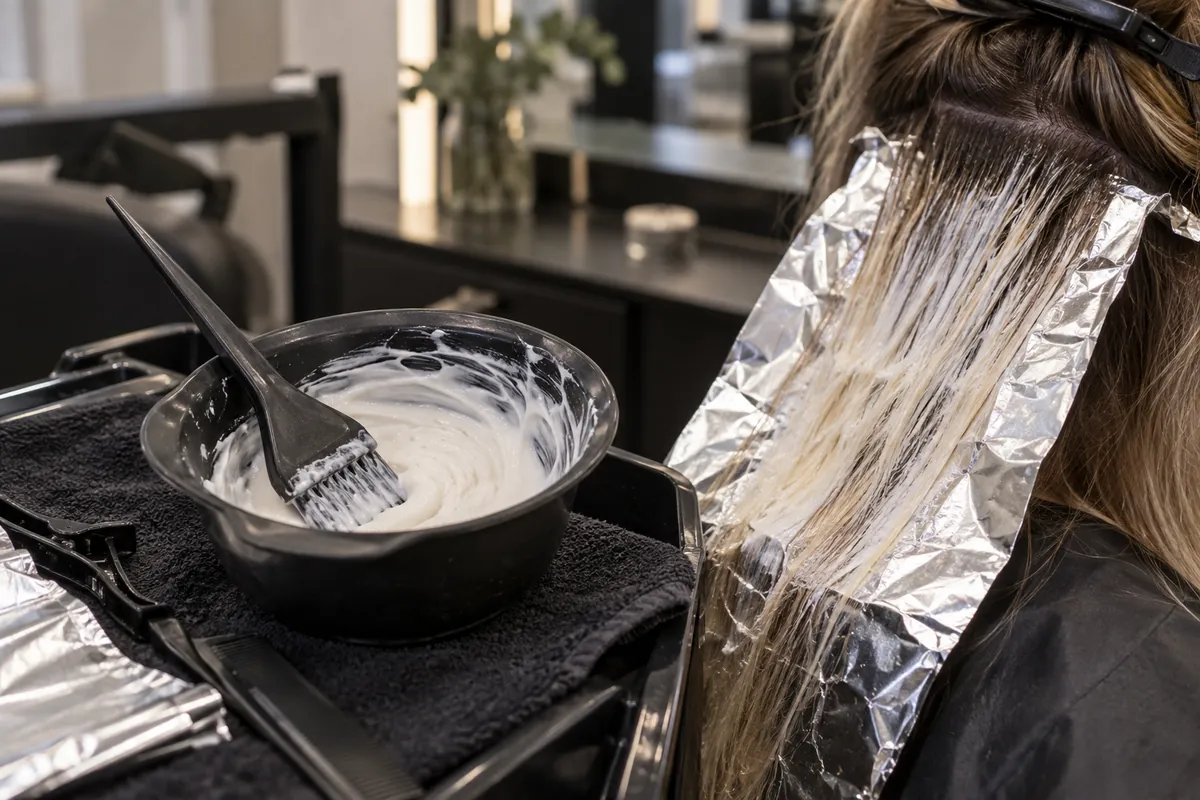
Risk is driven mainly by developer volume, amount of lift, application, and hair history. Not every trip to the colorist carries the same risk, and a few specific factors tend to drive most of the difference.
Developer volume matters a lot. Lower volumes, typically used for depositing color without much lift, are gentler than higher volumes used to lighten hair significantly. The higher the volume, the more aggressive the oxidation process, and the more structural change happens to the hair.
How much lift you’re asking for matters just as much. Going two shades lighter is a very different process than going from dark brunette to platinum. Multiple lightening sessions stacked close together, especially without adequate time between them, compound damage quickly because hair doesn’t fully recover its strength between sessions.
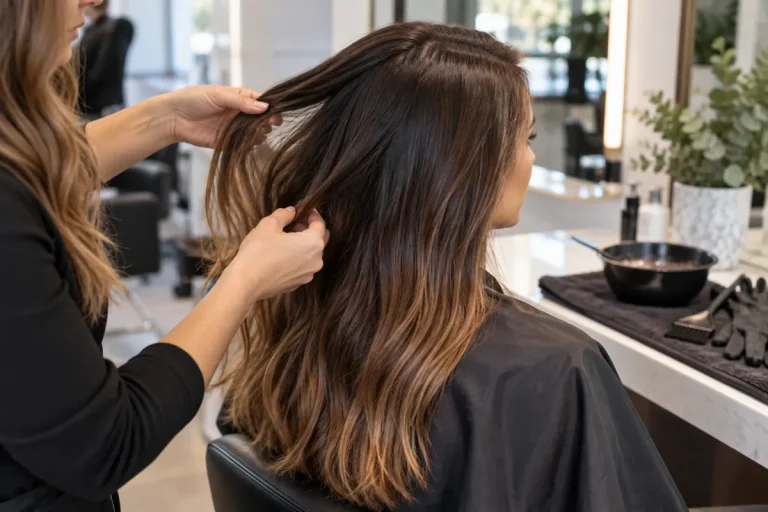
DIY application versus professional application changes the equation too. A trained colorist can assess hair condition, choose an appropriate developer strength, apply color with precision, and time the processing accurately. At-home box color is formulated to work reasonably well on a wide range of hair types, which sometimes means it’s stronger than what any one person’s hair actually needs, and overlapping color onto already-processed lengths during a touch-up is one of the most common causes of avoidable damage.
Hair history plays a role as well. Virgin hair that’s never been chemically treated tends to handle color better than hair that’s already been permed, relaxed, previously bleached, or heavily heat-styled. Chemical processes don’t reset between services. They stack.
How Much Does Bleaching Damage Hair Compared to Regular Box Dye?
Bleaching is significantly more damaging than standard box dye because it’s designed to break down pigment as completely as possible, which requires breaking more of the hair’s internal bonds. Regular permanent box dye still opens the cuticle and processes with a developer, but it’s typically formulated to deposit color rather than strip it, so the structural disruption is noticeably less severe than what bleach causes, especially with repeated lightening sessions.
How to Tell If Your Hair Is Damaged From Coloring
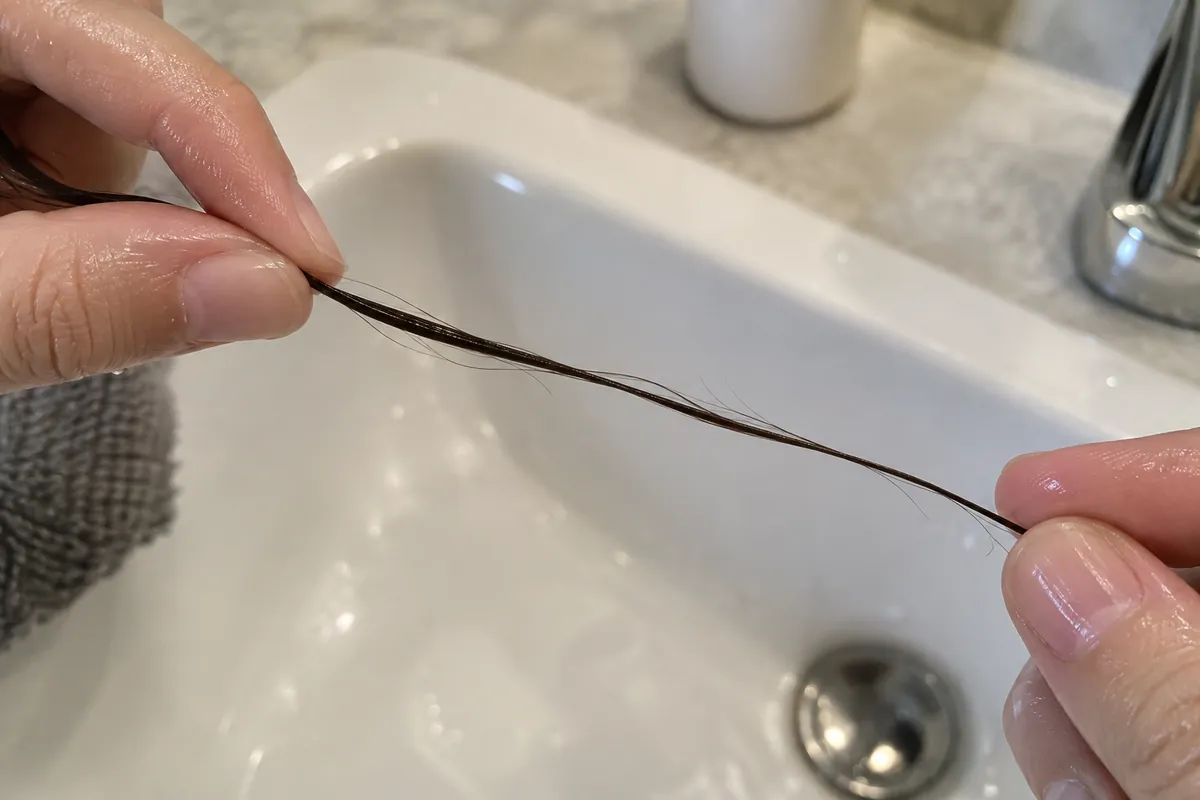
Look for changes in stretch, texture, tangling, breakage, and shine. Damage doesn’t always show up as visibly dramatic breakage right away. A few practical checks can tell you a lot.
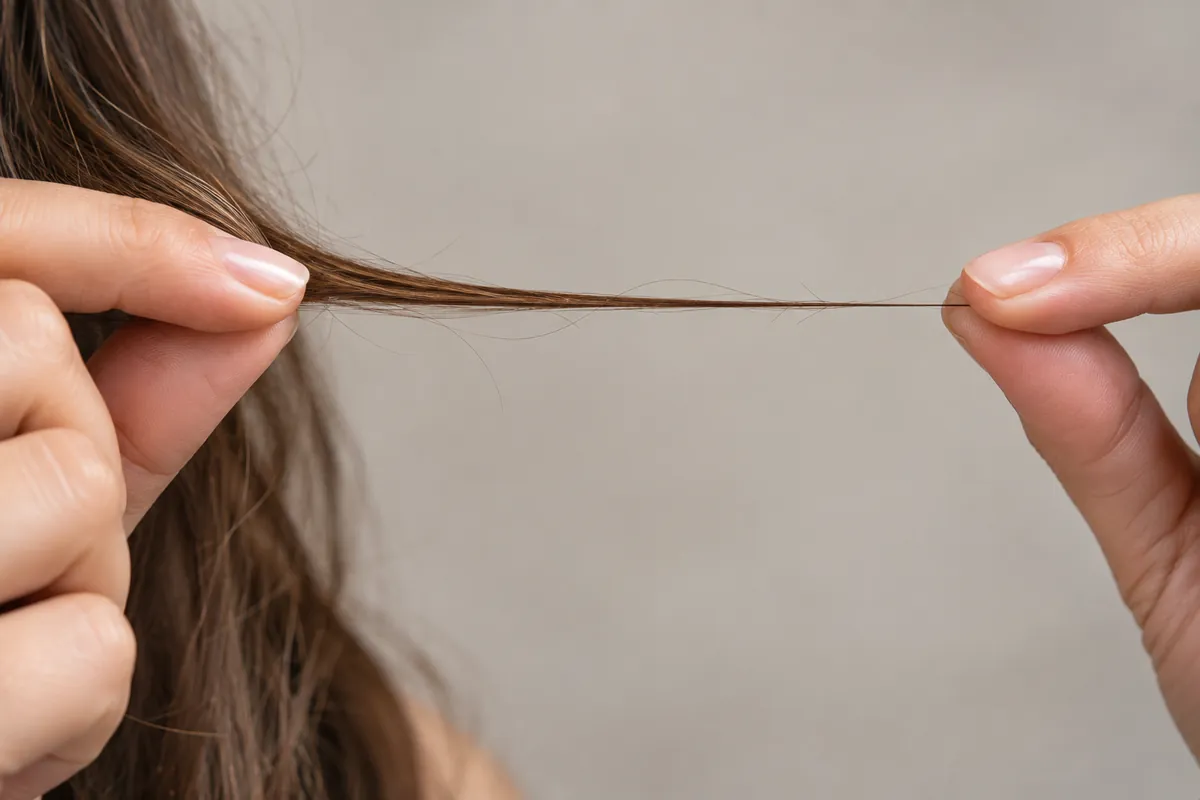
The wet strand test. Wet hair naturally stretches somewhat and springs back. Healthy hair stretches slightly and returns to its original length. Damaged hair, particularly hair with weakened internal bonds, often stretches further than normal and may not fully spring back, or it snaps before stretching much at all.
Texture changes. Hair that feels gummy or mushy when wet, or unusually rough and straw-like when dry, is showing signs of compromised structure. Healthy hair has a certain resilience to it even when wet, rather than feeling like it could pull apart easily.
Increased tangling and breakage. If you’re noticing more knots forming during washing, more strands coming out in your brush than usual, or breakage along the length rather than shedding from the root, coloring may be a contributing factor, especially if it lines up with a recent lightening service.
Porosity and dullness. Damaged hair tends to have a raised, uneven cuticle, which scatters light instead of reflecting it, making hair look dull rather than shiny even right after washing. Raised cuticle also means hair absorbs and loses moisture faster, which is part of why over-processed hair tends to feel dry no matter how much conditioner you use.
Is Hair Dye or Heat Styling Worse for Hair Damage?
Both can cause real damage, but they do it differently and the worst outcomes usually come from combining them. Chemical color changes hair’s internal bond structure, while heat styling primarily damages the outer cuticle layer through repeated exposure to high temperatures. Using heat tools frequently on recently colored or lightened hair tends to compound damage faster than either factor alone.
How to Color Your Hair While Keeping Damage to a Minimum
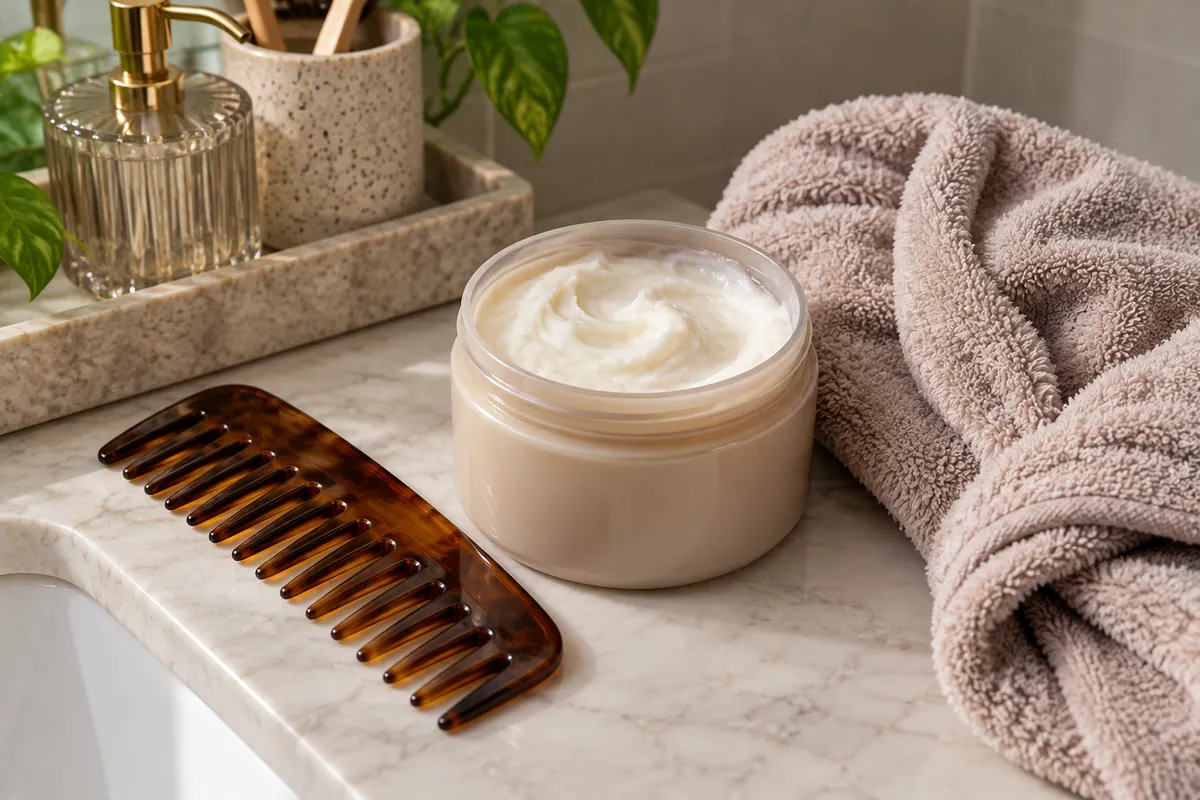
Space out services, test first, and protect hair after coloring. None of this means you have to avoid color altogether. A few practical habits make a real difference in how your hair holds up.
- Strand test before a major change, especially before bleaching.
- Space out lightening sessions rather than stacking them close together.
- Ask about bond-building treatments for significant lift.
- Use sulfate-free shampoo and deep conditioning or protein treatment after coloring.
- Cut back on heat styling, or use heat protectant every time.
- Get regular trims to remove damaged ends before they split further.
Get a strand test done before any major color change, especially before bleaching, so you and your colorist know how your hair will actually respond before committing the whole head to a process.
Space out lightening sessions rather than stacking them close together. Giving hair time between sessions allows some natural recovery and lets a colorist assess condition honestly before deciding whether more lift is a good idea.
Ask about bond-building treatments if you’re going for significant lift. These are formulated to help protect and support the hair’s internal bond structure during and after chemical processing, and many colorists now build them directly into lightening services rather than offering them as a separate add-on.
Switch to a sulfate-free shampoo and incorporate a deep conditioning or protein treatment into your routine, especially in the weeks right after a color service. Freshly processed hair has a more open cuticle and benefits from extra moisture support while it settles.
Cut back on heat styling, or at minimum use a heat protectant every time, in the first few weeks after coloring. This is when hair is most vulnerable to compounded damage from a second stressor.
Get regular trims to remove damaged ends before they split further up the hair shaft, which helps color-treated hair look and feel healthier overall even while it’s growing out.
How Often Can You Color Your Hair Without Damaging It?
There’s no universal number, but a common guideline for root touch-ups is roughly every four to eight weeks, timed to your actual regrowth rather than a fixed calendar date, while full lightening sessions or major color changes are generally spaced further apart to give hair time to recover. Hair condition, not the calendar, should ultimately guide the decision.
Can You Repair Hair That’s Already Damaged From Color?
You can significantly improve damaged hair’s look and feel, but you can’t fully reverse structural damage that’s already happened. Once disulfide bonds are broken or the cuticle is raised and chipped away, conditioning treatments can smooth, moisturize, and temporarily strengthen the hair, but they work on the surface and don’t rebuild the original internal structure. The most reliable fix for hair that’s severely damaged is trimming away the compromised sections as new, healthy growth comes in.
In the meantime, leave-in treatments, protein and moisture balancing, gentle detangling, and giving hair a break from further chemical processing all help minimize further breakage and make existing damage far less noticeable day to day.
Frequently Asked Questions
1. Can hair color cause permanent damage?
Hair color, particularly bleach and repeated lightening, can cause damage that doesn’t fully reverse on its own, since broken internal bonds don’t reform, though the damaged sections will eventually grow out and can be trimmed away over time.
2. Does dyeing your hair make it fall out?
Standard hair dye doesn’t typically cause hair to fall out from the root, since it affects the hair shaft rather than the follicle, though scalp irritation from an allergic reaction or overly harsh application can cause temporary shedding in some cases.
3. Is demi-permanent color damaging to hair?
Demi-permanent color is generally gentler than permanent color because it doesn’t lift natural pigment and typically uses a lower-volume developer, making it a lower-damage option for people who want color without the structural impact of a full permanent or lightening service.
4. Can you color hair that’s already damaged without making it worse?
It’s possible with caution, but damaged hair should generally stick to gentler options like semi-permanent or low-volume demi-permanent color, since already-compromised hair has less structural integrity to withstand the stress of a stronger chemical process.
5. Does coloring gray hair damage it more than coloring non-gray hair?
Gray hair tends to be more resistant to accepting color and often has a different texture than pigmented hair, which sometimes means it needs slightly stronger processing to achieve even coverage, but this varies by individual and isn’t a fixed rule.
6. How long should you wait between color services to avoid damage?
Waiting at least four to six weeks between root touch-ups and longer between major lightening sessions gives hair some time to recover, though the right interval really depends on how your hair is holding up rather than a strict universal timeline.
7. Do bond-building treatments actually help prevent color damage?
Bond-building treatments are formulated to support the hair’s internal bond structure during chemical processing and can meaningfully reduce breakage and improve strength retention, particularly during bleaching, though they work best as part of the service itself rather than as an occasional add-on.
8. Can severely over-processed hair be reversed, or does it need to be cut?
Severely over-processed hair generally can’t be reversed to its original healthy state, since the structural damage is already done, and trimming away the most compromised sections is typically the most effective long-term solution while healthier hair grows in.
9. Does at-home box dye damage hair more than salon color?
At-home box dye isn’t inherently more damaging than salon color, but it’s formulated to work broadly across many hair types, which sometimes means it’s stronger than a particular person’s hair needs, and DIY application increases the risk of overlapping color onto already-processed lengths.
10. Is it damaging to color hair that’s already been relaxed or permed?
Yes, coloring hair that’s already chemically relaxed or permed adds another layer of processing on top of hair that’s already structurally altered, which generally increases the risk of breakage, so extra caution and a gentler color approach are usually recommended in these cases.