 Global Fashion Trends
Does Hair Color Kill Lice and Nits? What Actually Happens
No, hair color does not reliably kill lice and nits, so it should not be used as a lice treatment. If you’ve ever dealt with a lice outbreak at home, you’ve probably heard this idea floating around somewhere, maybe from a relative, maybe from a forum thread at midnight while you’re desperately scrolling for a fix. The theory goes that since hair dye is a strong chemical treatment, it should be able to kill lice right along with changing your color. It’s a reasonable enough guess on the surface, but the real answer is more complicated, and knowing the details matters if you’re trying to actually solve a lice problem rather than just hoping something works.
This article breaks down what’s actually happening chemically when hair dye contacts lice, why it falls short as an actual treatment, and what gets rid of both lice and their eggs.
Does Hair Color Kill Lice and Nits?
Permanent hair dye and bleach can kill some adult lice on contact due to the harsh chemicals involved, but hair color is not a reliable or recommended lice treatment. It doesn’t reliably kill nits, since eggs are cemented to the hair shaft and protected by a hard outer shell, and dye application doesn’t guarantee the full scalp saturation or contact time needed to eliminate an entire infestation.
That gap between “might kill some lice” and “actually solves your lice problem” is the whole issue. A treatment that kills a portion of the adult population while leaving nits intact just sets you up for round two once those eggs hatch, typically within a week or so.
Why People Believe Hair Dye Kills Lice
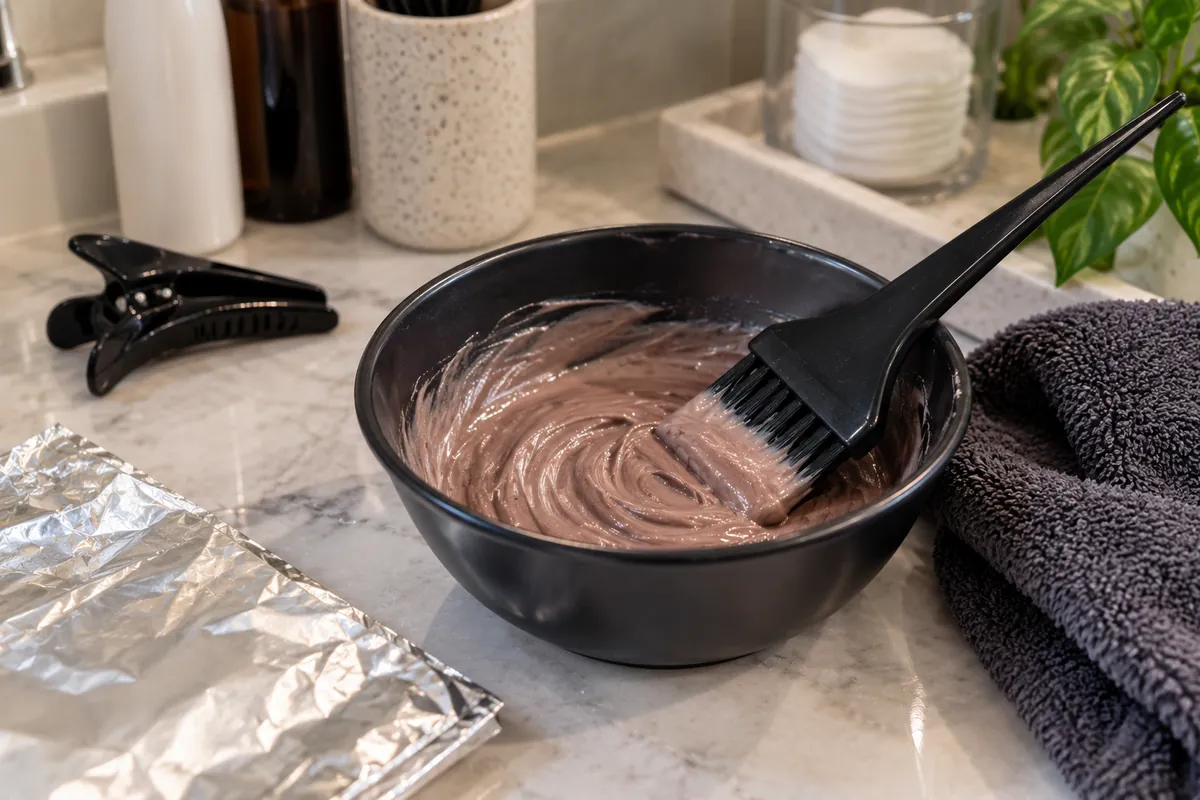
People believe this because permanent hair color and bleach are harsh chemicals that can kill some adult lice on direct contact. This isn’t a baseless rumor. Permanent hair color and bleach contain ammonia or ammonia-substitute alkalizing agents along with a peroxide developer, and that combination is harsh on organic material. It’s entirely plausible, and consistent with what some people report, that adult lice exposed directly to that chemical mixture during processing can die from it. Lice breathe through small openings along their exoskeleton, and strong chemical exposure can interfere with that process.
The problem is that “can kill lice on contact” is a very different claim from “is an effective lice treatment,” and the difference comes down to coverage, timing, and what happens to the eggs.
Does Bleach Kill Lice and Nits?
Bleach can kill some adult lice it directly contacts because of its harsh chemical composition, but it’s not effective against nits, which are protected by a durable outer casing and cemented tightly to the hair shaft close to the scalp. Bleach also isn’t formulated or tested for pest control use, and using it specifically to target lice carries real risks to scalp and skin health that outweigh any partial benefit.
Why Hair Dye Isn’t a Reliable or Recommended Lice Treatment
Hair dye is not reliable or recommended because it does not reliably kill nits, does not saturate the scalp the way lice treatments need to, and has no established protocol for this use. A few practical realities explain why this approach falls apart even when it seems to work partially.
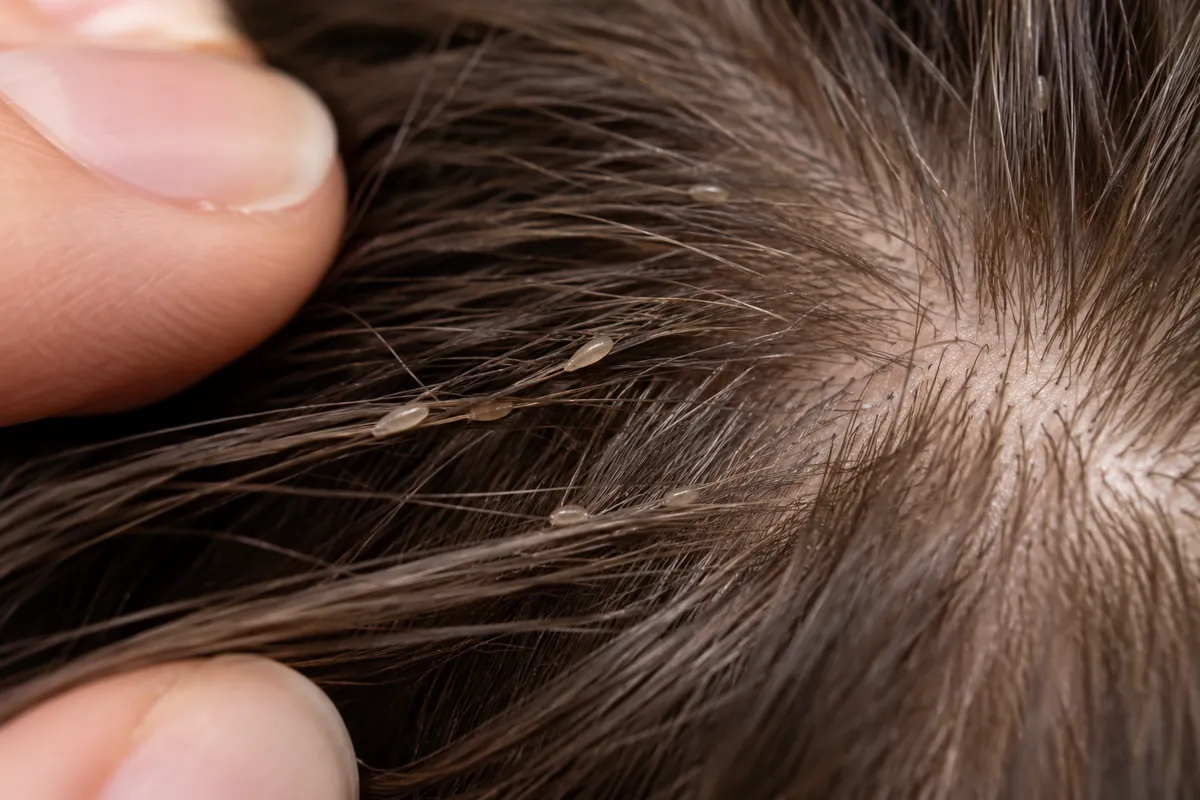
Nits are built to survive. Lice eggs are coated in a hardened, glue-like substance that cements them to individual hair strands, usually within a quarter inch of the scalp where body heat keeps them at the right temperature to develop. That outer shell is specifically resistant to a lot of what would otherwise kill the organism inside, which is part of why nits are notoriously hard to remove even with combing, let alone a chemical process they weren’t designed to resist.
Dye doesn’t saturate the scalp the way lice treatments need to. Standard hair color application, especially when coloring your hair at home with a box kit, focuses on distributing color evenly through the mid-lengths and ends, and colorists are often careful to keep color slightly off the scalp to avoid uneven processing or scalp sensitivity. That’s the opposite of what a lice treatment requires, since lice live and feed right at the scalp, particularly behind the ears and at the nape of the neck.
Processing time doesn’t line up either. Hair dye is typically left on for a set window, often somewhere around 20 to 45 minutes depending on the formula, which is timed for color development, not for guaranteed contact with every louse and nit across the entire scalp. Some lice may simply avoid exposure by moving to areas that got less product.
There’s no established protocol. Actual lice treatments, whether over-the-counter or prescription, go through testing to determine effective concentration, contact time, and safe reapplication intervals. Hair dye has none of that behind it for this specific use, which means anyone trying it is essentially guessing at something that was never designed or tested for pest elimination.
Can You Use Hair Dye Instead of Lice Shampoo?
Hair dye is not a substitute for lice shampoo or other recognized pediculicide treatments, since it isn’t formulated, tested, or approved to eliminate lice and nits the way dedicated lice treatments are. Even if some adult lice die from chemical exposure during coloring, nits generally survive, which means the infestation is likely to continue or return within days.
What Happens If You Try Using Hair Color to Treat Lice
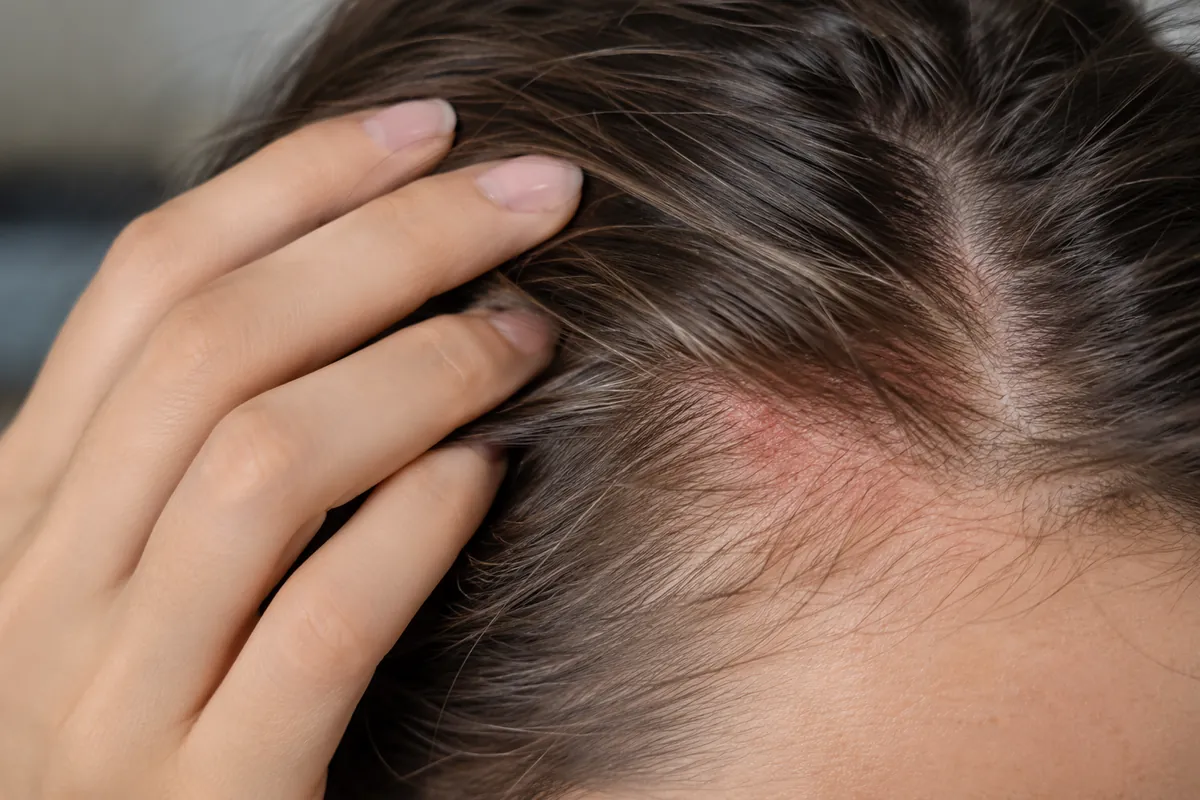
Trying hair color to treat lice can worsen scalp irritation, compound the problem with repeat use, and delay real treatment. Beyond simply not working reliably, there are real downsides worth knowing about before anyone considers this route.
Scalp irritation gets worse, not better. Lice infestations already come with itching, scratching, and sometimes broken skin from scratched bites. Hair dye and bleach are known to sting or burn on broken or irritated skin, and applying strong chemical color to a scalp that’s already compromised from scratching can cause significant discomfort and, in some cases, a stronger reaction than usual, as explained in our guide to whether coloring your hair can damage it.
Repeat use compounds the problem. Since one dye application won’t fully clear an infestation, the temptation is often to repeat the process, sometimes within days. Frequent chemical processing on the scalp increases irritation risk substantially and can lead to genuine chemical burns, especially with stronger, higher-volume formulas.
It delays real treatment. Every day spent trying an approach that isn’t going to fully work is another day lice have to keep laying eggs and spreading, both within the same head of hair and potentially to other household members or close contacts through shared pillows, hats, brushes, or head-to-head contact.
Is It Safe to Dye a Child’s Hair to Get Rid of Lice?
Using hair dye to try to treat lice on a child is not recommended, both because it’s unreliable against nits and because children’s scalps tend to be more sensitive to the strong chemicals in permanent color and bleach, especially when the scalp is already irritated from lice-related scratching. Many hair dye products also explicitly caution against use on young children due to skin sensitivity concerns unrelated to lice at all.
What Actually Works for Treating Lice and Nits
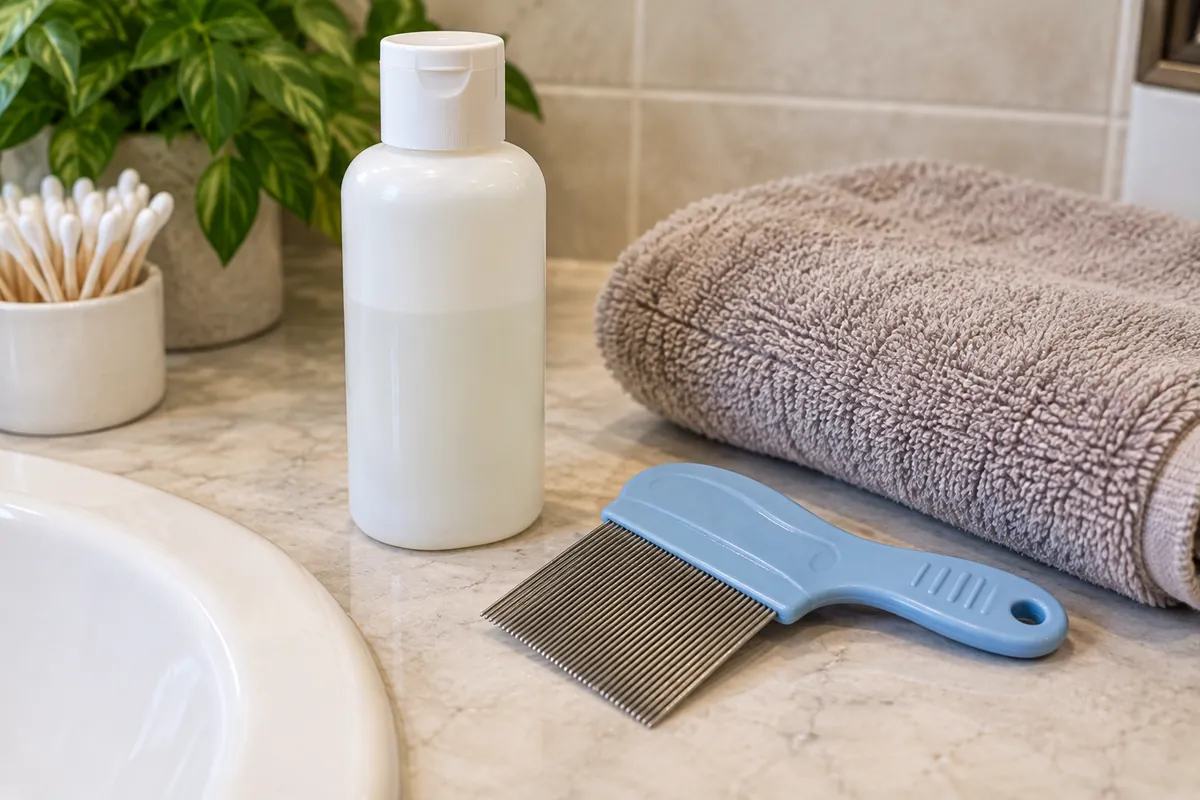
Proven lice treatment uses over-the-counter pediculicide treatments, wet-combing with a fine-tooth nit comb, treating the whole household, and seeing a doctor or pharmacist when standard treatments fail. The good news is that effective lice treatment doesn’t require guesswork, and there are well-established approaches that actually address both the lice and the eggs.
Over-the-counter pediculicide treatments formulated specifically to kill lice are widely available at pharmacies and are the standard first step for most infestations. These are designed with the correct active ingredients, concentration, and contact time to target lice effectively, and they typically come with clear instructions for a second application roughly seven to nine days later to catch any nits that hatch after the first treatment.
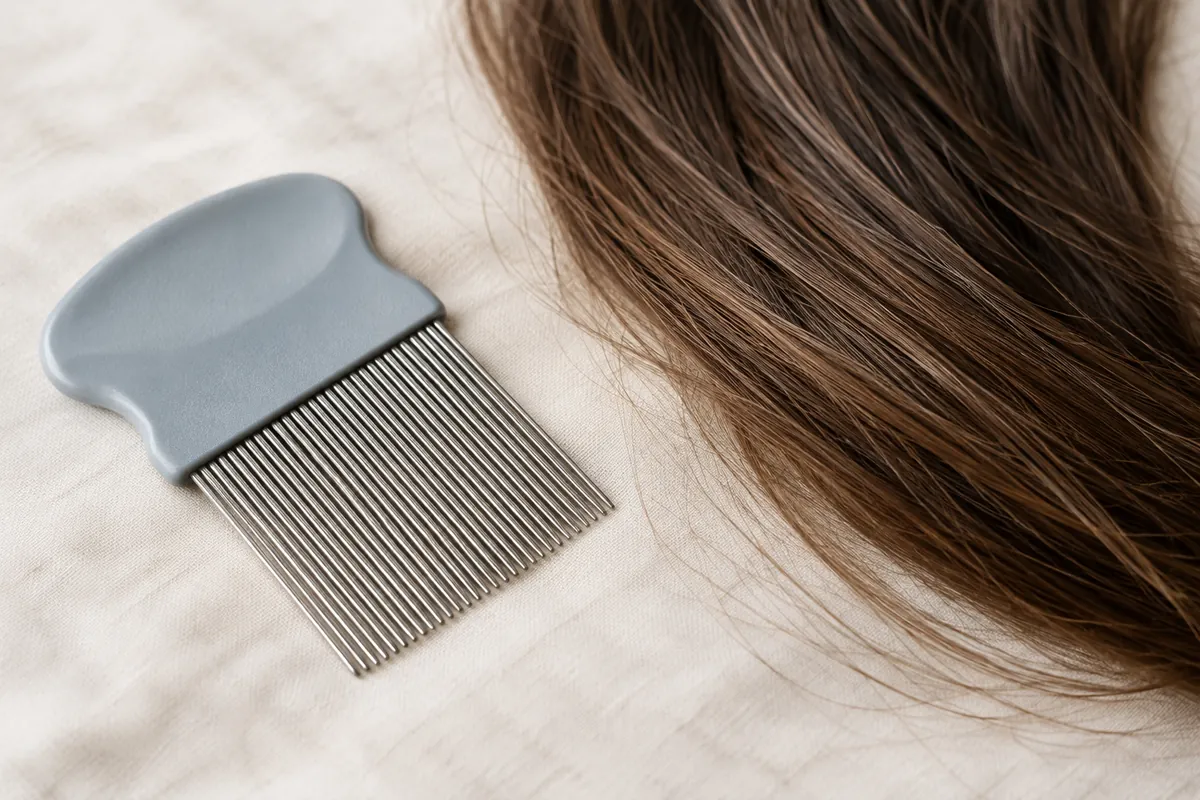
Wet-combing with a fine-tooth nit comb is one of the most reliable ways to physically remove both lice and nits, especially when done thoroughly on wet, conditioned hair, section by section, over several days. Many people combine this with a chemical treatment for the best results, since combing helps remove nits that survive the initial application.
Treating the whole household matters, since lice spread easily through close contact and shared items. Checking other family members, washing bedding, hats, and brushes in hot water, and avoiding head-to-head contact until the infestation is fully cleared all help prevent the cycle from starting over.
Seeing a doctor or pharmacist is worth doing if over-the-counter treatments aren’t working after a couple of rounds, since some areas have lice populations with resistance to certain common treatments, and a prescription option or professional guidance can make a real difference when standard approaches have already been tried.
| Option | Adult lice | Nits | Reliable lice treatment? |
|---|---|---|---|
| Permanent hair dye | Can kill some adult lice on direct contact | Does not reliably kill nits | No |
| Bleach | Can kill some adult lice it directly contacts | Not effective against nits | No |
| Semi-permanent hair color | Much less likely to affect lice at all | Even less reliable than permanent formulas | No |
| Over-the-counter pediculicide treatment | Formulated specifically to kill lice | Second application catches nits that hatch after the first treatment | Yes, the standard first step |
| Wet-combing with a fine-tooth nit comb | Physically removes lice | Physically removes nits | Yes, one of the most reliable ways |
Frequently Asked Questions
1. Can lice survive hair dye if it doesn’t kill them on contact?
Yes, lice that aren’t directly exposed to the chemical during processing, particularly those that move to less saturated areas or are shielded by hair strands, can survive a dye application entirely, which is part of why hair dye isn’t considered a dependable lice treatment.
2. Does semi-permanent hair color kill lice the same way permanent color or bleach does?
Semi-permanent color is much less likely to affect lice at all, since it doesn’t contain the strong ammonia and peroxide combination found in permanent color and bleach, and it’s an even less reliable option than permanent formulas for this purpose.
3. How long does it take for lice eggs to hatch into new lice?
Lice eggs typically hatch within about a week to ten days after being laid, which is part of why lice treatments usually recommend a second application roughly a week after the first one, to catch any nits that survive the initial round.
4. Can you get lice again right after treating them?
Yes, reinfestation can happen if nits weren’t fully removed during the first treatment, if close contacts in the household still have lice, or if a child comes back into contact with an infested item like a hat, pillow, or hairbrush before it’s been properly cleaned.
5. Does shaving your head guarantee lice are gone?
Yes, shaving eliminates an existing infestation on the scalp, because it removes the hair strands that lice and nits attach to, though it’s a drastic step that most people reserve for severe or repeatedly resistant cases rather than a first-line treatment.
6. Are essential oils an effective alternative to standard lice treatments?
No, essential oils are not an effective alternative to standard lice treatments. Essential oils are sometimes used as a home remedy, but they don’t have the same established effectiveness or testing behind them that standard over-the-counter pediculicide treatments do, and relying on them alone often leads to incomplete treatment and lingering nits.
7. How can you tell the difference between nits and regular dandruff?
Nits are firmly attached to individual hair strands and are difficult to slide off with your fingers, while dandruff flakes sit loosely on the hair and scalp and brush away easily, which is usually the quickest way to tell the two apart.
8. Is it necessary to treat everyone in the household if one person has lice?
It’s not automatically necessary to treat everyone, but it is important to check all household members closely for signs of lice or nits, since close contact makes spreading common, and only those who actually show signs of an infestation typically need treatment.
9. Can lice live on pillows, hats, or hairbrushes for very long?
Lice generally survive only a short time away from a human scalp, often less than a day or two, since they rely on regular access to a blood meal to stay alive, though washing shared items in hot water is still a reasonable precaution during an active infestation.
10. Why do some lice treatments stop working on repeated use?
Some lice populations have developed resistance to certain common active ingredients used in over-the-counter treatments over time, which is one reason treatments that used to work reliably sometimes fail, and it’s a common reason a doctor or pharmacist may recommend switching to a different active ingredient or a prescription option.