What Is Builder Gel for Nails, and Is It Bad for You?
Builder gel has quietly become one of the more popular nail enhancement options, especially among people who want stronger, more durable nails without committing to the dramatic length or heavier feel of acrylic or polygel extensions. It sits in an interesting spot in the nail world, often marketed and used specifically as a way to protect and strengthen natural nails rather than cover them up entirely with something artificial.
This article covers exactly what builder gel is, how it’s applied and removed, and an honest answer to the question people ask most often, whether it’s genuinely bad for your nails or actually one of the gentler enhancement options available.
What Is Builder Gel for Nails?
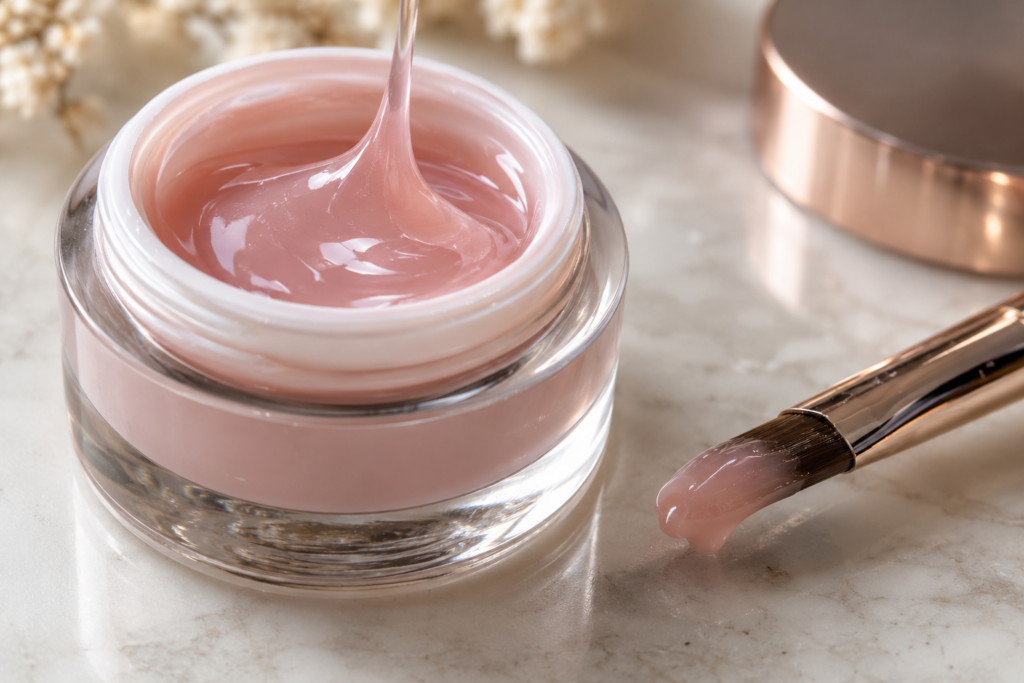
Builder gel is a thicker, more viscous version of standard gel polish, cured under a UV or LED lamp, designed specifically to add strength and slight structural reinforcement to the natural nail. Unlike thin gel polish, which mainly provides color and shine, builder gel is thick enough to genuinely reinforce a weak or thin nail, and it can be applied either directly over the natural nail as a protective overlay or combined with tips for a bit of added length.
This product category is often sold and referred to under the term BIAB, short for builder in a bottle, which has become a widely used industry term for this general type of thick, structural gel product.
Is Builder Gel the Same Thing as BIAB?
BIAB, or builder in a bottle, refers to the same general category of thick, structural gel product as builder gel, and the two terms are largely used interchangeably across the nail industry today. Some people use “BIAB” specifically to describe an overlay applied directly to the natural nail without any added length, while “builder gel” sometimes gets used more broadly to include versions applied with tips or forms for extra length, though this distinction isn’t consistently applied and largely comes down to individual salon or brand terminology.
How Builder Gel Is Applied
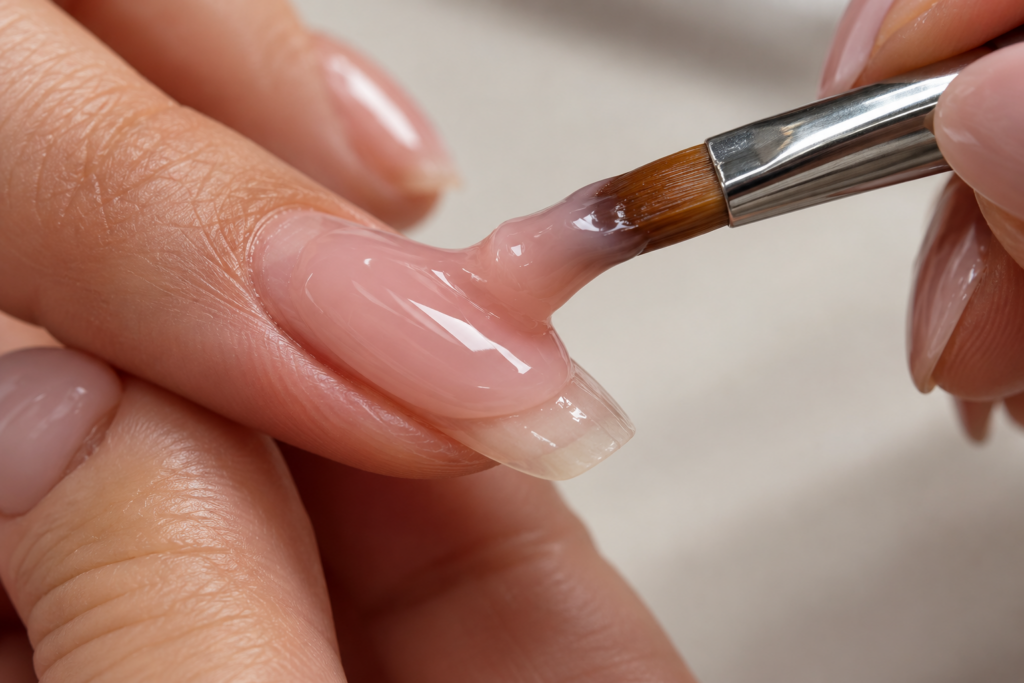
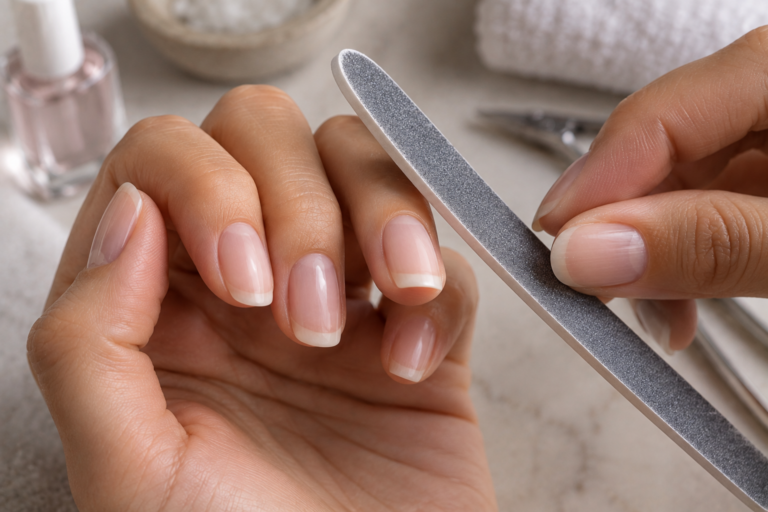
Builder gel application starts with the same core prep as any gel service, shaping the nail, pushing back cuticles, and lightly buffing the surface to remove shine. A thin base coat goes on first and gets cured under the lamp.
Builder gel itself is then applied in thicker layers than standard gel polish, often described as self-leveling since the formula naturally settles into a smooth, even layer without requiring the intensive brush-shaping technique acrylic or polygel demands. Each layer gets cured before the next is applied, gradually building the desired thickness and strength. Once the structural layers are complete, the nail is shaped and buffed into its final form, then sealed with a top coat for shine.
Do You Need Tips or Forms to Apply Builder Gel, or Can It Go Directly on Natural Nails?
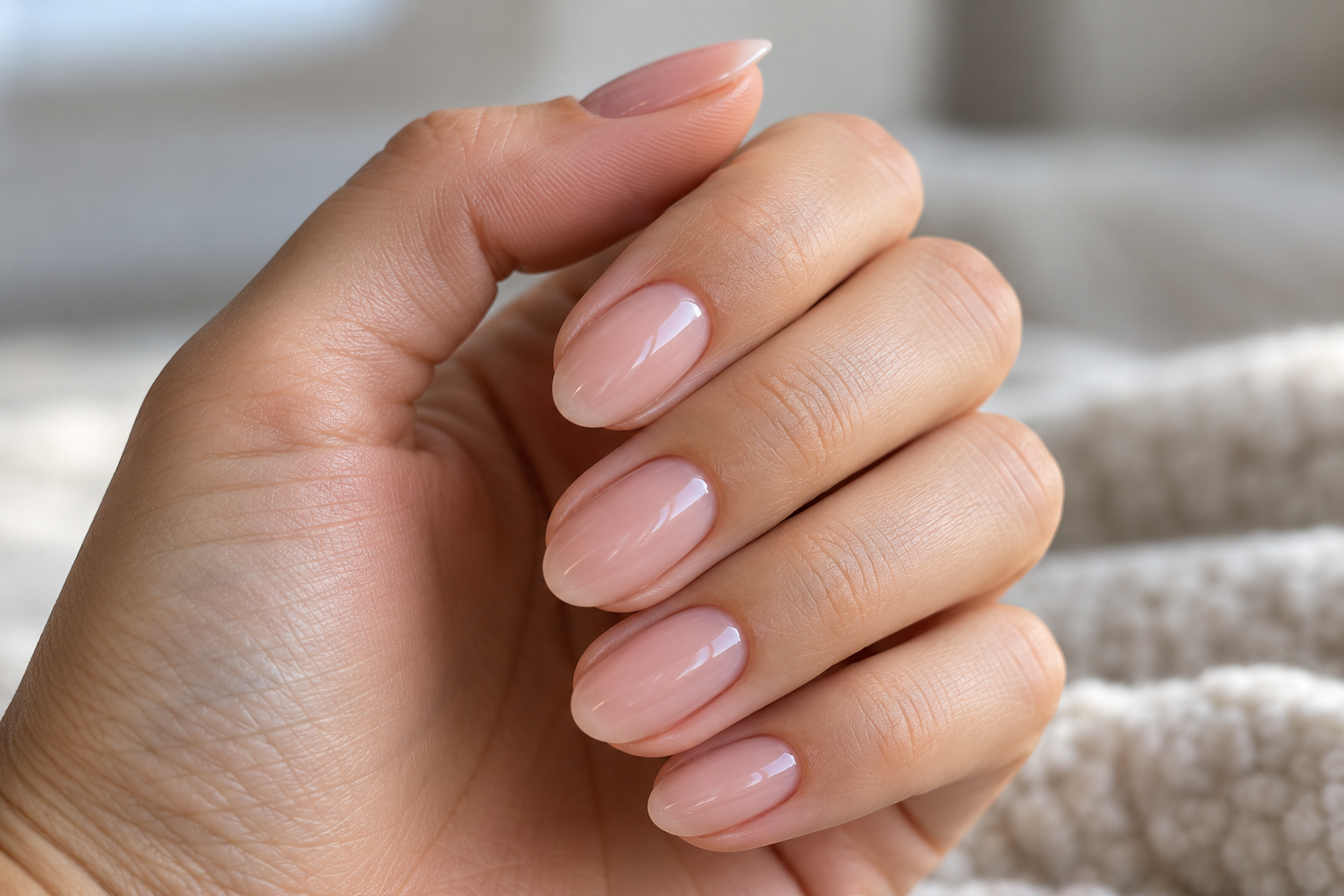
Builder gel can be applied directly onto the natural nail as a protective, strengthening overlay without any tips or forms at all, which is actually one of its most common and popular uses. For anyone wanting some added length beyond their natural nail, builder gel can also be applied over a tip or form, similar to how acrylic or polygel extensions work, though many people specifically choose builder gel precisely because it doesn’t require adding artificial length.
How Builder Gel Is Removed
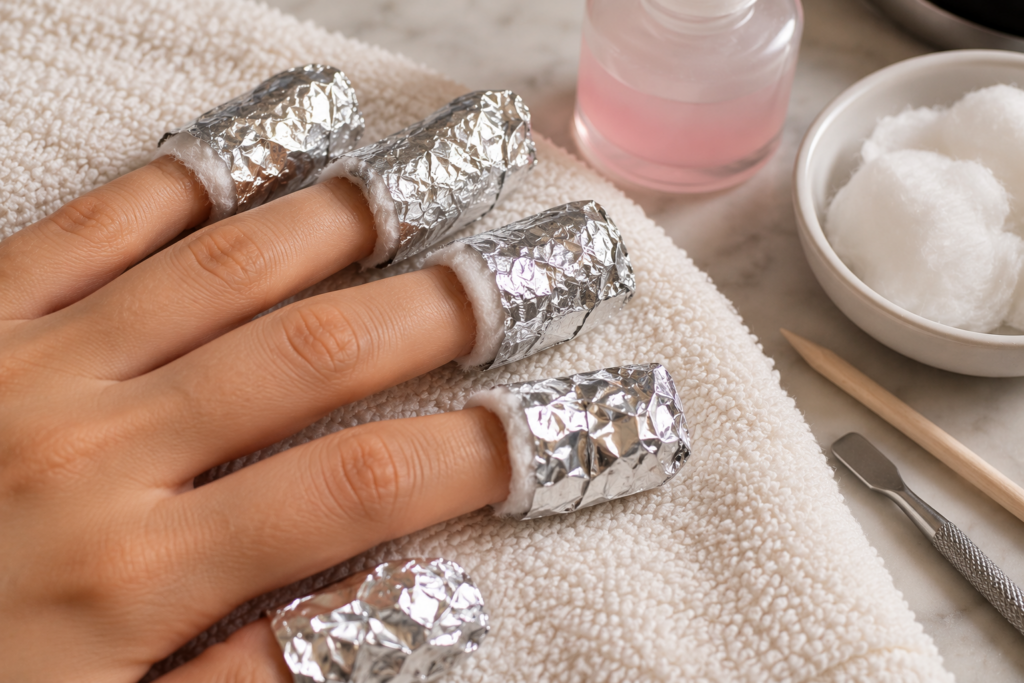
Most modern builder gel and BIAB formulas are specifically designed as soak-off products, meaning they’re removed using the same acetone soak method as standard soft gel polish, just typically requiring a bit more time given the thicker application.
Is Builder Gel Soak-Off or Does It Need to Be Filed Off?
Most current builder gel and BIAB products are formulated as soak-off gels, removable with an acetone soak similar to standard gel polish, though the process generally takes longer given the thicker material involved. Some older or specific hard gel formulas do require filing rather than soaking, so checking with your specific product or salon about which type was used is worth doing before attempting removal at home.
Is Builder Gel Bad for Your Nails?
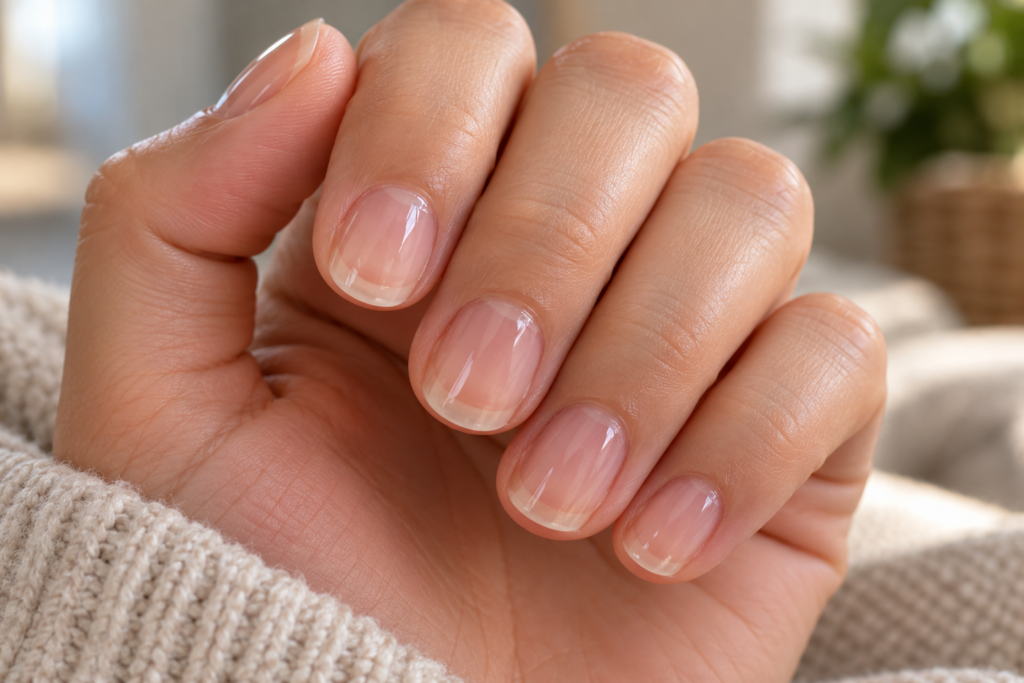
Builder gel isn’t inherently bad for your nails, and in fact, it’s often specifically recommended as one of the gentler enhancement options available, particularly for people dealing with weak, thin, or damaged natural nails who want some added structure while they grow out healthier. Unlike acrylic or extensions built entirely over a tip, builder gel frequently gets applied directly onto the existing natural nail, working with it rather than covering it up completely.
That said, the same general risks apply here as with other gel-based enhancements, including possible allergic reactions to the acrylate compounds in the formula and the potential for nail thinning if removal is done improperly through aggressive filing rather than a proper soak.
Can Builder Gel Be Used to Strengthen Damaged Natural Nails?
Yes, builder gel is frequently used specifically to add temporary strength and protection to damaged, thin, or brittle natural nails, giving them a supportive structure while healthier nail grows in underneath. This is one of the more commonly cited reasons nail professionals recommend builder gel over acrylic or heavier extensions for anyone specifically trying to recover nail health rather than pursue dramatic length or a completely different nail shape.
How to Use Builder Gel Safely
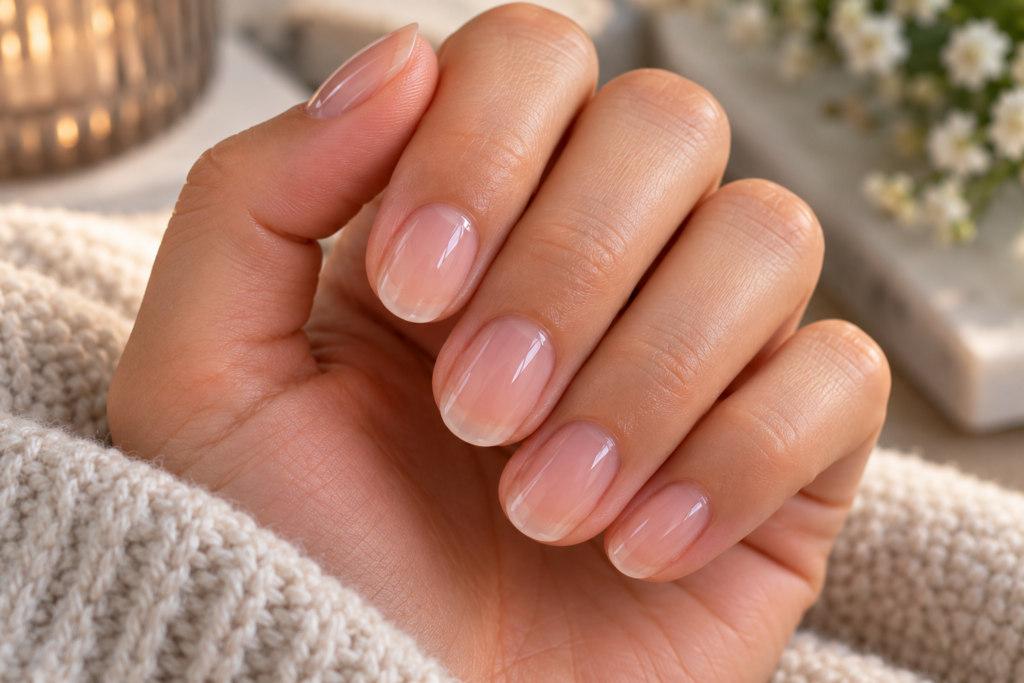
A few practical habits help ensure builder gel remains the gentler, supportive option it’s generally known for rather than becoming a source of unnecessary nail stress.
Always insist on a proper acetone soak-off for removal rather than aggressive filing, since this protects the natural nail underneath from the thinning that improper removal technique commonly causes. Choosing a salon or technician who uses well-regarded, properly cured products, and who applies builder gel in thin, even layers rather than one overly thick application, also supports a better, longer-lasting result with less stress on the nail.
Giving nails occasional breaks between builder gel applications, even short ones, allows the natural nail underneath some time to breathe and recover, particularly useful if builder gel is being used specifically as a nail-strengthening strategy rather than an ongoing enhancement routine.
Frequently Asked Questions
1. Does builder gel feel different on the nail compared to acrylic or polygel?
Yes, builder gel generally feels lighter and more flexible than acrylic or polygel, since it’s typically applied in thinner overall layers and often used as an overlay rather than a full structural extension, giving it a more natural feel on the hand.
2. How long does builder gel typically last before needing a fill or reapplication?
Builder gel generally lasts about three to four weeks before natural growth creates a visible gap, similar to other gel-based enhancements, though this can vary based on individual nail growth rate and how the application was originally applied.
3. Can builder gel be used with nail art or is it just for strengthening?
Yes, builder gel can absolutely be used as a base for nail art, and many people combine its strengthening benefits with color, glitter, or hand-painted designs on top, making it a versatile option beyond just its structural purpose.
4. Does builder gel require a specific type of lamp to cure properly?
Builder gel requires a UV or LED lamp for curing, similar to standard gel polish, and it’s worth checking your specific product’s recommended lamp type and cure time, since formulas can vary slightly in what they’re designed to work with.
5. Is builder gel more expensive than a standard gel manicure?
Builder gel services often cost somewhat more than a basic gel polish manicure, reflecting the additional product and slightly longer application time involved, though pricing varies by salon and specific service scope just like any other nail enhancement.
6. Can you do builder gel at home, or does it require professional application?
Yes, builder gel can be applied at home with the right supplies and some practice, and many at-home nail enthusiasts specifically favor it for its more forgiving, self-leveling application process compared to acrylic or polygel sculpting.
7. Does builder gel work well for people with very thin or brittle nails?
Yes, builder gel is often specifically recommended for thin or brittle nails, since its structural reinforcement can provide meaningful support and protection while natural nails have a chance to grow out stronger underneath.
8. Can builder gel cause an allergic reaction the same way other gel products can?
Yes, builder gel contains similar acrylate and methacrylate compounds found in other gel-based nail products, meaning allergic reactions, while not extremely common, are possible, particularly with repeated or prolonged exposure over time.
9. Is builder gel a good option for transitioning away from acrylic nails?
Yes, many people specifically use builder gel as a transitional step when moving away from acrylic, since it offers some structural support and durability while being generally considered gentler on natural nails during the recovery period.
10. Does builder gel yellow or discolor over time the way some gel products can?
Some builder gel formulas can develop slight yellowing with prolonged UV exposure or extended wear, similar to certain clear or light-colored gel products generally, though quality varies by specific formula, and this is typically addressed simply by removing and reapplying a fresh set.
For more on similar gel systems, see our guides to Gel-X nails and BIAB nails.