 Global Fashion Trends

How Much Does It Cost to Get Your Nails Done?
The cost of getting your nails done varies widely, depending on where you live, what salon you walk into, and which specific service you are booking. Scrolling through nail inspiration photos is fun right up until you start wondering what it’s actually going to cost to walk out of a salon looking like that. The honest answer is that nail service pricing varies more than most people expect, sometimes by double or more, depending entirely on where you live, what salon you walk into, and which specific service you’re actually booking.
This guide breaks down realistic current price ranges across the most common nail services, what drives those prices up or down, how nail art and add-ons factor in, proper tipping etiquette, and whether doing your own nails at home actually saves as much money as people assume.
How Much Does It Cost to Get Your Nails Done?
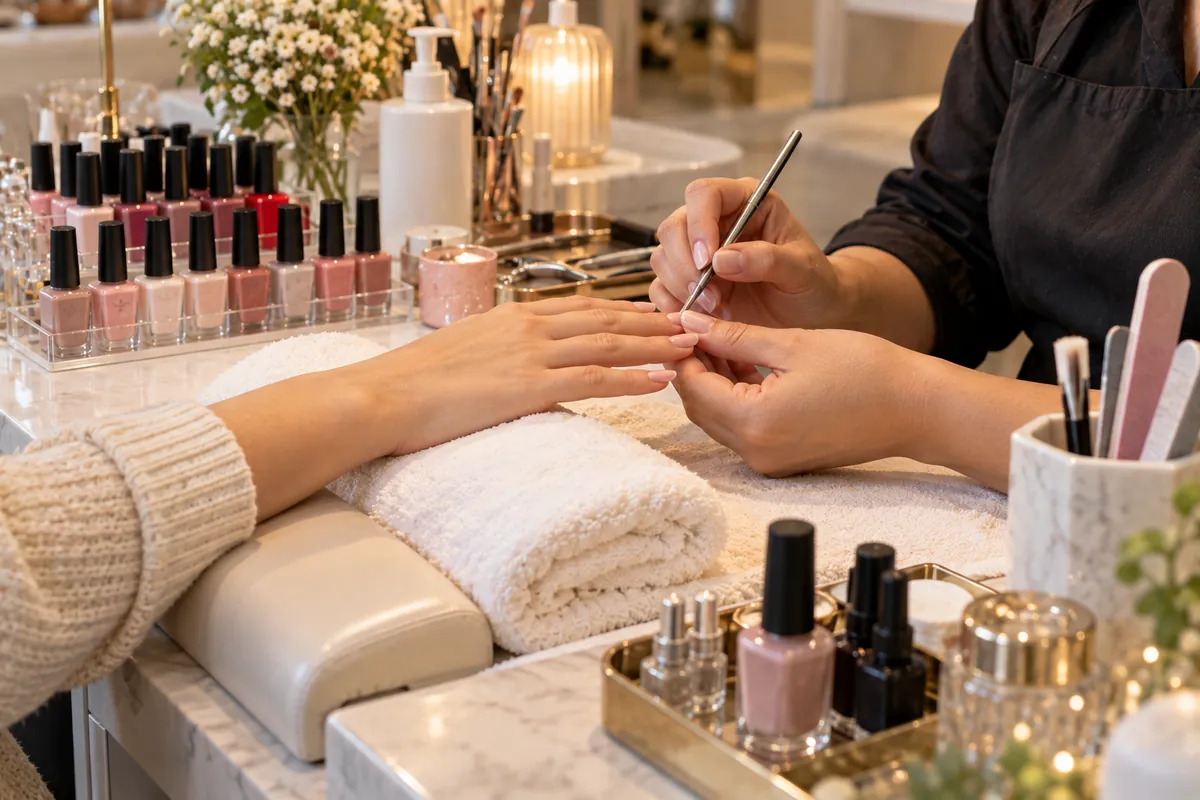
A basic manicure with regular polish and a basic pedicure vary in price by service and location. Gel manicures usually cost more, and full acrylic or dip powder sets tend to cost more before any nail art or add-ons are factored in.
Prices vary by location and salon tier. A small-town salon might charge noticeably less, while a salon in a major metro area can easily charge more for the exact same core service.
What Actually Drives the Price Up or Down
Location, salon tier, technician experience, and service complexity drive most price differences. A handful of specific factors explain most of the price variation you’ll encounter between different salons and different parts of the country.
Geographic location matters enormously. Major metro areas, particularly coastal cities with a higher overall cost of living, tend to charge noticeably more than smaller towns and rural areas, reflecting higher rent, wages, and general operating costs for the salon itself. Salon tier plays an equally significant role, with budget or chain-style salons pricing below the general average, mid-range salons sitting close to typical market rates, and luxury day spas charging more for the same base services, often justified by a more elevated overall experience, higher-end products, and additional amenities.
Technician experience and specialization also factor in, particularly for detailed nail art or complex techniques like sculpted extensions, where a more experienced tech may reasonably charge more than someone newer to the industry. Service complexity itself matters too, since a simple, quick polish change takes far less time and skill than a full set of hand-sculpted acrylic extensions with intricate art. For timing alongside cost, see how long it takes to get your nails done.
Why Do Nail Salon Prices Vary So Much by Location?
Nail salon pricing tracks closely with local cost of living, including rent, wages, and general business operating costs, which is why the same basic gel manicure can cost noticeably more in a major metro area than in a smaller town or rural region. Local market competition and the overall density of salons in a given area also influence pricing, since areas with more salons competing for the same client base sometimes see more moderate pricing than areas with fewer options.
Cost Breakdown by Service Type
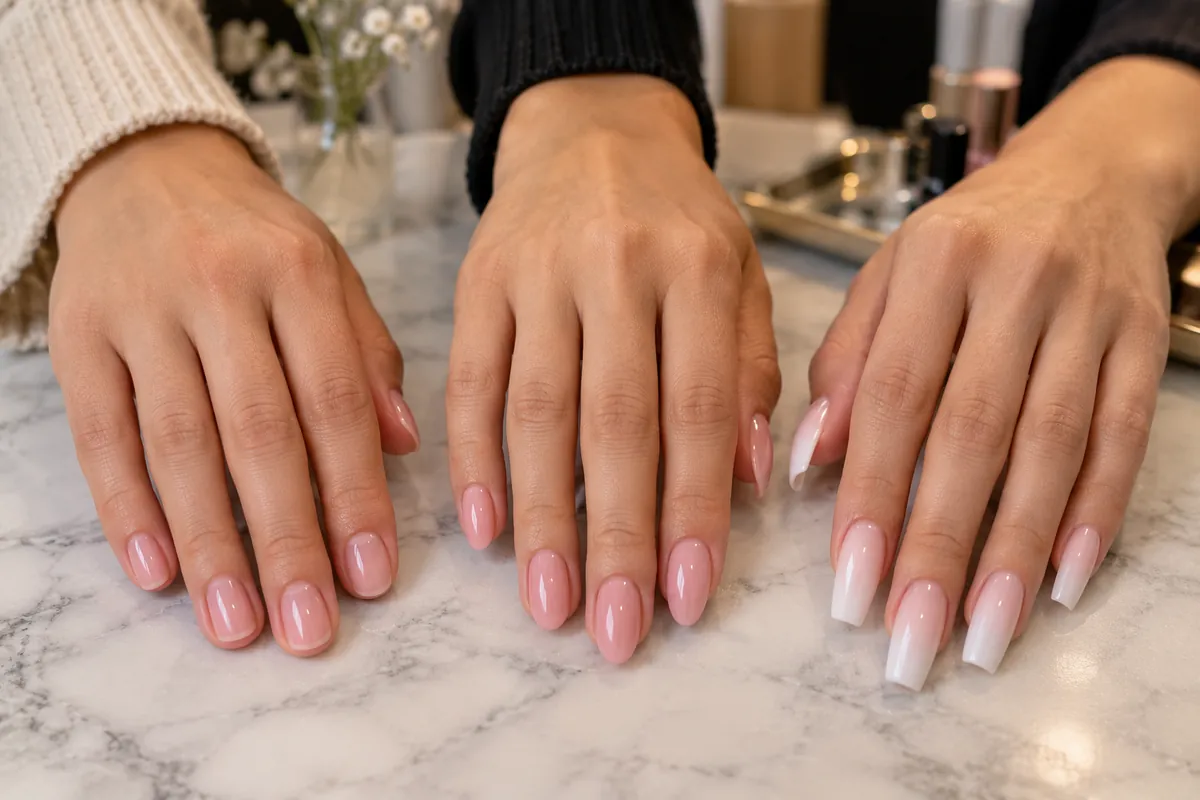
Different nail services come with different price points, largely tied to how much time, skill, and product each one requires.
A basic manicure with regular polish remains the most affordable standard option. Gel manicures cost more due to the additional product and curing process involved, sometimes reaching higher in major metro areas. Dip powder manicures often land in a similar or slightly higher range than gel, given the layered application process involved.
Full acrylic sets, especially with added length or sculpted extensions, generally cost more, with hard gel extensions sometimes pricing similarly or slightly higher due to the additional structural work involved. On the pedicure side, a standard pedicure typically costs less, while a deluxe or spa pedicure, including extras like a foot scrub, mask, or extended massage, often costs more.
| Service type | What generally affects its cost |
|---|---|
| Basic manicure with regular polish | Time, skill, and product for a standard polish service, and the most affordable standard option |
| Gel manicure | Additional product and the curing process |
| Dip powder manicure | Layered application process |
| Full acrylic set | Added length and sculpted extensions |
| Hard gel extensions | Additional structural work |
| Standard pedicure | Core pedicure service |
| Deluxe or spa pedicure | Foot scrub, mask, or extended massage |
Is It Cheaper to Get a Mani-Pedi Combo Than Booking Each Separately?
Booking a mani-pedi combo often costs somewhat less than booking a manicure and pedicure as two fully separate appointments, since many salons offer a modest discount for bundling both services together in one visit. A typical mani-pedi combo with regular polish generally costs less than booking each service separately, while a gel version of the combo often costs more, still usually representing some savings compared to paying full separate prices for each service individually.
Nail Art, Add-Ons, and Other Extra Costs
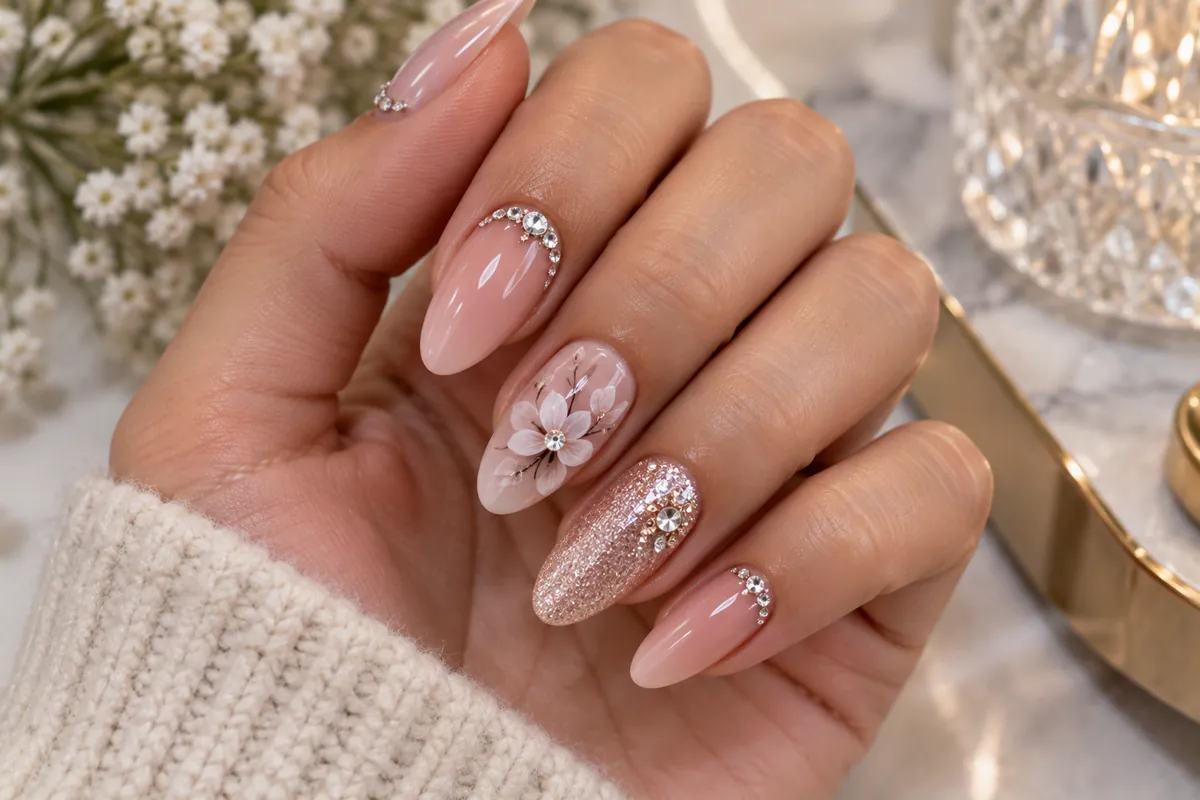
Nail art pricing varies enormously depending on complexity, and it’s one of the easiest ways for a simple manicure to turn into a significantly pricier appointment.
Simple nail art, like a basic accent nail or a classic French tip, typically adds to the base service price. More elaborate designs, including hand-painted detailed art, three-dimensional elements, or extensive rhinestone application, can add more, sometimes priced by the hour for particularly time-intensive requests rather than as a flat add-on fee.
Removal services for gel, dip, or acrylic also typically come with their own separate charge, depending on the specific product and how labor-intensive the removal process is. Other common add-ons, like paraffin wax treatments, callus removal, or extended massage during a pedicure, each carry their own additional cost on top of the base service price.
How Much Does It Cost to Get Gel Nails Removed?
Gel removal typically comes with a separate charge when done as a standalone service, though many salons include removal at no extra charge when it’s part of booking a new full manicure at the same appointment. Removal costs tend to run higher for more labor-intensive processes, like removing a full acrylic set, compared to soaking off a standard gel polish application.
Tipping Etiquette and the True Cost Over Time
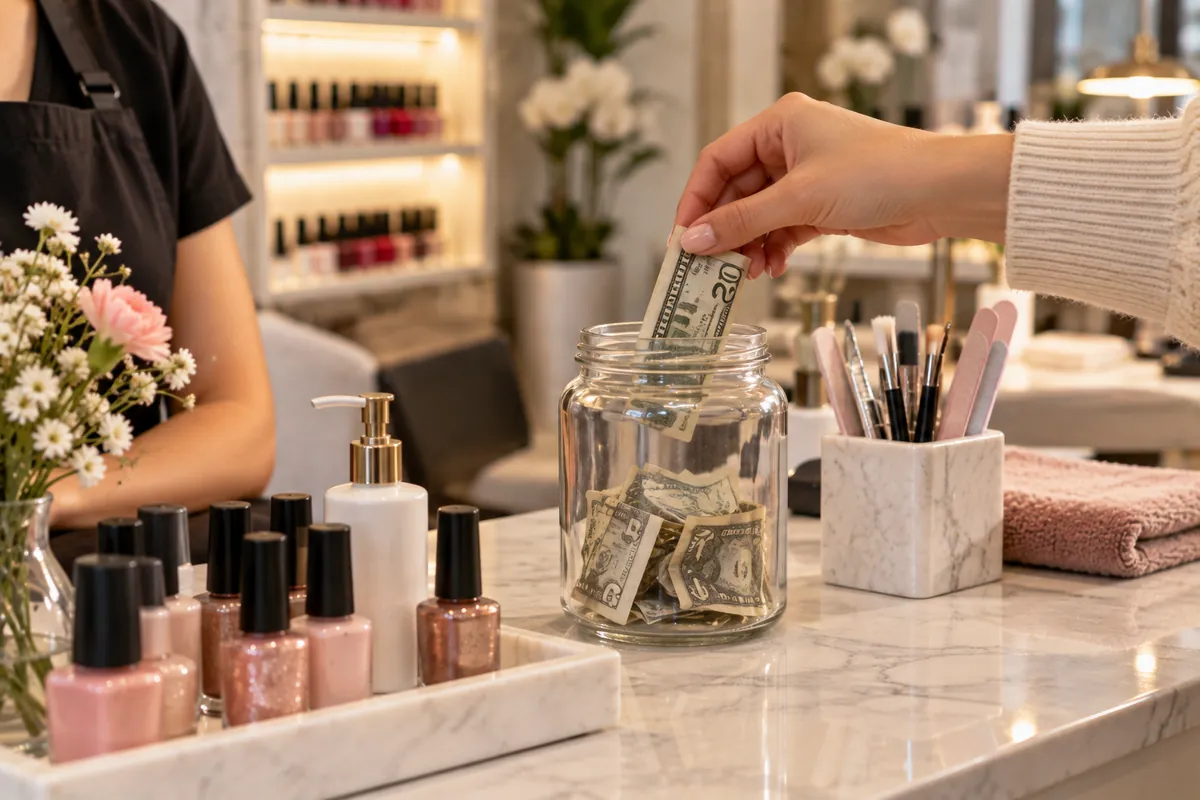
Plan on a tip on top of the service price, and judge value by cost per day of wear rather than by the upfront price alone. Tipping remains a standard part of the overall cost of a salon visit, and factoring it in ahead of time helps avoid any surprise when it comes time to pay.
How Much Should You Tip for a Manicure or Pedicure?
A tip on the pre-tax service price is customary for manicures and pedicures, similar to standard tipping norms at most other personal care service appointments. Tipping on the full service price before any discounts or bundled combo pricing, rather than on a reduced bundle rate, is generally considered proper etiquette when a discount has been applied.
Looking at cost per day of wear, rather than just the upfront price, can also change how you think about which service actually offers the best value. Regular polish typically lasts around a week, gel manicures often last two to three weeks, and dip powder or acrylic can last three to four weeks before needing a fill or full redo. A higher upfront price for a longer-lasting finish sometimes works out to a lower cost per day of wear than repeatedly paying for cheaper, shorter-lasting polish changes.
Is DIY Nail Care Actually Cheaper Than the Salon?
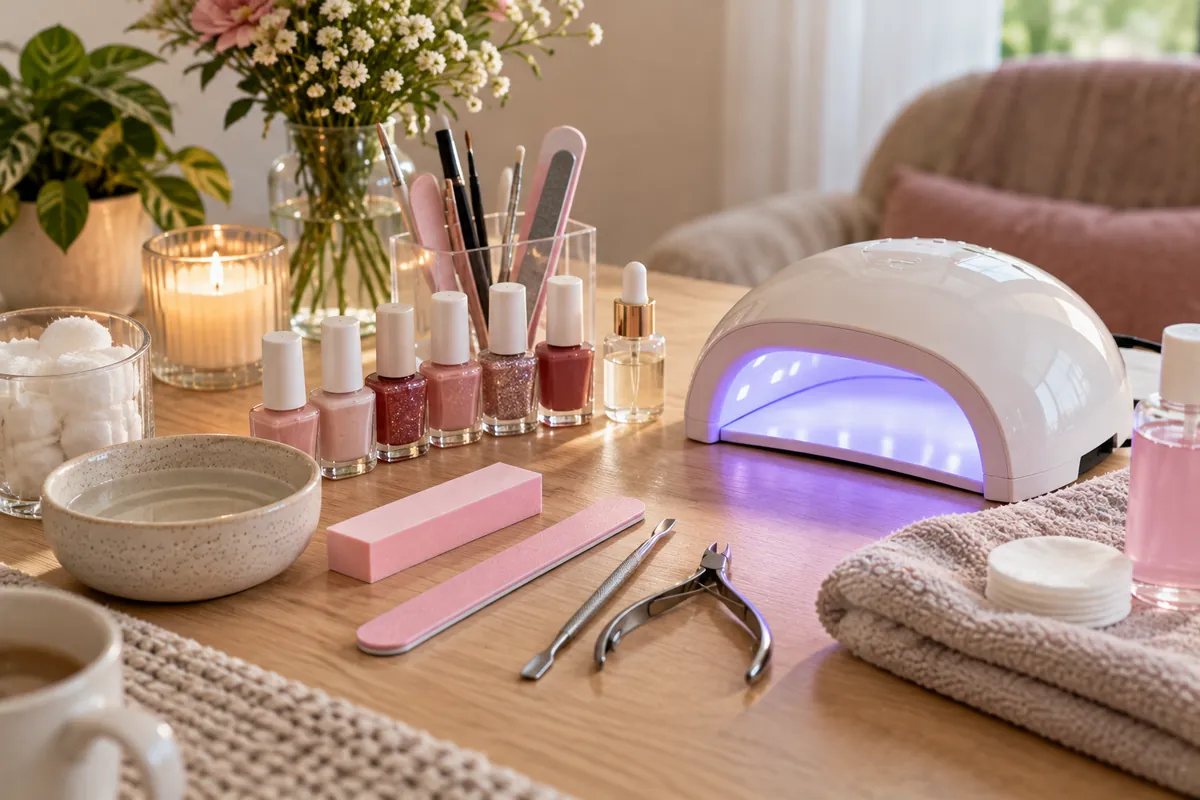
Doing your own nails at home costs less per manicure once you’ve made the initial investment in quality tools and polish, though the upfront cost of files, a good base and top coat, gel supplies, and a UV or LED lamp if you’re doing gel at home adds up before you start seeing real savings. For the at-home method, see how to paint nails at home. For anyone getting manicures frequently, the cost difference over several months can be substantial, though achieving salon-quality results, particularly for gel application, extensions, or detailed nail art, takes some practice and a real time investment to master.
For simpler, lower-maintenance looks, like a clean polish application or basic filing and shaping, DIY nail care tends to close the quality gap fairly quickly, making it a reasonable way to stretch time and money between salon visits rather than fully replacing them.
Frequently Asked Questions
1. Why do gel manicures cost more than regular polish manicures?
Gel manicures require additional product layers, a curing process under a UV or LED lamp, and a more involved removal process later on, all of which add time and product cost compared to a standard polish manicure that simply air-dries.
2. Does getting acrylic fills cost less than a full new set?
Yes, acrylic fills, which maintain and extend existing nails rather than building a completely new set, typically cost less than a full new application, since less product and time are generally required compared to starting from scratch.
3. Are men’s manicures priced differently than women’s manicures?
Pricing for a basic manicure service itself generally doesn’t differ by gender, though some salons market specific “men’s grooming” packages that may include different add-ons or a simplified service menu at a comparable base price point.
4. Does the season affect how much nail services cost?
Nail service pricing doesn’t typically fluctuate seasonally at most salons, though demand can increase significantly around holidays, prom season, and wedding season, sometimes making appointments harder to book even if the listed prices stay consistent.
5. Is it worth paying more for a luxury spa pedicure over a basic one?
A luxury spa pedicure typically includes extras like an extended massage, specialty masks, and a more elevated overall experience, which can feel worth the higher price for an occasional treat, though a basic pedicure covers the core hygiene and polish service at a more budget-friendly price point.
6. How much does it typically cost to add extra length to acrylic or gel nails?
Adding significant extra length generally comes with an upcharge beyond a standard-length full set, often reflecting the additional product, time, and precision required to sculpt and shape longer extensions properly.
7. Do mobile nail technicians who come to your home typically cost more or less than a salon visit?
Mobile nail technicians often charge somewhat more than a standard salon visit to account for travel time and the convenience factor, though pricing varies by individual technician and region, so it’s worth comparing directly rather than assuming one option is always cheaper.
8. Can loyalty programs or memberships meaningfully lower the cost of regular nail visits?
Yes, many salons offer loyalty programs, package deals, or membership pricing that can meaningfully reduce the per-visit cost for regular clients, making them worth asking about if you get your nails done frequently.
9. Does nail health or condition ever affect the price of a service?
Yes, nails that are damaged, require extra prep work, or need specific corrective treatment before a standard service can be applied may come with an additional charge, since these situations typically require more time and technique than a routine appointment.
10. Is it normal for prices to be listed differently online than what’s actually charged in person?
It happens occasionally, since online menus aren’t always kept perfectly updated, so calling ahead or confirming current pricing directly with the salon before your appointment is a reasonable way to avoid any pricing surprises.