 Global Fashion Trends
How to Choose the Best Hair Color for You Based on Skin Tone and Style
A hair color can be beautiful on its own and still feel completely wrong once it is on your head.
That usually happens because the decision was based on the shade alone. Maybe the inspiration photo showed a glossy copper, icy beige blonde, or dramatic espresso brunette, but the person wearing it had a different natural hair depth, skin undertone, eye color, contrast level, or maintenance routine.
The most flattering hair color is not always the lightest, trendiest, or most dramatic option. It is the shade that works with your natural coloring, suits the condition of your hair, and still makes sense once the salon appointment is over and real life begins.
That does not mean following rigid rules. Warm skin can wear cool hair. Dark eyes can look beautiful with blonde. Someone with a neutral complexion may suit several color families.
The useful approach is to understand why certain shades create harmony, why others create striking contrast, and how much maintenance you are willing to accept.
Start With Your Natural Hair Color and Overall Contrast
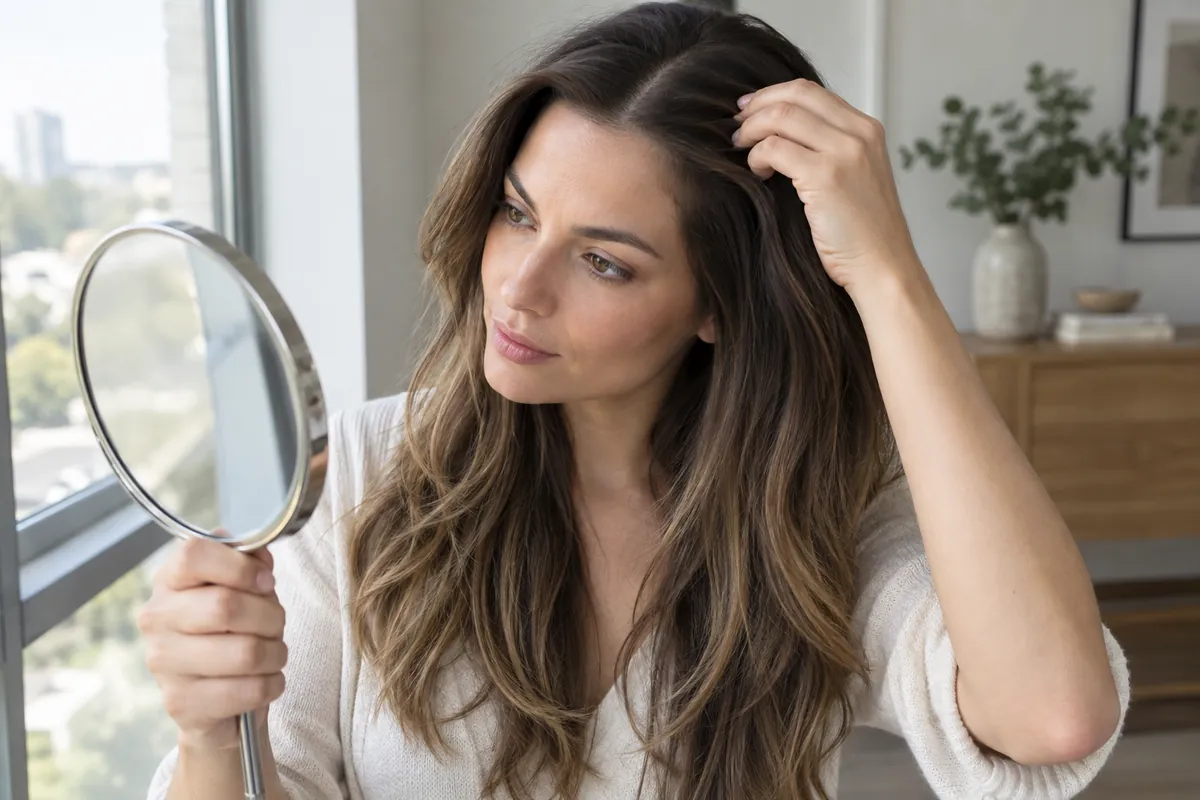
The easiest place to start is your natural hair. Its depth gives you a realistic reference point for how dramatic a color change will look, how much processing may be required, and how visible regrowth wi
If you’re deciding between shades, learn the difference between brown and brunette hair.
Once you’ve chosen your shade, see how to color your hair at home step by step.
ll become. Staying relatively close to your natural level generally creates softer maintenance, while moving several levels lighter or darker creates stronger contrast.
Hair color is commonly thought of in terms of depth and tone.
Depth describes how light or dark the hair is. Black and very dark brunette sit at the deepest end, while pale blonde sits at the lightest.
Tone describes the color character within that depth. Brown can be warm chestnut, neutral chocolate, cool ash, reddish mahogany, or golden brunette. Blonde may be honey, beige, champagne, pearl, golden, or icy.
Two people can therefore both be brunettes while wearing completely different colors.
Look at your natural hair in daylight rather than under yellow bathroom bulbs.
Is it almost black? Deep brown? Medium brown? Light brown? Dark blonde?
Then pay attention to the undertones already visible.
Some brunettes naturally reflect red or copper in sunlight. Others appear neutral or slightly cool. Natural blondes may have golden, beige, or ash tones.
Your original coloring often gives useful clues about shades that will blend easily.
It also predicts maintenance.
If your natural hair is dark brown and you choose pale blonde, every new inch of growth will create strong contrast at the roots. The color may still suit you beautifully, but maintaining the look requires more effort than choosing caramel highlights or a lighter brunette.
Someone with natural dark blonde hair can usually move into beige, honey, or light brunette territory with a softer transition.
Contrast elsewhere in your features matters too.
Dark hair, dark brows, and light skin create naturally high contrast. Deep brunette, black-brown,rich cherry, or bright blonde can preserve or deliberately exaggerate that contrast.
Someone with soft brows, light eyes, fair skin, and naturally light hair may look more harmonious with blended shades rather than extremely dark color.
Neither effect is better. They simply create different visual results.
Should You Go Lighter or Darker Than Your Natural Hair?
Going slightly lighter often creates softness, brightness, and visible dimension, while going darker creates richness, stronger definition, and more contrast around the face. The best direction depends on your natural depth, skin tone, hair condition, and how much upkeep you want rather than a rule that everyone looks better lighter or darker.
If you want to experiment without committing to a major transformation, change one element first.
A brunette could add caramel face-framing highlights rather than becoming blonde.
A blonde could add a shadow root and beige lowlights instead of going fully brunette.
A medium brunette could deepen into chocolate or espresso with a demi-permanent gloss before deciding whether permanent dark color feels right.
Smaller changes help you understand which direction flatters you without creating a difficult correction later.
How to Choose Hair Color for Your Skin Tone and Undertone
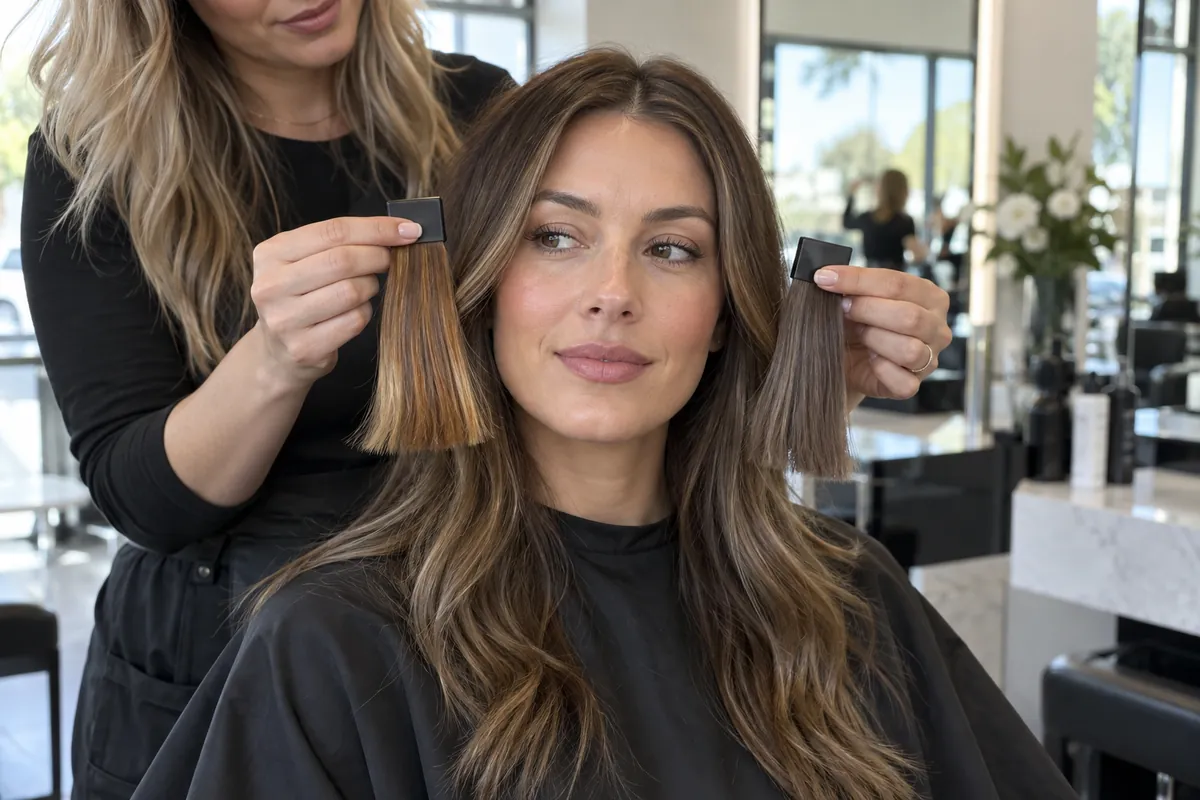
Skin undertone can help narrow down flattering hair colors, but it should be used as a guide rather than a strict rule. Warm undertones often pair naturally with golden, caramel, copper, honey, chestnut, and warm brunette shades. Cool undertones often harmonize with ash brown, cool beige, mushroom, pearl, burgundy, and cooler blonde tones.
- A warm complexion often comes alive with honey blonde, golden brunette, caramel balayage, cinnamon brown, copper, auburn, or rich chestnut.
- Cooler complexions may pair beautifully with mushroom brown, ash brunette, pearl blonde, cool beige, smoky blonde, burgundy, or blue-black.
- Neutral undertones have the widest flexibility. Balanced beige, chocolate, bronde, neutral blonde, soft copper, espresso, and many mixed warm-cool shades can all work.
Skin tone and skin undertone are not the same thing.
Skin tone refers to how light, medium, tan, deep, or dark the visible complexion is.
Undertone describes the subtler color beneath the surface.
A fair complexion may be warm, cool, or neutral. So can a deep complexion.
One useful clue is how certain clothing and jewelry behave beside your face.
If warm ivory, camel, peach, olive, rust, gold jewelry, and earthy colors tend to brighten your complexion, your undertone may lean warm.
If crisp white, cobalt, cool pink, charcoal, jewel tones, and silver jewelry tend to look especially balanced, you may lean cool.
If both groups work well, you may fall somewhere around neutral.
Do not rely on one test alone. Vein color, jewelry preference, and tanning behavior can all provide clues, but none is perfectly reliable.
Look at the full picture.
A warm complexion often comes alive with honey blonde, golden brunette, caramel balayage, cinnamon brown, copper, auburn, or rich chestnut.
Cooler complexions may pair beautifully with mushroom brown, ash brunette, pearl blonde, cool beige, smoky blonde, burgundy, or blue-black.
Neutral undertones have the widest flexibility. Balanced beige, chocolate, bronde, neutral blonde, soft copper, espresso, and many mixed warm-cool shades can all work.
There is also a difference between harmony and contrast.
Someone with cool skin can intentionally wear warm copper hair because the contrast is dramatic and eye-catching.
A warm complexion can wear icy blonde for the same reason.
The question is whether you want the hair to blend naturally with your coloring or become the strongest statement in your appearance.
What Hair Color Makes Your Skin Look Brighter?
Hair color tends to make the skin look brighter when it creates enough contrast to define the face without introducing a tone that exaggerates redness, sallowness, or shadows. Soft warmth can revive a dull complexion, while cooler tones may visually calm excess redness. The most flattering balance depends on your individual undertone.
If your skin looks washed out beside very ashy hair, adding beige, honey, or subtle gold may help.
If a strong copper shade makes facial redness look more noticeable, a neutral brunette or cooler brown may create more balance.
Very dark hair can make pale skin look dramatically luminous, but it can also emphasize shadows under the eyes and uneven texture.
Very pale blonde may soften features, but if it is too close to the skin in value, the entire face can lose definition.
This is why hairline pieces matter so much.
The color closest to your face has greater impact on your complexion than the color hidden underneath the back of your hair.
A few strategically placed face-framing highlights can sometimes create a more flattering effect than changing the entire head.
Use Eye Color and Facial Features as Supporting Clues
Eye color should not determine your hair color by itself, but it can help refine the final tone. Warm highlights can emphasize gold, amber, and hazel flecks, while cooler brunettes and blondes can make blue or gray eyes appear clearer. Green eyes often respond strongly to copper, auburn, chestnut, and red-brown tones.
Brown eyes are extremely versatile.
Deep espresso and black-brown create intensity around dark brown eyes. Caramel, toffee, chestnut, and honey tones can bring out lighter amber flecks.
Hazel eyes often change depending on surrounding colors. Golden brunette may emphasize warmth, while copper can bring forward green tones.
Green eyes have a strong natural relationship with red and copper because the colors sit opposite each other visually. That does not mean every green-eyed person needs auburn hair, but even subtle cinnamon or warm chestnut can make green more noticeable.
Blue eyes may appear particularly bright beside cool brunette, beige blonde, ash blonde, or dark contrasting roots.
Warm golden blonde can create a softer, sunnier effect instead.
Gray eyes frequently shift depending on the hair around them. Cool brown, charcoal brunette, pearl blonde, or muted beige can make them appear more silver, while warmer shades may bring out blue or green undertones.
Brows matter almost as much as eyes.
Extremely light hair paired with naturally dark brows creates a striking modern contrast.
If you prefer a softer result, maintaining some depth near the roots can connect blonde lengths to darker brows.
The same principle works in reverse.
Someone with very light brows who chooses extremely dark hair may find the face loses balance. Slightly deeper brow definition or softer root color can help everything feel intentional.
What Hair Color Makes Brown Eyes Stand Out?
Brown eyes stand out particularly well with colors that either echo their warmth or create clear contrast. Caramel, chestnut, chocolate, honey, copper-brown, and golden brunette can emphasize amber tones, while very dark espresso or cooler brunette shades can create a sharper frame that makes the eyes appear deeper and more defined.
Do not forget complexion while choosing.
Warm caramel may make one brown-eyed person glow but feel too orange on another.
Eye color should help you refine a shade that already works with your skin and natural coloring rather than override everything else.
Match the Color to Your Hair Condition and Starting Base
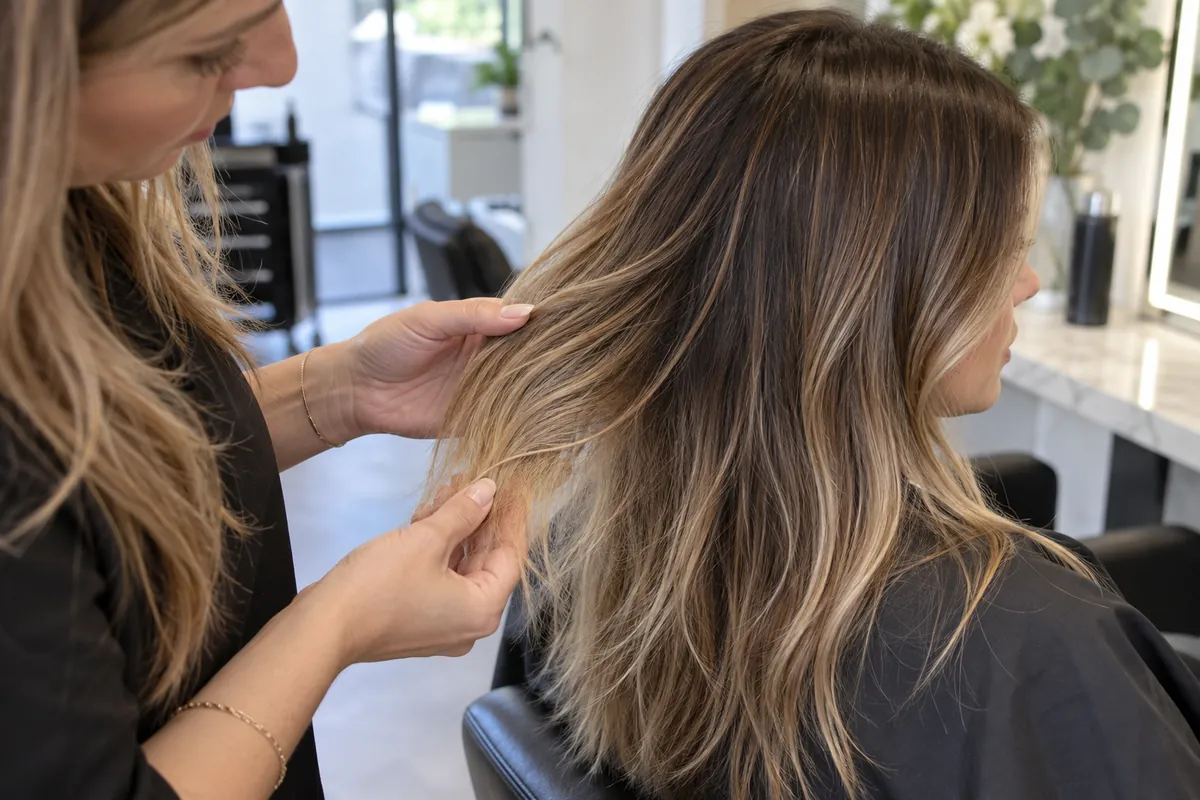
Your ideal shade is only useful if your hair can realistically reach it without excessive damage. Healthy virgin hair offers more flexibility than brittle, repeatedly bleached, chemically straightened, or heavily dyed hair. Choosing a color that respects the starting base often produces a better result than forcing damaged hair toward an extreme inspiration photo.
This is where many color decisions become unrealistic.
A person with healthy light brown virgin hair has a very different path to beige blonde than someone whose hair has been covered with permanent black dye for years.
Artificial color does not simply disappear because a lighter shade is applied over it.
Going significantly lighter usually requires removing pigment.
That process exposes warm undertones and increases stress on the hair.
If your lengths are already fragile, another bleaching session may technically make them lighter while making the overall appearance worse.
Shine, movement, density, and healthy ends contribute just as much to beautiful color as the shade itself.
Sometimes the most flattering decision is not the dramatic one.
A compromised blonde may look more polished after being deepened to a dimensional bronde or soft brunette.
Dry brunette hair may benefit more from a gloss and subtle highlights than from becoming several levels lighter.
Previously lightened hair should also be approached carefully when going darker.
Very porous blonde can absorb dark pigment unevenly, resulting in ends that appear flat, muddy, or much darker than intended.
Large color changes often require rebuilding missing warm undertones before applying the final brunette shade.
This is one reason dramatic transformations are better treated as color corrections rather than simple one-step dye jobs.
Can You Choose a Hair Color From a Photo?
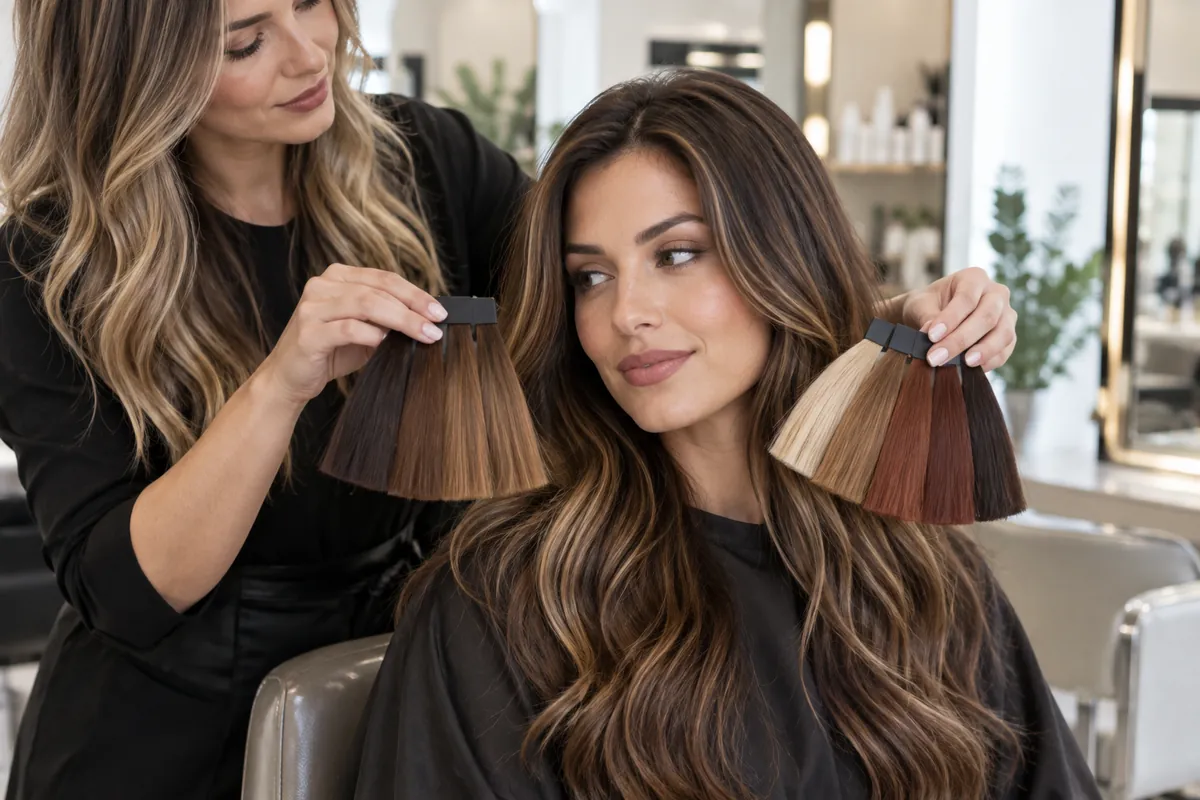
A reference photo is useful for showing mood, tone, brightness, and placement, but it cannot guarantee the same result on another person. Your starting color, previous dye history, texture, density, porosity, skin tone, lighting, and maintenance routine all influence how that inspiration translates to your own hair.
Use inspiration photos intelligently.
Instead of saying, “I want exactly this,” identify what you actually like.
Is it the brightness around the face?
The dark root?
The warm caramel tone?
The high contrast?
The soft blend between colors?
Two photos that seem similar at first may involve very different techniques.
One “bronde” result may have extensive blonde highlights over a naturally light brunette base. Another may be mostly medium brown with only a few beige pieces near the face.
Understanding the feature you love makes it much easier to choose a realistic version for your own hair.
Choose a Hair Color That Fits Your Maintenance Level
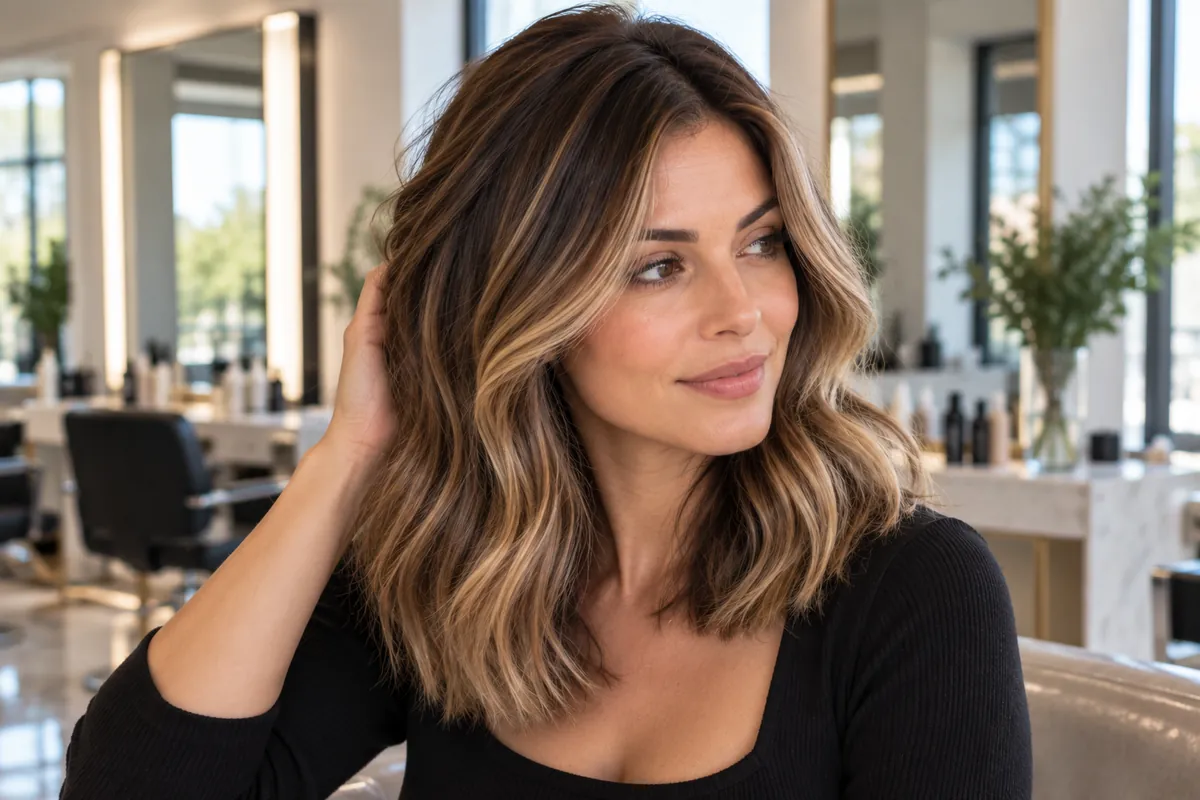
The best hair color should still look good between appointments. Shades close to your natural depth, balayage, rooted blonde, dimensional brunette, gray blending, and subtle highlights usually create softer grow-out. Solid colors that contrast strongly with your natural roots generally require more frequent maintenance to stay polished.
Think beyond the first week.
Fresh color almost always looks impressive immediately after styling. The real test is what happens several weeks later when roots appear and the tone begins to soften.
Platinum blonde over naturally dark hair creates one of the strongest maintenance commitments.
A very dark permanent brunette over naturally light hair creates the opposite version of the same problem. Pale roots become noticeable quickly.
Red and copper sit somewhere different.
Their vibrancy can soften relatively quickly even if the root contrast is manageable. Someone who loves brilliant copper needs to be comfortable maintaining tone between full color appointments.
Balayage and lived-in highlights solve several of these problems by intentionally leaving natural depth near the root.
As the hair grows, there is no abrupt horizontal line.
Dimensional brunette works similarly.
Instead of one flat dark shade, natural roots, lowlights, subtle highlights, and gloss can blend together so fading looks intentional.
Gray hair deserves its own maintenance decision.
Complete permanent coverage creates the most opaque result but also creates the clearest line when silver roots return.
Gray blending allows some silver to remain visible using highlights, lowlights, or softer deposit color. The result is less uniform, but the grow-out is usually much easier.
Your routine matters too.
Someone who swims frequently, spends long summers in strong sun, shampoos daily, or heat-styles heavily may see toner and vibrant colors fade faster.
That does not mean avoiding color. It simply means choosing something that still looks attractive as it evolves.
What Is the Lowest-Maintenance Hair Color?
The lowest-maintenance hair color is usually one that stays relatively close to your natural depth and allows your own root color to remain part of the design. Balayage, subtle highlights, rooted blonde, dimensional brunette, soft gray blending, and demi-permanent glosses often grow out more naturally than solid high-contrast color.
Low maintenance does not necessarily mean boring.
A dark brunette can add cinnamon ribbons.
A light brunette can wear beige balayage.
Natural gray can be blended with charcoal lowlights and silver highlights.
A blonde can deepen the root while keeping brighter ends.
The most successful low-maintenance colors use the hair you naturally grow as part of the finished design rather than treating every new root as something that needs to be hidden.
Build a Color Palette Instead of Chasing One Perfect Shade
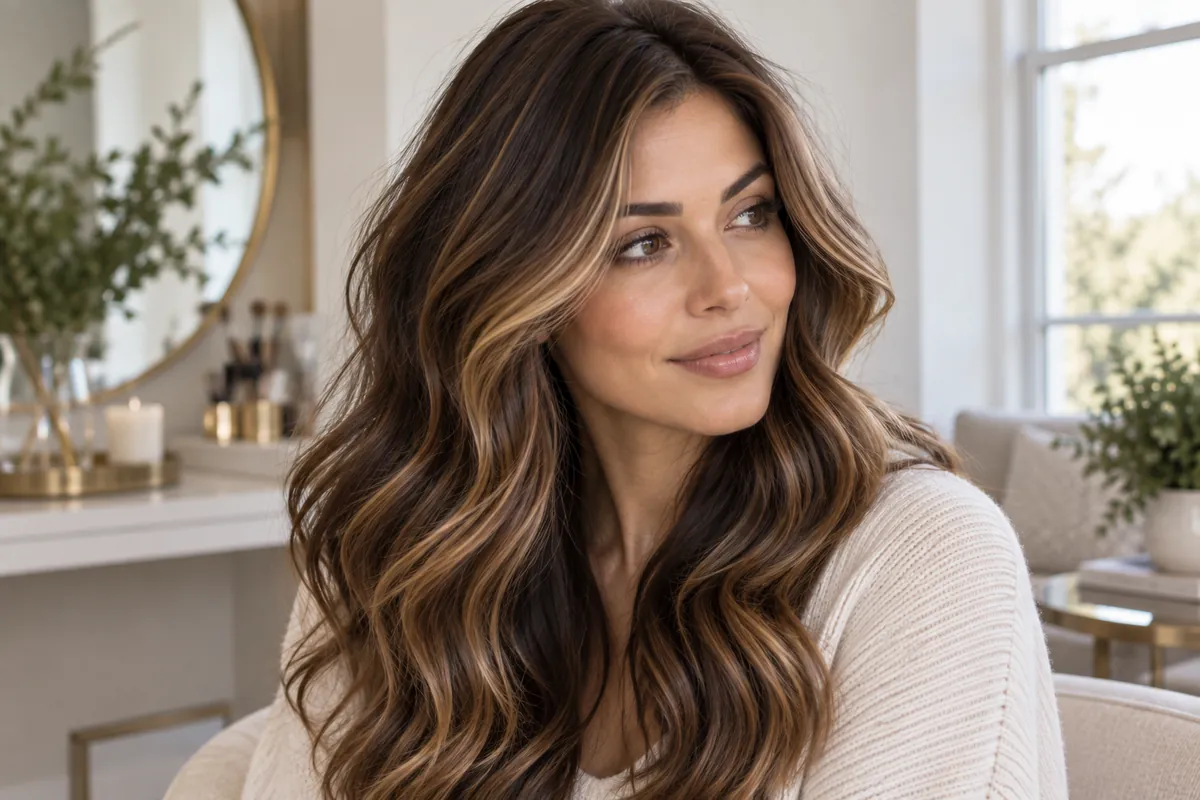
Hair color usually looks most natural when it contains several related tones instead of one perfectly uniform shade. Combining a base color with highlights, lowlights, face-framing brightness, root depth, or a tonal gloss creates dimension and allows the color to respond better to different lighting.
Think of brunette as a palette rather than simply “brown.”
You might have espresso at the roots, chocolate through the mid-lengths, and caramel around the face.
A blonde could combine dark beige roots, champagne mid-lengths, and slightly brighter cream pieces around the hairline.
Copper can include deeper auburn underneath and lighter cinnamon through the surface.
This layered approach makes color look less artificial.
It is also more forgiving.
If every strand is one flat shade, regrowth and fading become obvious quickly. Multiple tones create movement, and slight changes over time blend into the overall design.
Seasonal adjustments can be subtle.
During autumn, adding chestnut, cinnamon, or slightly deeper lowlights can make hair feel richer without completely changing the base.
Spring and summer may call for brighter face-framing pieces or a lighter gloss.
You do not need to reinvent your hair every season.
Small tonal shifts can make the same core color feel different.
The final decision should also match your personality.
Someone who loves understated style may feel more confident in a glossy neutral brunette than vivid red, even if red technically flatters the complexion.
Another person may deliberately choose high-contrast platinum because dramatic color feels more like them.
A flattering shade is not only about color theory.
You need to recognize yourself in it.
Frequently Asked Questions
How Do I Know What Hair Color Suits Me?
Start with your natural hair depth, skin undertone, eye color, brow color, hair condition, and preferred maintenance level. Then decide whether you want natural harmony or noticeable contrast. Shades relatively close to your natural coloring are usually easier to maintain, while dramatic changes create a stronger visual effect.
What Hair Color Is Best for Warm Skin Tones?
Warm skin tones often pair naturally with honey blonde, golden blonde, caramel, chestnut, cinnamon, copper, auburn, warm chocolate, and golden brunette. Neutral or deliberately cooler shades can also work, especially if you prefer contrast rather than a fully harmonious color palette.
What Hair Color Is Best for Cool Skin Tones?
Cool complexions often look balanced with ash brown, mushroom brunette, cool chocolate, beige blonde, pearl blonde, smoky blonde, burgundy, or cooler black-brown shades. Avoid treating these as fixed rules, since eye color, natural depth, and personal style can make warmer colors equally attractive.
What Hair Color Works Best for Neutral Skin Tones?
Neutral skin tones usually have broad flexibility because neither strongly warm nor strongly cool colors dominate the complexion. Balanced chocolate, beige blonde, bronde, chestnut, neutral brown, soft copper, espresso, caramel, and mixed warm-cool highlights can all work well.
Does Hair Color Look Darker After You Dye It?
Freshly colored hair can initially appear deeper or more saturated, particularly with brunette and red shades. Some deposited pigment softens with washing. Porous ends can also absorb more color than healthier roots, which may make the lengths look unexpectedly dark after an all-over application.
Should Your Hair Color Match Your Eyebrows?
Hair and brows do not need to match exactly. Keeping some relationship between them often creates balance, but contrast can also look intentional. Dark brows with blonde hair can be striking, while very light brows with deep brunette may benefit from slightly stronger brow definition.
What Hair Color Makes You Look Younger?
There is no universal “younger” hair color. Shades that add dimension, soften harsh contrast, complement the complexion, and keep the hair looking healthy often create a fresher appearance. Strategic face-framing brightness and dimensional color may be more flattering than simply choosing a lighter shade.
Can Dark Hair Make You Look Washed Out?
Very dark hair can overwhelm some complexions, particularly when it creates stronger contrast than your natural features. It may also emphasize redness, shadows, or uneven tone. Keeping softer dimension around the face or choosing deep brown instead of stark black can create a gentler result.
Is It Better to Choose Warm or Cool Highlights?
Warm highlights create golden, caramel, honey, or copper dimension, while cool highlights create beige, ash, pearl, or smoky effects. Choose based on your complexion, natural base, and desired finish. Neutral highlights often provide the easiest balance if you are unsure which direction suits you.