What Are Acrylic Nails? Cost, Longevity, and Safety Explained
Acrylic nails have been a staple of the nail industry for decades, and they’re still one of the first things people ask about when they’re considering a longer, more durable nail enhancement for the first time. Between the actual cost, how long a set realistically holds up, and the genuine question of whether they’re safe for your natural nails in the long run, there’s a lot more nuance here than a quick scroll through photos usually reveals.
This article breaks all of it down honestly: what acrylic nails actually are on a chemical level, what they typically cost, how long a set really lasts before needing attention, and the real safety considerations worth understanding before committing to your first set or your fiftieth.
What Are Acrylic Nails?

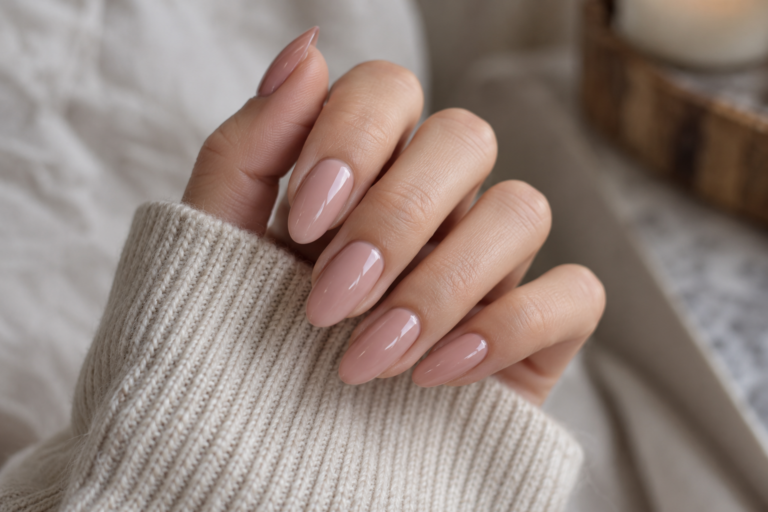
Acrylic nails are artificial nail extensions created by combining a liquid monomer with a powder polymer to form a moldable material, which is then sculpted over a nail tip or form and left to harden through a chemical curing process, without needing a UV or LED lamp. Once cured, the acrylic is filed and shaped into the desired length and style, then typically finished with polish or a protective top coat.
This system has remained popular for so long because it offers genuine strength and structural flexibility, letting nail technicians sculpt significant length, dramatic shapes, or detailed three-dimensional nail art in ways that are harder to achieve with some other enhancement types.
How Much Do Acrylic Nails Cost

A full set of acrylic nails typically runs somewhere between forty-five and seventy dollars, though this range shifts meaningfully depending on location, salon tier, and how much length or nail art is involved. Major metro areas and higher-end salons tend to price above this general range, while smaller towns or budget-focused salons often come in below it.
Fill-ins, which maintain an existing set as natural nail growth creates a gap near the cuticle, generally cost less than a full new set, often landing somewhere in the thirty-five to fifty dollar range. Additional nail art, extra length, or more intricate sculpted shapes can all add to the base price, sometimes significantly depending on complexity and how much extra time a design requires.
How Long Do Acrylic Nails Last
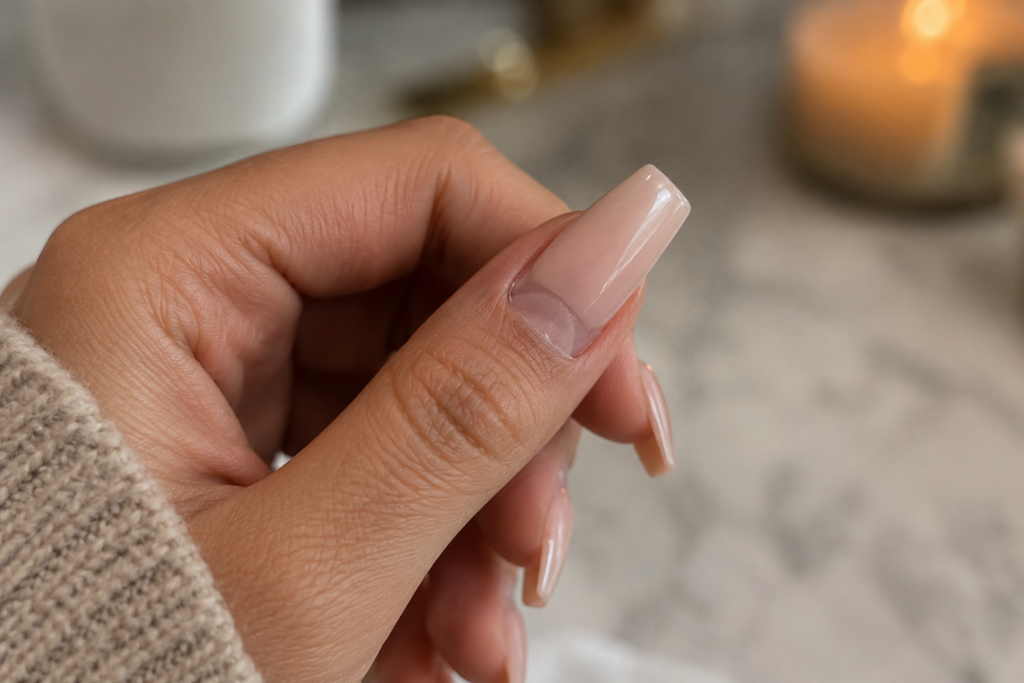
A full acrylic set typically lasts around two to three weeks before regrowth becomes visible enough to need a fill, with many people scheduling maintenance appointments on a regular two to three week cycle to keep their set looking fresh and properly filled in near the cuticle.
The acrylic material itself, when properly applied and maintained, can genuinely hold up for months through repeated fills, as long as the underlying natural nail stays healthy and the fills are done consistently rather than letting excessive regrowth accumulate between appointments. Neglecting fills for too long can lead to a set that looks unbalanced or, in some cases, becomes more prone to lifting or breakage near the overgrown area.
How Long Can You Safely Keep Wearing the Same Set of Acrylic Nails?
Acrylic nails can generally be maintained safely for several months through regular fills, as long as appointments happen on a consistent schedule, typically every two to three weeks, and the natural nail underneath shows no signs of damage, infection, or significant weakening. Taking periodic breaks between extended stretches of continuous wear, giving natural nails some recovery time, is a reasonable practice many nail professionals recommend for long-term nail health.
Are Acrylic Nails Bad for You?
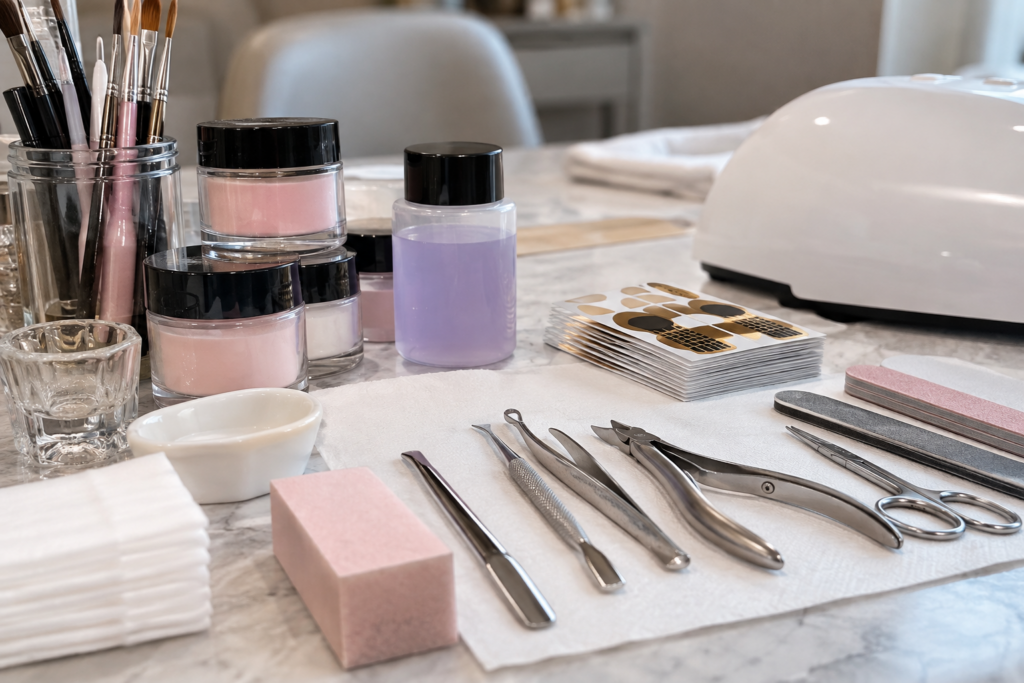
Acrylic nails aren’t inherently bad for you when applied and maintained properly, though there are genuine risks worth understanding, mostly tied to specific chemical sensitivities, improper application or removal technique, and the potential for trapped moisture leading to infection. The material itself, when using industry-standard, properly regulated products, is considered safe for the vast majority of people.
The biggest legitimate safety concern involves the specific type of acrylic monomer used. Methyl methacrylate, often referred to as MMA, was widely used in early acrylic formulations but has since been restricted or banned for professional nail use in many places, largely due to safety concerns including a higher risk of allergic reaction and nail damage, along with the fact that it bonds so strongly it’s considerably harder to remove without damaging the natural nail. Ethyl methacrylate, or EMA, is the standard, industry-approved alternative used in professional-grade products today, offering similar performance with a meaningfully better safety profile.
What’s the Difference Between MMA and EMA in Acrylic Nail Products?
MMA, or methyl methacrylate, was an early acrylic monomer that’s since been restricted in many regions due to safety concerns, including a higher likelihood of allergic reactions and its tendency to bond so aggressively that safe removal becomes difficult without damaging the natural nail. EMA, or ethyl methacrylate, is the standard monomer used in professional acrylic systems today, offering comparable strength and durability with a significantly better established safety record.
Can Acrylic Nails Cause a Fungal Infection?
Yes, acrylic nails can potentially lead to a fungal or bacterial infection if moisture becomes trapped between the acrylic and the natural nail, often due to improper application, a poor seal around the edges, or wearing a damaged set for too long without addressing lifting. Choosing a salon with proper sanitation practices, avoiding acrylic application over an already damaged or infected nail, and addressing any lifting or water exposure issues promptly all significantly reduce this risk.
How to Wear Acrylic Nails Safely

A handful of practical habits meaningfully reduce whatever real risk acrylic nails do carry, making them a genuinely safe option for most people who take a few reasonable precautions.
Choosing a salon or technician who uses EMA-based products rather than MMA, maintains clean, sanitized tools and workstations, and follows proper application technique matters significantly for overall safety. If lifting occurs between fill appointments, addressing it promptly rather than letting moisture sit trapped underneath for an extended period helps prevent the conditions that can lead to infection.
Proper removal technique matters just as much as application. Soaking acrylic off with acetone rather than peeling or prying it away protects the natural nail plate from the kind of thinning and damage that improper removal consistently causes.
Are Acrylic Nails Safe for People With Allergies?
Most people can wear properly formulated, EMA-based acrylic nails without any allergic reaction, though methacrylate allergies do exist and can develop even in people who’ve previously worn acrylics without issue. Anyone with a known sensitivity to acrylic-based products, or who experiences redness, itching, or swelling after a previous application, should discuss this with a nail professional before getting a new set, since alternative enhancement types may be a more suitable option.
Frequently Asked Questions
1. Do acrylic nails damage your natural nails permanently?
Acrylic nails don’t cause permanent damage when applied and removed properly, though repeated cycles of improper removal, particularly peeling or forcing acrylic off, can cause temporary thinning and weakness that typically resolves with proper care and time between sets.
2. Can you get acrylic nails if you bite your natural nails?
Yes, acrylic nails are actually a popular option for people trying to stop nail biting, since the hardened acrylic surface makes biting considerably less appealing and gives natural nails underneath a chance to grow out protected.
3. Is it normal for acrylic nails to feel tight or uncomfortable right after application?
A slight tightness immediately after application is common and typically fades within a day as the nail adjusts, though persistent pain, throbbing, or significant discomfort beyond the first day or two is worth mentioning to your nail technician or a doctor.
4. Do acrylic nails require any special care beyond regular hand washing?
Beyond regular hygiene, wearing gloves during activities involving harsh chemicals or prolonged water exposure, like intensive cleaning, and avoiding using acrylic nails as tools to pry or scrape things, both help extend how well a set holds up and reduce unnecessary stress on the nails.
5. Can pregnant people safely get acrylic nails?
Acrylic nails are generally considered safe during pregnancy for most people, though working in a well-ventilated space and choosing a reputable salon with good air circulation is a reasonable precaution, and anyone with specific health concerns should discuss it with their doctor.
6. Why do some people experience their acrylic nails lifting more than others?
Lifting can result from several factors, including improper nail prep before application, oils or moisture not fully removed from the natural nail, or simply individual variation in how well someone’s natural nail oils and daily activities interact with the acrylic bond over time.
7. Are acrylic nails more durable than gel or dip powder nails?
Acrylic is generally considered one of the more durable and rigid enhancement options, particularly well-suited to significant length or dramatic sculpted shapes, though gel and dip powder each offer their own advantages in terms of flexibility, finish, and typical wear time.
8. Can you swim or shower normally with acrylic nails on?
Yes, properly applied and sealed acrylic nails can handle normal water exposure from showering or swimming without issue, though prolonged submersion or very hot water over extended periods can gradually affect the adhesive bond over time.
9. Do acrylic nails need to be removed before certain medical procedures?
Yes, some medical procedures, particularly those involving pulse oximetry monitoring which relies on reading through the nail, may require temporary removal or exposing at least one natural nail, so it’s worth mentioning acrylic nails to healthcare providers before certain procedures or surgeries.
10. Can you tell if a salon is using MMA instead of EMA in their acrylic products?
Signs that may suggest MMA use include an unusually strong, harsh chemical odor beyond typical acrylic smell, nails that feel unusually difficult to remove even with proper acetone soaking, or a salon offering suspiciously low prices compared to typical market rates, though directly asking the salon which monomer they use is the most reliable way to confirm.